Why are roses red?
Short answer
Roses are red primarily due to the presence of pigments called anthocyanins, specifically cyanidin 3,5-diglucoside. These organic compounds absorb green and yellow light while reflecting red wavelengths, which our eyes perceive as the iconic crimson hue. This coloration evolved to attract pollinators like bees and birds, ensuring the plant's reproductive success.
On this page
Why roses are red
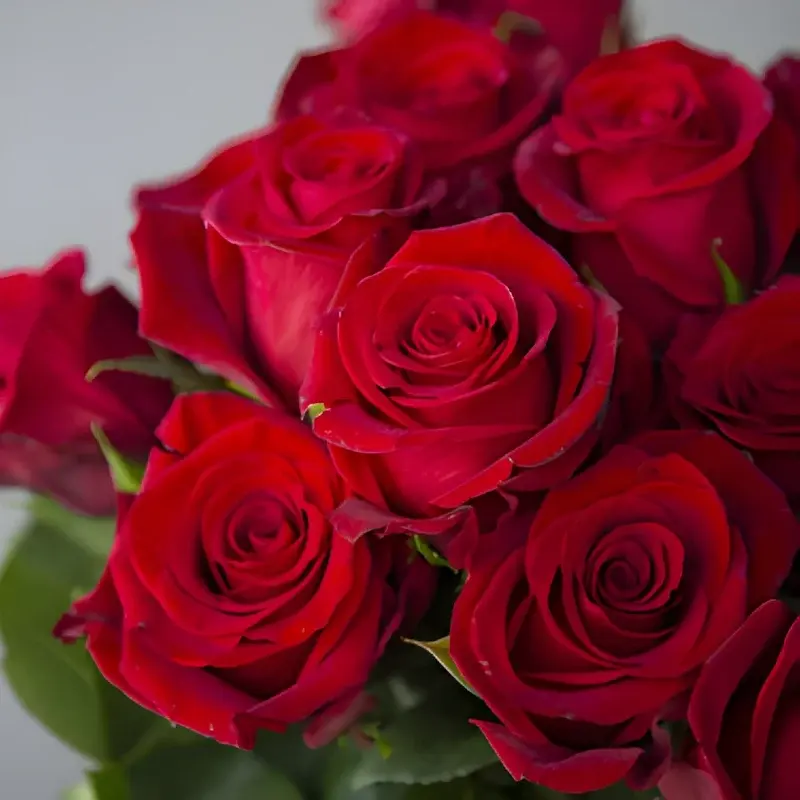
The vibrant red color of a rose is the result of complex chemical processes occurring within the plant's petals. Anthocyanins are water-soluble vacuolar pigments that belong to the flavonoid class. When these pigments accumulate in high concentrations, they mask other colors, resulting in the deep, saturated reds that are characteristic of many popular rose varieties.
Environmental factors also play a significant role in how these pigments express themselves. Sunlight exposure, temperature fluctuations, and soil pH levels can alter the chemical stability of anthocyanins. For instance, cooler temperatures often intensify the red pigmentation, while extreme heat can sometimes cause the color to fade or shift toward lighter shades. This explains why the same rose bush might produce slightly different color saturations throughout a single growing season.
How anthocyanins function in plants
Anthocyanins serve more than just an aesthetic purpose; they are vital for the plant's survival and interaction with its environment. By reflecting red light and absorbing other spectrums, these pigments help regulate the temperature of the petal tissue and protect the plant from oxidative stress caused by intense ultraviolet radiation.
Beyond protection, the color serves as a critical signal to potential pollinators. Evolution has favored red-pigmented flowers because they stand out against the green foliage of the garden, effectively guiding insects and birds to the nectar source. This mutualistic relationship ensures that the rose is fertilized, allowing it to produce seeds for the next generation.
- Bees are primarily attracted to ultraviolet patterns, but they also respond to high-contrast colors.
- Birds, particularly hummingbirds, are highly sensitive to red wavelengths, making red roses prime targets for avian pollination.
- The intensity of the red color acts as a biological "advertisement" that indicates the quality and availability of nectar.
How to maintain red rose color
If you are growing roses, you can take specific steps to ensure your blooms retain their deepest, most vibrant red hues. Proper nutrition and environmental management are essential to keep the pigment production at its peak throughout the blooming cycle.
- Test your soil pH regularly; roses generally prefer a slightly acidic range between 6.0 and 6.5.
- Apply a balanced fertilizer with adequate potassium, which supports overall pigment health and flower structure.
- Ensure the plants receive at least six hours of direct sunlight daily to fuel the photosynthetic processes that create anthocyanins.
- Water consistently at the base of the plant to prevent drought stress, which can cause the petals to lose their luster and color depth.
Common mistakes when growing roses
Many gardeners inadvertently hinder the natural coloration of their roses by neglecting basic maintenance or using improper cultivation techniques. Avoiding these common pitfalls will result in healthier plants and more intense flower displays throughout the year.
- Over-fertilizing with high nitrogen, which encourages leafy green growth at the expense of flower pigment production.
- Planting roses in areas with poor drainage, which leads to root rot and prevents the plant from absorbing the nutrients required for color development.
- Ignoring signs of pests like aphids, which can damage the petals and disrupt the cellular structure where pigments are stored.
- Pruning at the wrong time of year, which can stress the plant and reduce the energy available for producing high-quality blooms.
Why some roses change color
It is a common observation that some roses appear to change color as they age, shifting from a deep crimson to a lighter pink or even a purplish hue. This phenomenon occurs because the concentration and chemical structure of anthocyanins change as the flower matures and begins to senesce.
As the petal cells age, the pH within the vacuoles may shift, or the pigments may begin to degrade due to exposure to oxygen and sunlight. This chemical breakdown leads to a loss of the deep red saturation. Furthermore, some modern cultivars are bred for specific color-changing traits, where the expression of different pigments is triggered by the age of the bloom or external environmental cues. Understanding these natural life cycles helps gardeners appreciate the dynamic beauty of their roses as they transition through their various stages of development.
Key facts
- Roses appear red primarily due to the presence of pigments called anthocyanins, specifically cyanidin 3,5-diglucoside.
- These pigments absorb blue and green light while reflecting red wavelengths, which the human eye perceives as the color red.
- The intensity of the red color is influenced by the acidity (pH) levels within the plant's cell vacuoles; lower pH results in brighter reds.
- Evolutionarily, red coloration serves as a visual signal to attract specific pollinators, such as bees and birds, that are highly sensitive to long-wavelength light.
- Breeders have historically used selective cross-pollination to concentrate these pigments, creating the deep crimson hues seen in modern garden roses.
- To maintain vibrant color in cut roses, keep them out of direct sunlight and in cool water to prevent the breakdown of heat-sensitive pigments.
The bottom line
The red color of a rose is a sophisticated biological adaptation driven by anthocyanin pigments that reflect long-wavelength light. Beyond their aesthetic appeal, these vibrant hues function as a critical evolutionary tool to attract pollinators. By understanding the chemical and environmental factors—such as pH levels and light exposure—that influence these pigments, gardeners can better preserve the natural brilliance and health of their rose bushes.
People also ask
Why do some roses turn brown as they age?
As a rose ages, the anthocyanin pigments begin to degrade and oxidize, leading to a loss of vibrancy. This process is often accelerated by environmental stress, dehydration, or fungal infections that damage the petal cells.
Can you change the color of a rose by changing the soil?
Unlike hydrangeas, which change color based on soil pH, rose color is genetically determined and cannot be altered by soil amendments. While soil health affects overall plant vigor, it will not shift a red rose to blue or yellow.
Why are there no naturally blue roses?
Roses lack the specific genetic pathway to produce delphinidin, the primary pigment responsible for blue coloration in flowers. While some "blue" roses exist in commerce, they are typically genetically modified or dyed.
Do red roses smell different than other colors?
Scent is determined by volatile organic compounds rather than color pigments. However, many deep red rose varieties were selectively bred for fragrance, creating a common association between the color and a strong, classic rose perfume.
How does sunlight affect the red pigment in roses?
Excessive ultraviolet radiation can cause photo-bleaching, where the pigment molecules break down over time. This is why red roses often fade to a lighter pink or dull greyish-red after prolonged exposure to intense summer sun.
Are all red roses the same shade?
There is significant variation in red hues due to the concentration of different anthocyanin types and the presence of co-pigments like flavonols. These combinations create shades ranging from bright scarlet and orange-red to deep, velvety maroon.
This answer was created with the help of AI research tools and reference sources. Spotted an error? Let us know — we correct mistakes quickly. See our editorial policy.