What is shape in art?
Short answer
Shape is a two-dimensional area defined by a boundary, such as a line, color, or value change. It serves as a fundamental building block in visual art, providing structure and organization to a composition. By distinguishing between geometric and organic forms, artists create balance, focal points, and narrative meaning within their work.
On this page
What are the different types of shapes in art?
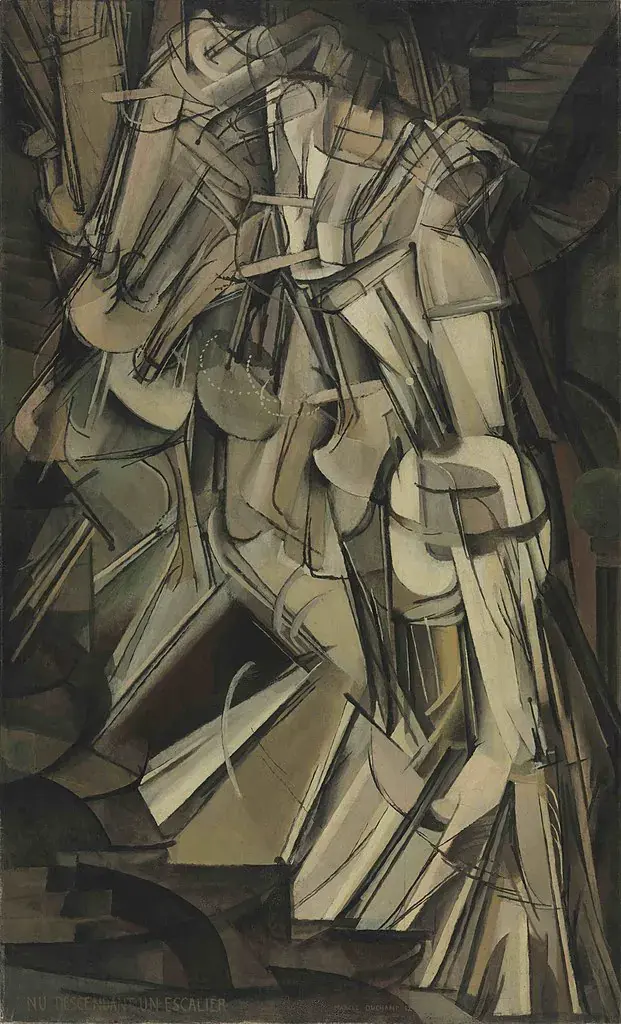
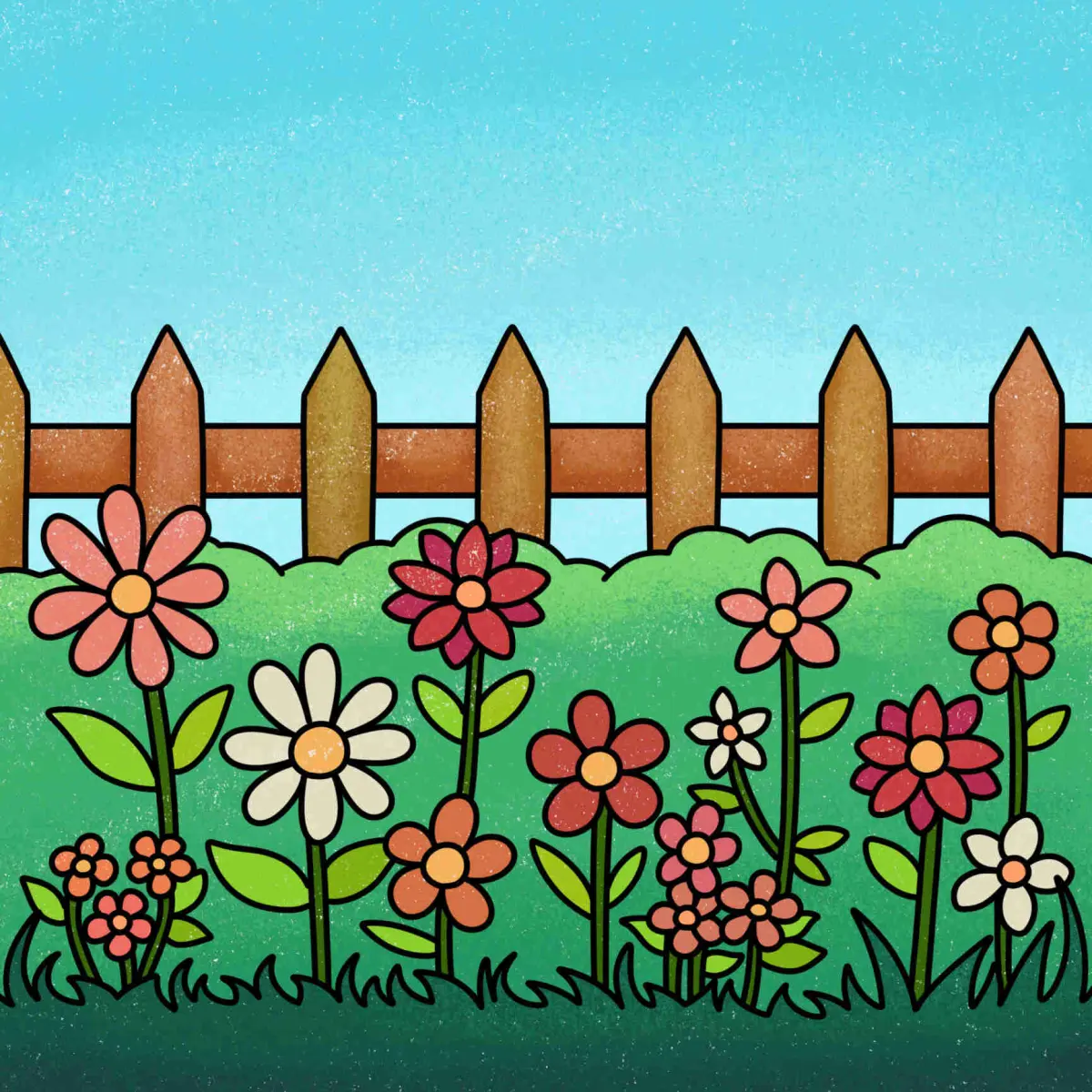
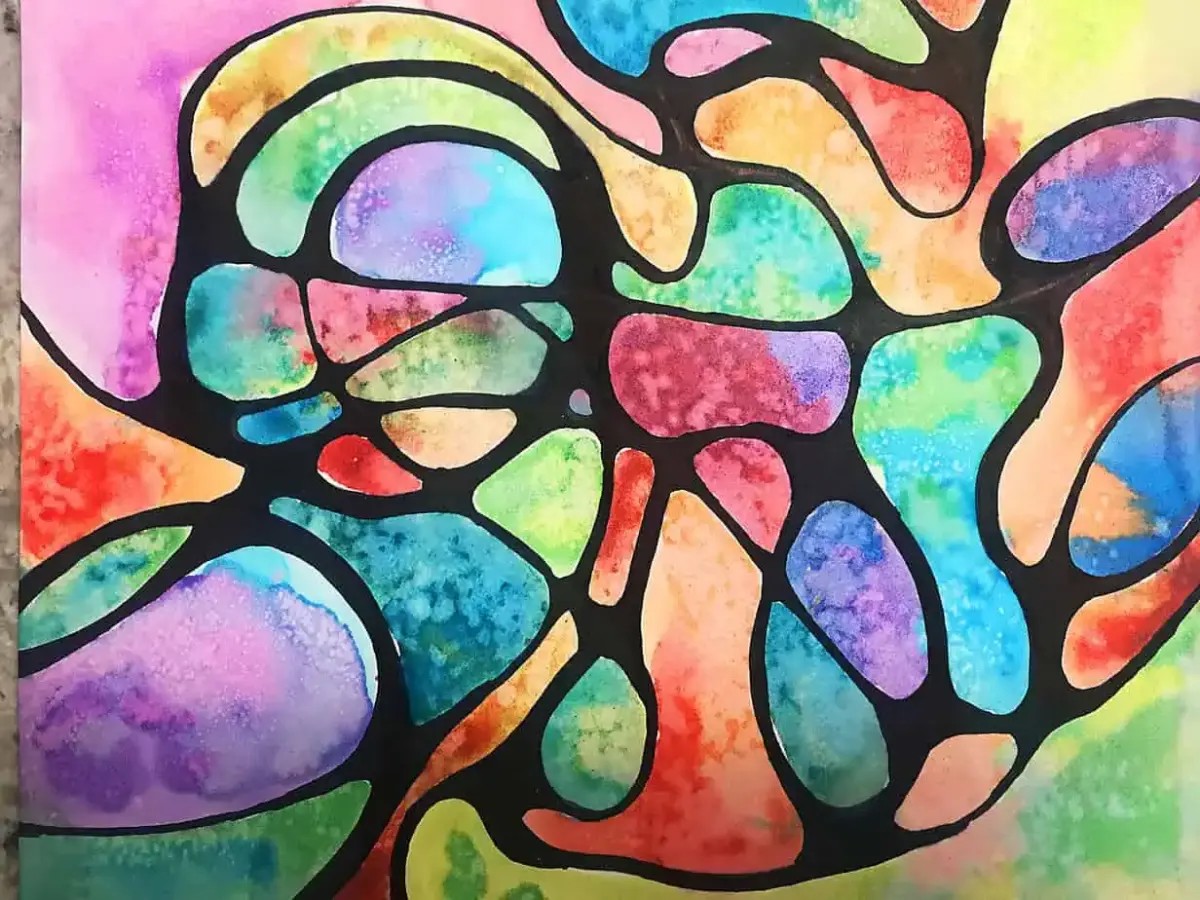
Artists generally categorize shapes into two primary groups: geometric and organic. Geometric shapes are precise, mathematical forms such as circles, squares, triangles, and rectangles. These shapes often convey a sense of order, stability, and human-made structure, frequently appearing in architecture and minimalist design. In contrast, organic shapes are irregular, fluid, and curved, mimicking the unpredictable patterns found in nature.
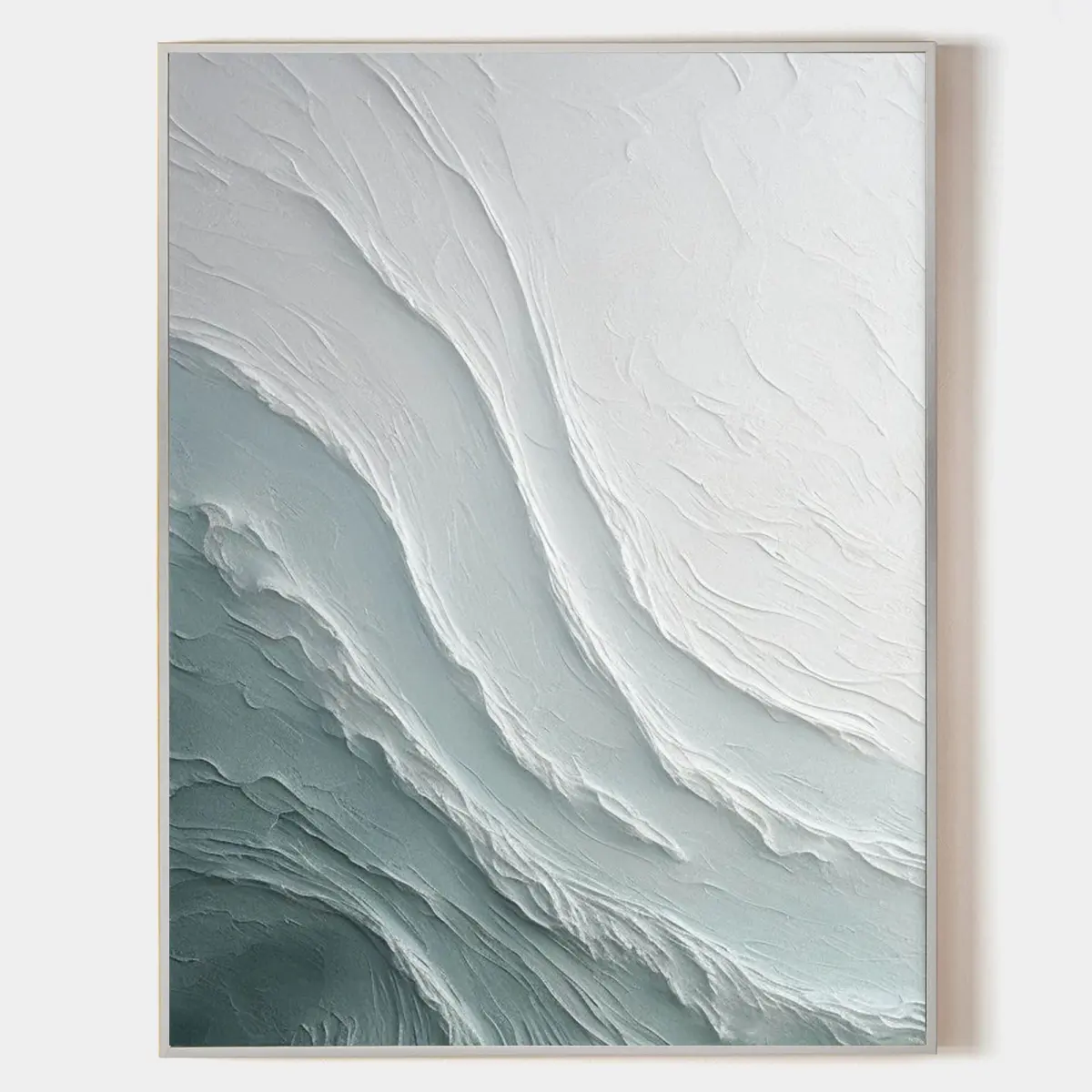
Organic shapes appear in the silhouettes of leaves, clouds, human bodies, and landscapes. They typically feel more relaxed, dynamic, and spontaneous compared to their geometric counterparts. Artists often combine both types to create visual tension or harmony within a single piece. By understanding these classifications, you can intentionally choose which shapes best communicate the mood or concept of your artwork.
- Geometric: Squares, triangles, circles, polygons, and cones.
- Organic: Blobs, leaf patterns, human figures, and free-form curves.
- Positive: The subject matter or object itself.
- Negative: The empty space surrounding the object.
How to use shape to create a focal point?
Shape plays a critical role in directing the viewer’s eye toward the most important part of an image. By placing a unique shape in a field of uniform ones, you create a natural point of interest. For example, placing a sharp, angular triangle within a cluster of soft, circular forms immediately draws attention to the triangle. This technique relies on the principle of contrast, where the deviation from a pattern signals importance.
You can also use the size and complexity of shapes to establish a hierarchy. Larger, more intricate shapes naturally hold more visual weight and demand more attention than smaller, simpler ones. When planning a composition, consider these steps to guide the viewer:
- Identify your main subject and simplify it into a basic shape.
- Surround the main subject with secondary shapes that are smaller or less complex.
- Use the negative space around your subject to frame it and prevent visual clutter.
- Adjust the placement of these shapes to ensure the viewer's eye flows across the canvas.
Why is negative space important in art?
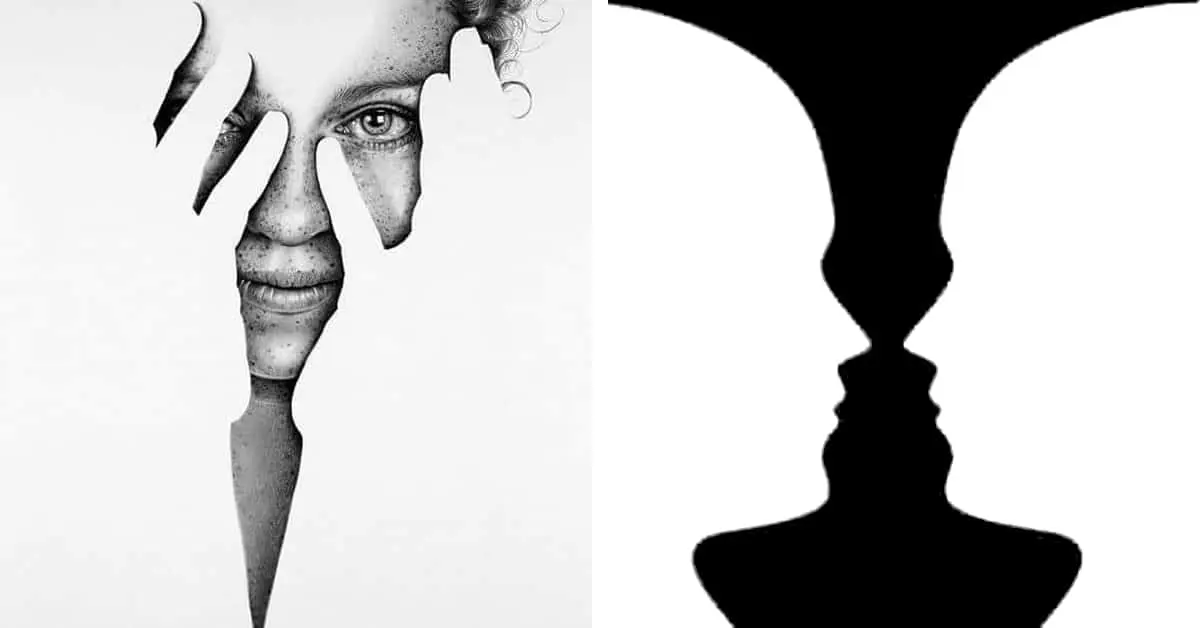
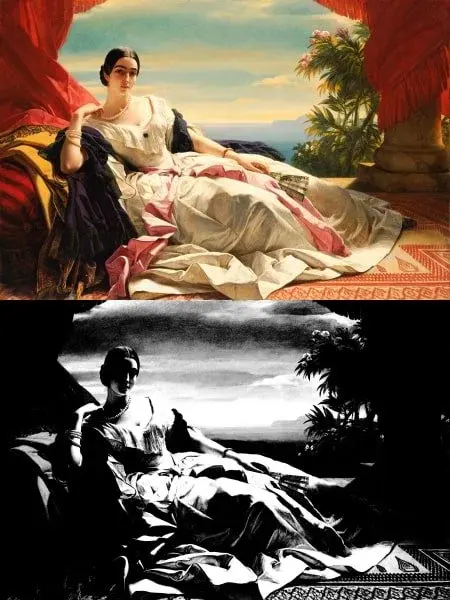
Negative space, often called white space, refers to the area around and between the subjects of an image. Many beginners focus exclusively on the positive shapes—the objects they are drawing—while ignoring the shapes created by the gaps between them. However, the negative space is just as important as the positive space because it defines the boundaries and scale of the objects.
If you ignore negative space, your composition may feel cramped, chaotic, or poorly balanced. By observing the shapes of the empty areas, you can improve your accuracy when sketching complex subjects like human anatomy or intricate architecture. When you treat the background as a set of shapes rather than just "empty air," you gain better control over the relationships between elements. This practice helps clarify the silhouette of your subject, making the final artwork appear more professional and intentional.
Common mistakes when drawing shapes
One frequent error is failing to consider the underlying structure of an object. Beginners often attempt to draw complex details before establishing the basic geometric shapes that form the foundation. This leads to distorted proportions and a lack of depth. Always start by breaking down your subject into simple circles, squares, or triangles to ensure the structure is sound before adding texture or shading.
Another common mistake is creating shapes that are all the same size or spacing, which results in a static and boring composition. If every element in your work occupies a similar amount of space, the viewer’s eye will not know where to rest. To avoid this, vary the scale of your shapes significantly. Incorporate large, medium, and small forms to create a sense of rhythm and movement. Additionally, avoid placing all your shapes in the center of the frame, as this often leads to a stagnant, symmetrical look that lacks visual interest.
How to practice shape recognition for beginners
Improving your ability to see shapes is a skill that develops through consistent observation. Start by looking at everyday objects and identifying the basic geometric forms hidden within them. A coffee mug, for instance, is essentially a cylinder with a curved handle. By practicing this mental deconstruction, you will find it much easier to translate three-dimensional reality onto a two-dimensional surface.
You can also practice by creating "shape maps" of famous paintings or photographs. Take a piece of tracing paper and outline the major shapes you see in an image, ignoring all internal detail. This exercise reveals the underlying structure of the composition, showing you how the artist balanced the visual weight. Over time, this habit will become second nature, allowing you to build stronger, more cohesive artworks from the ground up. Consistent practice will eventually transform how you perceive the world, turning every scene into a collection of shapes waiting to be organized.
Key facts
- A shape is a two-dimensional area defined by a boundary, such as a line, color, or texture.
- Geometric shapes are precise and mathematical, including circles, squares, and triangles.
- Organic shapes are irregular, fluid, and often mimic forms found in nature, such as leaves or clouds.
- Positive space refers to the shape of the subject itself, while negative space is the area surrounding it.
- Artists use overlapping shapes to create the illusion of depth and distance on a flat surface.
- To improve composition, vary the sizes and types of shapes to create visual interest and balance.
The bottom line
Shape serves as the fundamental building block of visual art, providing the structure upon which all other elements rest. By mastering the distinction between geometric and organic forms and learning to balance positive and negative space, you can create more compelling compositions. Whether you are drawing or designing, consciously arranging shapes allows you to guide the viewer’s eye and effectively communicate your intended mood or message.
People also ask
What is the difference between shape and form?
Shape is two-dimensional, possessing only height and width, while form is three-dimensional, adding depth to the object. A circle is a shape, whereas a sphere is a form.
How do artists use shape to influence the viewer's eye?
Artists use leading shapes or repeated patterns to guide the viewer’s gaze across a composition. By placing dominant shapes in specific areas, they create a focal point that directs where the eye lands first.
Can shapes convey emotions or moods?
Yes, shapes carry psychological weight; angular shapes often suggest tension or energy, while rounded shapes typically evoke feelings of comfort and stability. Sharp triangles can feel aggressive, whereas soft, flowing curves feel more relaxed.
What is the role of negative space in drawing?
Negative space is the empty area around an object that helps define the object's true shape. Focusing on the negative space rather than the subject itself often leads to more accurate proportions and better observational drawing.
Why should an artist avoid using only one type of shape?
Using only one type of shape, such as all squares, can make a composition feel stagnant, monotonous, or overly rigid. Mixing geometric and organic shapes creates a dynamic contrast that keeps the viewer engaged.
How can I practice identifying shapes in real life?
Try squinting at a complex subject to blur the details, which forces you to see the underlying simplified shapes. Sketch these basic forms quickly to understand the structural foundation before adding any surface details.
This answer was created with the help of AI research tools and reference sources. Spotted an error? Let us know — we correct mistakes quickly. See our editorial policy.