What is movement in art?
Short answer
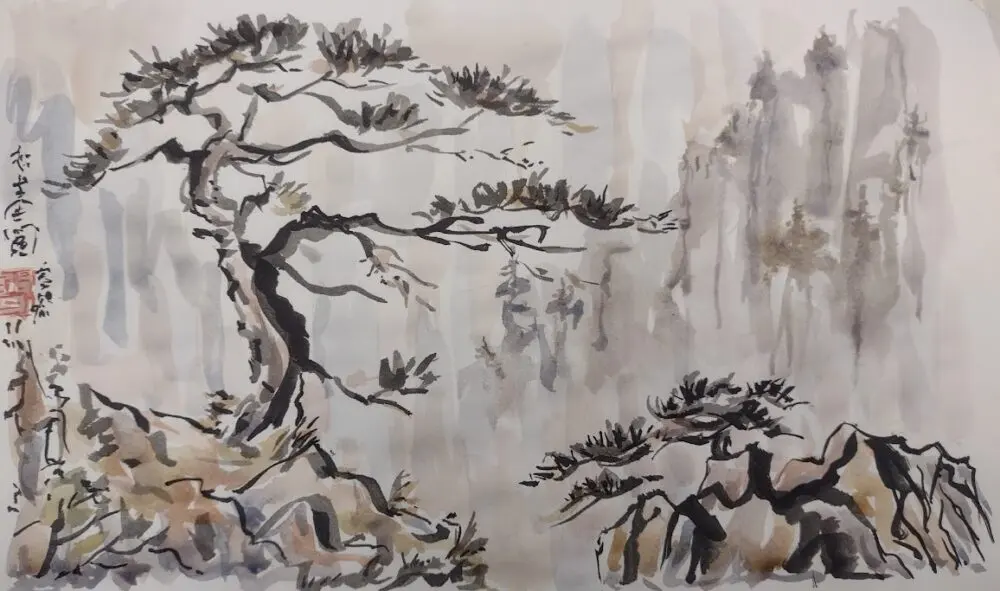
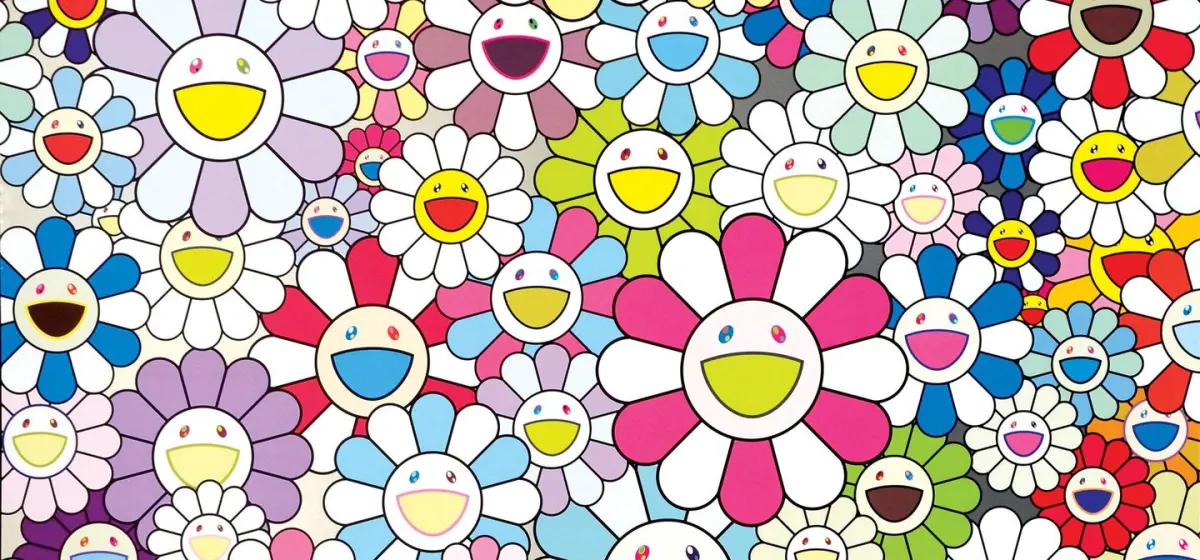
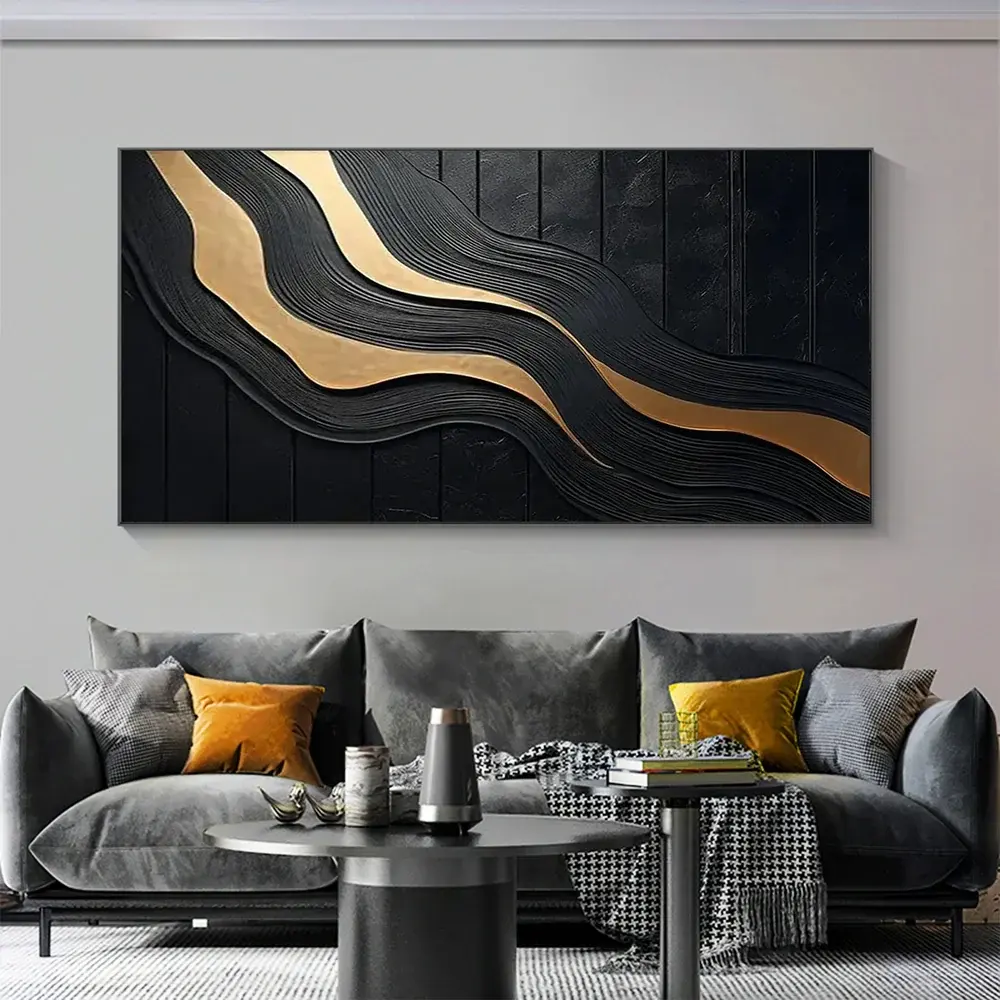
Movement in art is a principle of design used to create the look and feeling of action. It guides the viewer’s eye across a composition, directing attention to specific focal points. By utilizing lines, shapes, colors, and repeating elements, artists simulate motion or suggest a narrative flow within a static, two-dimensional space.
On this page
How does movement work in art?
Movement functions as a visual path that leads the audience through a piece of art. When an artist arranges elements purposefully, the viewer's gaze naturally travels from one area to another, creating a sense of rhythm and progression. This technique prevents the eye from getting stuck in one spot, ensuring the entire work is experienced as a cohesive whole.
Artists achieve this through several foundational strategies. They use leading lines, which are real or implied lines that point toward a specific subject. They also employ contrast, such as placing a bright color against a dark background, to create a "visual weight" that pulls the eye. By manipulating these variables, the artist controls the speed and direction of the viewer’s exploration.
- Leading lines: Using architectural features or natural paths to direct focus.
- Repetition: Utilizing patterns to create a sense of momentum.
- Blur: Implementing soft edges to suggest speed or physical transition.
- Scale: Varying the size of objects to imply depth and distance.
Why is movement important for composition?
Without movement, a composition often feels static, flat, or disorganized. Movement provides the necessary energy to transform a simple arrangement of shapes into a dynamic experience. It helps establish a hierarchy of information, telling the viewer what is most important and what should be observed next. This flow is essential for storytelling, as it allows the artist to dictate the sequence in which the narrative unfolds.
When movement is successfully integrated, the artwork feels alive and intentional. It bridges the gap between the viewer and the subject, encouraging active engagement rather than passive observation. Whether the goal is to depict a chaotic battle scene or a serene landscape, movement provides the structural foundation that holds the viewer’s attention and conveys the intended emotional tone of the piece.
How to create movement in your own art
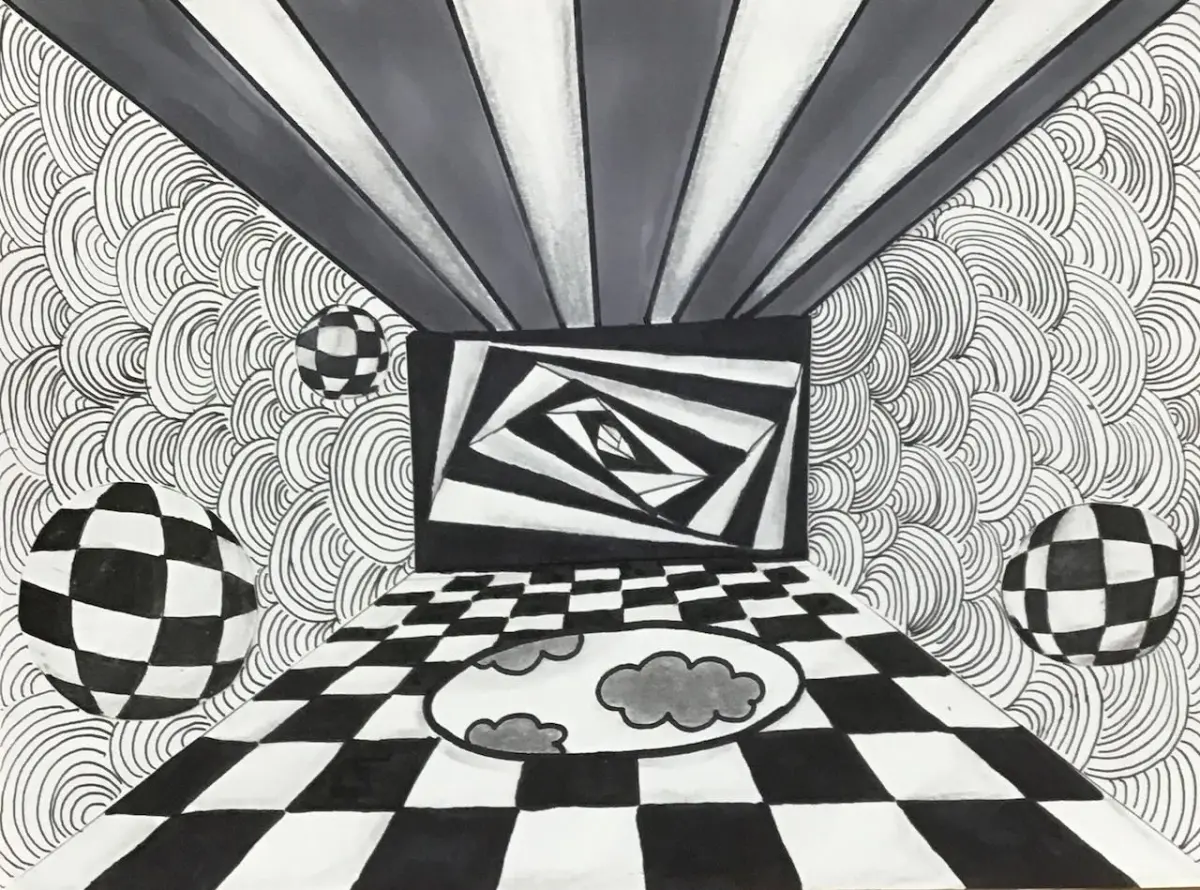
Developing movement requires a deliberate approach to planning your canvas. Start by identifying your primary focal point, then build a path leading toward it. You can use diagonal lines, which are inherently more dynamic than horizontal or vertical ones, to suggest tension and action. Experimenting with these placements will help you understand how to manipulate the viewer's experience.
- Sketch a rough map of your composition to identify major directional lines.
- Place your focal point off-center to encourage the eye to travel across the frame.
- Incorporate repeating shapes or colors to create a rhythm that guides the gaze.
- Use varying line weights to suggest depth and distance, pushing the eye forward.
- Review your work by squinting at it; the blurry image should reveal the primary path your eye takes.
What are common mistakes when creating movement?
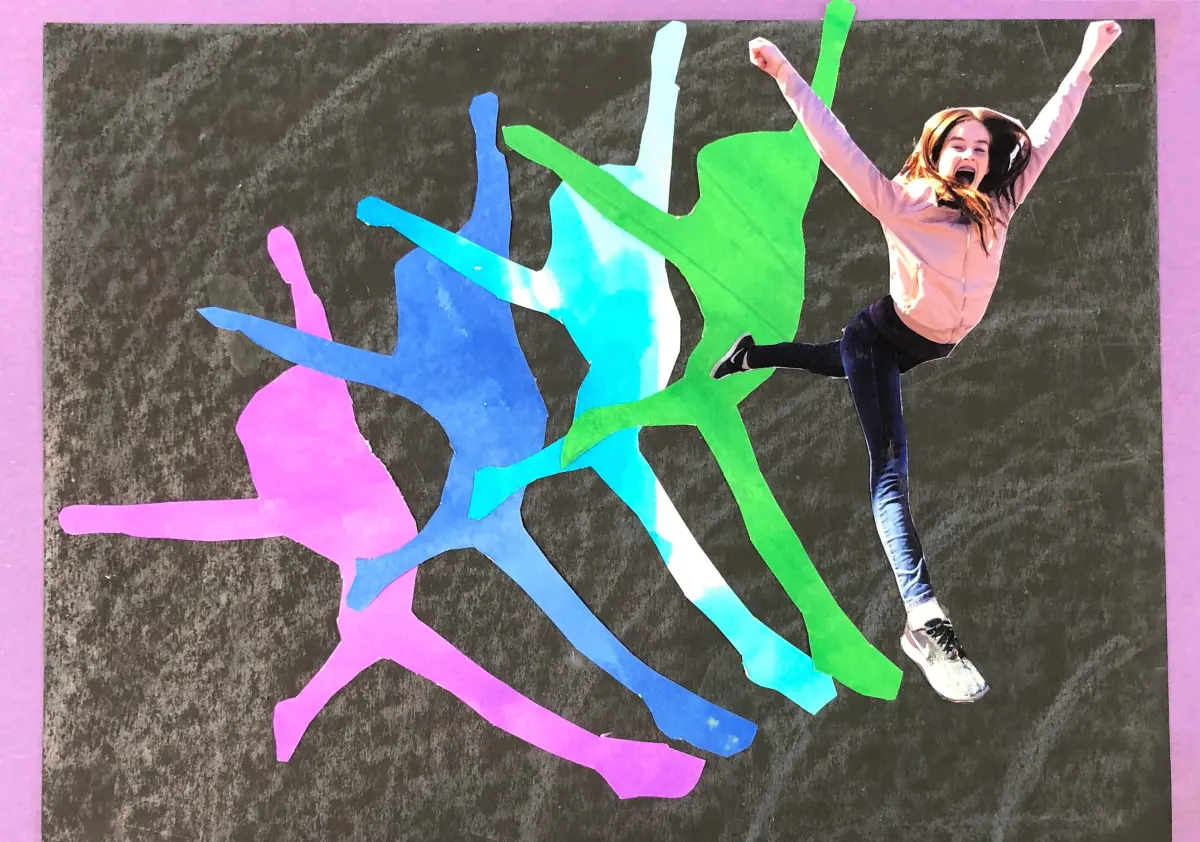
One frequent error is overcrowding the composition with too many focal points. When everything in a painting demands equal attention, the viewer’s eye becomes confused and eventually disengages. This "visual noise" prevents any clear path from forming, leaving the viewer unsure of where to look or what the artwork is trying to communicate.
Another mistake is relying solely on symmetry. While symmetrical balance is pleasing, it is often static and lacks the inherent energy required for movement. Artists also often fail to consider the "exit point" of their work. If the lines lead the eye directly off the edge of the canvas too quickly, the viewer loses interest before fully appreciating the details. Balance the intensity of your lines so that the eye is encouraged to circle back into the center of the piece.
Famous examples of movement in art
Historical art movements have long mastered the depiction of motion. In the 19th century, Impressionist painters like Claude Monet used quick, visible brushstrokes to capture the fleeting nature of light and atmosphere. His series of "Water Lilies" creates a sense of fluid motion, as the viewer's eye ripples across the canvas following the direction of the paint application.
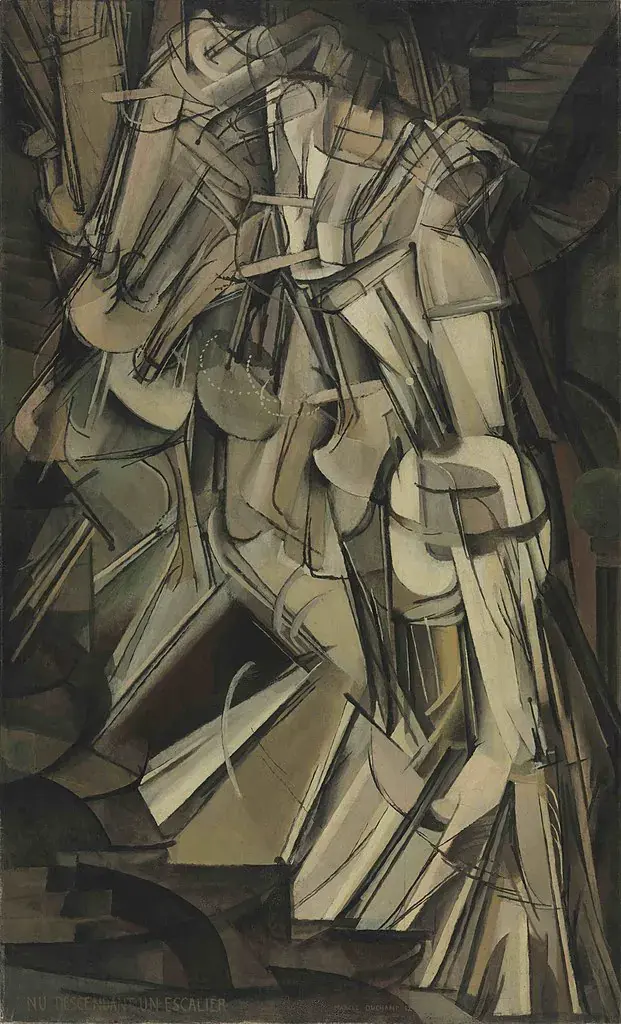
In the early 20th century, the Italian Futurists explicitly focused on speed, technology, and the dynamism of modern life. Works such as Giacomo Balla’s "Dynamism of a Dog on a Leash" (1912) utilize repetitive, blurred forms to represent the rapid movement of legs and a tail. These artists broke away from traditional static representation to prove that art could capture the passage of time. By studying these masters, you can observe how different techniques—from brushwork to geometric distortion—serve the singular purpose of breathing life into a static surface.
Key facts
- Movement in art refers to the visual path the viewer's eye follows through a composition.
- Artists use lines, edges, shapes, and colors to create a "flow" that guides the viewer around the work.
- Repetition of elements like patterns or colors creates a rhythm that encourages the eye to move across the canvas.
- Asymmetrical balance often generates more movement than static, symmetrical arrangements.
- Diagonal lines are the most effective tool for suggesting active motion or energy in a still image.
- A common mistake is creating too many focal points, which causes the viewer's eye to jump erratically rather than follow a smooth path.
The bottom line
Movement is the essential technique of choreographing the viewer's gaze across a composition. By utilizing deliberate lines, rhythmic repetition, and strategic color contrast, an artist transforms a static surface into a dynamic experience. Mastering this principle prevents visual stagnation, ensuring the audience remains engaged with the work. Ultimately, effective movement creates a cohesive narrative flow, guiding the eye through the intended focal points with clarity and purpose.
People also ask
How does rhythm differ from movement?
Rhythm is the repetition of elements to create a visual beat, while movement is the actual path the eye takes. Think of rhythm as the underlying pulse and movement as the direction of travel.
Can static objects convey a sense of motion?
Yes, artists use techniques like "blurring" edges or showing objects in mid-action to imply movement. For example, a painting of a runner with trailing lines suggests speed despite being a still image.
Why is movement important for a balanced composition?
Movement prevents a composition from feeling stagnant or boring by keeping the viewer engaged. It ensures that every part of the artwork is explored rather than just the center.
What is the role of contrast in directing the eye?
High-contrast areas, such as a bright white spot against a dark background, act as visual magnets. Artists place these strategically to pull the eye toward specific areas of interest.
How do I avoid "visual clutter" when creating movement?
Limit the number of high-energy elements to ensure the eye has a place to rest. Too much movement leads to confusion, so use "negative space" to provide pauses in the visual journey.
Does color influence the speed of movement?
Yes, warm colors like red and yellow tend to advance and grab attention quickly, while cool colors like blue recede. Using these shifts forces the eye to move forward and backward through the space.
This answer was created with the help of AI research tools and reference sources. Spotted an error? Let us know — we correct mistakes quickly. See our editorial policy.