What is negative space in art?
Short answer
Negative space is the empty area surrounding and between the subjects of an image. By focusing on these shapes rather than the objects themselves, artists can achieve more accurate proportions and balanced compositions. It is a fundamental technique used to define boundaries, create visual interest, and guide the viewer’s eye effectively.
On this page
What is negative space in art?
Negative space, often referred to as white space, is the unoccupied area around a primary subject. In a portrait, the subject is the positive space, while the gaps between the person’s arms or the background surrounding their silhouette constitute the negative space. This concept is essential because the human brain often relies on symbols or shorthand to identify objects, which can lead to distorted drawings. By shifting focus to the shapes of the background, an artist bypasses these mental shortcuts and observes the actual geometry of the scene.
Mastering this technique allows for a deeper understanding of composition and balance. When an artist treats the background as a tangible shape rather than just "empty air," the relationship between objects becomes clearer. This shift in perception helps in accurately measuring distances and angles, resulting in a more realistic representation. Whether in painting, photography, or graphic design, negative space acts as the "breathing room" that prevents a composition from feeling cluttered or overwhelming to the observer.
How to identify negative space in a drawing
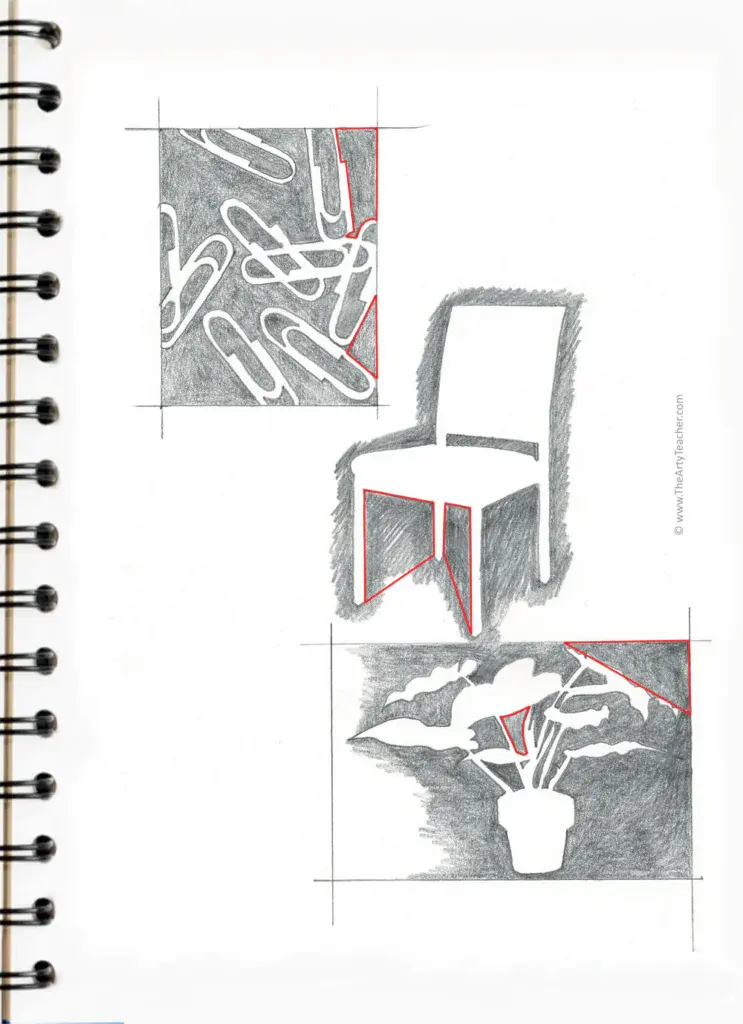
Identifying negative space requires a conscious effort to ignore the identity of the object you are sketching. Instead of thinking "I am drawing a chair," you must train your mind to see a series of interconnected polygons and curves. This practice forces you to focus on the contour lines where the background meets the subject. By isolating these shapes, you can map out the entire composition with greater precision than if you focused solely on the subject’s details.
To effectively isolate these areas, consider the following methods:
- Squint your eyes to blur the details of the subject, making the background shapes more prominent.
- Use a viewfinder or crop your reference photo to see only the edges of the objects.
- Imagine the background as a solid, colored block of clay that is being carved away to reveal the subject.
- Trace the outline of the negative space on a piece of tracing paper to understand its unique shape.
Why negative space is important for composition
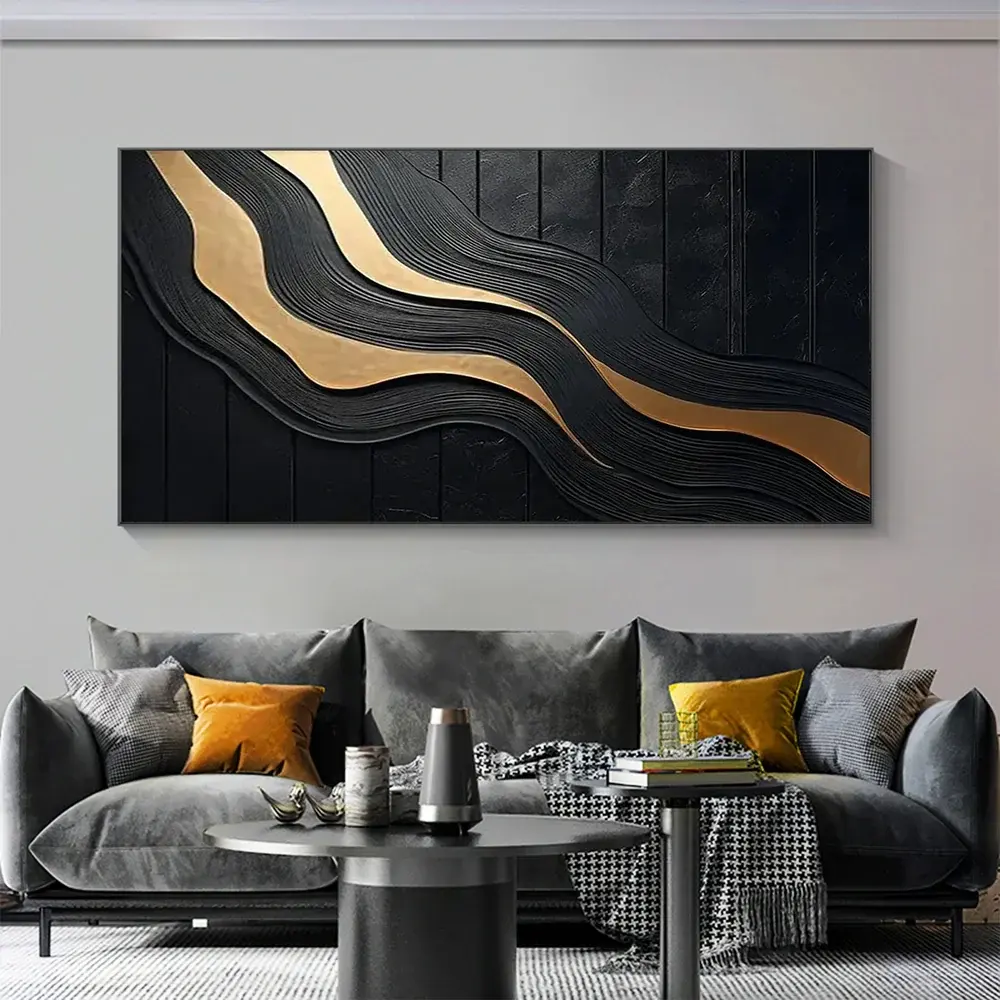
Negative space is the primary tool for achieving visual balance. Without it, an image can feel claustrophobic, as there is no area for the viewer's eye to rest. By strategically placing positive subjects against well-defined negative space, artists create a sense of hierarchy and focus. This principle is widely used in minimalist design, where the vast amount of empty space emphasizes the importance of the single subject placed within it.
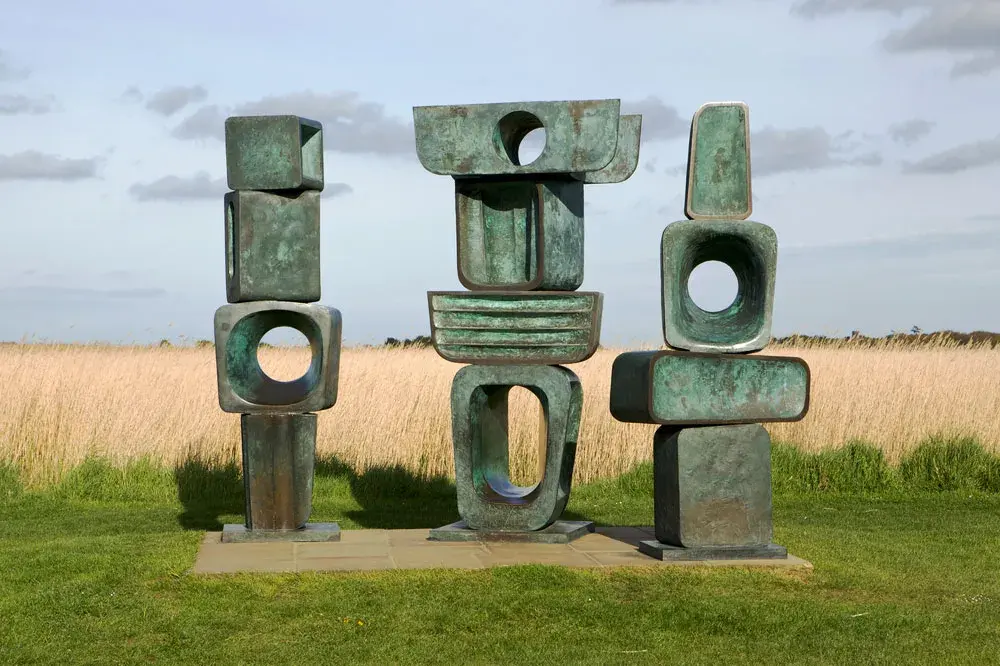
Furthermore, negative space dictates the rhythm and flow of an artwork. It creates a tension between the subject and the frame, which can evoke specific emotions or narratives. A small subject surrounded by a large expanse of negative space often conveys feelings of isolation, loneliness, or vastness. Conversely, a composition where the subject fills almost all the space can create a sense of intensity or urgency. Understanding these psychological effects allows artists to communicate their intent more clearly to the audience.
Common mistakes when using negative space
One of the most frequent errors beginners make is neglecting the negative space entirely, focusing only on the subject's internal details. This often leads to "floating" objects that lack a sense of place or scale. When the background is treated as an afterthought, the proportions of the subject frequently become distorted because the artist has no reference points to check against. Another mistake is creating negative shapes that are too similar in size or complexity, which results in a monotonous and uninteresting composition.
To avoid these common pitfalls, follow these steps:
- Sketch the boundaries of the negative space before adding any internal details to your subject.
- Compare the width and height of the negative shapes against the positive shapes to ensure accuracy.
- Vary the size of your negative spaces to create visual movement and prevent the composition from looking static.
- Check your work by flipping the reference image and your drawing upside down to see the shapes more objectively.
Best exercises for practicing negative space
Practical application is the most effective way to internalize this concept. One classic exercise involves drawing a chair, but focusing exclusively on the gaps between the legs and the rungs. By drawing only these empty shapes, the chair eventually emerges on the page without the artist ever having to "draw" a chair directly. This exercise is highly effective because it removes the pressure of rendering a complex object and replaces it with the simple task of copying shapes.
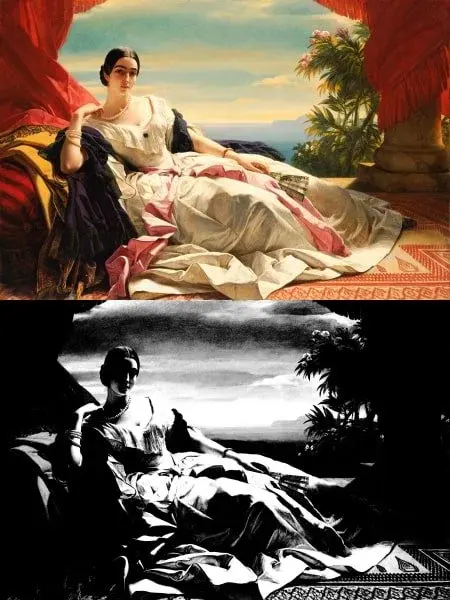
Another beneficial practice is to use high-contrast photography. Select a black-and-white image and use a marker to fill in all the negative space with a solid color. This highlights the intricate shapes that exist in the background, helping you recognize them in future projects. By consistently practicing these techniques, you will develop a "spatial eye" that naturally perceives the world in terms of shapes and relationships. Over time, this will significantly improve your ability to capture complex subjects with confidence and technical accuracy.
Key facts
- Negative space is the area surrounding or between the subjects of an image, often referred to as "ground" or "background."
- Focusing on negative space helps artists draw more accurately by shifting attention away from the object's symbolic identity.
- In graphic design, generous use of negative space is often called "white space" to improve readability and visual balance.
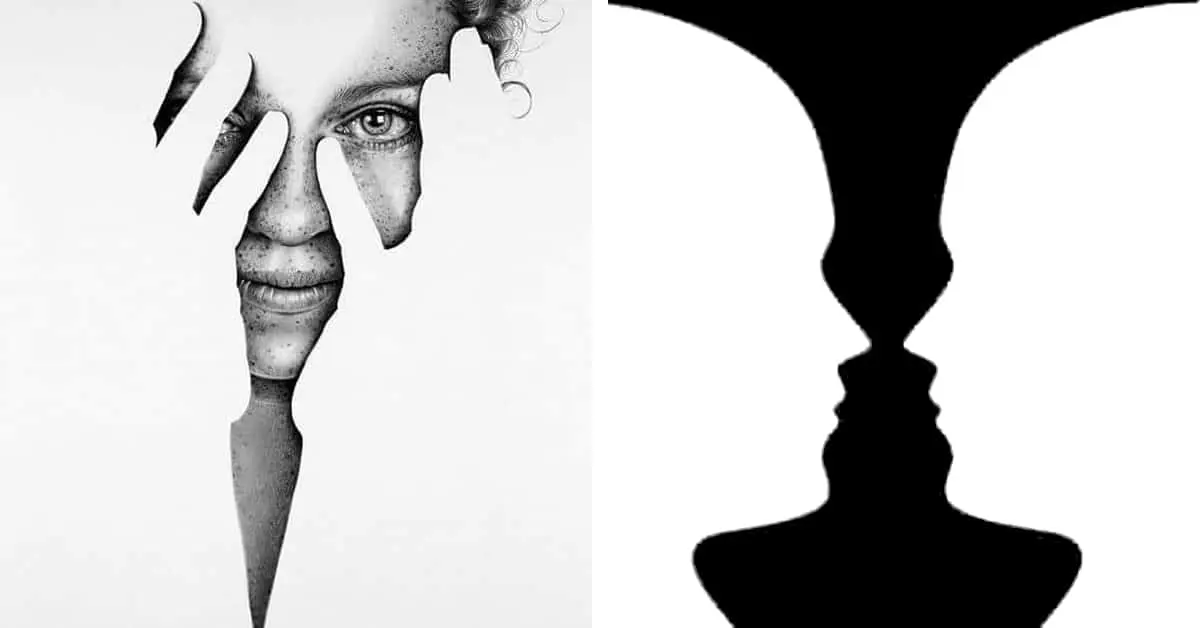
- The Rubin vase, a famous optical illusion created by Edgar Rubin in 1915, demonstrates how negative space can compete with a subject.
- To practice, try drawing the shapes of the empty spaces around a chair rather than the chair itself.
- Avoid treating negative space as "empty" filler; treat it as a deliberate, active element of the composition.
The bottom line
Negative space is a fundamental design principle that transforms the empty areas of a composition into active, structural elements. By shifting your focus from the subject to the shapes surrounding it, you gain better control over scale, balance, and visual clarity. Mastering this technique prevents cluttered work and allows your primary subjects to command attention, ultimately creating more sophisticated and intentional pieces of art or design.
People also ask
Does negative space have to be white?
No, negative space can be any color, texture, or pattern that exists behind or around the primary subject. It is defined by its function as the background rather than its specific hue or brightness.
Why do artists struggle to see negative space?
The human brain prefers to identify objects by their familiar labels rather than their abstract shapes. This cognitive bias makes it difficult to ignore the subject and focus on the surrounding voids.
How can I use negative space to improve my photography?
Incorporate large areas of empty sky, wall, or shadows to isolate your subject and create a sense of minimalism. This technique draws the viewer's eye directly to the focal point without distraction.
Is negative space the same as the background?
While they are often the same, negative space is a compositional tool that interacts with the subject to create shape. A background can be cluttered, whereas negative space is intentionally organized to support the subject.
Can negative space be the subject of a painting?
Yes, in abstract or minimalist art, the negative space can become the primary focus. Artists often manipulate these areas to create tension or movement that defines the entire piece.
What is the rule of thirds in relation to negative space?
The rule of thirds suggests placing a subject off-center to create a more dynamic composition. The resulting large area of negative space provides "breathing room" that makes the image feel more professional.
This answer was created with the help of AI research tools and reference sources. Spotted an error? Let us know — we correct mistakes quickly. See our editorial policy.