How do you start collecting coins?
Short answer
Start by focusing on a specific theme, such as country, era, or coin type, rather than buying everything you see. Acquire a magnifying glass, a reference guide, and archival-quality holders to protect your pieces. Join a local coin club or online community to learn from experienced collectors before making significant financial investments.
On this page
How to choose a coin collecting niche
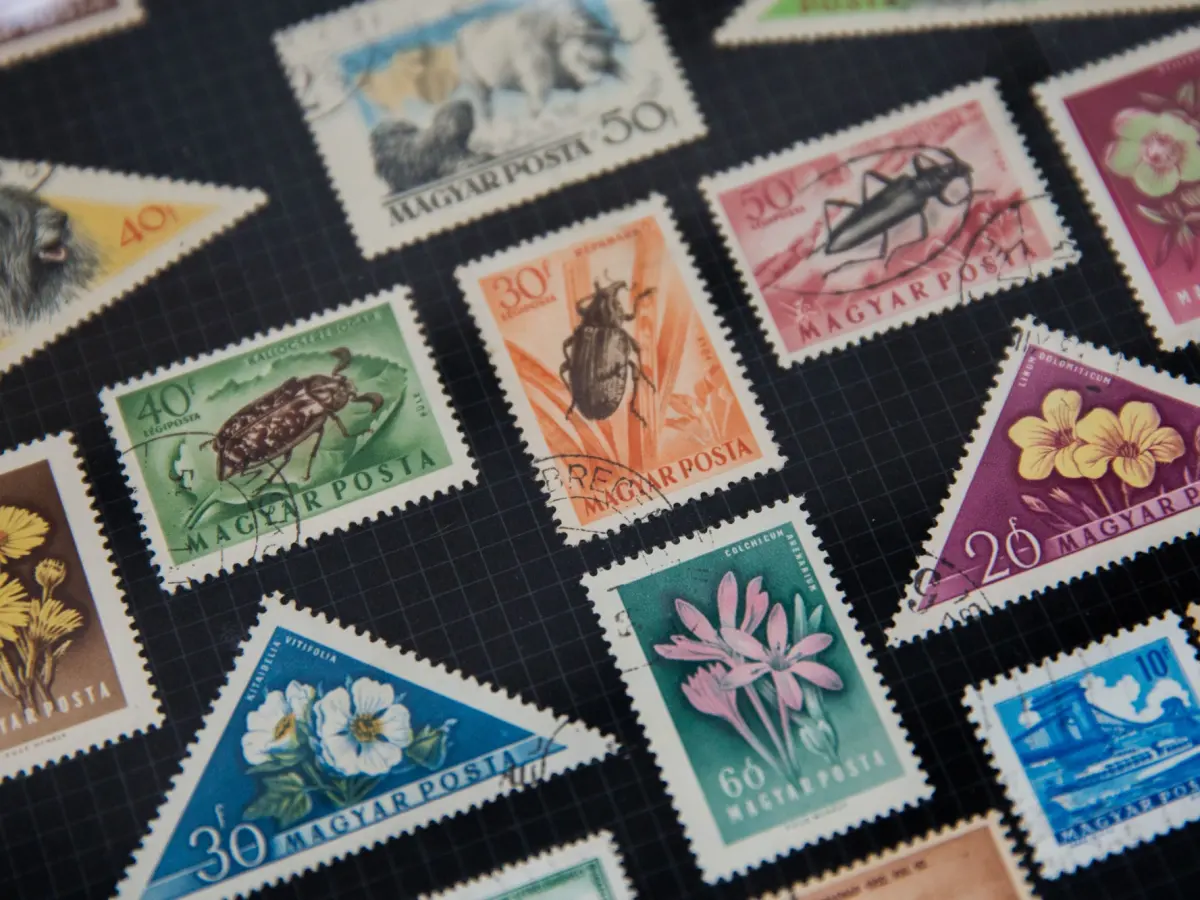
The most effective way to start is by selecting a focused area of interest. Attempting to collect every coin in existence is overwhelming and expensive. Instead, narrow your scope to a specific series, such as American Lincoln cents, silver dollars, or coins from your home country. You might also choose a thematic approach, focusing on coins featuring animals, ships, or historical figures. This strategy allows you to become an expert in a specific field, which helps in identifying rare varieties and understanding market values.
When you specialize, you gain a deeper appreciation for the historical context behind each piece. For instance, collecting coins from the Roman Empire offers a window into ancient politics, while modern commemorative coins highlight significant cultural milestones. By narrowing your focus, you can track your progress more effectively and build a collection that feels curated rather than random. Remember that your interests may evolve over time, and it is perfectly acceptable to shift your focus as you learn more about the hobby.
Best tools for beginner coin collectors
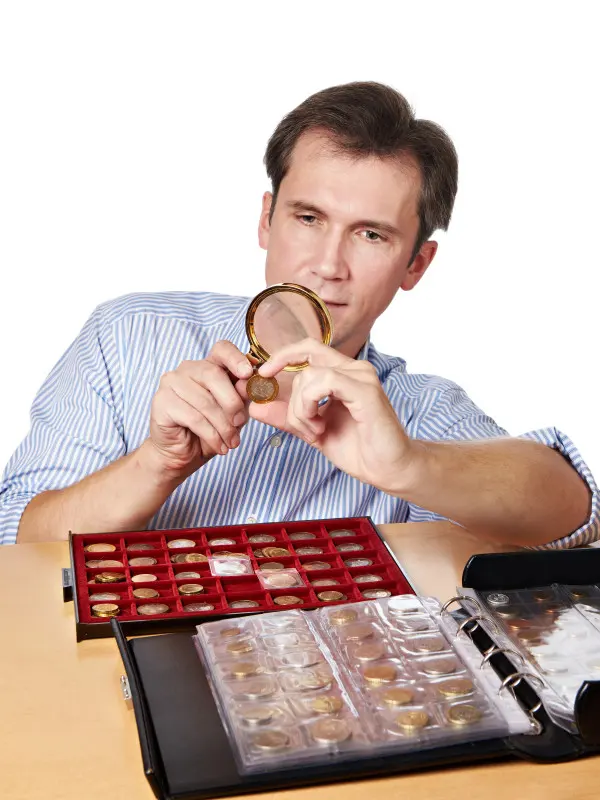
You do not need expensive equipment to start, but a few essential items will protect your investment and improve your experience. High-quality tools ensure that you handle your coins safely and accurately assess their condition. Investing in these basics early on prevents accidental damage and helps you maintain the long-term value of your collection.
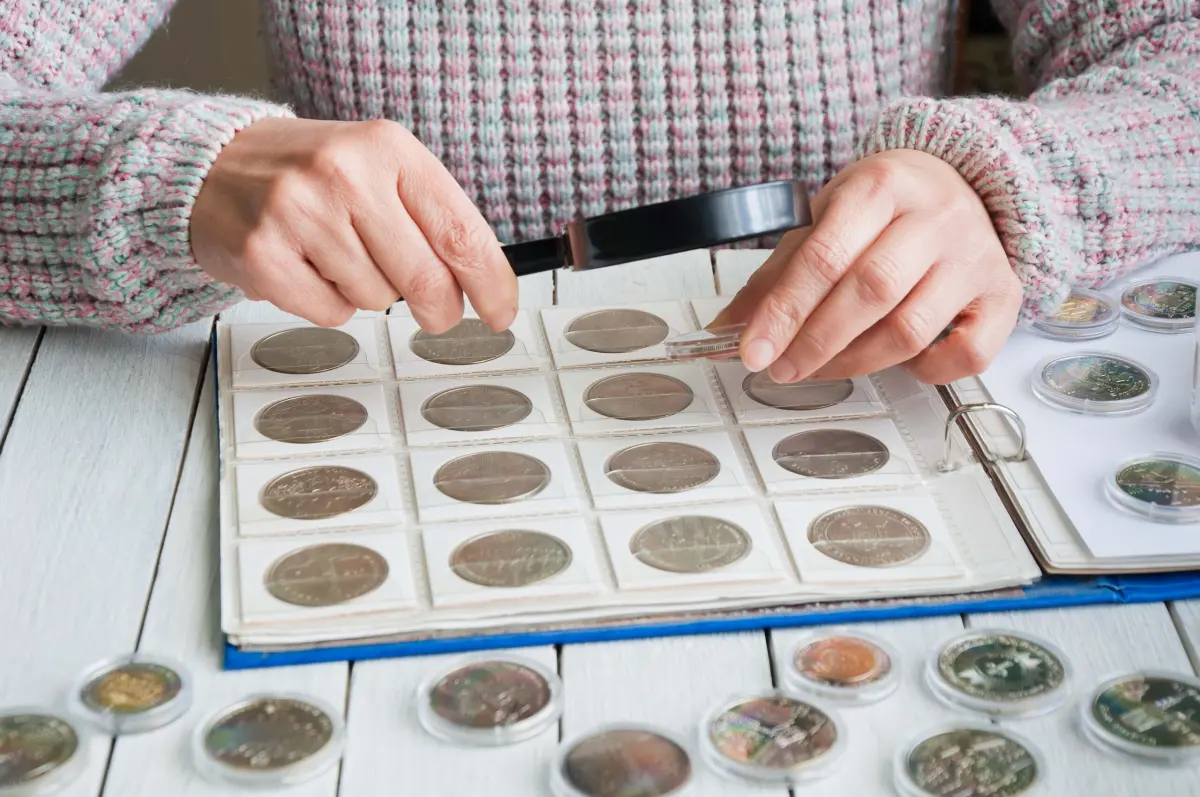
- A 5x or 10x jeweler’s loupe for inspecting fine details and mint marks.
- Archival-quality coin flips or holders made of Mylar to prevent chemical damage.
- A reliable coin album or folder to organize and display your pieces.
- A current edition of a standard price guide, such as "A Guide Book of United States Coins," often called the "Red Book."
- A pair of soft cotton gloves to handle your coins without leaving oils or fingerprints on the surfaces.
Always avoid using household cleaning products or abrasive cloths on your coins. Cleaning a coin, even with the intention of making it look better, typically destroys its numismatic value by stripping away the original patina and creating microscopic scratches.
Where to find coins for your collection
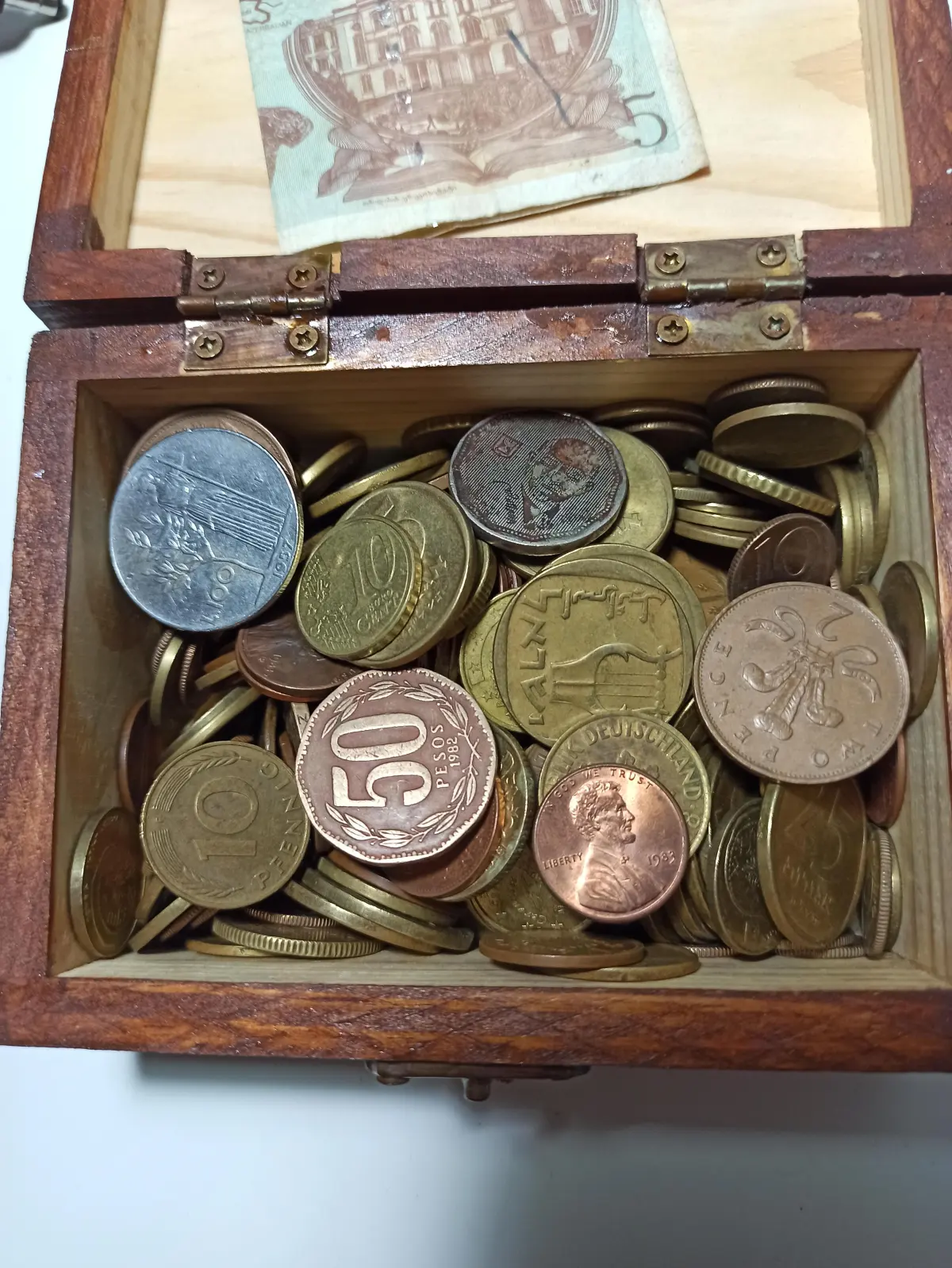
Beginners often find their first coins in circulation, which is an accessible and low-cost way to start. Checking your own change or visiting a local bank to request rolls of coins can yield surprising finds, such as older wheat pennies or silver-content coins. This "coin roll hunting" is a popular method for finding hidden gems in everyday currency. As your collection grows, you may want to explore more specialized sources to find specific dates or grades.
- Local coin shops: These businesses offer expert advice and the opportunity to inspect coins in person before purchasing.
- Coin shows: Regional and national events allow you to browse thousands of coins from multiple dealers in one location.
- Reputable online dealers: Look for members of professional organizations like the American Numismatic Association.
- Online auctions: Use established platforms, but exercise caution and verify the seller's reputation before bidding.
Always prioritize buying from dealers who offer a return policy. Building a relationship with a trusted local dealer can provide you with a mentor who can help you avoid counterfeits and identify high-quality specimens.
How to grade and value coins
Understanding the condition of a coin is critical to determining its value. The Sheldon Scale, which ranges from 1 to 70, is the industry standard for grading coins. A coin graded as "Poor" (1) is barely identifiable, while a "Mint State" (70) coin is perfect, showing no signs of wear or damage. Learning to identify wear on high points—the areas of the design that protrude the most—is the first step in assessing a coin's grade.
- Examine the coin under a bright light to identify surface marks or scratches.
- Check for "luster," which is the original frosty sheen left by the minting process.
- Compare your coin to images in a grading guide to estimate its condition.
- Research recent auction results for coins of similar dates and grades to gauge market value.
Be aware that grading is subjective, and even professionals occasionally disagree. For very expensive or rare coins, professional third-party grading services like PCGS or NGC provide an impartial assessment and encapsulate the coin in a protective, tamper-evident holder.
Common mistakes when starting a collection
Many new collectors fall into the trap of overpaying for coins that have been heavily polished or damaged. Another frequent error is buying too many coins too quickly. It is better to purchase one high-quality coin that you have researched thoroughly than to buy ten low-quality coins that have little historical or monetary significance. Patience is a virtue in numismatics; the market fluctuates, and rushing into a purchase often leads to buyer's remorse.
Avoid the temptation to buy "junk" coins simply because they are cheap. While these may seem like a good entry point, they are often difficult to resell and rarely appreciate in value. Furthermore, always keep detailed records of your collection, including when and where you purchased each coin and the price paid. This documentation is essential for insurance purposes and for tracking the growth of your investment over the years. By staying disciplined and focusing on quality over quantity, you will build a collection that provides satisfaction for a lifetime.
Key facts
- Start by checking your pocket change for older coins or unique designs, such as the U.S. State Quarters series released between 1999 and 2008.
- Use a magnifying glass with at least 5x magnification to inspect details and identify mint marks, which indicate where a coin was produced.
- Store coins in archival-quality, PVC-free holders to prevent chemical damage, discoloration, or corrosion over time.
- Avoid cleaning your coins with soap, water, or abrasive cloths, as this permanently reduces their numismatic value by stripping away natural patina.
- Purchase a current edition of the "Guide Book of United States Coins," often called the "Red Book," to learn about market values and historical context.
- Join a local coin club or the American Numismatic Association to gain access to expert knowledge and networking opportunities with experienced collectors.
The bottom line
Numismatics is a rewarding hobby that blends history, art, and investment. By focusing on preservation, continuous learning, and careful inspection, you can build a collection that retains or increases in value over time. Avoid the common pitfall of cleaning coins, and prioritize quality over quantity. Whether you start with pocket change or rare acquisitions, the most important step is developing a clear, focused collecting strategy.
People also ask
How do I determine the grade of a coin?
Grading is a professional assessment of a coin's physical condition on a scale from 1 to 70, where 70 represents a perfect specimen. Beginners should consult the Sheldon Scale and compare their coins against high-resolution photographs in official grading guides.
What is the difference between a proof coin and a business strike?
Business strikes are intended for general circulation and often show signs of wear, while proof coins are specially minted for collectors using polished dies. Proof coins feature a mirror-like background and frosted relief, making them significantly more detailed than standard coins.
Is it better to collect by date or by series?
Collecting by date involves finding one coin for every year a series was minted, while collecting by series focuses on acquiring every variation of a specific design. Most experts recommend starting with a single series to build a complete set before expanding your scope.
Do I need to buy expensive equipment to start?
You only need a magnifying glass, a reference book, and protective holders to begin your collection safely. Avoid spending large amounts on professional scales or high-end microscopes until you have developed a specific interest in a particular coin type.
How can I identify a fake coin?
Counterfeit coins often have a "mushy" appearance, incorrect weight, or magnetic properties that differ from genuine metal compositions. Always weigh your coins using a digital scale and compare them to the official specifications provided by the issuing mint.
Why are mint marks important to collectors?
Mint marks, such as "D" for Denver or "S" for San Francisco, indicate the specific facility where the coin was struck. Because production numbers vary by location, a coin with a specific mint mark may be significantly rarer and more valuable than the same design from another facility.
This answer was created with the help of AI research tools and reference sources. Spotted an error? Let us know — we correct mistakes quickly. See our editorial policy.