What is the hottest planet?
Short answer
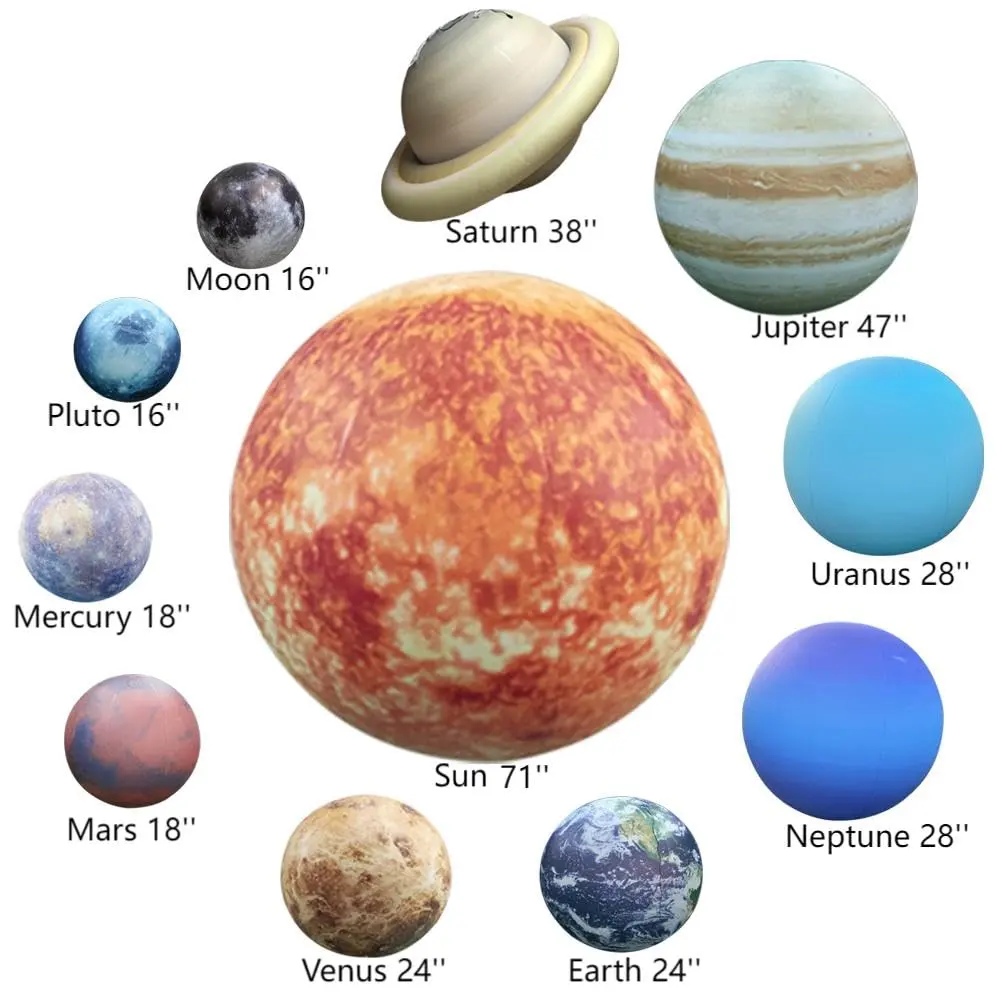
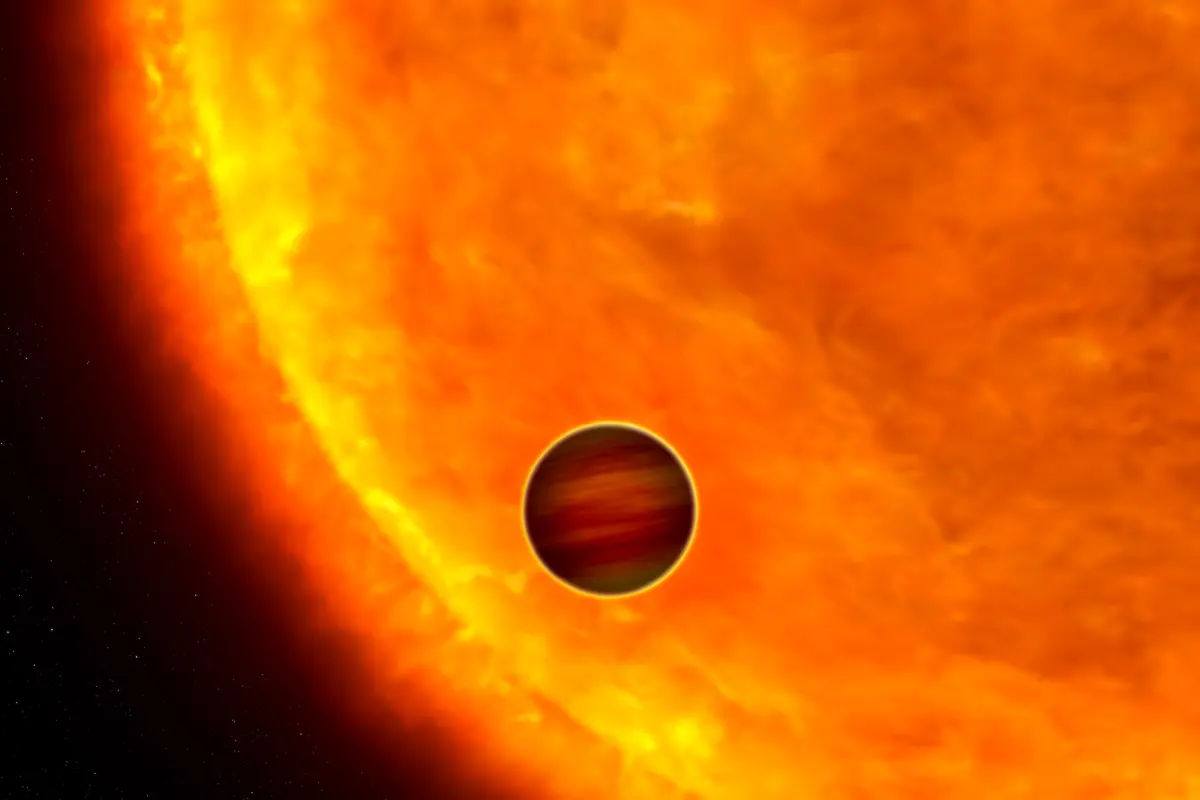
Venus is the hottest planet in our solar system. Despite being further from the Sun than Mercury, its thick, toxic atmosphere traps heat through a runaway greenhouse effect. Surface temperatures consistently reach about 870 degrees Fahrenheit (465 degrees Celsius), which is hot enough to melt lead and destroy most spacecraft.
On this page
Why is Venus hotter than Mercury
Many people assume that Mercury must be the hottest planet because it is the closest to the Sun. However, Mercury lacks a substantial atmosphere to retain heat, causing it to lose its warmth rapidly during the night. In contrast, Venus is shrouded in a dense blanket of carbon dioxide and thick clouds of sulfuric acid. This atmosphere acts like a heavy thermal blanket, preventing heat from escaping back into space.
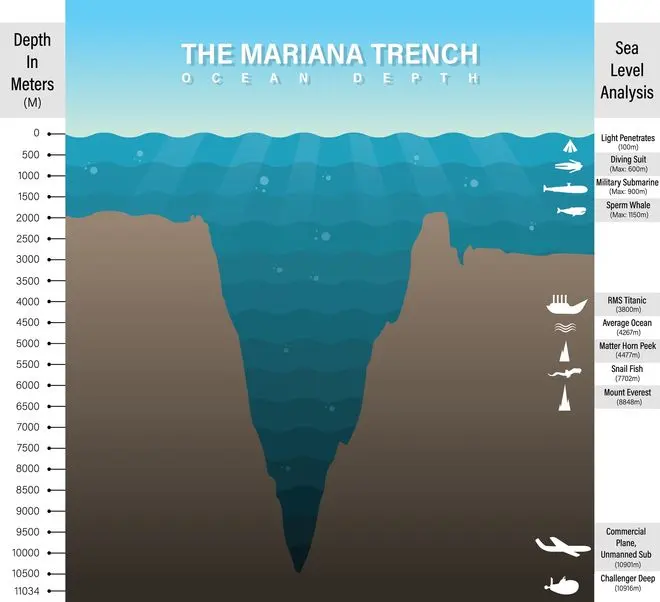
The resulting runaway greenhouse effect creates a stable, scorching environment across the entire planet. Whether it is day or night, or at the equator or the poles, the surface temperature remains nearly constant. This extreme insulation makes Venus significantly hotter than Mercury, even though it receives less solar radiation. The atmospheric pressure on the surface is also crushing, equivalent to being nearly a mile deep under Earth's ocean.
How do scientists measure planetary temperatures
Astronomers use a variety of methods to determine the temperatures of distant worlds. For planets like Venus, they rely on data gathered by orbiters and landers that have braved the intense environment. These instruments measure infrared radiation emitted by the surface, which correlates directly to temperature. By analyzing the light spectrum, scientists can calculate the heat signatures of different layers of the atmosphere.
Historically, several missions have provided the data necessary to understand these extreme conditions:
- The Soviet Venera program successfully landed several probes on the surface during the 1970s and 1980s.
- NASA’s Magellan mission mapped the surface using radar to penetrate the thick cloud cover.
- The European Space Agency’s Venus Express orbiter studied the atmospheric dynamics and temperature profiles in detail.
- Future missions, such as NASA’s DAVINCI and VERITAS, aim to provide even higher resolution data on the planet's atmospheric composition and geological history.
What are the surface conditions like
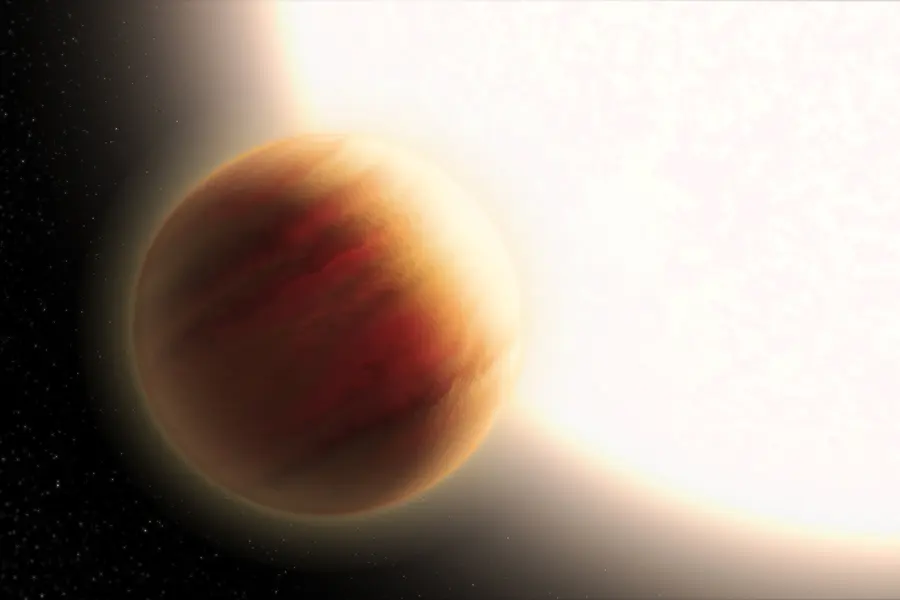
The surface of Venus is a desolate, high-pressure landscape characterized by vast plains and volcanic features. Because of the intense heat, there is no liquid water on the surface; any moisture that might have existed billions of years ago was long ago stripped away by solar winds. The ground is composed primarily of basaltic rock, similar to the volcanic rock found on the ocean floor here on Earth.
Navigating this environment is nearly impossible for current technology due to the combination of heat and pressure. Most landers sent to the surface have survived for only a few hours before their electronics failed or their structures collapsed. To understand these conditions, researchers often use the following steps to simulate the environment in laboratories:
- Construct a pressure vessel capable of withstanding 90 times Earth's atmospheric pressure.
- Heat the interior of the chamber to 465 degrees Celsius using specialized heating elements.
- Introduce chemical gases to mimic the corrosive sulfuric acid clouds found in the Venusian atmosphere.
- Test materials and sensors to see how they degrade under these extreme, sustained conditions.
Common mistakes when comparing planetary heat
One frequent error is confusing the average temperature of a planet with its maximum temperature. While Mercury experiences extreme heat on its sunlit side, it also experiences extreme cold on its dark side. Venus remains uniformly hot, making it the highest average temperature in the solar system. Another mistake is ignoring the role of atmospheric composition, which is just as important as distance from the Sun.
People also often misunderstand the role of clouds in planetary temperatures. On Earth, clouds reflect sunlight and help cool the surface, but on Venus, the clouds are so thick and composed of such specific materials that they trap heat rather than reflecting it away. When comparing planets, always look at the atmospheric density and chemical makeup. Without an atmosphere, a planet's temperature is determined almost entirely by its distance from its host star, but an atmosphere can completely override that basic rule of thumb.
Why study the hottest planet
Studying Venus provides critical insights into the evolution of planetary atmospheres and climate change. By understanding how a planet can descend into a runaway greenhouse state, scientists can better model the long-term climate stability of Earth. Venus serves as a cautionary tale of how atmospheric changes can fundamentally alter a world's habitability over millions of years. This research is essential for identifying potentially habitable exoplanets in other star systems.
Furthermore, the geological activity on Venus remains a subject of intense scientific debate. Researchers want to know if the planet still has active volcanoes and how its interior heat escapes. By comparing Venus to Earth and Mars, we gain a more complete picture of how terrestrial planets form and evolve. This knowledge helps us refine our search for life elsewhere in the universe, as it defines the boundaries of what conditions are truly hostile to life as we know it.
Key facts
- Venus is the hottest planet in our solar system, despite Mercury being closer to the Sun.
- Surface temperatures on Venus consistently reach approximately 864 degrees Fahrenheit (462 degrees Celsius).
- The extreme heat is caused by a runaway greenhouse effect trapping solar energy in a thick carbon dioxide atmosphere.
- Atmospheric pressure on the surface of Venus is about 90 times greater than that of Earth.
- Mercury lacks a significant atmosphere to retain heat, causing its temperatures to fluctuate wildly between day and night.
- Never assume proximity to the Sun dictates surface temperature, as atmospheric composition is the primary driver of heat retention.
The bottom line
Venus holds the title of the solar system's hottest planet, with surface temperatures reaching 864 degrees Fahrenheit. This intense heat persists because of a dense, carbon-dioxide-rich atmosphere that traps solar energy through a runaway greenhouse effect. Unlike Mercury, which loses heat rapidly due to its lack of atmosphere, Venus remains consistently hot, demonstrating that atmospheric composition is far more critical than distance from the Sun.
People also ask
Why is Mercury not the hottest planet?
Mercury has almost no atmosphere to trap heat, allowing most of the Sun's energy to escape back into space. While its sunlit side is very hot, its lack of an insulating layer prevents it from reaching the extreme, consistent temperatures found on Venus.
Could humans ever land on Venus?
Landing on Venus is currently impossible due to the crushing atmospheric pressure and extreme heat that melts lead. Any spacecraft attempting to land would be destroyed by the environment within minutes.
How do we know the temperature of Venus?
Scientists use radar mapping, infrared observations, and data transmitted from past Soviet Venera landers to determine surface conditions. These missions successfully measured the intense heat before the probes succumbed to the harsh environment.
Does Venus have seasons like Earth?
Venus has almost no axial tilt, meaning it does not experience seasonal temperature changes. The temperature remains uniformly scorching across the entire planet throughout the year.
Is there anywhere on Venus that is cool?
The upper atmosphere of Venus, about 30 miles above the surface, features temperatures similar to those on Earth. However, the environment remains toxic due to clouds of sulfuric acid.
Does the Sun look different from the surface of Venus?
Due to the thick, opaque cloud layers, the Sun is never visible from the surface. The sky appears as a constant, dim orange glow, and sunlight is diffused by the dense atmosphere.
This answer was created with the help of AI research tools and reference sources. Spotted an error? Let us know — we correct mistakes quickly. See our editorial policy.