When do the leaves change color in Vancouver?
Short answer
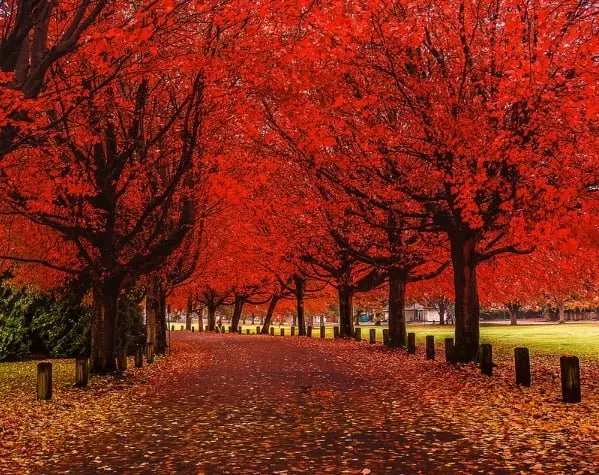
Leaf color change in Vancouver typically begins in late September and reaches its peak between mid-October and early November. While the timing varies based on tree species and local weather patterns, the most vibrant displays generally occur during the final two weeks of October across the city’s parks and residential neighborhoods.
On this page
When is the best time to see fall leaves in Vancouver?
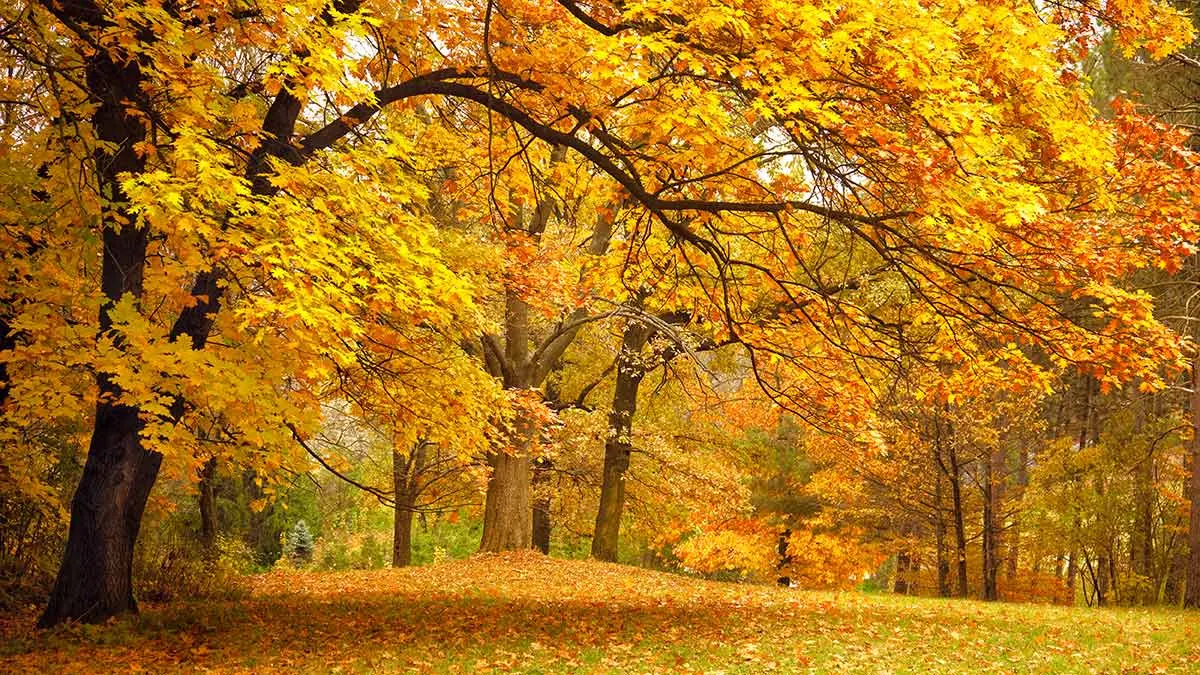
The transformation of foliage in Vancouver follows a predictable but weather-dependent schedule. While early signs of autumn appear in late September, the true spectacle of gold, orange, and crimson hues peaks during the latter half of October. By early November, many deciduous trees have shed their leaves, especially if the region experiences heavy wind or rainstorms common to the Pacific Northwest during this season.
To catch the peak, plan your outings between October 15 and October 31. This window offers the highest probability of seeing a diverse range of trees in full color. Keep in mind that elevation impacts timing; trees in the higher altitudes of the North Shore Mountains will turn and drop their leaves significantly earlier than those located at sea level in the downtown core or along the coast.
Why do leaves change color in Vancouver?
The change in leaf color is a biological response to the shortening days and cooling temperatures of autumn. As daylight hours decrease, trees reduce the production of chlorophyll, the pigment responsible for the green color in leaves. As the green fades, other pigments that were previously masked—such as carotenoids and anthocyanins—become visible, revealing the brilliant yellows, oranges, and reds characteristic of the season.
Vancouver’s unique climate plays a significant role in this process. The city’s temperate rainforest environment provides enough moisture to keep leaves healthy into the autumn, preventing them from drying out too quickly. However, a sudden frost or an unusually dry summer can alter the intensity of the colors. If the autumn remains mild and wet, the transition is often gradual and long-lasting, providing a spectacular backdrop for outdoor activities throughout the city.
Where are the best places to see fall colors?
Vancouver offers a variety of public spaces where the autumn foliage is exceptionally vibrant. Whether you prefer urban parks or forested trails, the city’s landscaping choices ensure that maples, oaks, and beeches are prominent throughout the metropolitan area.
- Stanley Park: Known for its massive maples and diverse tree canopy, the park’s interior trails provide a dense, colorful experience.
- VanDusen Botanical Garden: This curated space features international tree species that offer a wider palette of colors than native forests.
- Queen Elizabeth Park: The elevated position of this park offers both vibrant foliage and panoramic views of the city framed by autumn trees.
- UBC Botanical Garden: The Nitobe Memorial Garden and the surrounding forest trails are excellent for quiet, scenic walks among changing leaves.
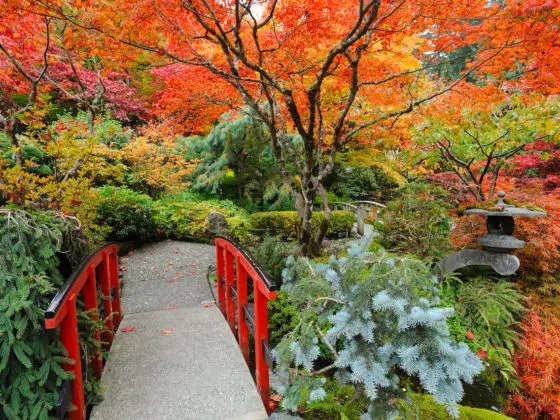
- Nitobe Memorial Garden: Famous for its Japanese maples, this spot reaches peak color slightly later in the season, often into early November.
How to photograph fall foliage effectively?
Capturing the beauty of Vancouver’s autumn requires a mix of technical preparation and timing. Lighting is the most critical element; the soft, diffused light of an overcast Vancouver morning is often superior to the harsh, direct sunlight of a clear afternoon. Avoid shooting in the middle of the day when shadows are deep and contrast is high.
- Use a polarizing filter to reduce glare on wet leaves, which makes the colors appear more saturated and vibrant.
- Experiment with low-angle shots to capture the contrast between the colorful canopy and the reflective surfaces of local ponds or puddles.
- Focus on individual leaves or small clusters to provide texture and detail, rather than just wide-angle landscape shots.
- Shoot during the "golden hour" shortly after sunrise or before sunset to enhance the warm tones of the foliage.
- Include a human subject or a landmark to provide a sense of scale and context to the massive size of the trees.
Common mistakes when viewing fall leaves
A frequent error visitors make is assuming that all trees change at the exact same time. Different species have different schedules; for instance, Japanese maples often turn brilliant red early, while large oaks may remain green until the very end of October. If you visit a location and find the trees are still green, look for sheltered spots or specific species that might be lagging behind the general trend.
Another common mistake is neglecting the weather forecast. Vancouver is known for its sudden autumn storms, which can strip a tree of its leaves in a single afternoon. If a heavy wind warning is issued, try to visit your chosen location immediately, as the window for viewing will likely close within hours. Finally, avoid wandering off designated paths in parks like Stanley Park; the ground can be slippery due to fallen leaves and moisture, and staying on the trail ensures you do not damage the delicate root systems of the trees you have come to admire. By preparing for the elements and timing your visit correctly, you will maximize your chances of experiencing the best of Vancouver’s autumn.
Key facts
- Peak autumn foliage in Vancouver typically occurs from mid-October through early November.
- Japanese maples are often the first to turn, displaying brilliant reds and oranges in late September.
- Deciduous trees like bigleaf maples and cottonwoods provide the most significant color shifts in local parks.
- Stanley Park is the premier location for viewing, as its diverse forest canopy offers a wide spectrum of seasonal hues.
- Cooler nighttime temperatures below 10°C (50°F) are the primary trigger for chlorophyll breakdown in leaves.
- Avoid visiting during heavy windstorms, as these often strip the trees of their leaves before they reach peak color intensity.
The bottom line
To experience Vancouver’s autumn at its best, plan your visit between mid-October and early November. Focus your time on Stanley Park or the city's many residential neighborhoods, where Japanese and bigleaf maples offer the most striking displays. Keep an eye on local weather reports, as heavy wind and rain can quickly end the season. Dressing in layers will ensure you stay comfortable while exploring the outdoors.
People also ask
Why do leaves change color in the fall?
As daylight hours shorten and temperatures drop, trees stop producing chlorophyll, the green pigment used for photosynthesis. This allows other pigments, such as carotenoids and anthocyanins, to become visible, resulting in yellow, orange, and red displays.
Read the full answer →Are there specific trees in Vancouver known for the best colors?
Japanese maples, vine maples, and bigleaf maples are the most sought-after for their vibrant red and gold foliage. Ginkgo trees, found frequently in downtown Vancouver, are also famous for turning a uniform, bright yellow.
Does the amount of rain affect the leaf-peeping season?
Excessive rainfall or early windstorms can cause leaves to drop prematurely, shortening the vibrant season. Moderate, dry autumn weather generally leads to a longer and more spectacular display of colors.
Which public parks offer the best autumn scenery?
Stanley Park, Queen Elizabeth Park, and VanDusen Botanical Garden are the top destinations for autumn photography. These locations feature a mix of native and ornamental trees specifically planted for seasonal variety.
Is it better to visit at the beginning or end of October?
Mid-to-late October is generally the sweet spot for peak color in the city. By early November, many trees have shed their leaves due to the typical increase in seasonal rainfall.
Can I pick up leaves in public parks to take home?
While collecting a few fallen leaves is usually acceptable, visitors should respect park regulations by not damaging trees or removing large quantities of organic matter. Always stay on designated paths to protect the root systems of the trees.
This answer was created with the help of AI research tools and reference sources. Spotted an error? Let us know — we correct mistakes quickly. See our editorial policy.