How is paper made?
Short answer
Paper is manufactured by breaking down plant fibers—typically wood pulp—into a watery slurry. This mixture is spread onto a fine mesh screen, where the fibers interlock as water drains away. The resulting wet web is pressed and dried through heated rollers, creating a continuous, smooth sheet of finished paper.
On this page
How is paper made from wood?
The process begins with harvesting timber, which is then debarked and chipped into small pieces. These chips are cooked in a chemical solution or ground mechanically to separate the cellulose fibers from lignin, the natural glue that holds wood together. This stage produces wood pulp, a fibrous mass that serves as the raw material for all paper products.
Once the pulp is prepared, it undergoes a bleaching process to achieve the desired whiteness and brightness. Manufacturers then add fillers, such as clay or calcium carbonate, to improve opacity and smoothness. Dyes or sizing agents are also introduced at this stage to control how the finished paper absorbs ink, ensuring that it meets specific requirements for printing or writing.
- Debarking and chipping logs into small pieces.
- Cooking chips to remove lignin and create pulp.
- Bleaching and refining the fibers for quality.
- Adding fillers and chemicals for texture and strength.
How does a paper machine work?
Modern paper machines are massive, complex systems that convert liquid slurry into dry paper in seconds. The process starts at the "wet end," where the pulp is sprayed onto a moving wire mesh belt. As the belt travels, water drains through the mesh, causing the fibers to mat together into a wet sheet.
The sheet then moves through a series of heavy press rollers that squeeze out remaining moisture and compact the fibers. Finally, the paper passes through a long section of steam-heated cylinders that evaporate the final traces of water. This drying process is critical, as it determines the final moisture content and physical stability of the paper before it is wound onto large master reels.
What are the different types of paper?
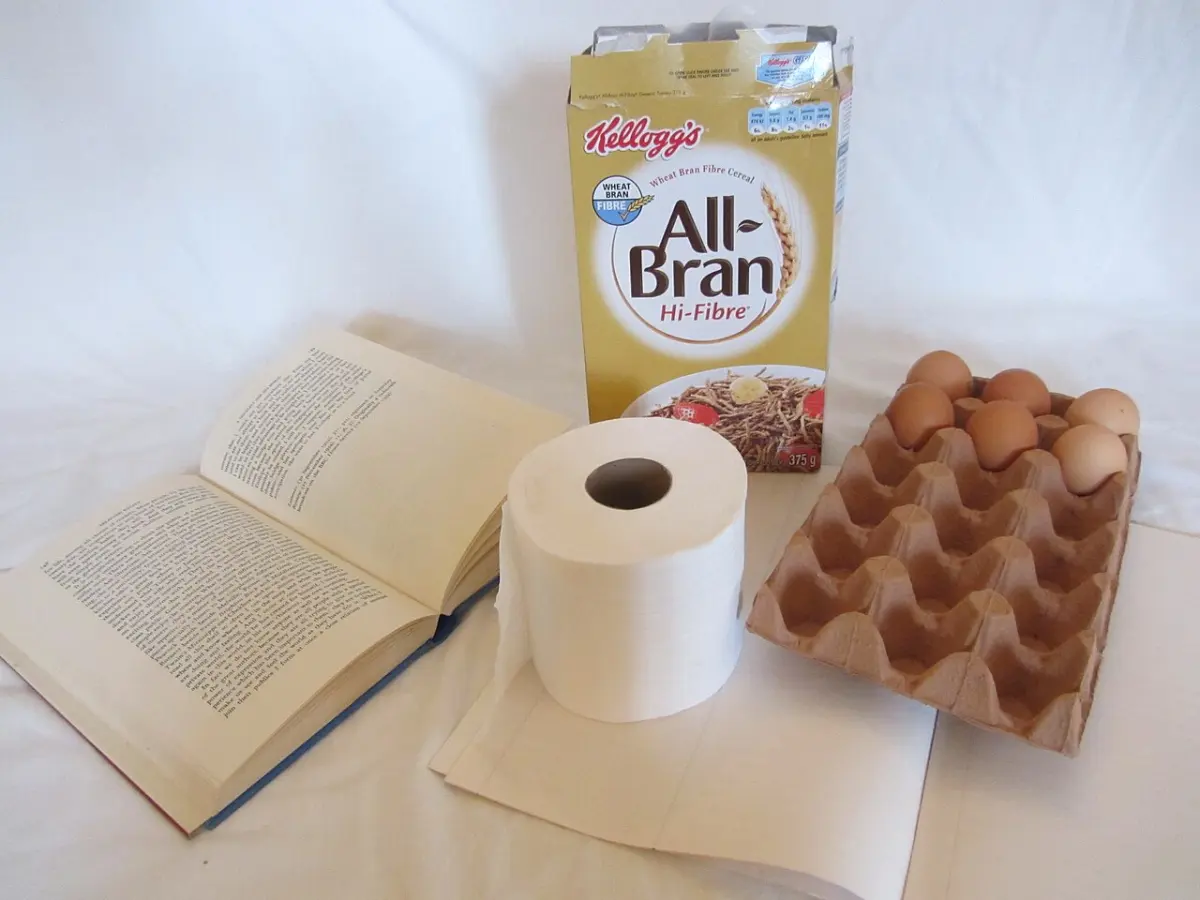
Paper is categorized based on its weight, surface finish, and intended use. Newsprint is a low-cost, unbleached paper made primarily from mechanical pulp, while high-quality bond paper uses long fibers and chemical pulping for durability. Coated papers, often used in magazines, receive a layer of pigment to create a glossy or matte finish that enhances image clarity.
Specialty papers, such as parchment or filter paper, undergo specific chemical treatments to achieve unique properties like heat resistance or porosity. Recycled paper is produced by de-inking and re-pulping post-consumer waste, which is then blended with virgin fibers to maintain structural integrity. Understanding these variations helps consumers choose the right material for tasks ranging from everyday printing to archival documentation.
- Newsprint: Lightweight, absorbent, and prone to yellowing.
- Bond Paper: Strong, durable, and standard for professional documents.
- Coated Paper: Smooth surface, ideal for high-resolution color printing.
- Cardstock: Thick, heavy paper used for covers and packaging.
How to make recycled paper at home?
Creating paper at home is a rewarding way to understand the mechanics of fiber bonding. You will need a blender, a rectangular frame with a fine mesh screen (a deckle), and a large basin of water. Start by shredding scrap paper into small bits and soaking them in warm water until they turn into a soft pulp.
- Blend the soaked scraps with water until the mixture is smooth.
- Pour the pulp into a large basin filled with water.
- Submerge the screen into the basin and lift it horizontally to catch the fibers.
- Carefully flip the wet sheet onto a flat towel and press it with a sponge.
- Allow the sheet to air dry completely for at least 24 hours.
Common mistakes when making paper?
A frequent error in papermaking is using too much pulp in the basin, which results in paper that is far too thick and brittle. If the sheet does not hold together, it is usually because the fibers were not blended long enough or the screen was lifted too quickly. Patience is essential, as the fibers need time to settle evenly across the mesh surface.
Another common mistake involves the drying phase. If you attempt to peel the paper off the surface before it is fully dry, it will likely tear or warp. Always ensure the paper is completely dehydrated before removing it from the drying cloth or board. Additionally, failing to clean your equipment immediately after use can lead to mold growth, as the organic pulp residue is highly susceptible to decay in damp conditions.
Key facts
- Paper is primarily composed of cellulose fibers derived from wood, cotton, or recycled paper products.
- The Fourdrinier machine, invented in 1803, remains the standard industrial method for continuous paper production.
- Approximately 90 percent of all paper is manufactured from wood pulp, requiring significant water usage for processing.
- To prevent ink from bleeding, manufacturers add sizing agents like starch or rosin during the pulp stage.
- Recycled paper fibers shorten each time they are processed, limiting the number of times a single sheet can be reused.
- Bleaching agents such as hydrogen peroxide are commonly used to achieve the bright white color required for standard printing paper.
The bottom line
Paper manufacturing is a precise mechanical and chemical process that transforms raw cellulose fibers into versatile sheets. By pulping wood or recycled materials, cleaning the slurry, and using high-speed machinery to press and dry the fibers, manufacturers create the essential medium for modern communication. Understanding this cycle highlights the importance of sustainable forestry and efficient recycling practices in maintaining our global supply of paper products.
People also ask
What is the difference between pulp and paper?
Pulp is the raw fibrous material extracted from wood or recycled sources, which is then suspended in water. Paper is the finished product created once that pulp is drained, pressed, and dried into a solid sheet.
Can you make paper at home without special equipment?
Yes, you can create handmade paper using a simple screen frame, a blender, and a vat of water. By soaking recycled paper scraps and blending them into a slurry, you can scoop the fibers onto the screen to form a new sheet.
Why does paper turn yellow over time?
Most paper contains lignin, a natural glue found in wood that binds fibers together. When exposed to light and oxygen, lignin oxidizes and breaks down, causing the paper to lose its brightness and turn yellow.
Is all paper made from trees?
No, paper can be manufactured from non-wood fibers such as hemp, bamboo, cotton, or agricultural waste like wheat straw. These alternatives are often used for specialty products or in regions where wood pulp is scarce.
How much water is used to make one sheet of paper?
Industrial production is water-intensive, often requiring several liters of water to process the fibers for a single sheet. Modern facilities mitigate this by recycling and filtering the water used throughout the manufacturing cycle.
What is the purpose of calendering in paper production?
Calendering is the process of passing the finished paper through heavy rollers to compress it. This step improves the paper's smoothness, thickness uniformity, and surface gloss, making it better suited for high-quality printing.
This answer was created with the help of AI research tools and reference sources. Spotted an error? Let us know — we correct mistakes quickly. See our editorial policy.