What is the Vancouver Aquarium known for?
Short answer
Located in Stanley Park, the Vancouver Aquarium is a premier marine science center renowned for its commitment to ocean conservation, rehabilitation, and education. It is Canada’s first public aquarium, famous for its rescued marine mammal program, diverse Pacific Northwest exhibits, and its role as a global leader in marine research and advocacy.
On this page
What is the history of the Vancouver Aquarium?
The Vancouver Aquarium opened its doors on June 15, 1956, marking a significant milestone as Canada’s first public aquarium. Founded by the Vancouver Public Aquarium Association, the facility was established with a mission to bring the mysteries of the ocean to the public while fostering a deep respect for aquatic life. Over the decades, it has evolved from a small local attraction into a world-class research and conservation hub.
The institution has undergone numerous expansions to accommodate its growing research mandate and public interest. Key historical developments include:
- 1956: The aquarium officially opens to the public in Stanley Park.
- 1964: The facility gains international fame for housing Skana, the first killer whale in a Canadian aquarium.
- 1980s: The focus shifts heavily toward conservation, education, and the rescue of stranded marine mammals.
- 2021: The aquarium transitions to a new ownership model under the Herschend Family Entertainment group to ensure long-term financial sustainability.
What are the most popular exhibits to see?
Visitors are primarily drawn to the aquarium’s focus on the unique biodiversity of the Pacific Northwest. The "BC Wild" gallery offers an immersive look at the coastal ecosystems of British Columbia, featuring salmon, rockfish, and sea stars. Another major highlight is the "Graham Amazon Gallery," which transports guests to a tropical rainforest environment complete with sloths, caimans, and free-flying birds.
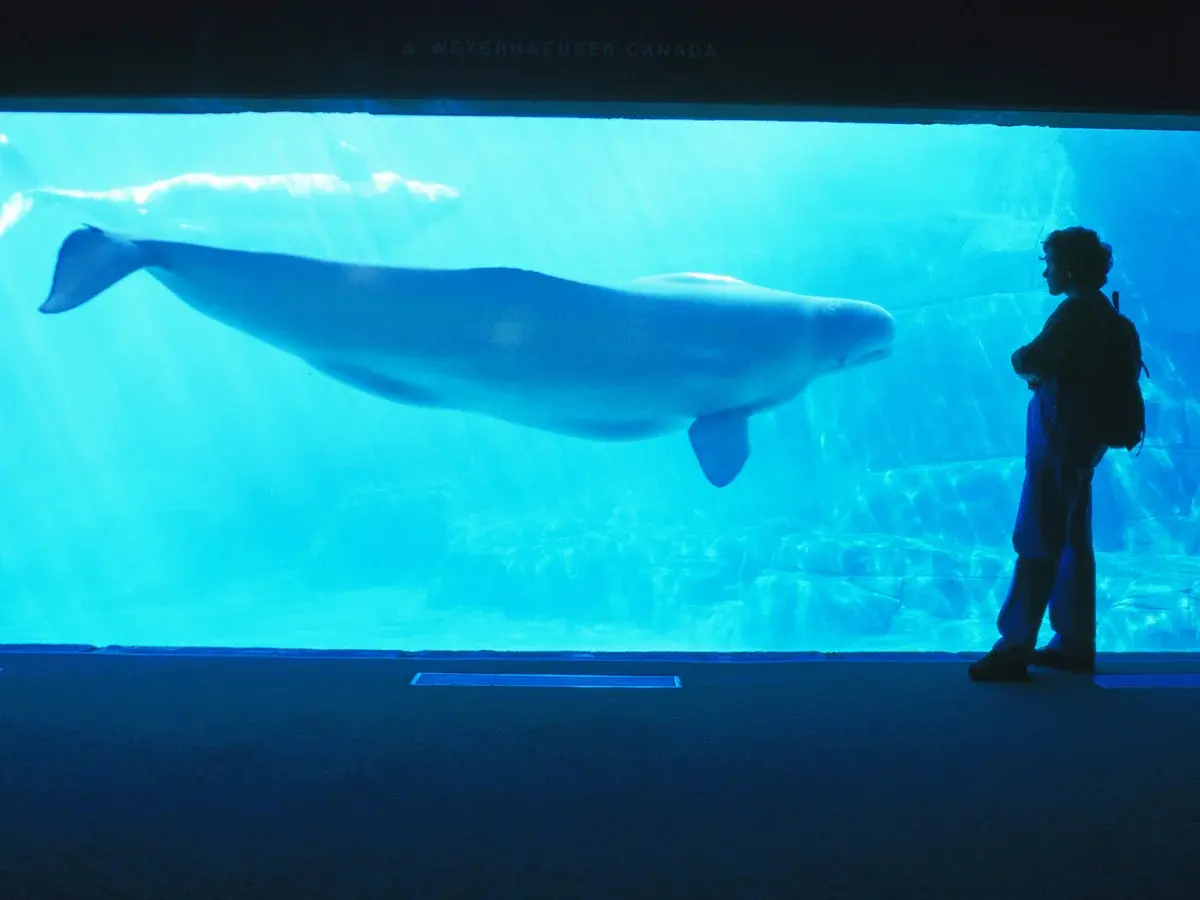
The marine mammal habitats remain the most iconic aspect of the visitor experience. These areas are designed to provide high-quality care for animals that cannot be returned to the wild due to injury or health issues. When planning your visit, prioritize these areas:
- The Steller Sea Lion habitat to observe these massive mammals up close.
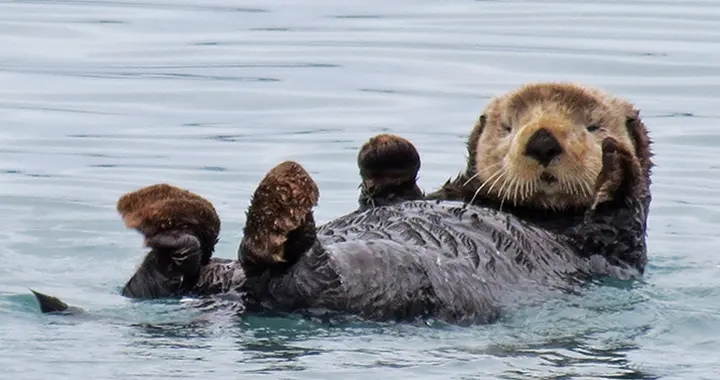
- The Sea Otter exhibit, which is frequently cited as a favorite for its interactive feeding sessions.
- The Jellyfish touch pools for a unique, tactile educational encounter.
- The outdoor viewing areas that provide scenic glimpses of Stanley Park’s lush greenery.
How does the aquarium support marine rescue?
The Vancouver Aquarium is widely recognized for its Marine Mammal Rescue Centre, the only facility of its kind in Canada. This specialized program is dedicated to the rescue, rehabilitation, and release of sick, injured, or orphaned marine mammals. Since its inception, the center has treated hundreds of animals, including harbor seals, sea otters, and porpoises, often working in tandem with the Department of Fisheries and Oceans Canada.
The rehabilitation process is rigorous and science-based, ensuring that every animal receives the specific care required for a successful return to the ocean. The center operates 24 hours a day during peak stranding seasons, relying on a team of expert veterinarians and trained volunteers. By focusing on rescue, the aquarium provides a vital safety net for marine life impacted by human activity, climate change, and habitat loss, serving as a beacon of hope for endangered species along the Pacific coast.
How can visitors make the most of their trip?
To ensure a smooth visit, it is essential to plan ahead, as the aquarium is a popular destination for families and tourists. Purchasing tickets online in advance is the most effective way to avoid long queues at the entrance. Because the facility is situated within the sprawling Stanley Park, consider combining your aquarium visit with a walk or bike ride along the famous Seawall to maximize your time in the area.
Common mistakes to avoid when visiting include:
- Arriving during peak mid-day hours on weekends, which leads to overcrowding in narrow exhibit galleries.
- Forgetting to check the daily schedule for animal feeding times and educational presentations.
- Rushing through the exhibits without reading the interpretive signage, which provides critical context on conservation efforts.
- Ignoring the weather forecast, as many of the best viewing areas are outdoors and exposed to the coastal elements.
Why is the aquarium considered a leader in research?
Beyond its role as a tourist attraction, the Vancouver Aquarium functions as a serious scientific institution. It collaborates with universities and government agencies to conduct groundbreaking research on ocean health, microplastics, and the impact of noise pollution on marine mammals. This scientific output informs global policy and helps shape public understanding of how individual actions—such as reducing plastic waste—directly affect the health of our oceans.
The aquarium’s commitment to education is equally robust, offering programs for students that emphasize environmental stewardship. By connecting the public with live animals, the institution fosters a sense of empathy that translates into long-term conservation advocacy. Whether through its sustainable seafood programs or its efforts to track whale populations, the Vancouver Aquarium remains a critical player in the global effort to protect marine ecosystems for future generations to explore and enjoy.
Key facts
- Opened in 1956 in Stanley Park, it was the first public aquarium in Canada.
- It operates the Marine Mammal Rescue Centre, which rehabilitates over 150 animals annually.
- The facility houses more than 65,000 animals representing over 300 different species.
- Visitors should book tickets online in advance to avoid long queues during peak summer months.
- The aquarium is a non-profit organization dedicated to ocean conservation and scientific research.
- Avoid tapping on the glass of animal enclosures, as the vibrations cause significant stress to the marine life.
The bottom line
The Vancouver Aquarium stands as a premier destination for marine education and wildlife rescue in Canada. By combining world-class exhibits of Pacific Northwest biodiversity with a robust commitment to ocean conservation, it offers a unique window into aquatic ecosystems. Whether you are observing rescued sea otters or learning about local marine research, the aquarium provides an engaging, educational experience for visitors of all ages in Stanley Park.
People also ask
Can I see sea otters at the Vancouver Aquarium?
Yes, the aquarium is famous for its sea otter habitat, where visitors can watch rescued otters swim and groom. These animals serve as ambassadors for their species and help educate the public about conservation.
Is the aquarium located inside Stanley Park?
Yes, it is situated in the heart of Stanley Park, a 405-hectare public park in Vancouver. It is easily accessible by bike, public transit, or a scenic walk along the Seawall.
Are there daily feeding demonstrations?
The aquarium hosts scheduled feeding times for various species, including sea otters and seals. It is recommended to check the daily schedule upon arrival to ensure you do not miss these educational presentations.
Does the aquarium focus on local marine life?
A significant portion of the exhibits is dedicated to the biodiversity of the Pacific Northwest. This includes displays featuring jellyfish, octopuses, and salmon native to the coastal waters of British Columbia.
Is photography allowed inside the exhibits?
Photography is permitted for personal use, but the use of flash is strictly prohibited. Flash photography startles the animals and interferes with their natural behavior and visibility.
How long should I plan to spend at the aquarium?
Most visitors spend between two and four hours exploring the various galleries and attending presentations. If you plan to watch multiple animal feedings, allow for extra time to navigate between the different zones.
This answer was created with the help of AI research tools and reference sources. Spotted an error? Let us know — we correct mistakes quickly. See our editorial policy.