What is the legend of King Arthur?
Short answer
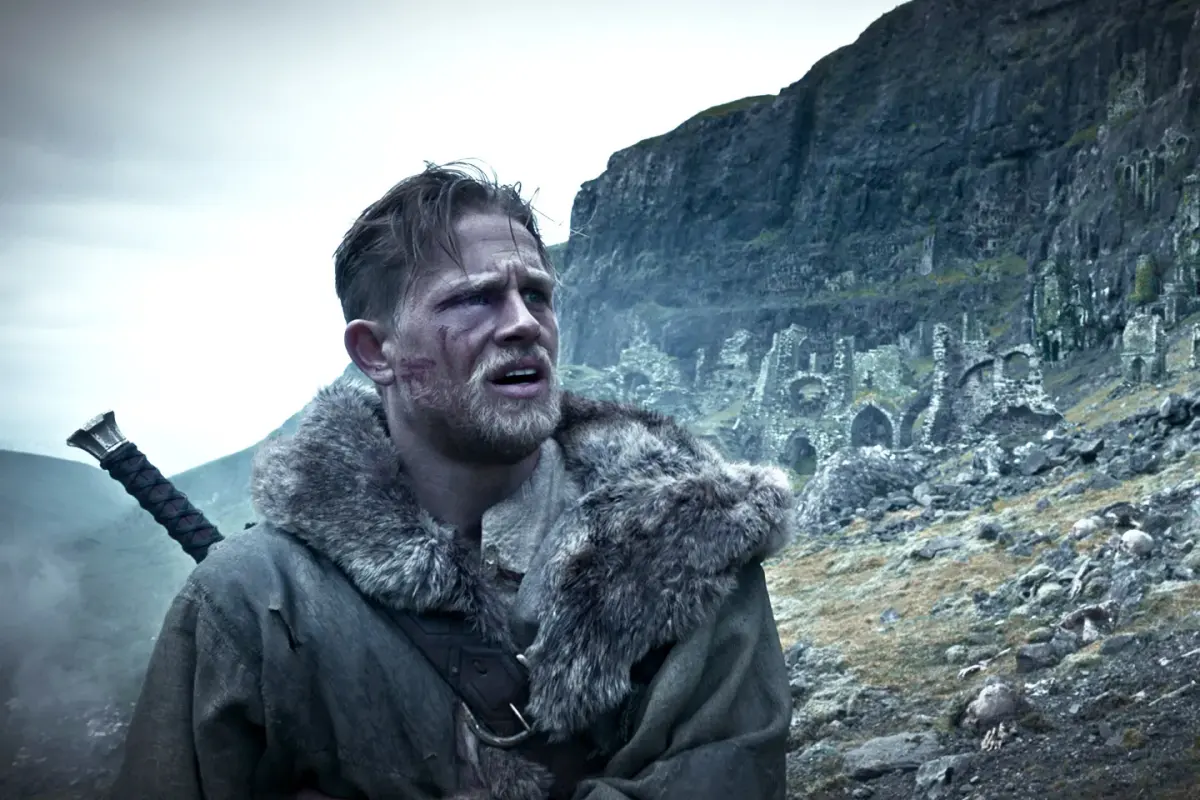
The legend of King Arthur is a foundational body of British folklore concerning a legendary 5th or 6th-century leader who defended Britain against Saxon invaders. Combining historical speculation with chivalric romance, the narrative centers on Arthur’s sword Excalibur, his court at Camelot, the Knights of the Round Table, and the quest for the Holy Grail.
On this page
Who was the real King Arthur?
Historians generally agree that there is no definitive archaeological evidence for a single historical King Arthur. The figure likely emerged from a composite of Romano-British military leaders who resisted the Anglo-Saxon migration during the late 5th and early 6th centuries. The earliest mentions appear in medieval texts such as the Historia Brittonum, attributed to Nennius, which lists twelve battles fought by Arthur, including the decisive Battle of Badon.
Over time, these sparse military records were transformed by Welsh poets and later continental writers into a fully realized monarch. By the 12th century, Geoffrey of Monmouth’s History of the Kings of Britain introduced the narrative framework that established Arthur as a global conqueror. While the historical reality remains elusive, the legend serves as a cultural bridge between the post-Roman era and the high medieval period of chivalry.
What are the key elements of the Arthurian legend?
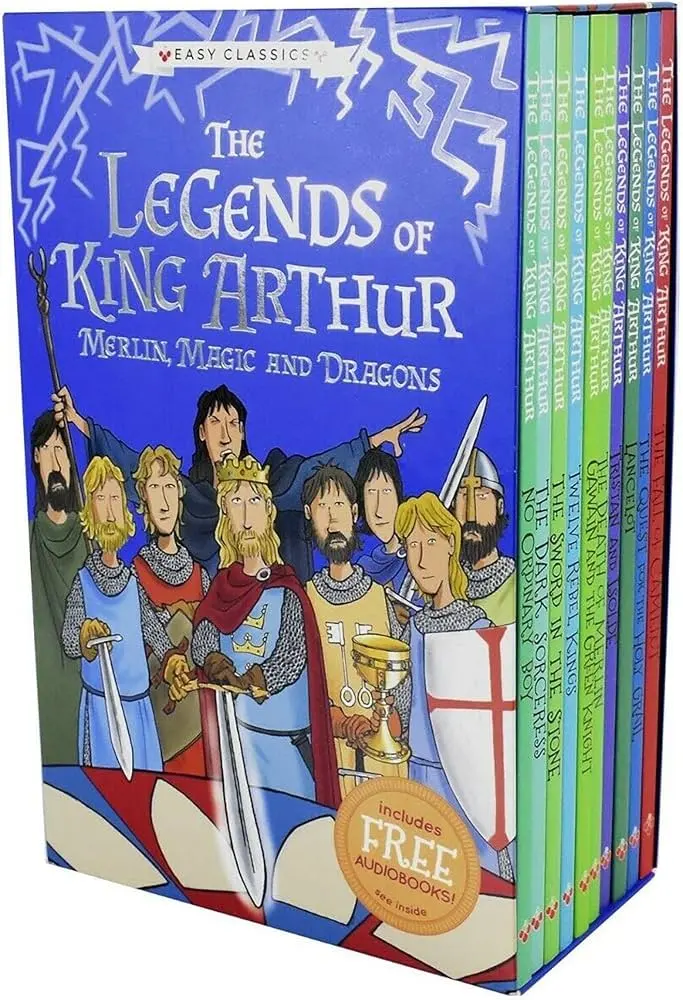
The core of the Arthurian cycle revolves around specific artifacts, locations, and archetypal characters that define the hero’s journey. These elements shifted as the legend evolved from grim war stories to the courtly romances of the 13th century. The most recognizable features include:
- Excalibur: The magical sword bestowed upon Arthur by the Lady of the Lake.
- Camelot: The legendary castle and court where Arthur gathered his knights.
- The Round Table: A symbol of equality among Arthur’s elite warriors.
- Merlin: The prophetic wizard who serves as Arthur’s mentor and advisor.
- Guinevere: Arthur’s queen, whose tragic affair with Lancelot precipitates the fall of the kingdom.
- The Holy Grail: The sacred vessel sought by the knights, representing spiritual purity.
These symbols are not merely props; they represent the moral and political ideals of the medieval nobility. The Round Table, for instance, was designed to prevent jealousy among knights by ensuring no one sat at the "head" of the table.
How did the legend change over time?
The Arthurian legend underwent a massive transformation during the Middle Ages, moving from Welsh folklore to European epic literature. Early Welsh tales depicted Arthur as a supernatural hunter or a fierce warrior fighting monsters. However, French writers like Chrétien de Troyes later reimagined him as a refined king presiding over an era of courtly love and sophisticated chivalry.
This evolution can be broken down into three major phases:
- The Early Chronicles: Focus on Arthur as a "Dux Bellorum" or military leader fighting against Germanic tribes.
- The Chivalric Romances: Shift the focus toward individual knights, courtly etiquette, and the romantic pursuits of characters like Lancelot and Percival.
- The Prose Cycles: These expansive works, such as the Mort d'Arthur by Sir Thomas Malory, synthesized various strands into a cohesive tragic narrative detailing the rise and eventual collapse of the Arthurian state.
Why does the legend end in tragedy?
The downfall of Camelot is a central theme that warns against the dangers of human frailty and betrayal. Despite the king’s efforts to establish a perfect society based on justice and honor, the internal discord within his court leads to civil war. The affair between Queen Guinevere and Sir Lancelot, Arthur’s greatest knight, creates a fracture in the loyalty that holds the Round Table together.
This betrayal forces Arthur to confront his own family, specifically his illegitimate son Mordred. The final conflict at the Battle of Camlann results in the death of Mordred and the mortal wounding of Arthur. The legend concludes with the king being taken to the mystical island of Avalon to heal, leaving behind a legacy that suggests he will return when Britain is in its greatest hour of need.
Common mistakes when studying Arthurian lore
Many readers mistakenly assume that all versions of the Arthurian story are consistent. Because the legend was compiled by different authors over several centuries, characters often possess conflicting motivations or origins. For instance, the role of Merlin changes drastically from a wild man of the woods in early Welsh tradition to a sophisticated political strategist in later French prose.
To better understand the legend, avoid these common misconceptions:
- Assuming the story is a single, unified text; always check the specific source or author, such as Malory or Geoffrey of Monmouth.
- Confusing historical reality with literary invention; treat the 5th-century military leader and the 13th-century romantic king as two distinct concepts.
- Overlooking the religious influence; many versions were heavily modified by Christian monks to emphasize themes of penance and the search for the Holy Grail, which were not present in the original pagan-influenced folklore.
By keeping these distinctions in mind, you can appreciate the legend as a living tradition that reflects the changing values of the societies that told it.
Key facts
- King Arthur is a legendary British leader who, according to medieval histories and romances, led the defense of Britain against Saxon invaders in the late 5th and early 6th centuries.
- The earliest written references to Arthur appear in 9th-century texts like the Historia Brittonum, which lists twelve battles he allegedly fought.
- Geoffrey of Monmouth’s 12th-century History of the Kings of Britain popularized the narrative, introducing figures like Merlin and Arthur’s father, Uther Pendragon.
- The legend evolved to include the Round Table, a symbol of equality among Arthur's knights, first mentioned by poet Wace in 1155.
- Sir Thomas Malory’s 1485 work, Le Morte d'Arthur, remains the definitive compilation of the legend, detailing the quest for the Holy Grail and the tragic love triangle between Arthur, Guinevere, and Lancelot.
- Scholars generally agree that there is no definitive archaeological evidence for a single historical King Arthur, suggesting he is likely a composite figure of various military leaders.
The bottom line
The legend of King Arthur is a foundational pillar of Western literature, blending historical memory with mythic heroism. While the figure lacks a verifiable historical identity, the stories of Camelot, the Round Table, and the quest for the Holy Grail provide enduring archetypes of leadership, chivalry, and tragedy. Understanding Arthur requires viewing him as a cultural symbol that has evolved through centuries of storytelling and artistic interpretation.
People also ask
Was King Arthur a real person?
Historians have found no contemporary evidence confirming the existence of a specific King Arthur. He is likely a literary construct based on folklore and the deeds of multiple Romano-British commanders who fought against Germanic tribes.
What is the significance of Excalibur?
Excalibur is Arthur’s magical sword, often associated with his divine right to rule. In many versions, he receives it from the Lady of the Lake, and it is returned to her after his final battle.
Who were the Knights of the Round Table?
The Knights were the elite warriors of Arthur’s court who upheld the code of chivalry. Famous members include Sir Lancelot, Sir Gawain, Sir Percival, and Sir Galahad, each representing different virtues.
Where is Camelot located?
Camelot is the fictional castle and court of King Arthur. It has no confirmed historical location, though medieval writers often associated it with sites like Cadbury Castle or Caerleon.
What happened to King Arthur at the end of his life?
According to legend, Arthur was mortally wounded by his son or nephew, Mordred, at the Battle of Camlann. He was then taken to the mystical island of Avalon to heal, with the promise that he would return when Britain needed him most.
Why is the Holy Grail important to the legend?
The quest for the Holy Grail—the cup used by Jesus at the Last Supper—became the ultimate test of the knights' spiritual purity. It serves as a narrative device to distinguish the virtuous knights from those who failed due to worldly sins.
This answer was created with the help of AI research tools and reference sources. Spotted an error? Let us know — we correct mistakes quickly. See our editorial policy.