How is canvas made?
Short answer
Canvas is a durable, plain-woven fabric traditionally crafted from heavy-duty cotton, linen, or synthetic fibers like polyester. Manufacturers create it by interlacing warp and weft threads in a tight, over-under pattern. Once woven, the fabric is often treated with sizing or gesso to provide a smooth, resilient surface for painting or industrial use.

On this page
How is canvas fabric manufactured?
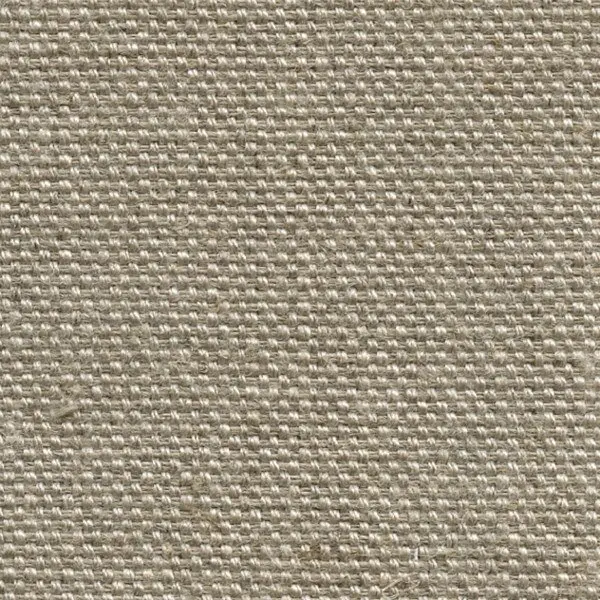
The production of canvas begins with the selection of raw fibers, most commonly cotton or linen. Cotton is preferred for its affordability and consistent texture, while linen, derived from the flax plant, is prized by fine artists for its superior strength and resistance to humidity. These fibers are spun into thick, high-tensile yarns that provide the fabric with its characteristic structural integrity and weight.
The weaving process utilizes a loom to interlace these yarns in a plain weave pattern. In this method, the weft thread passes over and under each warp thread in a simple, repeating sequence. This tight construction minimizes gaps between threads, resulting in a dense, uniform material that is inherently resistant to tearing and stretching. Once the loom completes the fabric, the raw canvas undergoes finishing processes, such as singeing to remove stray fibers or bleaching to ensure a clean, neutral base color.
What is the difference between raw and primed canvas?
Raw canvas is the material in its natural state immediately after weaving. It is highly absorbent and flexible, making it suitable for heavy-duty industrial applications like sails, tents, or durable bags. However, raw canvas is rarely used directly for painting because its porous surface would absorb oil-based pigments, causing the fabric to rot over time.
Priming is the essential process of sealing the canvas surface to protect the fibers and improve paint adhesion. For artists, this involves applying a layer of gesso, a mixture of binder, chalk, and pigment. This coating creates a barrier that prevents paint from sinking into the weave.
- Raw canvas: Highly absorbent, flexible, and prone to fiber decay if left unsealed.
- Primed canvas: Sealed, durable, and provides a controlled surface for pigment application.
- Gesso: A specialized primer that creates a smooth, archival-grade foundation for oil or acrylic paints.
How to choose the right canvas for painting?
Selecting the appropriate canvas depends largely on the medium and the desired texture of the final work. The weight of the canvas, measured in ounces per square yard, is a critical factor. A lighter weight, such as 7-ounce canvas, is sufficient for smaller projects, while 10-ounce or heavier fabrics are necessary for large-scale works to prevent sagging under the weight of thick paint layers.
Texture, or "tooth," is determined by the thickness of the yarns and the tightness of the weave. A fine-weave canvas is ideal for detailed portraiture, while a coarse, heavy weave is better suited for expressive, impasto-style painting where the texture of the fabric contributes to the visual depth.
- Determine the scale of your work to select the appropriate weight.
- Evaluate the "tooth" of the fabric based on your preferred painting style.
- Check the label for "archival quality" to ensure the material will not yellow or degrade over time.
How to stretch canvas onto a frame?
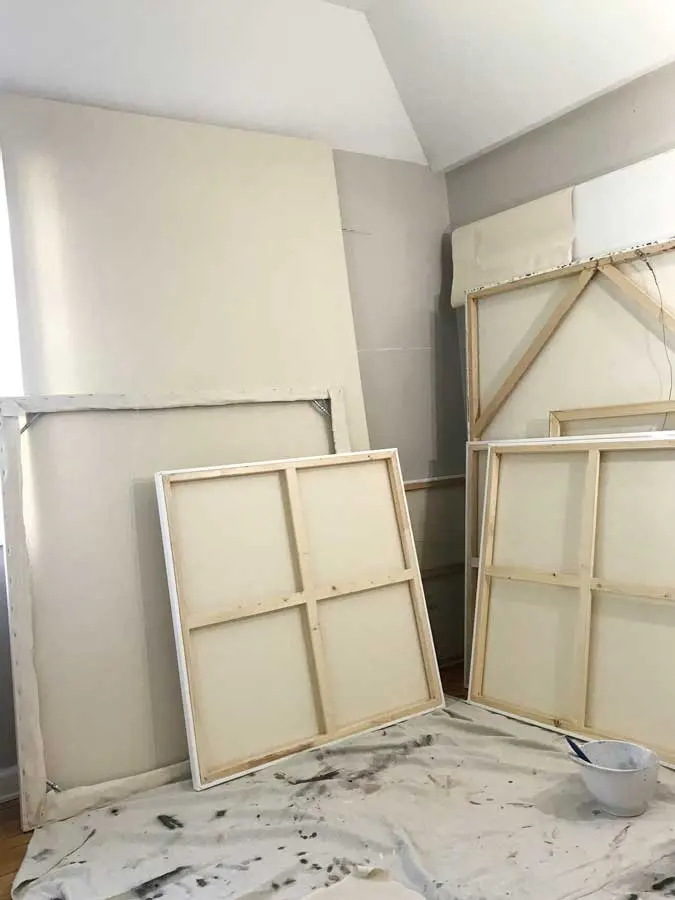
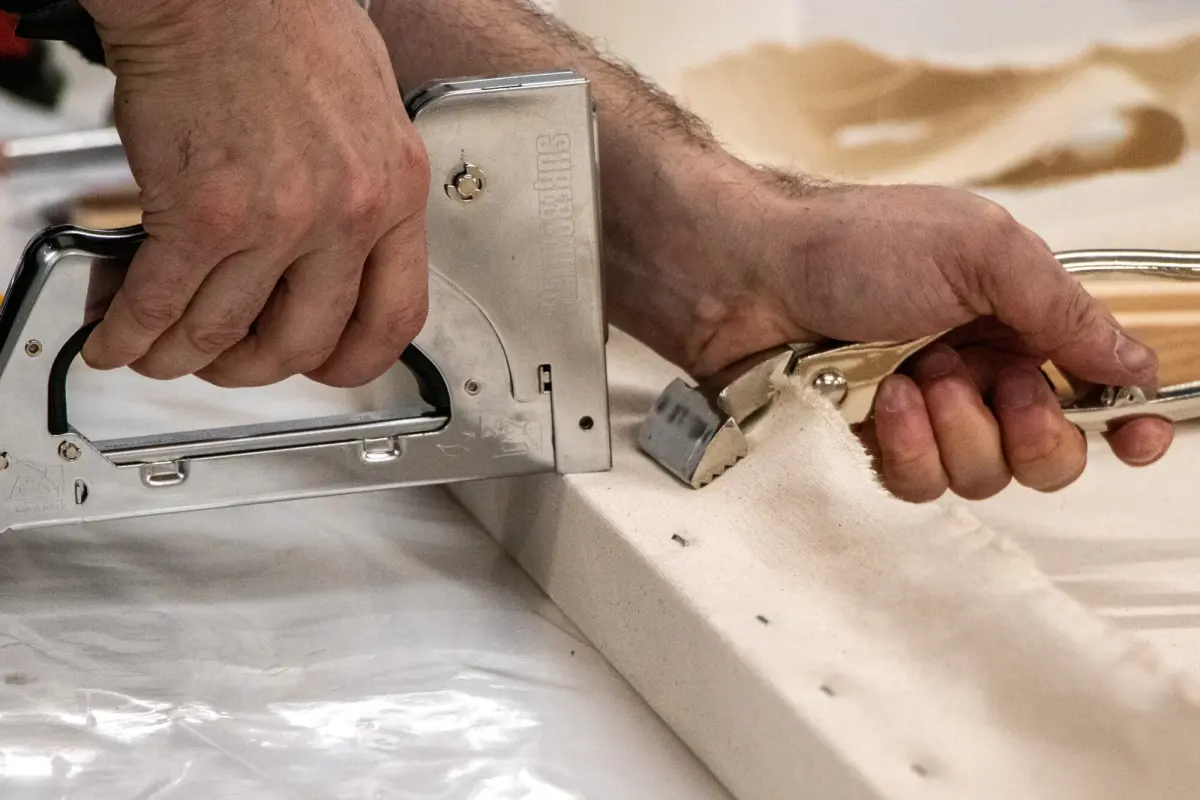
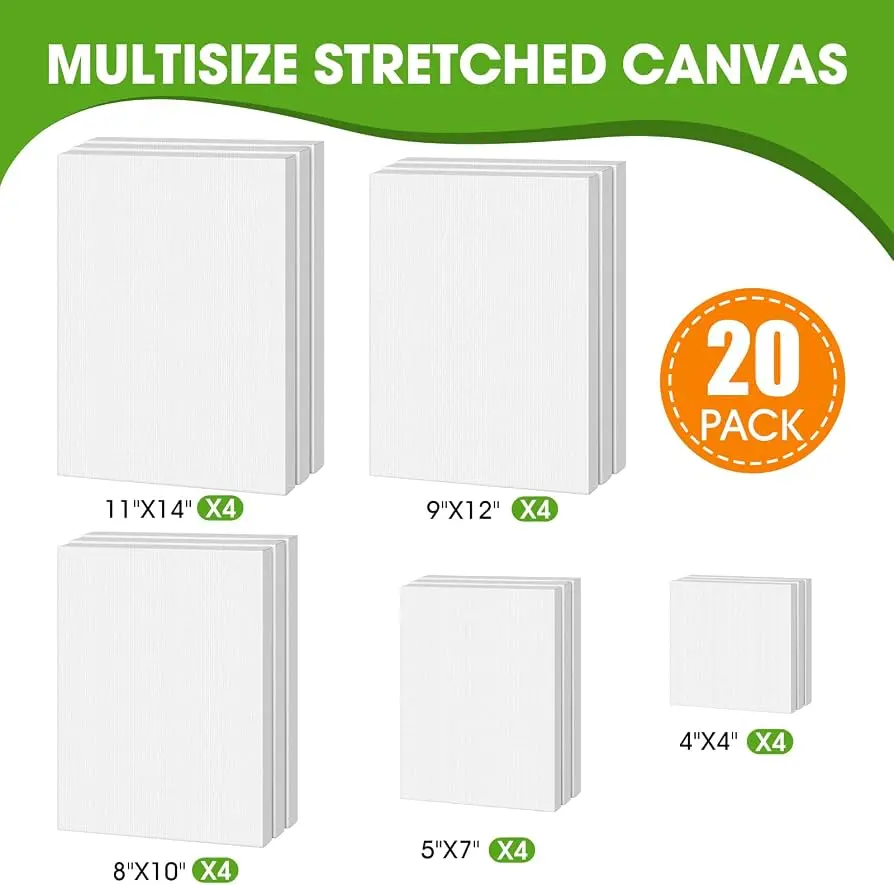
Stretching canvas is the process of mounting the fabric onto a wooden frame, known as stretcher bars, to create a taut, drum-like surface. This step is vital for ensuring the canvas remains flat and does not buckle during the painting process. Proper tensioning requires a methodical approach to prevent uneven pulling, which can warp the wooden frame or distort the fabric weave.
To stretch a canvas correctly, follow these steps:
- Place the stretcher bars on the back of the canvas and fold the edges over.
- Use a staple gun to secure the center of each side, moving from the middle toward the corners.
- Pull the fabric firmly to ensure even tension across the entire surface.
- Fold the corners neatly, ensuring the fabric is tucked tightly to create a crisp, professional edge.
- Insert wooden keys into the corners of the stretcher bars to adjust the tension if the canvas loosens over time.
Common mistakes when working with canvas?
The most frequent error when handling canvas is failing to account for environmental factors, particularly moisture. Because canvas is a natural fiber, it expands in humid conditions and contracts in dry air. If the canvas is stretched too tightly in a humid environment, it may tear when the air dries and the fabric shrinks. Conversely, loose canvas will sag, making it difficult to control brushstrokes.
Another common mistake is applying oil-based paints directly to unprimed canvas. The acidic nature of oil pigments will eventually degrade the fibers, leading to brittleness and potential canvas failure. Always ensure the canvas is properly sealed with a synthetic or acrylic gesso before beginning an oil painting. Additionally, avoid using low-quality staples or adhesives, as these can rust or degrade, causing the canvas to detach from the stretcher bars prematurely. By maintaining a consistent environment and using high-quality materials, you ensure the longevity of the canvas and the artwork it supports.
Key facts
- Canvas is traditionally made from heavy-duty cotton or linen fibers woven in a plain weave pattern for maximum durability.
- The term "canvas" derives from the Latin cannabis, reflecting its historical production from hemp fibers.
- Modern artists' canvas is often treated with "gesso," a primer consisting of chalk, gypsum, and pigment mixed with a binder.
- Duck canvas is a specific type of tightly woven, water-resistant fabric often used for tents, sails, and heavy-duty bags.
- When stretching canvas, always pull the fabric taut across the wooden frame to prevent sagging and ensure a flat painting surface.
- Avoid using acidic primers on linen canvas, as the acid can degrade the natural fibers over time and cause the artwork to yellow.
The bottom line
Canvas remains the gold standard for artists and industrial manufacturers due to its exceptional strength and versatile texture. By understanding the differences between natural fibers like linen and cotton, and applying the correct primer, you ensure the longevity of your work. Whether you are stretching your own fabric or purchasing pre-primed rolls, proper tension and environmental care are essential for maintaining a high-quality, stable surface.
People also ask
What is the difference between cotton and linen canvas?
Linen is made from flax fibers and is considered more durable and resistant to expansion than cotton. Cotton is more affordable and popular for beginners, though it is more prone to moisture-related stretching.
Why must canvas be primed before painting?
Priming creates a barrier between the paint and the raw fabric fibers. Without this layer, oil paints can rot the fabric, and acrylic paints will soak into the weave, requiring much more paint to cover the surface.
How do you determine the weight of canvas?
Canvas weight is typically measured in ounces per square yard. A higher ounce count indicates a heavier, thicker fabric suitable for large-scale works or industrial applications.
Can you paint directly on raw canvas?
While possible, it is generally discouraged for oil painting because the oil will eventually disintegrate the fibers. If you choose to paint on raw canvas, use acrylics or seal the fabric with a clear synthetic size first.
What is a "gallery wrap" canvas?
A gallery wrap involves stretching the canvas around the sides of the wooden stretcher bars and securing it on the back. This allows the artist to paint the edges, eliminating the need for an external frame.
How should canvas be stored?
Canvas should be stored in a cool, dry place away from direct sunlight. High humidity can cause the wooden frame to warp or the fabric to loosen, while UV light can fade the primer and paint.
This answer was created with the help of AI research tools and reference sources. Spotted an error? Let us know — we correct mistakes quickly. See our editorial policy.