How do you transfer a drawing to canvas?
Short answer
Transferring a drawing to canvas involves replicating your sketch onto a primed surface using methods like graphite tracing, grid enlargement, or carbon paper. These techniques ensure accurate proportions and structural integrity before painting. Choose a method based on your drawing's complexity and the desired level of detail for your final composition.
On this page
How to use graphite paper for tracing
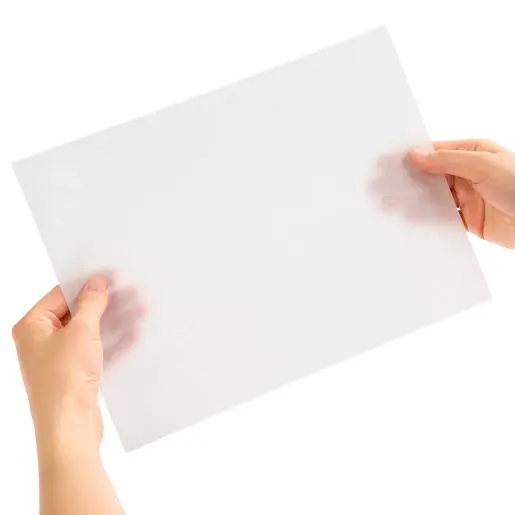
Graphite transfer paper is a clean, efficient tool for moving a preliminary sketch onto a canvas. To begin, place your drawing face-up on top of the graphite paper, which should be positioned with the carbon side facing the canvas. Secure both sheets to the canvas using painter’s tape to prevent shifting during the process. Using a sharp pencil or a stylus, trace over the lines of your drawing with firm, steady pressure. The graphite will leave a crisp, dark impression on the canvas surface, serving as a reliable guide for your brushwork.
This method is particularly effective for artists who want to maintain the exact scale of their original design. Because the transfer is permanent once painted over, ensure your lines are accurate before you start applying color. If you are worried about smudging, you can spray the canvas with a light coat of workable fixative once the transfer is complete. This locks the graphite in place and prevents it from mixing into your wet paint, which could otherwise muddy your colors.
How to use the grid method for resizing
The grid method is the gold standard for scaling a small drawing up to a larger canvas. Start by drawing a precise grid of squares over your original sketch using a ruler. Next, draw a grid of the same number of squares on your canvas, ensuring the ratio of the squares remains consistent. For example, if your drawing grid uses one-inch squares, a canvas grid with two-inch squares will result in a perfectly proportional image that is exactly twice the size of the original.
Once the grids are established, focus on drawing the contents of each individual square one at a time. This technique forces you to view your subject as a series of abstract shapes rather than a complex whole, which significantly improves accuracy.
- Use a light-colored pencil or watercolor pencil for the grid lines so they are easily covered by paint.
- Check your proportions frequently by stepping back from the canvas to view the overall composition.
- Erase or paint over the grid lines only after you are satisfied with the structural placement of your subject.
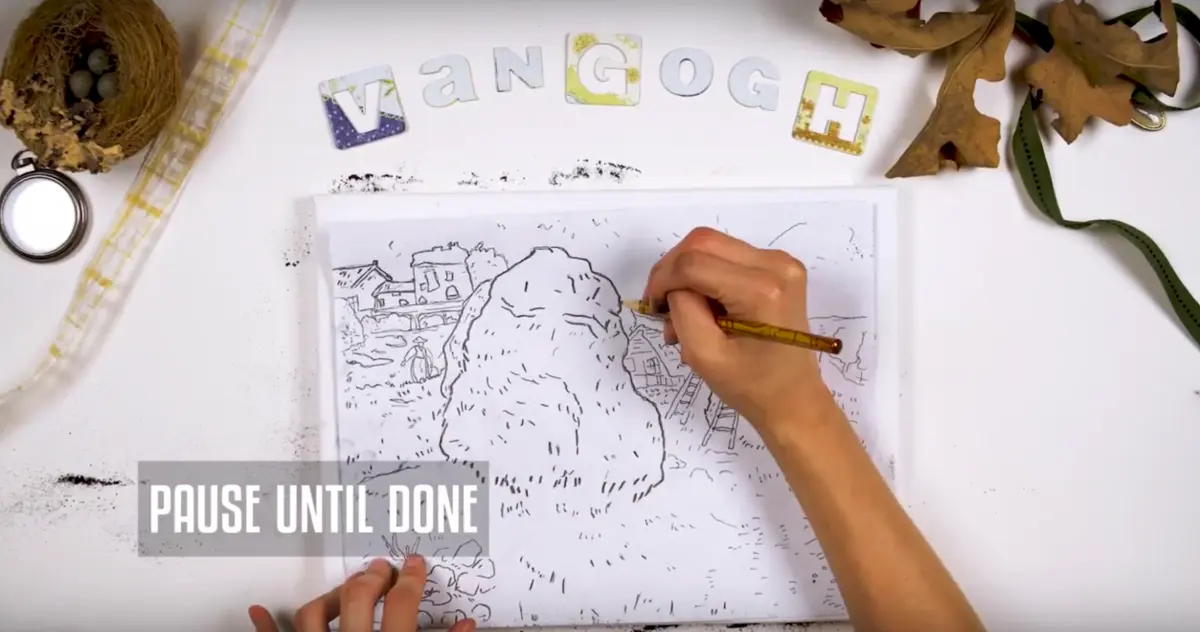
Best materials for transferring drawings
Selecting the right tools is essential for a smooth transfer process. For graphite tracing, high-quality transfer paper is preferable to standard carbon paper, as it is designed to be easily erased or painted over without leaving waxy residue. If you are working on a textured or large-scale canvas, a stylus with a rounded tip is superior to a sharp pencil, as it prevents the paper from tearing while you apply pressure. For the grid method, use a ruler with a metal edge to ensure perfectly straight lines that won't distort your final image.
When working on professional-grade primed canvases, consider using a light-gray watercolor pencil for your initial outline. These pencils are water-soluble, meaning they will blend seamlessly into your first layer of paint rather than resisting it like oil-based graphite can. Keep a kneaded eraser nearby to lift away any excess graphite or stray marks before you begin painting. Having a dedicated set of drafting tools, including a T-square and a soft-lead pencil, will make the preparation phase much more professional and reliable.
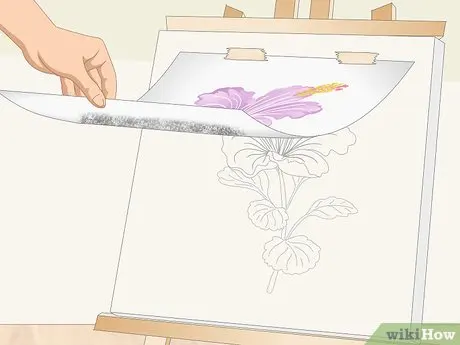
Common mistakes when transferring images
One of the most frequent errors is applying too much pressure during the tracing process. Excessive force can leave deep indentations in the canvas, which may show through even after several layers of paint are applied. Another common mistake is failing to secure the paper properly, which leads to "ghosting" or double lines if the reference sheet shifts while you are working. Always use masking tape to anchor your paper firmly, and take your time to check the alignment before you begin the final tracing.
It is also easy to lose focus when working on a large canvas, leading to distorted proportions. To avoid this, periodically view your work in a mirror or step back several feet to gain a fresh perspective. If you find that your transfer lines are too dark, you can gently dab them with a kneaded eraser to lighten them without removing the guide entirely. Remember that the transfer is merely a map; do not feel pressured to follow every single line if the composition requires minor adjustments during the painting phase.
Why drawing transfer is important
Transferring a drawing is a crucial step that bridges the gap between conceptualization and execution. By establishing the composition and proportions on the canvas beforehand, you eliminate the stress of "drawing with a brush," allowing you to focus entirely on color, value, and texture once the painting begins. This preparation is especially vital for complex subjects like portraits or architectural scenes where anatomical or structural accuracy is paramount. It provides a safety net that allows for experimentation with paint application without the fear of ruining the underlying structure.
Ultimately, this process saves time and prevents frustration by ensuring that the foundation of your work is sound. Whether you are a beginner learning the basics of composition or an experienced painter managing a large-scale mural, the act of transferring a drawing helps you visualize the final outcome. It allows you to refine your ideas, correct mistakes in the planning stage, and approach the canvas with confidence. Mastering these techniques will significantly improve the quality of your finished artwork and streamline your creative workflow for years to come.
Key facts
- Graphite transfer paper is the most common tool for moving sketches onto canvas without damaging the surface.
- The grid method allows artists to scale drawings accurately by dividing both the reference and the canvas into equal squares.
- Using a soft lead pencil (2B or 4B) on the back of your sketch provides enough graphite to create a clear impression.
- Projectors are the fastest way to transfer complex, large-scale compositions onto a canvas surface.
- Avoid using ballpoint pens for tracing, as they can leave deep indentations or permanent marks on the canvas texture.
- Always prime your canvas with gesso before transferring to ensure the graphite adheres properly and does not smudge.
The bottom line
Transferring a drawing to canvas is a foundational skill that bridges the gap between initial concept and final painting. Whether you choose the precision of the grid method, the speed of a projector, or the simplicity of graphite paper, the goal is to establish a clear guide without damaging the canvas. By preparing your surface correctly and working patiently, you ensure a professional start to your artwork.
People also ask
Can I use carbon paper instead of graphite paper?
You can, but carbon paper is often waxy and permanent, making it difficult to paint over or erase if you make a mistake. Graphite paper is preferred because it blends easily with oil and acrylic paints.
How do I prevent my drawing from smudging during the transfer process?
Secure your sketch to the canvas using low-tack painter's tape to prevent shifting. Avoid resting your hand directly on the paper while tracing to keep the graphite from transferring to unintended areas.
Is it better to draw directly on the canvas or transfer a sketch?
Transferring a sketch is generally safer because it allows you to refine your composition on paper first. This prevents excessive erasing on the canvas, which can damage the fabric's tooth and texture.
What should I do if the transfer lines are too dark?
Use a kneaded eraser to gently lift excess graphite until the lines are faint enough to be covered by your first layer of paint. Do not rub aggressively, as this can degrade the canvas surface.
Can I transfer a drawing to a canvas that is already painted?
Yes, but you must ensure the surface is completely dry and smooth. If the surface is too glossy, you may need to lightly sand it or apply a thin coat of clear gesso to help the graphite grip.
How do I scale a small drawing to a large canvas?
The grid method is the most reliable manual technique for scaling. By drawing a grid of equal ratios on both your reference and your canvas, you can map out proportions accurately regardless of size differences.
This answer was created with the help of AI research tools and reference sources. Spotted an error? Let us know — we correct mistakes quickly. See our editorial policy.