What is tracing paper used for?
Short answer
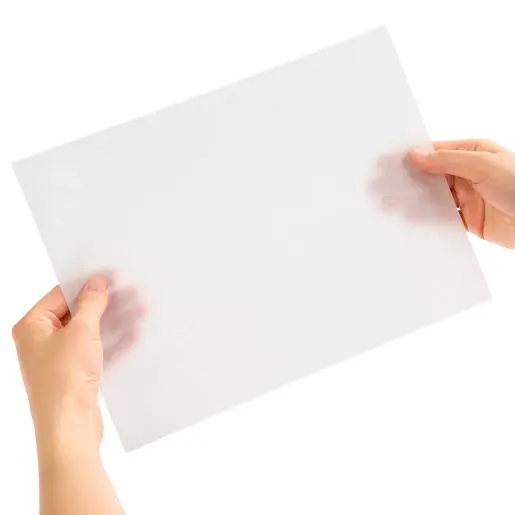
Tracing paper is a translucent, lightweight paper used to copy images, technical drawings, or sketches. By allowing light to pass through, it enables artists, architects, and engineers to accurately replicate designs or overlay layers for revisions. Its smooth, non-porous surface is ideal for graphite, ink, and markers during the drafting process.
On this page
What is tracing paper made of?
Tracing paper is manufactured through a specialized process that involves heavy beating of chemical wood pulp. This mechanical refinement breaks down the fibers until they are extremely fine and uniform, which eliminates the air pockets that typically make standard paper opaque. Once the fibers are densely matted, the paper is passed through heavy rollers to create a smooth, translucent finish.
Unlike standard bond paper, tracing paper is not coated with wax or oil to achieve its transparency. Instead, its translucency is an inherent property of the dense fiber structure. This makes it archival and resistant to yellowing over time, provided it is stored away from direct sunlight. Because it lacks the porous surface of regular paper, it does not absorb ink or graphite in the same way, allowing for easier corrections and cleaner lines.
How to use tracing paper for drawing
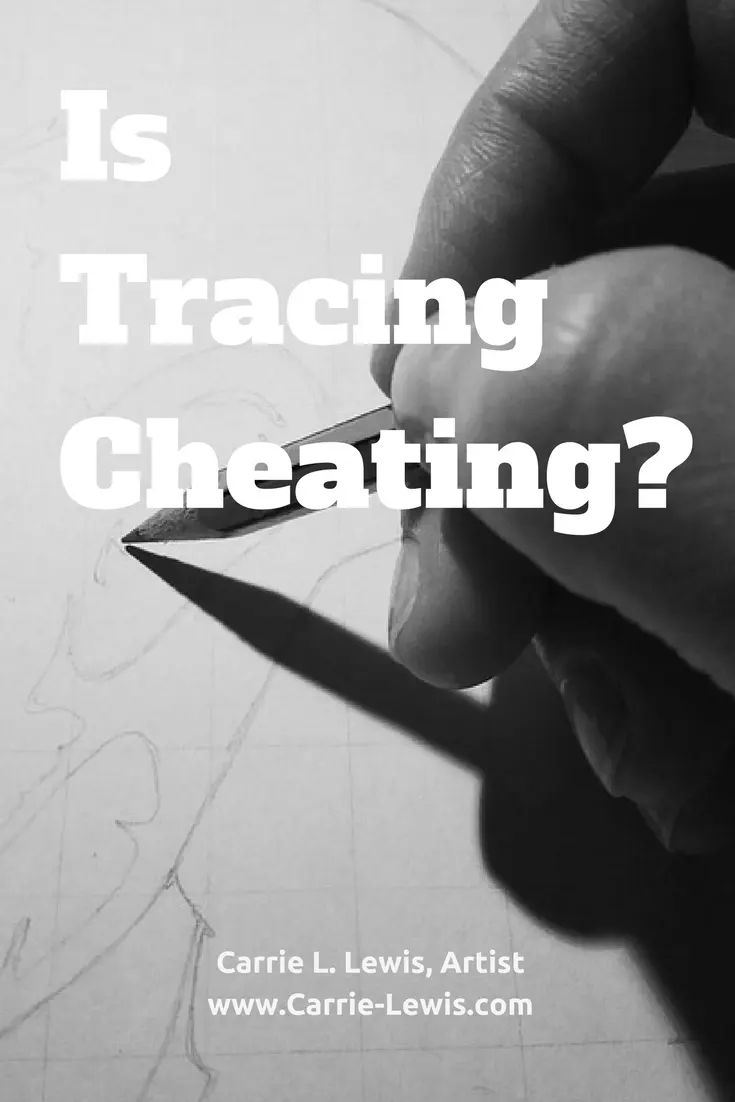
Tracing paper is an essential tool for artists looking to refine compositions or transfer sketches onto final surfaces. By placing the translucent sheet over an original drawing, you can trace the primary contours, adjust proportions, or experiment with new details without damaging the source material. This layering technique is particularly useful for complex illustrations that require multiple iterations.
To achieve the best results when tracing, follow these steps:
- Secure your source drawing to a flat surface using drafting tape or low-tack masking tape.
- Place the tracing paper over the source and tape down the top edge to create a hinge, allowing you to lift the paper to check your progress.
- Use a sharp, hard-lead pencil, such as a 2H or 4H, to ensure fine, precise lines that do not smudge easily.
- If you need to transfer the drawing to another surface, shade the back of the tracing paper with soft graphite and place it over your final paper, then trace over your lines again to create an impression.
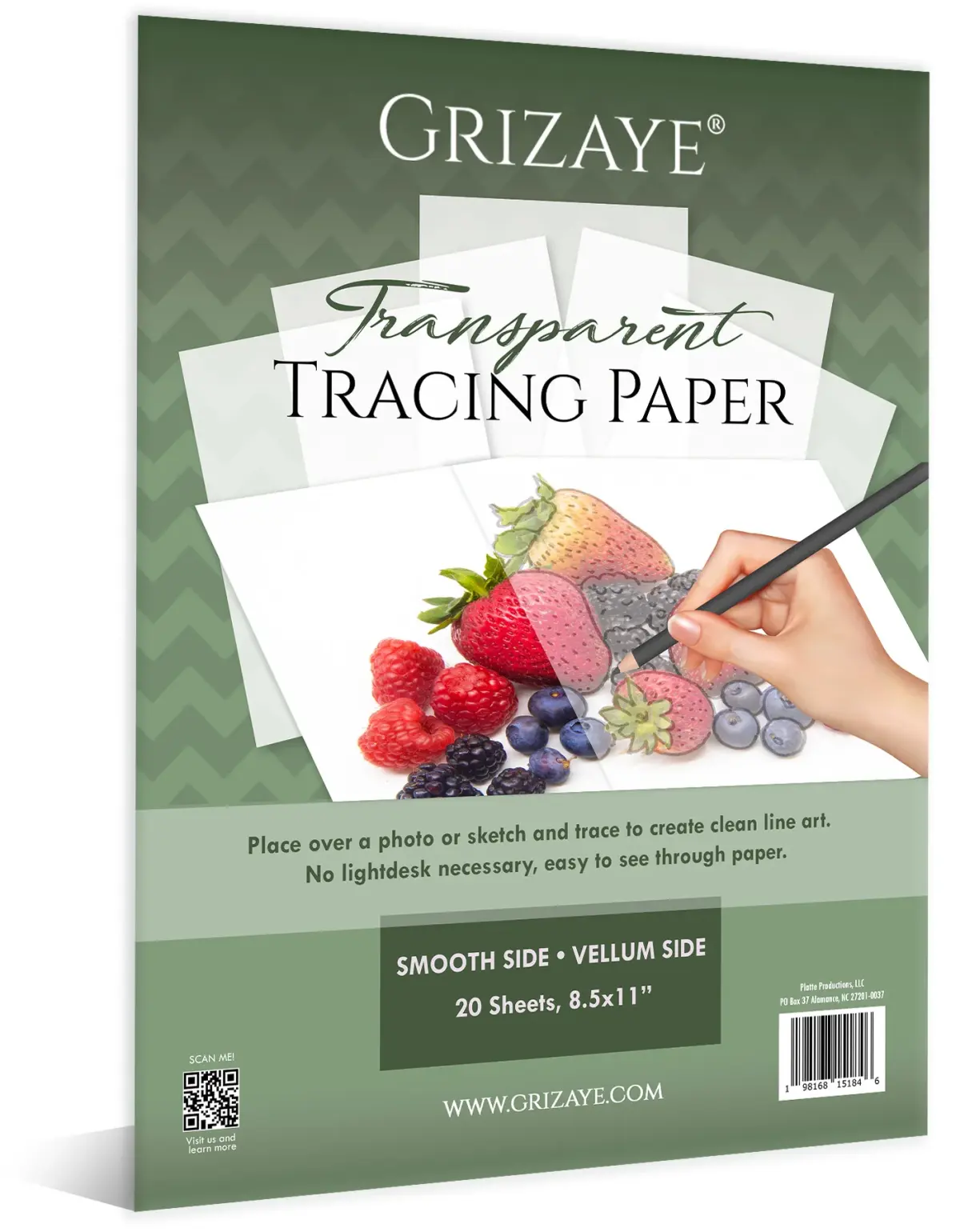
Why architects use tracing paper in design
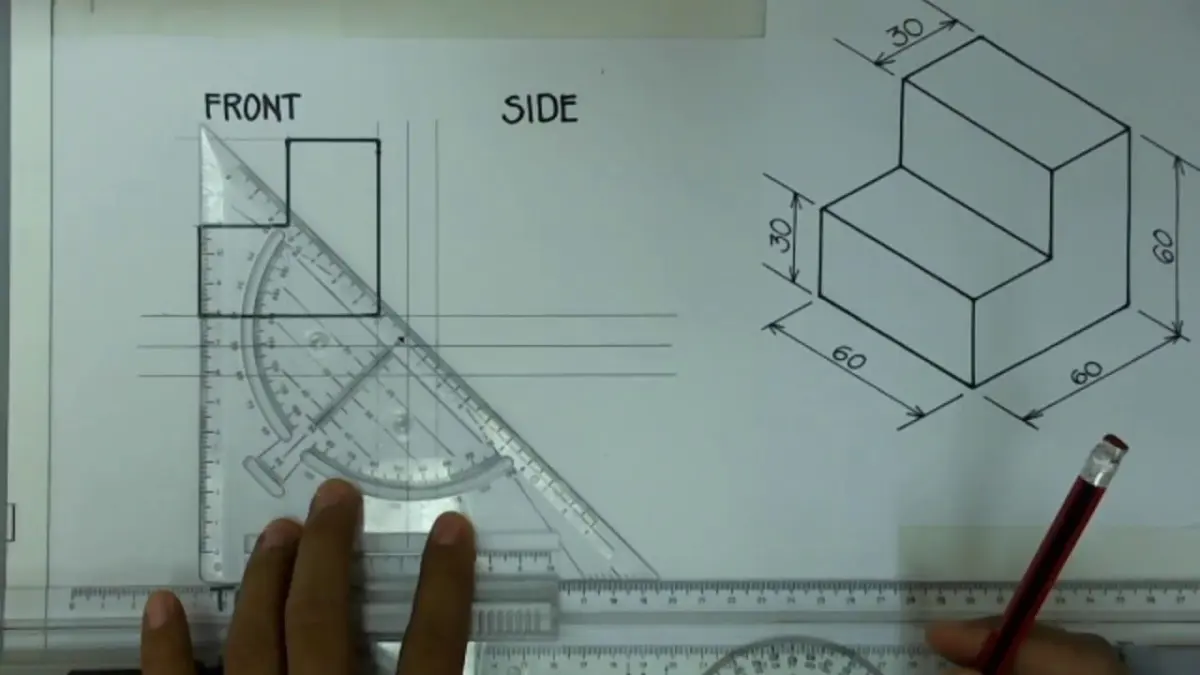
Architects and engineers rely on tracing paper, often referred to as "yellow trace" or "bumwad," for the rapid development of floor plans and structural concepts. The paper’s transparency allows professionals to layer multiple sheets over a base grid or site plan. This enables the iterative process of sketching, erasing, and redrawing without needing to restart the entire project from scratch.
The thin nature of the paper makes it cost-effective for high-volume drafting. Architects typically use it to:
- Overlay structural systems onto architectural layouts.
- Sketch quick perspectives or interior details during client meetings.
- Refine complex geometries by stacking multiple transparent sheets.
- Protect final blueprints from smudges while making minor annotations.
Because it is lightweight, it can be easily folded or rolled, making it a practical choice for transporting large-scale conceptual drawings between offices and construction sites.
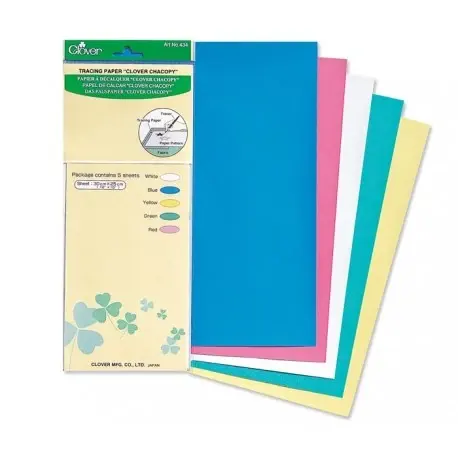
Common mistakes when using tracing paper
One of the most frequent errors users make is using a pencil that is too soft. Because tracing paper is non-porous, soft graphite—such as a 6B or 8B—will sit on the surface rather than binding to the fibers, leading to significant smudging. Always opt for harder leads to maintain clean, crisp edges that remain intact during handling.
Another common mistake involves the use of improper adhesives. Because the paper is delicate and translucent, using heavy-duty tapes or glues can cause tearing or create unsightly, permanent marks that show through the sheet. When working with markers or ink, users often forget that the paper has a limited absorption rate. Applying too much ink can cause the paper to buckle or warp, ruining the drawing surface. To avoid this, always test your pens on a scrap piece of the same paper before starting your final work to ensure the ink dries properly without bleeding or feathering.
Best tracing paper for beginners
For those new to the medium, selecting the right weight and texture is crucial for a successful experience. Tracing paper is generally sold by weight, typically ranging from 25 to 50 pounds. Beginners should start with a medium-weight sheet, which is durable enough to withstand repeated erasing but thin enough to provide excellent transparency for detailed work.
When shopping for your first pad, consider these factors:
- Surface texture: Look for a smooth, vellum-like finish that prevents your pen or pencil from catching on the fibers.
- Size: A 9x12 inch pad is usually sufficient for most practice sketches and technical exercises.
- Archival quality: Ensure the packaging specifies that the paper is acid-free to prevent discoloration if you decide to keep your practice sketches long-term.
- Pad vs. loose sheets: Buying a pad is highly recommended for beginners as it keeps the paper flat and protected from dust or accidental creases before use.
By starting with these basic supplies, you can master the fundamental techniques of layering and tracing before moving on to more specialized drafting materials or larger formats.
Key facts
- Tracing paper is manufactured by soaking high-quality cellulose fibers in sulfuric acid, which creates a translucent, non-porous surface.
- Architects and engineers traditionally use the paper to create overlays for technical drawings, allowing them to refine designs without redrawing the base layer.
- Artists use the paper to transfer sketches onto canvas or wood panels by rubbing graphite on the back of the tracing.
- The paper is highly resistant to ink bleeding, making it ideal for technical pens and fine-line markers.
- When tracing, always secure the paper with low-tack drafting tape to prevent shifting and smudging.
- Avoid using heavy erasers on tracing paper, as the thin, delicate fibers tear easily under friction.
The bottom line
Tracing paper is an essential tool for designers, artists, and students who need to replicate or refine complex imagery. Its unique translucent quality allows for precise layering and design iteration. By using the correct drawing tools and securing the sheet properly, you can achieve professional results. Whether you are transferring a sketch or drafting a technical blueprint, this specialized paper remains a staple in creative workflows.
People also ask
Can you put tracing paper through a standard home printer?
Yes, but you must check your printer’s manual to ensure it can handle lightweight, translucent media. Always use the "manual feed" tray to prevent paper jams caused by the paper's slick surface.
Is tracing paper the same as vellum?
While often used interchangeably, true vellum is a high-quality, durable paper that is thicker and more opaque than standard tracing paper. Tracing paper is specifically processed to be semi-transparent for light transmission.
Why does my ink smudge on tracing paper?
Tracing paper is non-porous, meaning ink sits on the surface rather than soaking in. Use quick-drying pigment-based pens and avoid touching the lines until they are completely dry.
Can tracing paper be recycled?
Because tracing paper is treated with acid during manufacturing, it often cannot be recycled with standard office paper. Check your local municipal guidelines, as the chemical treatment often disqualifies it from standard paper recycling streams.
How do I keep my tracing paper from wrinkling?
Wrinkling usually occurs due to humidity or excessive moisture from pens. Store your paper in a cool, dry place and use minimal amounts of water-based media to maintain the paper's structural integrity.
What is the best pencil to use for tracing?
Hard-lead pencils, such as 2H or 4H, are best because they produce sharp, clean lines that do not smudge easily. Softer leads like 2B will create thick, dusty graphite lines that smear when you move your hand.
This answer was created with the help of AI research tools and reference sources. Spotted an error? Let us know — we correct mistakes quickly. See our editorial policy.