What is cross-stitch?
Short answer
Cross-stitch is a popular form of counted-thread embroidery that uses X-shaped stitches to create images or patterns on an even-weave fabric. By following a grid-based chart, crafters replicate designs by placing stitches into specific squares. It is a versatile, relaxing craft accessible to beginners and experienced needleworkers alike.
On this page
What is the history of cross-stitch?
Cross-stitch is one of the oldest forms of embroidery, with evidence of its practice dating back to the Middle Ages. It gained significant popularity in Europe during the 16th century, particularly through the creation of "samplers." These were pieces of fabric used by young women to practice and record various stitches, patterns, and alphabets, which served as reference guides for their future needlework projects.
The craft evolved significantly with the introduction of printed patterns in the 19th century. Companies began producing charted designs on grid paper, which standardized the process and allowed for more intricate, artistic compositions. Today, the hobby remains a global phenomenon, supported by a vast community of designers who create digital patterns. These modern charts often blend traditional techniques with contemporary aesthetics, ranging from minimalist geometric shapes to complex, photorealistic portraits.
How to start cross-stitching for beginners
Getting started with cross-stitch requires minimal equipment, making it an affordable entry point into the textile arts. The core materials consist of a needle, embroidery floss, and a piece of fabric known as Aida cloth. Aida is specifically designed for this craft, featuring a grid of holes that makes it easy to maintain uniform stitch size and placement.
To begin your first project, follow these essential steps:
- Cut your fabric to size, leaving at least two inches of margin on all sides.
- Find the center of your fabric by folding it in half twice and marking the middle point.
- Separate one strand of embroidery floss from the six-ply thread and thread your needle.
- Secure your thread on the back of the fabric without using knots, which can create unsightly bumps.
- Bring the needle up through a hole, cross diagonally to the opposite corner, and complete the "X" shape.
What supplies do you need?
Building a basic kit requires only a few high-quality items to ensure a pleasant experience. While many craft stores sell pre-packaged kits containing everything necessary, assembling your own collection allows for greater customization. Selecting the right materials prevents frustration and ensures your finished piece remains durable for years to come.
- Aida cloth: Available in different "counts" (e.g., 14-count, which means 14 stitches per inch).
- Embroidery floss: Cotton thread, with brands like DMC being the industry standard for colorfastness.
- Tapestry needles: These have a blunt tip to slide easily into the fabric holes without piercing the fibers.
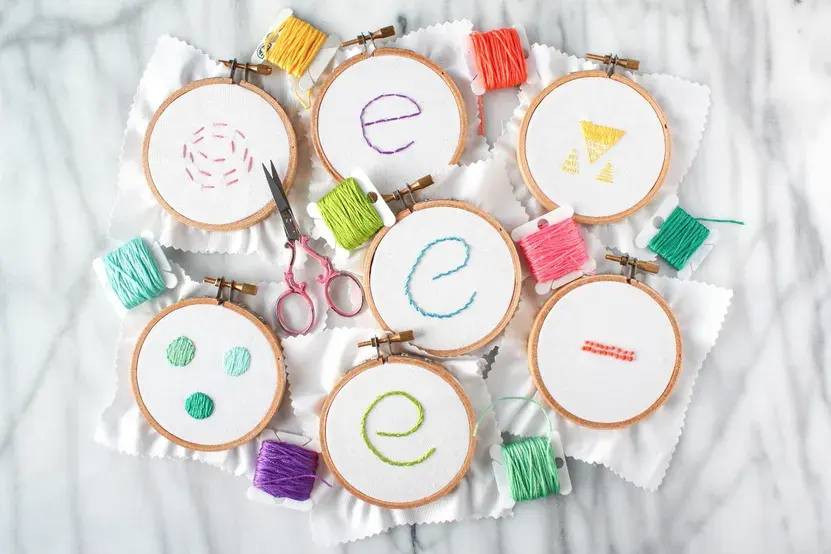
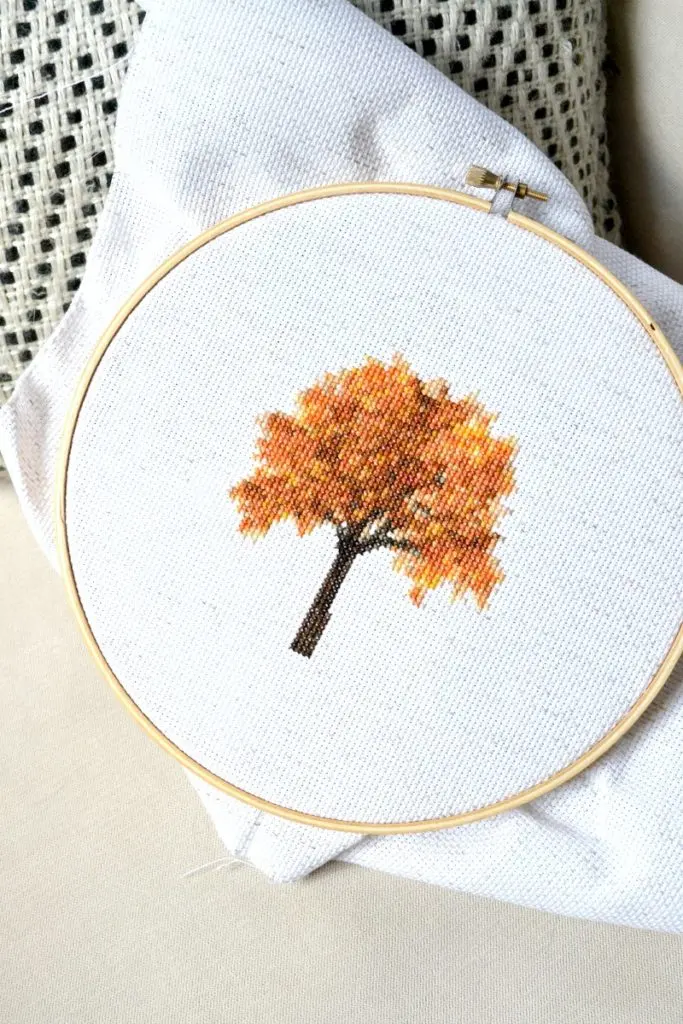
- Embroidery hoop: A wooden or plastic frame that keeps the fabric taut while you work.
- Embroidery scissors: Small, sharp blades designed for precise thread trimming.
Investing in a good hoop is particularly important, as it prevents the fabric from puckering and helps maintain consistent tension across your stitches. Always store your threads in a cool, dry place to prevent fading or tangling.
Common mistakes when cross-stitching
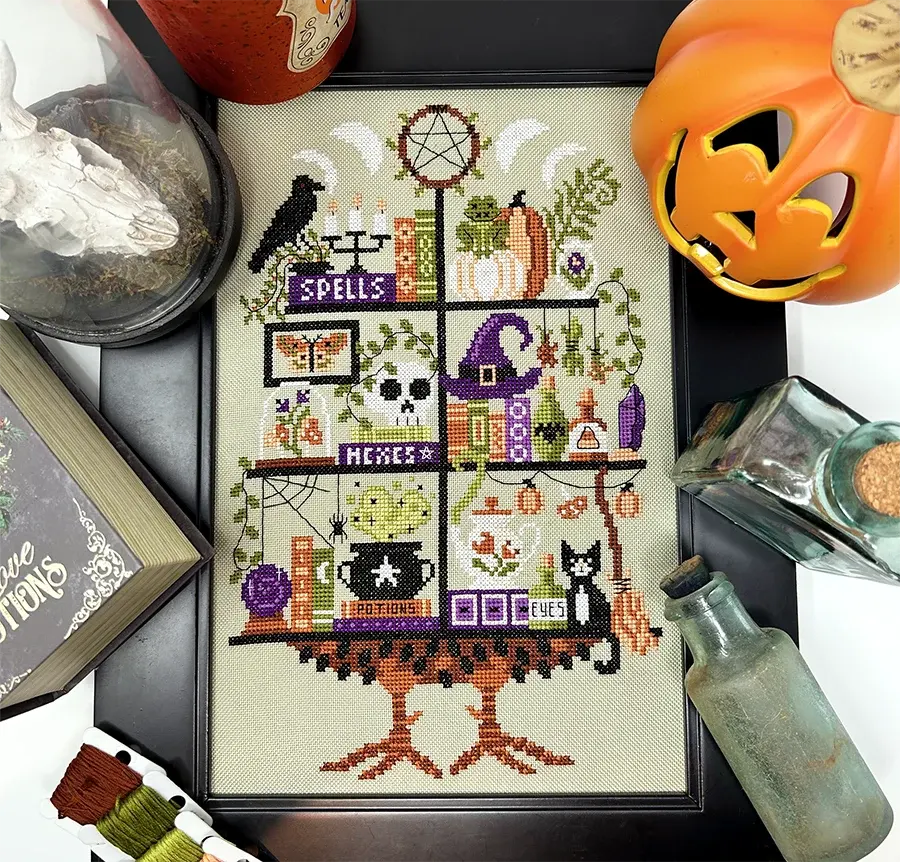
Even experienced stitchers occasionally encounter technical hurdles that affect the final appearance of their work. One of the most frequent errors is inconsistent tension. If you pull your thread too tightly, the fabric will warp and the stitches will look distorted; if the tension is too loose, the stitches will appear puffy and lack definition. Aim for a gentle, uniform pull that allows the thread to lay flat against the cloth.
Another common issue is improper thread management, which leads to knots and tangles. To avoid this, keep your working thread relatively short, ideally no longer than 18 inches. Additionally, ensure that all your stitches cross in the same direction. For example, if you always stitch the bottom half from bottom-left to top-right, ensure the top half follows the same pattern. This consistency creates a smooth, professional-looking surface that catches the light evenly, significantly enhancing the overall quality of your finished embroidery project.
How long does it take to finish a project?
The time required to complete a cross-stitch project varies wildly based on the size of the design, the complexity of the pattern, and the count of the fabric. A small, simple ornament might take only a few hours to complete, while a large, full-coverage landscape could require hundreds of hours spread over several months. Because cross-stitch is a meditative, slow-paced hobby, most enthusiasts view the process as a form of relaxation rather than a race to the finish line.
To estimate your timeline, consider how many stitches you can comfortably complete in one hour. Most beginners average about 100 to 200 stitches per hour. By checking the total number of stitches in a pattern, you can calculate a rough estimate of the total time investment. Remember that frequent breaks are essential to prevent eye strain and repetitive muscle fatigue. By setting small, achievable goals for each session, you will find that even the most ambitious projects become manageable and highly rewarding endeavors.
Key facts
- Cross-stitch is a form of counted thread embroidery that uses X-shaped stitches to form a tiled, raster-like pattern.
- The craft is traditionally worked on even-weave fabric, such as Aida cloth, which features a grid of holes that makes counting stitches easy.
- Patterns are usually followed using a "counted chart," where each colored square on a grid represents a single X-shaped stitch.
- The standard embroidery floss used consists of six strands of cotton thread, though most cross-stitch patterns require only two strands at a time.
- A tapestry needle with a blunt tip is preferred to prevent splitting the fabric fibers while passing through the pre-punched holes.
- Beginners should avoid knotting the thread at the back of the fabric, as these lumps can show through the front; instead, weave the thread ends under existing stitches to secure them.
The bottom line
Cross-stitch is a structured and accessible form of needlework that relies on simple X-shaped stitches to create intricate images on grid-based fabric. By following a counted chart and maintaining consistent tension, crafters can produce detailed designs ranging from small ornaments to large wall hangings. It remains a popular, meditative hobby that rewards patience and precision, offering a creative outlet that is both easy to learn and master.
People also ask
What is the difference between Aida cloth and linen?
Aida cloth is a stiff, cotton fabric with a distinct grid pattern that makes it ideal for beginners. Linen is a more traditional, softer fabric that requires more skill because the weave is irregular and lacks pre-defined holes.
How do I know what size needle to use?
Needle sizes are typically labeled with numbers, such as 24 or 26, where a higher number indicates a thinner needle. For standard 14-count Aida cloth, a size 24 tapestry needle is the industry standard.
Can I wash a finished cross-stitch project?
Yes, you can hand-wash finished pieces in cool water with a mild, fragrance-free soap to remove oils and dust. Always lay the piece flat to dry and iron it face-down on a soft towel to protect the texture of the stitches.
What is a "hoop" and do I need one?
An embroidery hoop is a circular frame that holds the fabric taut while you work. While not strictly mandatory, using one prevents the fabric from puckering and ensures your stitches remain even and consistent.
How do I prevent my thread from tangling?
Use a shorter length of thread, typically no longer than 18 inches, to minimize friction and knotting. Additionally, let your needle hang freely every few stitches to allow the thread to untwist itself.
What does "full coverage" mean in a pattern?
Full coverage refers to a design where every single square of the fabric is stitched, leaving no background exposed. These projects are more time-consuming but result in a dense, painting-like appearance once completed.
This answer was created with the help of AI research tools and reference sources. Spotted an error? Let us know — we correct mistakes quickly. See our editorial policy.
![How to Knit the Knit Stitch: Step by Step tutorial [+video with slow-mo]](/img/10/what-is-the-easiest-knitting-stitch-1.webp)