What are good canvas painting ideas?
Short answer
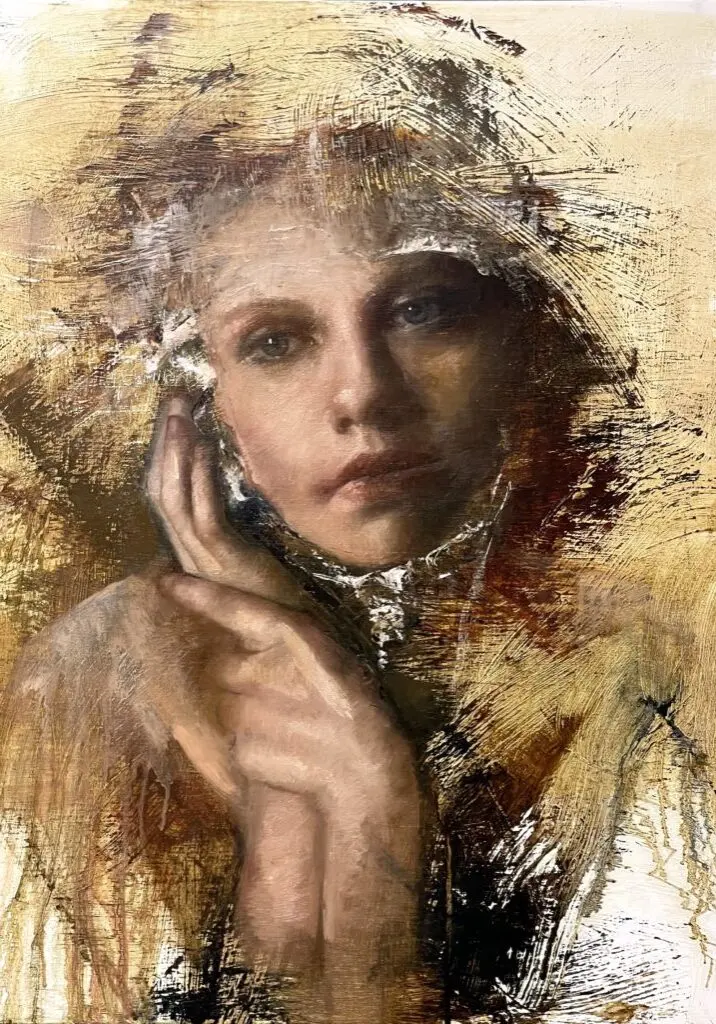
Good canvas painting ideas range from simple abstract color studies to complex landscape compositions. Beginners often excel with monochromatic silhouettes, geometric patterns, or impasto texture experiments. The best subjects are those that allow you to practice fundamental techniques like brushwork, color mixing, and layering while maintaining your personal creative interest.
On this page
Best canvas painting ideas for beginners
Starting with manageable projects helps build confidence and technical proficiency. Focus on subjects that emphasize shape and color rather than intricate detail. Landscapes, for instance, are forgiving because they allow for organic forms and blending techniques that do not require perfect precision. Abstract art is another excellent entry point, as it removes the pressure of realism and encourages experimentation with texture and composition.
Consider these accessible project ideas:
- Monochromatic landscapes: Use different shades of a single color to create depth.
- Silhouette paintings: Paint a vibrant sunset background and add a dark, solid shape like a tree or mountain in the foreground.
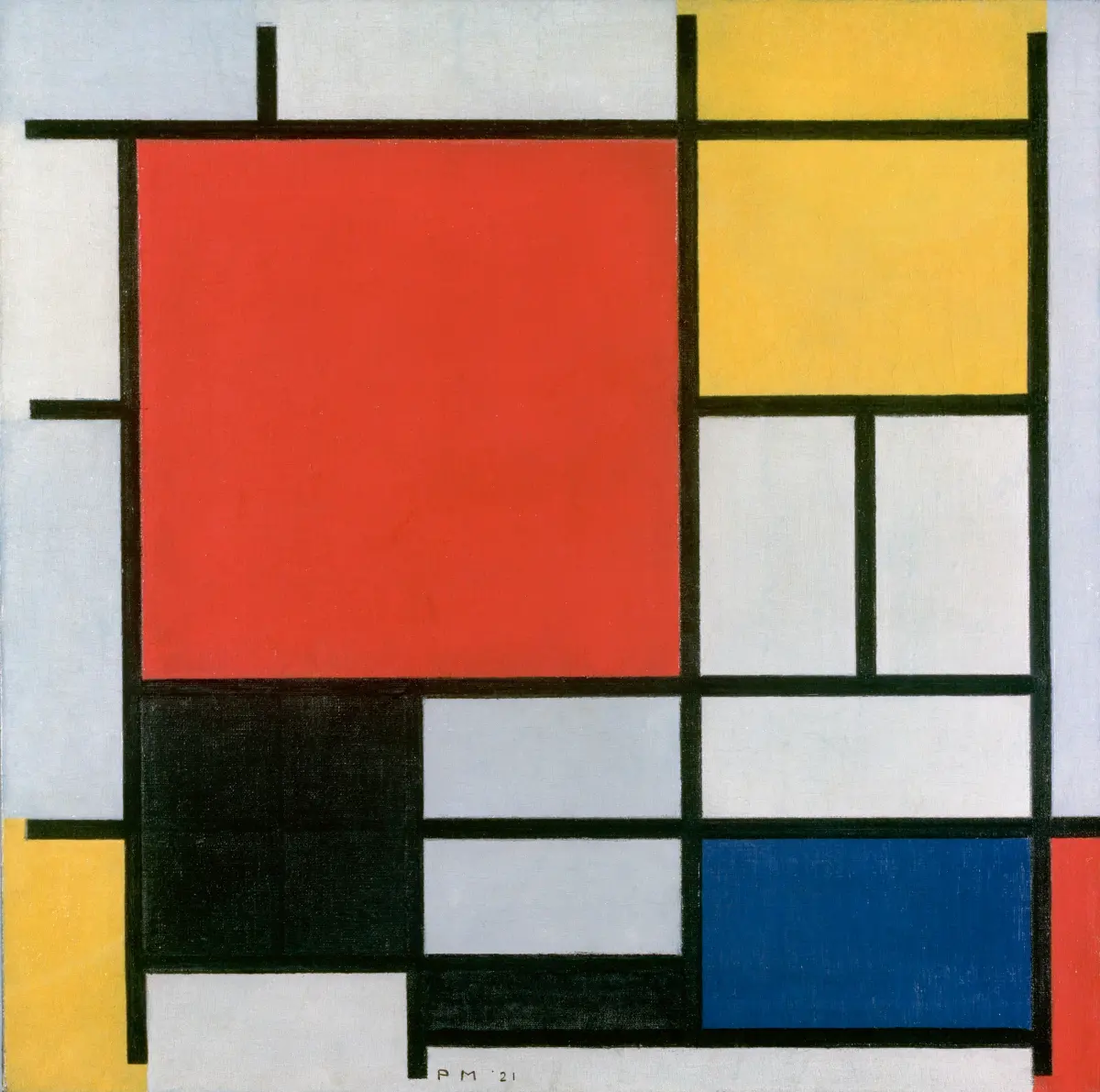
- Geometric abstraction: Use painter's tape to create crisp lines and fill the sections with contrasting colors.
- Still life studies: Choose a single piece of fruit or a simple vase to practice light, shadow, and basic volume.
How to prepare a canvas for painting
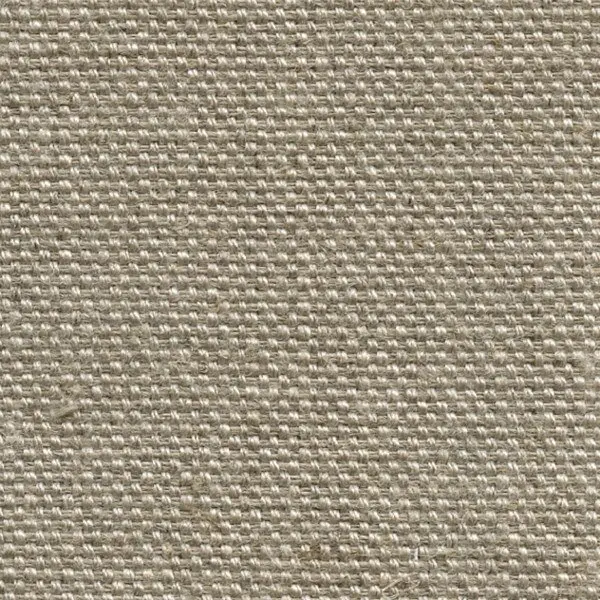
Proper preparation ensures your paint adheres correctly and prevents the surface from absorbing too much pigment. Most store-bought canvases come pre-primed with gesso, but adding an extra layer can create a smoother, more professional surface. If you are working on raw canvas, applying gesso is mandatory to protect the fabric fibers from the chemical components of oil or acrylic paints.
Follow these steps to prime your canvas:
- Ensure the canvas is taut on the frame and free of dust.
- Apply a thin, even coat of gesso using a wide, flat brush.
- Allow the first coat to dry completely, which usually takes about 30 minutes.
- Lightly sand the surface with fine-grit sandpaper for a smooth finish.
- Apply a second coat in the opposite direction of the first for maximum coverage.
Common mistakes when painting on canvas
Even experienced artists encounter issues when they fail to account for the physical properties of their materials. One frequent error is working with too little paint, which results in visible brush strokes and a streaky appearance. Conversely, applying paint too thickly without proper drying time can lead to cracking or "muddy" colors where layers blend unintentionally. Always allow sufficient time for drying between layers to maintain color clarity.
Another common mistake is neglecting the composition before applying paint. Many beginners start with fine details before establishing the overall structure. This often leads to skewed proportions or unbalanced layouts that are difficult to correct later. Always sketch your main shapes lightly with charcoal or a diluted wash of paint first. This provides a roadmap for your work and allows you to adjust the placement of objects before you commit to heavy layers of color.
How to choose the right painting style
Selecting a style depends largely on your personal goals and the medium you choose. Acrylics are ideal for fast-paced, layered work because they dry quickly and are water-soluble. Oils, however, offer a longer "open time," allowing for extensive blending and subtle transitions that are perfect for portraiture or realistic landscapes. Your style should reflect your comfort level with these specific material behaviors.
If you are unsure where to start, try exploring these distinct approaches:
- Impressionism: Focus on capturing light and movement with short, thick brushstrokes.
- Minimalism: Use a restricted color palette and simple forms to create a bold, modern impact.
- Expressionism: Prioritize emotional impact over realistic representation by using exaggerated colors and distorted shapes.
- Realism: Dedicate time to studying anatomy, perspective, and the precise interaction of light on surfaces.
Essential tools for canvas painting
Having the right equipment makes the creative process more efficient and enjoyable. You do not need an expensive collection of supplies to start; a few high-quality brushes and a basic palette of primary colors are sufficient. Synthetic brushes are generally recommended for acrylics, while natural hair brushes are often preferred for oils due to their ability to hold heavy paint. Invest in a sturdy easel to keep your canvas at eye level, which prevents neck strain and helps you maintain a better perspective on your composition.
Beyond brushes and paint, consider these essential accessories:
- A palette knife for mixing colors and applying thick textures.
- A spray bottle to keep acrylic paints moist on the palette.
- A variety of rags or paper towels for cleaning brushes and wiping away mistakes.
- A palette made of wood, glass, or plastic for easy mixing and cleanup.
- A well-ventilated workspace to ensure you are breathing clean air while working with various mediums.
Key facts
- Use gesso to prime your canvas before painting to prevent the fabric from absorbing too much pigment and to create a smoother surface.
- The "rule of thirds" suggests placing focal points along the lines that divide your canvas into nine equal segments for a more balanced composition.
- Acrylic paint dries in 10 to 20 minutes, while oils can take several days or even weeks to fully cure depending on the thickness of the application.
- Use a limited color palette of three primary colors plus white to learn color theory and avoid muddy, oversaturated paintings.
- Clean your brushes immediately after use with soap and water for acrylics or mineral spirits for oils to prevent permanent bristle damage.
- Start with a thin "underpainting" in a neutral tone to establish values and shadows before committing to detailed colors.
The bottom line
Choosing a canvas project begins with selecting the right scale and preparing your surface with gesso. By mastering basic color theory and understanding the drying times of your medium, you can avoid common pitfalls like muddy colors or brush damage. Focus on composition and layering to build depth, and remember that consistent practice is the most effective way to refine your artistic skills over time.
People also ask
What is the best canvas size for beginners?
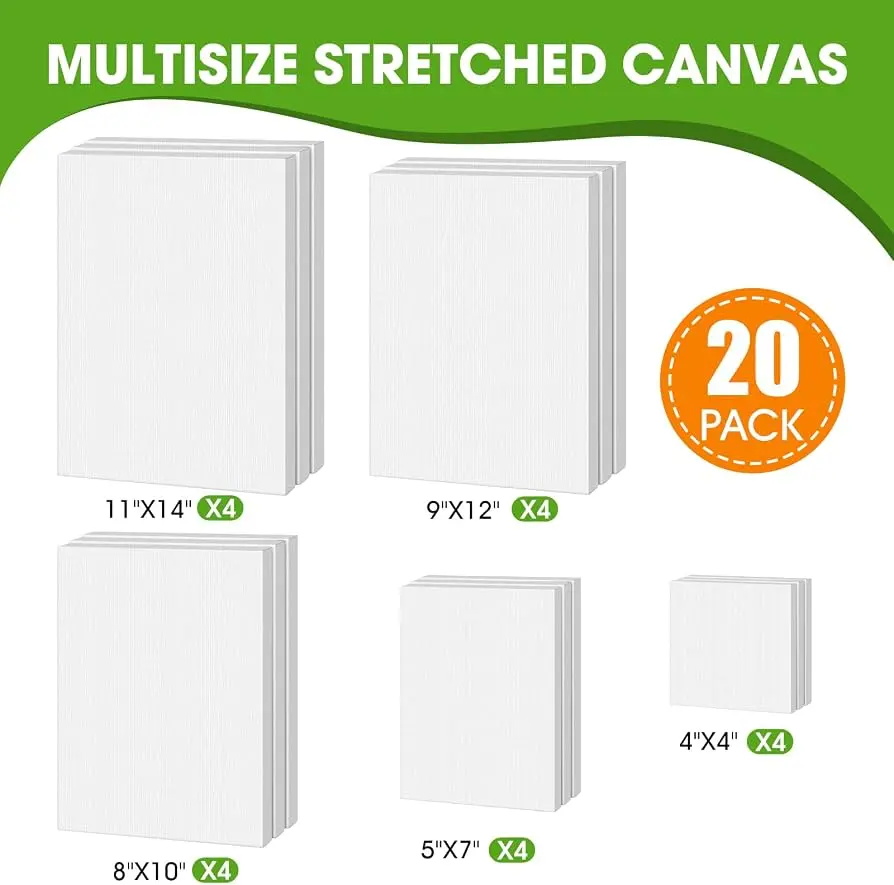
An 11x14 inch canvas is ideal for beginners because it is large enough to practice techniques without being so vast that it becomes intimidating. It fits easily on standard table-top easels and requires less paint to cover than larger formats.
How do I prevent my paint from looking streaky?
Streaks often occur when paint is too thin or the brush is too dry. Apply a second coat after the first has completely dried and ensure you are using enough medium or water to maintain a fluid consistency.
Should I paint the edges of the canvas?
Painting the edges, known as gallery wrapping, creates a finished look that allows you to display the piece without a frame. If you prefer a traditional look, you can leave them white or paint them a solid neutral color.
How do I fix a mistake on a canvas?
If the paint is still wet, you can wipe it away with a damp cloth or palette knife. If the paint is dry, simply let it harden and paint over the area with a thicker application of opaque color.
What is the difference between stretched canvas and canvas panels?
Stretched canvases are fabric pulled over a wooden frame, providing a springy surface that feels professional. Canvas panels are rigid boards covered in fabric, which are more affordable and easier to store for practice sessions.
How do I keep my acrylic paint from drying out on the palette?
Use a stay-wet palette or mist your paints periodically with a spray bottle of water. You can also place a damp sponge under a piece of parchment paper to keep the moisture levels consistent while you work.
This answer was created with the help of AI research tools and reference sources. Spotted an error? Let us know — we correct mistakes quickly. See our editorial policy.