What is wire wrapping?
Short answer
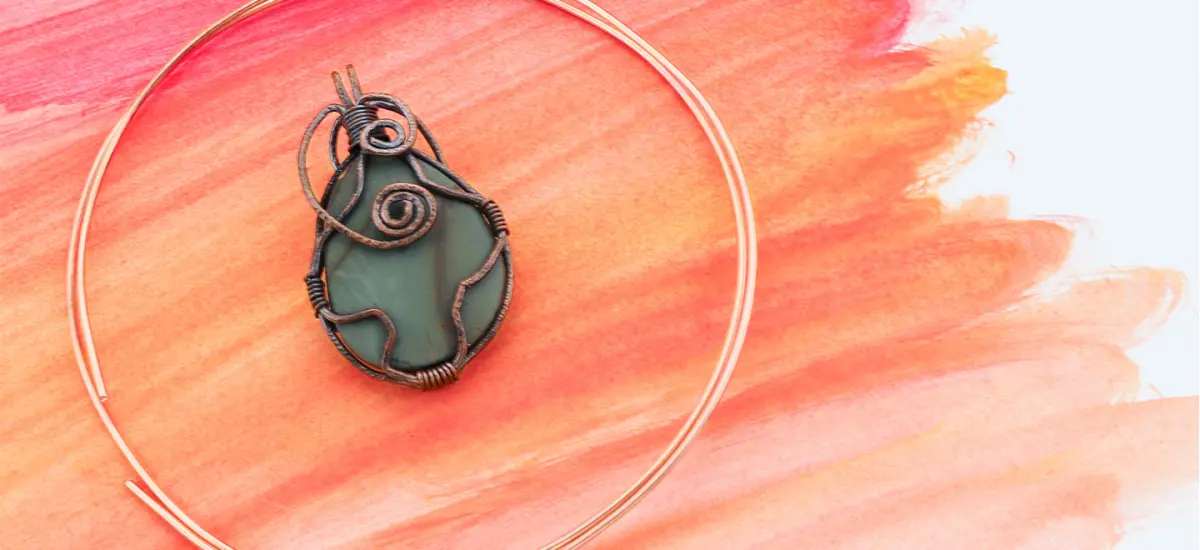
Wire wrapping is a jewelry-making technique that involves bending, twisting, and securing wire around gemstones, beads, or other components without the use of solder or heat. By utilizing pliers and physical tension, artisans create intricate, cage-like structures that hold objects firmly in place, resulting in durable, decorative, and often unique wearable art pieces.
On this page
What is wire wrapping used for?
Wire wrapping serves as a versatile method for creating custom jewelry, including pendants, rings, earrings, and bracelets. Unlike traditional silversmithing, which requires torches and chemicals to join metals, wire wrapping relies entirely on the mechanical strength of the wire itself. This makes it an accessible entry point for hobbyists who want to work with precious metals or copper without a complex studio setup.
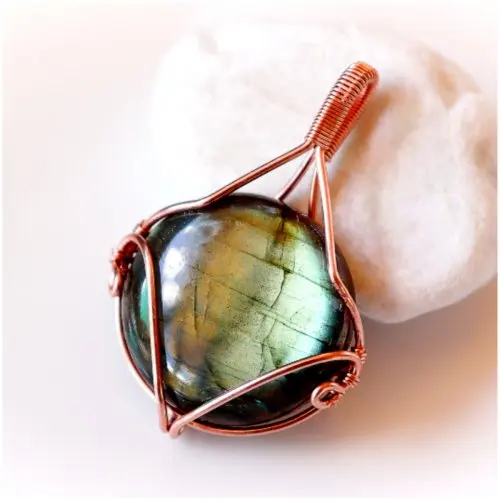
The technique is particularly popular for showcasing raw, uncut gemstones or irregular cabochons that cannot be easily set in standard commercial jewelry settings. Because the wire can be molded to fit any shape, artists can secure stones that vary significantly in size and texture. Beyond functionality, the aesthetic appeal of wire wrapping lies in the visible craftsmanship, where the coils, loops, and weaves become a decorative element of the final design.
How to get started with wire wrapping
To begin, you need a basic set of tools and a selection of wire gauges. Most beginners start with copper wire because it is inexpensive and highly malleable, allowing for practice without the financial risk of using gold or sterling silver. As you gain confidence, you can transition to higher-quality metals to create finished pieces for sale or personal wear.
- Round-nose pliers: Essential for creating loops and curves.
- Chain-nose pliers: Used for gripping wire and making sharp bends.
- Wire cutters: Necessary for trimming excess metal cleanly.
- Jewelry wire: Start with 20-gauge for the frame and 24-gauge for weaving.
- A mandrel or dowel: Useful for forming consistent ring or bracelet sizes.
Always ensure your tools are clean and free of rust to prevent marring the surface of your wire. Having a dedicated workspace with good lighting will also significantly improve your accuracy when handling thin, delicate strands of metal.
What is the best wire for beginners?
Selecting the right wire is critical for success, as different tempers and gauges behave in distinct ways. "Dead soft" wire is the most recommended for beginners because it is very easy to bend and manipulate with your fingers. "Half-hard" wire is stiffer and better suited for structural frames that need to maintain their shape under the stress of daily wear.
When choosing a material, consider the following options:
- Copper: Excellent for practice; affordable and easy to find.
- Artistic wire: Copper wire with a permanent colored coating that resists tarnishing.
- Sterling silver: A professional choice that is more expensive but highly durable.
- Gold-filled: Offers the look of gold at a lower price point with a thick layer of real gold.
Avoid using aluminum wire for structural components, as it is often too brittle and can snap unexpectedly when bent. Stick to copper or silver-plated wires until you master the tension required for complex weaves.
Common mistakes when wire wrapping
One of the most frequent errors beginners make is overworking the wire. When you bend a piece of wire back and forth repeatedly, it becomes "work hardened," meaning it grows brittle and eventually snaps. Plan your design before you begin bending to minimize the number of adjustments needed. Another common mistake is failing to tuck in the wire ends properly. Sharp, protruding ends can scratch the skin or snag on clothing, which ruins the professional appearance of the piece.
To avoid these issues, follow these best practices:
- Use a nylon-jaw plier to straighten wire without leaving tool marks.
- Always file the cut ends of your wire with a needle file to ensure they are smooth.
- Keep your tension consistent; loose wraps will cause the gemstone to shift or fall out.
- Practice simple patterns before attempting elaborate, multi-stone designs.
Taking the time to refine these foundational skills will prevent frustration and result in much higher-quality jewelry that stands the test of time.
How long does it take to learn?
Mastering the art of wire wrapping is a gradual process that depends on how much time you dedicate to practice. A beginner can typically complete a simple, single-stone pendant in about one to two hours. However, developing the dexterity to create complex, "woven" designs—where thin wires are interlaced around a thick frame—can take months of consistent effort. Most artists find that their speed and precision improve significantly after completing their first dozen projects.
The learning curve involves training your hands to apply the right amount of pressure. If you pull too hard, the wire may stretch or break; if you pull too lightly, the design will look sloppy and loose. Do not be discouraged if your early attempts do not look like the intricate pieces found in galleries. Focus on the mechanics of the wrap rather than the complexity, and you will eventually build the muscle memory required for professional-level work. With patience, you will soon be able to execute elaborate designs with ease and confidence.
Key facts
- Wire wrapping is the technique of securing gemstones or beads using only wire, without the use of solder or heat.
- The most common gauges for wire wrapping are 20-gauge for structural frames and 24-gauge or 26-gauge for binding.
- Copper, sterling silver, and gold-filled wires are the industry standards due to their malleability and durability.
- Essential tools include needle-nose pliers, round-nose pliers, and wire cutters, often referred to as the "jewelry pliers trio."
- A common mistake is overworking the wire, which causes it to become brittle and prone to snapping.
- Always use nylon-jaw pliers to straighten wire to avoid leaving unsightly tool marks or scratches on the metal surface.
The bottom line
Wire wrapping is a versatile, accessible craft that transforms simple metal wire into intricate jewelry without requiring heat or soldering. By mastering basic tension and looping techniques, you can secure virtually any stone into a unique, wearable design. With the right tools and a focus on preventing work hardening, you can create durable, professional-quality accessories that showcase your personal style and creative vision.
People also ask
What is the best type of wire for beginners to practice with?
Copper wire is the ideal choice for beginners because it is inexpensive, soft, and easy to manipulate. It allows you to master complex techniques without the financial risk associated with precious metals like sterling silver or gold.
Can I use wire wrapping to set stones that do not have holes?
Yes, wire wrapping is specifically designed to create cages or tension settings for cabochons and raw crystals. By creating a secure frame of wire around the stone, you can mount it safely without needing to drill into the material.
How do I prevent my wire from tarnishing?
You can apply a thin layer of jewelry-grade wax or a specialized metal sealant to finished pieces to slow oxidation. Storing your jewelry in an airtight bag with an anti-tarnish strip also helps maintain the metal's luster over time.
Why does my wire keep snapping while I am bending it?
Wire snapping usually occurs due to "work hardening," which happens when you bend the same spot repeatedly. To avoid this, try to achieve your desired shape in as few movements as possible and anneal the wire if it becomes too stiff.
Do I need to solder my wire-wrapped jewelry?
No, the primary appeal of wire wrapping is that it is a cold-connection technique. The structural integrity of the piece relies entirely on the mechanical tension and the way the wires are coiled around each other.
How do I measure how much wire I need for a project?
A general rule of thumb is to start with at least 12 to 18 inches of wire, depending on the size of the stone. It is always better to cut extra length, as you can trim off the excess, but you cannot add length once the wire is cut.
This answer was created with the help of AI research tools and reference sources. Spotted an error? Let us know — we correct mistakes quickly. See our editorial policy.