Why do we get brain freeze?
Short answer
Brain freeze, medically known as sphenopalatine ganglioneuralgia, occurs when cold substances rapidly cool the blood vessels in the roof of your mouth. This sudden temperature change triggers a nerve response that the brain misinterprets as pain originating from the forehead, causing a brief, sharp headache as the vessels dilate to restore warmth.
On this page
Why does brain freeze happen
The scientific term for this sensation is sphenopalatine ganglioneuralgia. It occurs when a cold stimulus, such as ice cream or a frozen beverage, touches the roof of your mouth, specifically the hard palate. This area is rich in blood vessels and nerve endings that are highly sensitive to temperature fluctuations. When these vessels are suddenly chilled, they undergo rapid constriction followed by quick dilation.
This process is a protective mechanism designed to keep the brain at a stable temperature. The trigeminal nerve, which carries sensory information from the face and mouth to the brain, detects this rapid change. Because the trigeminal nerve also supplies the forehead, the brain experiences "referred pain." It incorrectly identifies the source of the distress as being in the head rather than the mouth, resulting in the characteristic sharp, stabbing sensation.
How long does brain freeze last
The duration of a brain freeze is typically very short, usually lasting between 30 and 60 seconds. In most cases, the pain reaches its peak intensity within the first few seconds of the stimulus. Once the blood vessels in the palate return to their normal temperature, the nerve signals cease, and the headache dissipates almost as quickly as it began.
While the experience is uncomfortable, it is entirely harmless and does not cause any permanent damage to the brain or nerves. If you find that the pain persists for several minutes or is accompanied by other symptoms like dizziness or vision changes, it may not be a standard brain freeze. In such instances, it is advisable to consult a medical professional to rule out other underlying conditions that could be triggered by cold exposure.
How to stop brain freeze quickly
If you find yourself in the middle of a painful episode, you can take immediate action to normalize the temperature in your mouth. The goal is to warm the palate as gently and rapidly as possible to stop the nerve signaling.
- Press your tongue firmly against the roof of your mouth to transfer body heat to the chilled area.
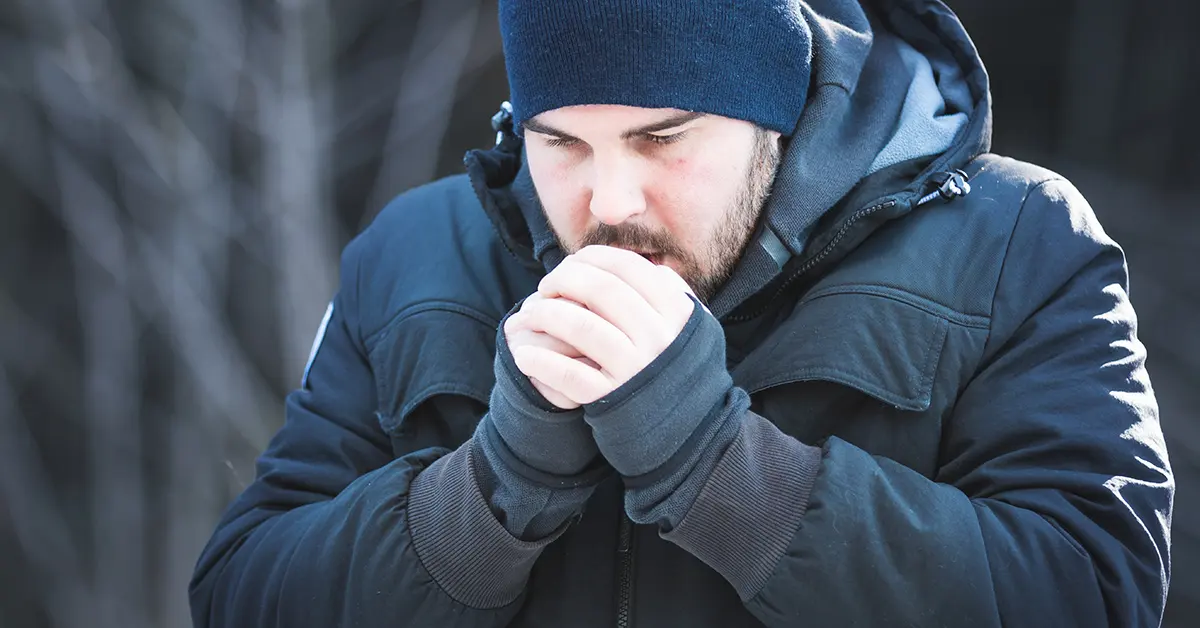
- Cup your hands over your mouth and nose to create a warm pocket of air, then breathe deeply to increase the temperature.
- Drink a small amount of room-temperature water, which helps to gradually warm the tissues without causing further shock.
- Avoid consuming more cold items until the pain has completely subsided to prevent a secondary, more intense reaction.
Do not attempt to use ice or cold water to "numb" the area, as this will only prolong the constriction of the blood vessels and extend the duration of the pain.

Best ways to prevent brain freeze
Preventing brain freeze is largely a matter of controlling the rate at which cold substances contact the sensitive tissues of your palate. By slowing down your intake, you allow your body's natural heat regulation systems to compensate for the temperature drop.
- Consume cold beverages and desserts slowly, taking small bites or sips rather than large quantities.
- Keep frozen items toward the front of your mouth, away from the sensitive hard palate, until they have begun to melt.
- Allow ice cream or slushies to soften slightly before eating them, as this reduces the initial thermal shock to the mouth.
- If you are drinking a frozen drink, use a straw to direct the liquid toward the center of your tongue, bypassing the roof of your mouth.
Following these simple habits significantly reduces the likelihood of triggering the trigeminal nerve response. Most people find that minor adjustments to their eating speed are enough to enjoy cold treats without any discomfort.
Common mistakes when eating cold food
The most frequent mistake people make is consuming cold items too quickly, especially when they are thirsty or eating in hot weather. When you eat rapidly, you overwhelm the palate's ability to adjust, which forces the blood vessels to constrict abruptly. This speed is the primary driver of the referred pain response.
Another common error is ignoring the warning signs of a developing brain freeze. Often, people feel a slight tingling or initial coldness in the roof of their mouth but continue eating, hoping to finish the treat. By the time the sharp pain hits, the nerve response is already fully engaged. If you feel that initial sensation, stop immediately and wait for the feeling to pass before taking another bite. Avoiding these mistakes ensures that your enjoyment of cold food remains a pleasant experience rather than a painful one.
Key facts
- Brain freeze, medically known as sphenopalatine ganglioneuralgia, is a brief headache caused by rapid cooling of the palate.
- The sensation occurs when cold substances touch the roof of the mouth, triggering a sudden constriction and dilation of nearby blood vessels.
- Nerves in the mouth send pain signals to the brain via the trigeminal nerve, which also registers sensations from the forehead.
- The brain misinterprets these signals as coming from the forehead, creating the sensation of a localized, sharp headache.
- To stop the pain quickly, press your tongue against the roof of your mouth to transfer body heat to the chilled area.
- Avoid consuming frozen treats too rapidly; taking smaller bites or sips allows your mouth to adjust to the temperature gradually.
The bottom line
Brain freeze is a harmless, temporary reaction caused by the rapid cooling of the palate, which tricks the trigeminal nerve into signaling pain in the forehead. By slowing your consumption of cold items or warming the roof of your mouth with your tongue when pain strikes, you can easily manage or prevent this sudden discomfort. It is a simple biological quirk rather than a medical concern.
People also ask
Does everyone experience brain freeze?
While most people are susceptible, some individuals appear to be more prone to the sensation than others. Research suggests that those who suffer from migraines may experience brain freeze more frequently or intensely.
Is brain freeze dangerous to my health?
No, brain freeze is a harmless and temporary physiological reaction. It typically subsides within seconds or a few minutes once the stimulus is removed.
Can hot drinks cause a similar sensation?
Hot drinks do not cause brain freeze, but they can cause thermal pain if they burn the soft tissues of the mouth. This is a different type of nerve response unrelated to the vascular reaction of a cold-induced headache.
Why does the pain feel like it is behind my eyes?
The trigeminal nerve is a large nerve that branches across the face, including the area behind the eyes and the forehead. When it transmits pain from the palate, the brain often maps that sensation to those other facial regions.
Does the size of the cold item matter?
Yes, larger volumes of cold food or drink increase the surface area affected on the roof of the mouth. This triggers a more widespread nerve response, making the resulting headache more intense.
Can I prevent brain freeze if I drink through a straw?
Using a straw can sometimes help if you direct the liquid toward the back of your throat, bypassing the roof of your mouth. However, if the cold liquid still touches the palate, you may still trigger the response.
This answer was created with the help of AI research tools and reference sources. Spotted an error? Let us know — we correct mistakes quickly. See our editorial policy.