How do you make a rag rug?
Short answer
Making a rag rug involves cutting fabric scraps into long, continuous strips and braiding, weaving, or knotting them into a durable floor covering. You can create a classic braided rug by sewing three long strands together in a coil, or use a latch-hook tool to pull fabric strips through a mesh backing.
On this page
What materials are best for rag rugs?
The durability and aesthetic of your rag rug depend heavily on your choice of fabric. Cotton is the gold standard for beginners because it is easy to handle, absorbent, and machine washable. Old bedsheets, cotton shirts, and jersey knit fabrics work exceptionally well because they do not fray excessively and provide a soft, comfortable texture underfoot. Avoid using synthetic materials like polyester or silk, as these fabrics are often too slippery to hold a knot or braid securely and may cause the rug to shift on hard floors.
To prepare your fabric, you should wash and dry all materials first to ensure they are clean and pre-shrunk. Cut the fabric into long, uniform strips, typically between one and two inches wide. If you want a seamless look, you can join strips by cutting a small slit at the ends and looping one through the other to create a continuous length. Having a large pile of these prepared strips before you begin the actual assembly process will significantly speed up your work and prevent frustration.
How to braid a traditional rag rug
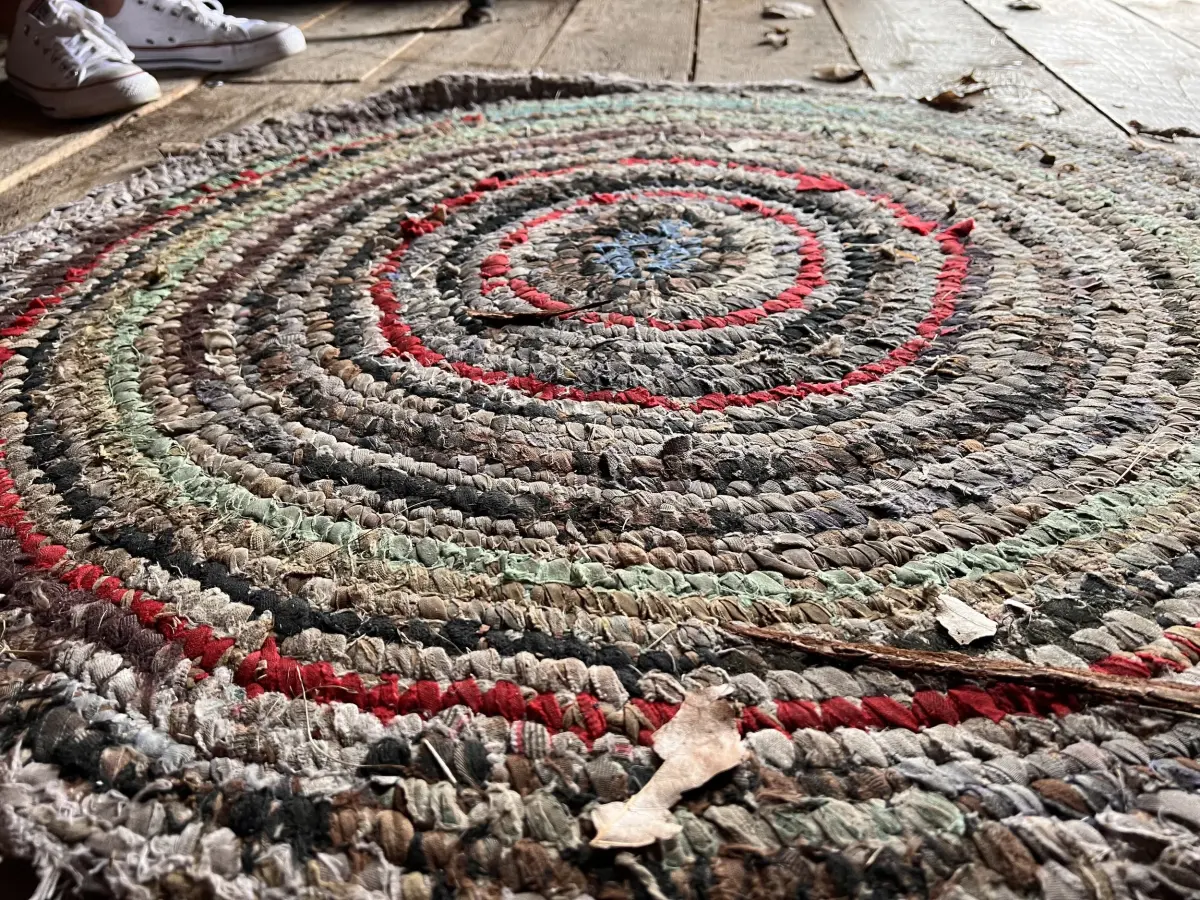
Braiding is the most iconic method for creating a rag rug, resulting in a thick, sturdy piece that can last for decades. To begin, take three prepared fabric strips and sew one end of each together securely. You can pin this end to a heavy piece of furniture or a rug braiding clamp to maintain tension while you work. Begin braiding the strips tightly, folding the raw edges toward the center of each strand as you go to ensure a clean, finished appearance.
Once you have a long braid, you will begin the coiling process to form the rug shape. Follow these steps to assemble the rug:
- Start at the center by coiling the braid into a tight spiral.
- Use a heavy-duty needle and carpet thread to sew the edges of the coils together.
- Stitch through the inner loops of the braid to keep the rug flat and prevent gaps.
- Continue adding length to your braid and coiling it until you reach your desired rug size.
- Taper the end of the braid at the final edge to create a smooth, rounded finish.
How long does it take to make a rag rug?
The time required to complete a rag rug varies based on the size of the project and the complexity of the technique. A small, circular braided rug measuring two feet in diameter typically takes between 10 and 15 hours of active work. This includes the time spent cutting fabric, sewing strips together, and the repetitive motion of braiding and stitching. If you are working on a larger area rug, you should expect to spend several weeks or even months if you only dedicate a few hours each weekend to the craft.
Patience is essential, as rushing the process often leads to uneven tension and a rug that does not lie flat. If you are a beginner, start with a small project like a chair pad or a bathroom mat to gauge your speed. You will find that your rhythm improves significantly after the first few feet of braiding. Tracking your progress by measuring the diameter of the rug after each session can provide a sense of accomplishment and help you estimate the final completion date more accurately.
Common mistakes when making rag rugs
One of the most frequent errors beginners make is failing to maintain consistent tension throughout the construction process. If your braid is too loose in some areas and tight in others, the rug will develop "waves" or ripples, making it impossible to lay flat on the floor. To avoid this, always keep the fabric strips pulled taut as you braid. Another common mistake is using fabric strips that are too wide, which creates a bulky, uneven surface that can be a tripping hazard. Stick to a consistent width of one to two inches for the best results.
Another issue involves the structural integrity of the rug. Many novices neglect to use high-quality, heavy-duty thread when sewing the coils together. Standard sewing thread will snap under the tension of foot traffic, causing the rug to unravel or separate. Always use a strong upholstery thread or specialized waxed cord. Additionally, avoid using fabrics of vastly different weights in the same rug, as the varying thicknesses will create an uneven surface that wears down prematurely in the thicker sections.
How to clean and maintain a rag rug
Proper maintenance will ensure your rag rug remains a functional piece of home decor for many years. Because these rugs are made from fabric, they can generally be cleaned using a vacuum with the beater bar turned off to prevent snagging the loops. For deeper cleaning, most cotton rag rugs can be machine washed on a gentle cycle with cold water. It is vital to air dry the rug completely by laying it flat on a clean surface or hanging it over a railing, as machine drying can cause excessive shrinkage or damage the stitching.
If your rug begins to show signs of wear or loose threads, address these issues immediately with a needle and thread to prevent further unraveling. If the rug starts to slip on smooth surfaces like hardwood or tile, consider applying a non-slip rug pad underneath. This simple addition not only improves safety but also protects the bottom of the rug from abrasion against the floor. By following these basic care steps, you can preserve the structural integrity and appearance of your handmade textile project for a long time.
Key facts
- Rag rugs are traditionally made by braiding or weaving strips of recycled fabric, such as old cotton sheets or worn-out clothing.
- Use sturdy, non-stretchy fabrics like 100% cotton for the best results, as synthetic blends can lose their shape over time.
- Cut fabric strips into consistent widths, typically 1 to 2 inches wide, to ensure the finished rug has a uniform texture.
- A "hit-and-miss" pattern is a classic design technique where random fabric colors are used to create a vibrant, scrappy aesthetic.
- Braided rugs require a heavy-duty needle and thick upholstery thread to secure the coils together firmly.
- Washing your finished rug in a gentle cycle with cold water helps the fibers settle and creates a softer, more durable texture.
The bottom line
Creating a rag rug is a rewarding craft that transforms discarded textiles into functional, durable home decor. By carefully selecting non-stretchy fabrics and maintaining consistent strip widths, you ensure a professional and long-lasting result. Whether you choose the traditional braided method or opt for weaving, the process emphasizes sustainability and resourcefulness, allowing you to preserve memories through repurposed materials while adding a unique, handmade touch to your living space.
People also ask
What is the best type of fabric to use for a rag rug?
Cotton is the gold standard because it is durable, easy to wash, and holds a crease well. Avoid jersey knits or stretchy fabrics, as they tend to distort and make the rug uneven.
How much fabric do I need for a medium-sized rug?
You generally need about 5 to 7 pounds of fabric to create a rug that is roughly 3 feet in diameter. It is always better to have extra material on hand than to run out mid-project.
Do I need a loom to make a rag rug?
You do not need a loom if you are making a braided rug, which only requires your hands and a needle. However, if you want to weave a rug, you will need a simple frame or floor loom.
How do I join fabric strips together without sewing?
You can use the "slit method" by cutting a small hole in the end of two strips, looping one through the other, and pulling it tight. This creates a secure, flat knot that hides well within the braid.
How long does it take to complete a rag rug?
A small braided rug can take 10 to 15 hours of labor, depending on your speed and the complexity of the design. Larger rugs or intricate woven patterns can take several weeks to finish.
Can rag rugs be machine washed?
Most cotton rag rugs are machine washable on a gentle cycle. Always lay them flat to air dry to prevent the fabric from shrinking or the braided coils from unraveling.
This answer was created with the help of AI research tools and reference sources. Spotted an error? Let us know — we correct mistakes quickly. See our editorial policy.