What is batik?
Short answer
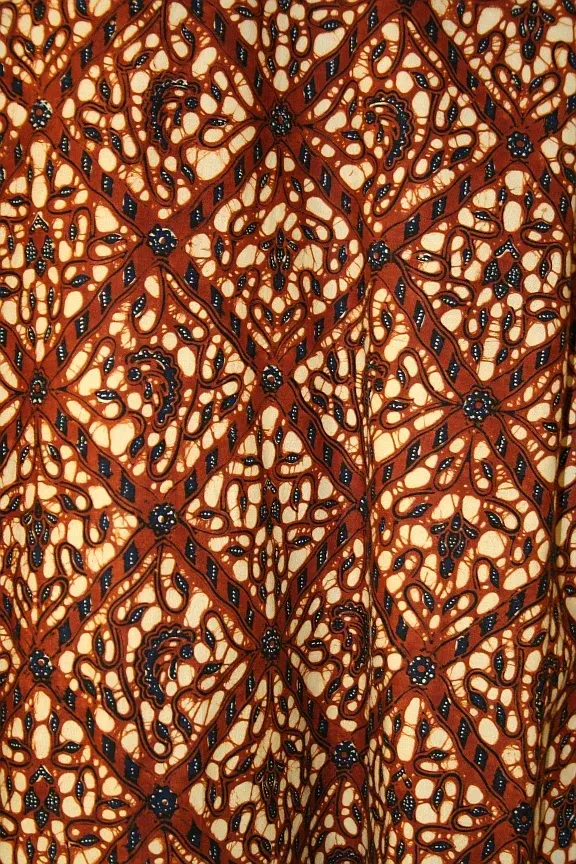
Batik is an ancient Indonesian textile art form that uses a wax-resist dyeing technique to create intricate patterns on fabric. Artisans apply molten wax to specific areas of cloth, which then repel dyes during the immersion process. This labor-intensive method produces unique, layered designs characterized by fine, crackled lines known as crackle effects.
On this page
How is batik made step by step
The traditional batik process is a meticulous craft that requires patience and precision. Artisans primarily use cotton or silk, ensuring the fabric is clean and pre-treated before any wax is applied. The wax acts as a barrier, preventing dye from penetrating the fibers in the areas where it is painted or stamped.
- Prepare the fabric by washing and boiling it to remove any starch or impurities.
- Sketch the desired design onto the cloth using a pencil or charcoal.
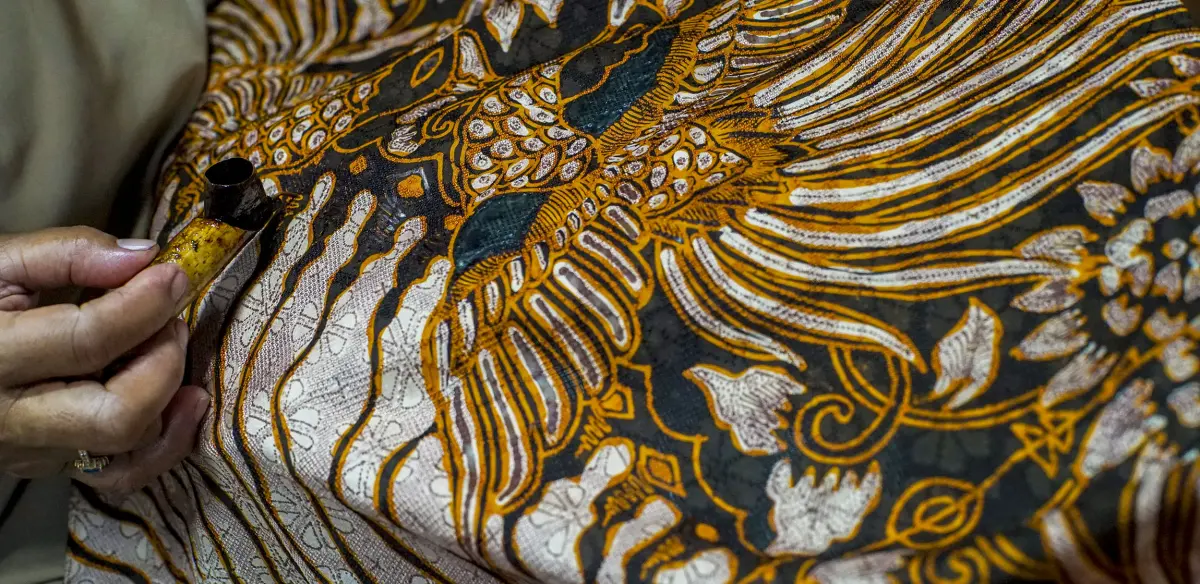
- Apply molten wax using a canting—a small copper pen—or a cap, which is a copper stamp.
- Immerse the fabric in a dye bath, starting with the lightest colors.
- Remove the wax by boiling the fabric in hot water, revealing the original color underneath.
- Repeat the waxing and dyeing process for each additional color in the design.
This sequence allows for complex, multi-colored motifs. Each layer of wax must be applied carefully to ensure the dye does not seep into the protected sections, maintaining the integrity of the pattern.
What are the different types of batik
Batik styles vary significantly based on the region of origin and the tools used for application. Batik tulis is considered the most prestigious form, as it is entirely hand-drawn using a canting. Because every line is drawn by hand, no two pieces of tulis are ever identical, and a single piece can take months to complete.
Batik cap, by contrast, utilizes a copper stamp to apply wax patterns rapidly. This method was developed in the 19th century to increase production speed while maintaining a high level of detail. While cap is more uniform than tulis, it remains a highly respected artisanal practice. Some modern artisans create batik kombinasi, which merges both the hand-drawn tulis and stamped cap techniques to balance intricate artistry with practical production efficiency. These regional variations often reflect local cultural symbols, such as the parang (dagger) or kawung (geometric fruit) motifs found in Central Java.
How long does it take to create batik
The time required to produce a batik textile depends entirely on the complexity of the design and the method of production. A simple batik cap piece might be completed in a few days, as the stamping process is relatively efficient. However, a high-quality batik tulis garment can take anywhere from three months to a full year to finish. The artisan must wait for the dye to set, the wax to harden, and the fabric to dry thoroughly between every single color application.
Because the process is so time-consuming, authentic hand-drawn batik is often expensive and treated as a luxury item. Collectors value the time investment, viewing the finished textile as a piece of wearable art. Even small mistakes during the waxing phase can ruin a piece, forcing the artisan to restart the entire process. This inherent risk and the sheer labor hours involved are the primary reasons why traditional batik remains a premium, artisanal product in global markets.
Common mistakes when making batik
Beginners often encounter frustration when the wax does not penetrate the fabric deeply enough or when the dye leaks into the protected areas. A frequent error is using wax that is not at the correct temperature. If the wax is too cool, it will sit on the surface of the fabric rather than soaking into the fibers, causing the dye to bleed underneath. Conversely, wax that is too hot will become too thin and runny, making it impossible to control the lines of the design.
- Failing to remove all starch from the fabric before starting, which prevents the wax from adhering correctly.
- Using a dye bath that is too hot, which can melt the wax prematurely and ruin the resist effect.
- Moving the canting too quickly, which creates broken lines and inconsistent wax flow.
- Neglecting to "crack" the wax intentionally if a crackle effect is desired, resulting in a flat-looking design.
Always test the wax consistency on a scrap piece of fabric before applying it to your main project.
Why the crackle effect happens in batik
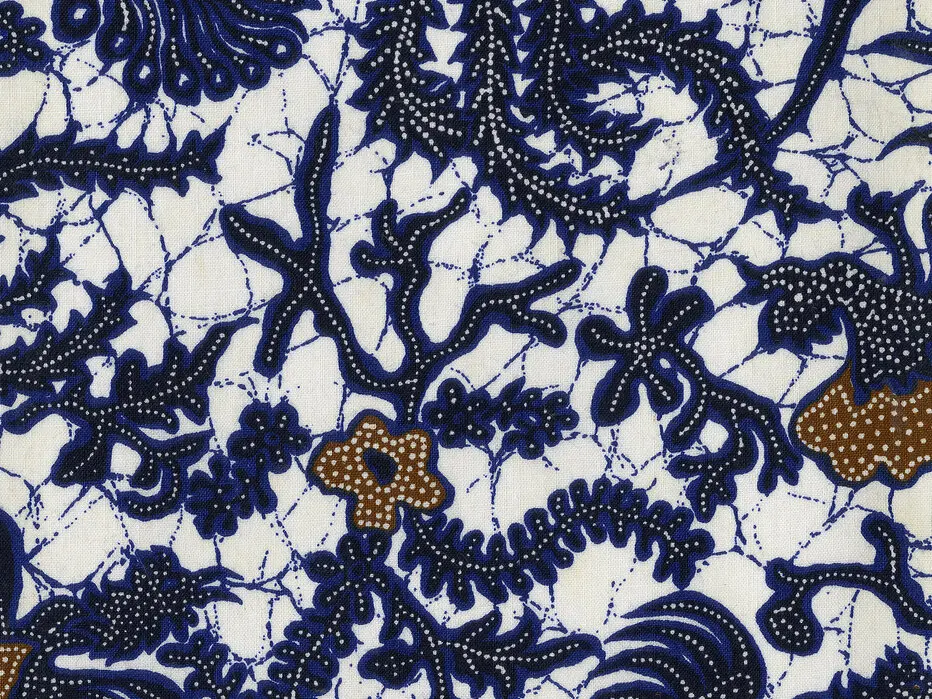
The characteristic crackle effect, known as remukan, is a hallmark of authentic batik. This occurs when the wax layer, which becomes brittle once it cools and hardens, is intentionally or accidentally cracked during the handling of the fabric. When the cloth is dipped into the dye bath, the liquid seeps into these tiny fissures, creating a spiderweb-like network of fine lines. This visual texture adds depth and history to the textile, distinguishing it from mass-produced printed fabrics.
In traditional Javanese batik, the quality of the crackle is often used to judge the skill of the artisan. A controlled, delicate crackle is highly prized, whereas large, uneven breaks might be seen as a flaw. Some modern artists manipulate the fabric specifically to encourage certain crackle patterns, turning the "accidental" nature of the wax-resist process into a deliberate design element. This interplay between the rigid, protective wax and the fluid, penetrative dye is what gives batik its unique, organic aesthetic that remains popular in contemporary fashion and interior design today.
Key facts
- Batik is a wax-resist dyeing technique used to create intricate patterns on fabric, most famously associated with Indonesia.
- The process involves applying molten wax to cloth using a tool called a tjanting (a small copper pen) or a cap (a copper stamp).
- Java, Indonesia, is the historical heart of batik, and the craft was inscribed on the UNESCO Representative List of the Intangible Cultural Heritage of Humanity in 2009.
- Natural dyes like indigo and soga brown were traditionally used, though modern artisans often use synthetic dyes for brighter, more varied color palettes.
- To prevent wax cracking during the dyeing process, avoid over-handling the fabric once the wax has hardened and cooled.
- When removing wax, always use boiling water with a small amount of soda ash to ensure the residue is completely lifted from the fibers.
The bottom line
Batik is a sophisticated textile art form that balances precision with the unpredictable beauty of wax-resist dyeing. By mastering the application of wax and the layering of dyes, artisans transform plain cloth into vibrant, cultural masterpieces. Whether you are a beginner experimenting with a tjanting tool or an enthusiast admiring traditional Indonesian craftsmanship, batik offers a rewarding way to engage with centuries of artistic heritage.
People also ask
What fabrics work best for batik?
Natural fibers such as cotton, silk, and rayon are the best choices because they absorb dye evenly. Synthetic fabrics like polyester often repel the dye or fail to hold the wax properly, leading to poor results.
How do I keep the wax from cracking too much?
Wax cracking is a signature look called remukan, but if you want to avoid it, handle the fabric gently. Keep the cloth flat and avoid folding or wringing it while the wax is brittle.
Can I use a regular paintbrush for batik?
Yes, you can use natural-bristle brushes to apply wax for bold designs or large areas. However, synthetic brushes will melt when they touch the hot wax, so always check the material before starting.
Is batik only for clothing?
While batik is traditionally used for garments like sarongs and headcloths, it is also popular for wall hangings, tablecloths, and home decor. The technique is versatile enough to be applied to any flat textile surface.
How do I fix a mistake if I apply wax in the wrong spot?
If the wax is still warm, you can try to scrape it off carefully with a dull knife. If the wax has already soaked into the fibers, you may need to boil the entire piece to remove the wax and start over.
What is the difference between tjanting and cap batik?
Tjanting batik is hand-drawn, allowing for highly detailed, unique designs that take weeks to complete. Cap batik uses metal stamps for faster production, resulting in repetitive, geometric patterns that are more uniform.
This answer was created with the help of AI research tools and reference sources. Spotted an error? Let us know — we correct mistakes quickly. See our editorial policy.