How do you make a tote bag?
Short answer
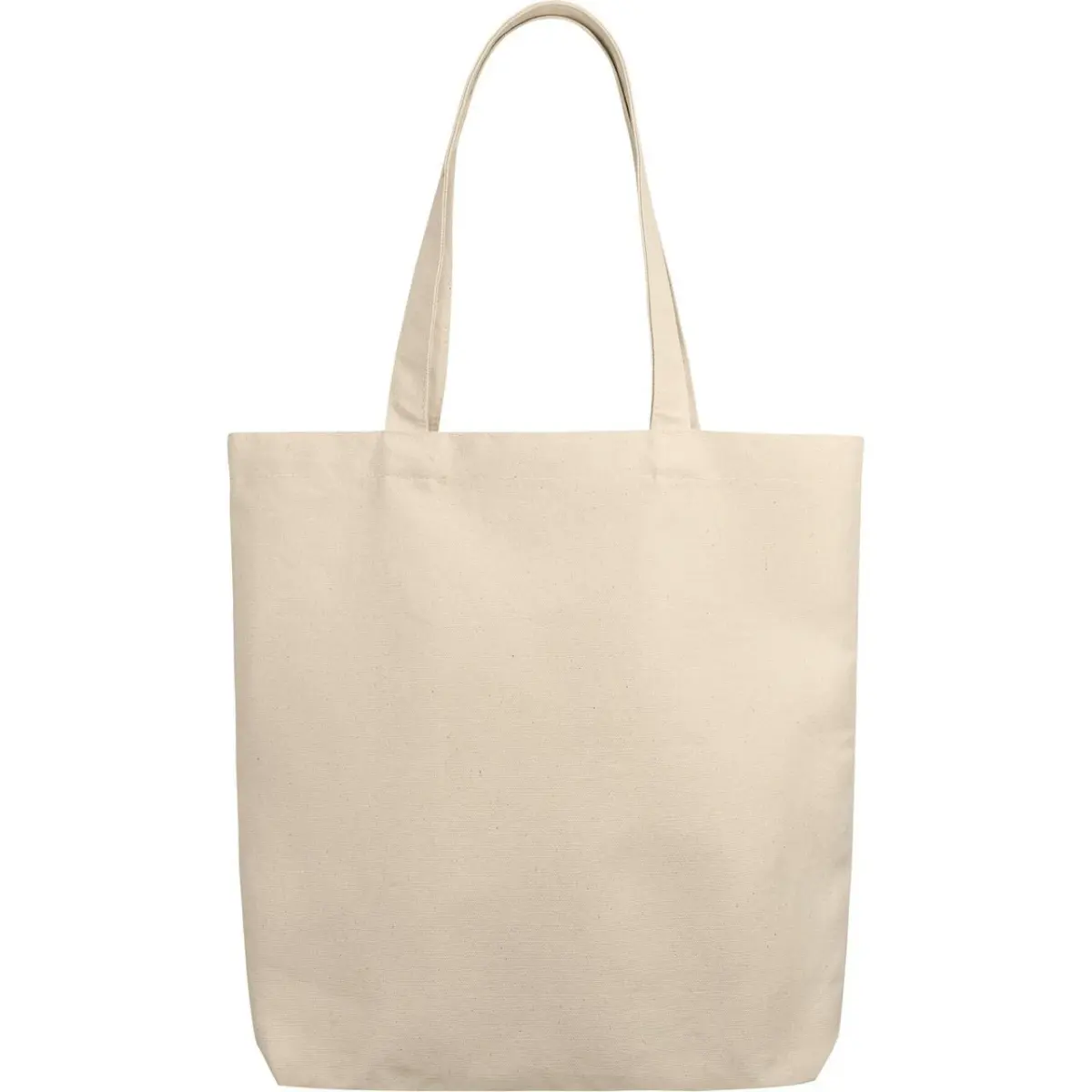
Making a tote bag involves cutting two equal rectangles of durable fabric, sewing the side and bottom seams, and attaching two sturdy straps to the top edge. This simple project requires basic sewing skills, a sewing machine or needle and thread, and about one hour of time to complete from start to finish.

On this page
What materials are best for a tote bag?
Selecting the right fabric is the most critical step in ensuring your tote bag is functional and long-lasting. Canvas, denim, and heavy-duty cotton duck are the industry standards because they withstand the weight of groceries, books, or daily essentials without tearing. Avoid lightweight materials like silk or thin rayon, as these lack the structural integrity required for a load-bearing bag.
You will also need matching polyester thread, which offers more strength than cotton thread. For the straps, you can use the same fabric as the body of the bag or purchase pre-made cotton webbing. Webbing is often preferred by beginners because it is uniform and requires no folding or ironing, saving significant time during the construction process.
- Canvas (10-12 oz weight) for durability.
- Cotton webbing (1-inch or 1.5-inch width) for straps.
- All-purpose polyester thread.
- Sharp fabric shears and sewing pins.
- A sewing machine with a universal needle (size 90/14 or 100/16).
How to prepare and cut the fabric?
Precision during the cutting phase prevents lopsided bags. Start by ironing your fabric to remove all wrinkles, which ensures your measurements are accurate. A standard tote bag size is approximately 15 inches wide by 16 inches tall, though you should add a 0.5-inch seam allowance to all sides. This means you will cut two rectangles measuring 16 inches by 17 inches.
If you are using a patterned fabric, ensure the print is oriented correctly before cutting. Lay the fabric flat on a cutting mat and use a rotary cutter or sharp fabric shears to create clean, straight lines. If your fabric is prone to fraying, you may want to apply a small amount of fray-check liquid or use a zigzag stitch along the raw edges before assembly.
- Lay the fabric flat and mark the dimensions with a chalk pencil.
- Carefully cut the two body panels.
- Cut two strips of fabric for handles, typically 22 inches long by 3 inches wide.
- If using webbing, cut two 22-inch lengths and sear the ends with a lighter to prevent fraying.
How to sew a tote bag step by step?
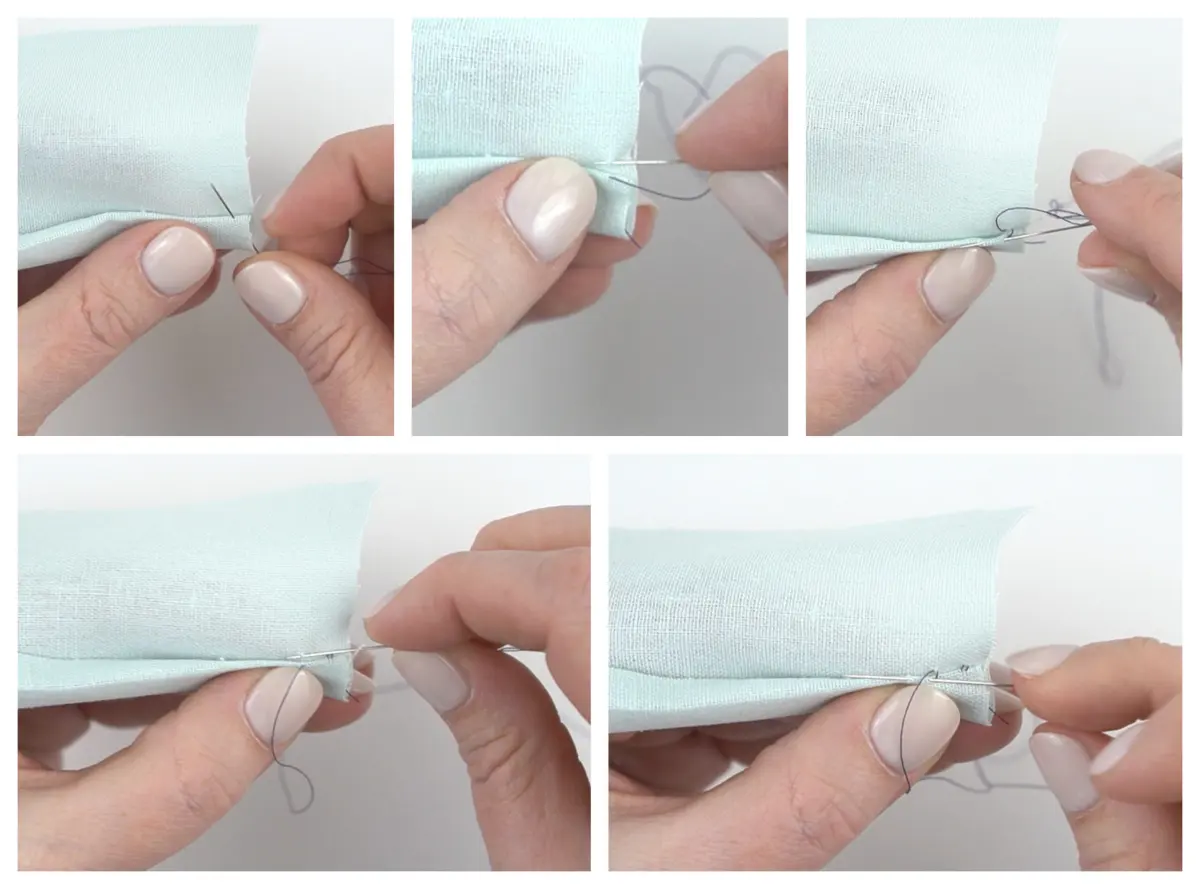
Begin by placing your two body panels together with the "right" sides (the patterned or finished sides) facing each other. Pin the sides and the bottom edge, leaving the top edge open. Sew along these three sides using a 0.5-inch seam allowance. Backstitch at the beginning and end of each seam to lock the thread in place and prevent the bag from unraveling under weight.
Next, fold the top edge of the bag inward by 0.5 inches and press with an iron, then fold it another inch to create a clean hem. Stitch around the perimeter of the top opening to secure the hem. Finally, attach your straps to the inside of the bag, positioning them about 3 inches from the side seams. Use a box-stitch pattern—a square with an X inside—to ensure the straps are securely anchored.
- Pin the panels carefully to prevent shifting while sewing.
- Use a straight stitch length of 2.5mm to 3.0mm for optimal strength.
- Press every seam flat with an iron to give the bag a professional appearance.
- Turn the bag right-side out and poke the bottom corners out with a blunt tool.
How long does it take to make a tote bag?
For an experienced sewer, a basic tote bag can be completed in approximately 30 to 45 minutes. Beginners should allocate between 60 and 90 minutes, as extra time is often needed for measuring, pinning, and troubleshooting thread tension. The process is highly efficient because it relies on simple straight-line sewing rather than complex patterns or zippers.
If you choose to add features like an interior pocket or a magnetic snap closure, add another 30 minutes to your estimated time. Preparing your workspace by gathering all tools beforehand significantly reduces the total duration. By keeping your iron, scissors, and machine within arm's reach, you eliminate unnecessary movement and maintain a steady workflow throughout the construction process.
- Cutting fabric: 10-15 minutes.
- Sewing the main body: 15-20 minutes.
- Preparing and attaching straps: 15-20 minutes.
- Final pressing and finishing touches: 5-10 minutes.
Common mistakes when making a tote bag?
The most frequent error is failing to backstitch, which leads to seams bursting when the bag is filled with heavy items. Always secure your starting and stopping points with a few reverse stitches. Another common issue is using a needle that is too thin; heavy canvas requires a robust needle, such as a denim or universal 100/16 size, to avoid skipped stitches or needle breakage.
Avoid the temptation to skip the ironing process. Pressing your seams open or to one side creates a crisp, professional look that distinguishes a handmade bag from a messy craft project. Finally, ensure your strap placement is symmetrical. If the straps are misaligned by even half an inch, the bag will hang unevenly when carried. Double-check your measurements with a ruler before you begin the final stitching of the handles to the bag body.
Key facts
- Use medium-weight fabrics like cotton canvas or denim for a durable bag that holds its shape.
- A standard finished tote bag size is approximately 14 inches wide by 16 inches tall.
- Pre-wash your fabric before cutting to prevent shrinking after the bag is completed.
- Use a straight stitch with a stitch length of 2.5 millimeters for optimal seam strength.
- Reinforce the handle attachment points by sewing a box with an "X" inside to prevent tearing.
- Always backstitch at the start and end of every seam to secure the thread.
The bottom line
Creating a custom tote bag is an accessible project that blends utility with personal style. By selecting durable materials, measuring precisely, and reinforcing high-stress areas like the handles, you can produce a professional-quality accessory. Whether you are a beginner or an experienced crafter, focusing on clean seams and proper fabric preparation ensures your finished bag remains functional and resilient for years of daily use.
People also ask
What is the best type of fabric for a beginner project?
Heavyweight cotton or sturdy linen are ideal because they do not stretch or slip under the sewing machine needle. Avoid stretchy jersey knits or delicate silks, which are difficult for novices to handle.
How long should the handles be for a shoulder bag?
A total handle length of 22 to 24 inches is standard for carrying a bag comfortably over the shoulder. If you prefer to carry the bag by hand, a 12 to 14-inch handle length is sufficient.
Do I need a sewing machine to make a tote bag?
While a sewing machine is faster, you can successfully hand-sew a tote using a backstitch. This technique creates a strong, durable seam that mimics the security of a machine-made stitch.
How can I make the bottom of the bag wider?
You can create a "boxed" bottom by sewing across the bottom corners of the bag at a 45-degree angle. This simple structural adjustment allows the bag to sit flat and hold more items.
What is the purpose of interfacing?
Interfacing is a stiffening fabric applied to the inside of the bag to provide structure and prevent sagging. It is particularly useful if you are using a thinner fabric for your outer shell.
How do I calculate the amount of fabric needed?
For a standard tote, one yard of 44-inch wide fabric is usually enough to create the body and handles. Always buy an extra quarter-yard to account for potential cutting errors or pattern matching.
This answer was created with the help of AI research tools and reference sources. Spotted an error? Let us know — we correct mistakes quickly. See our editorial policy.