How do you start kayaking?
Short answer
Starting kayaking involves choosing a stable recreational boat, wearing a properly fitted personal flotation device (PFD), and learning basic paddle strokes in calm, shallow water. Prioritize safety by taking a professional lesson, checking weather conditions, and always paddling with a partner to ensure a controlled and enjoyable introduction to the sport.
On this page
How to choose a kayak for beginners
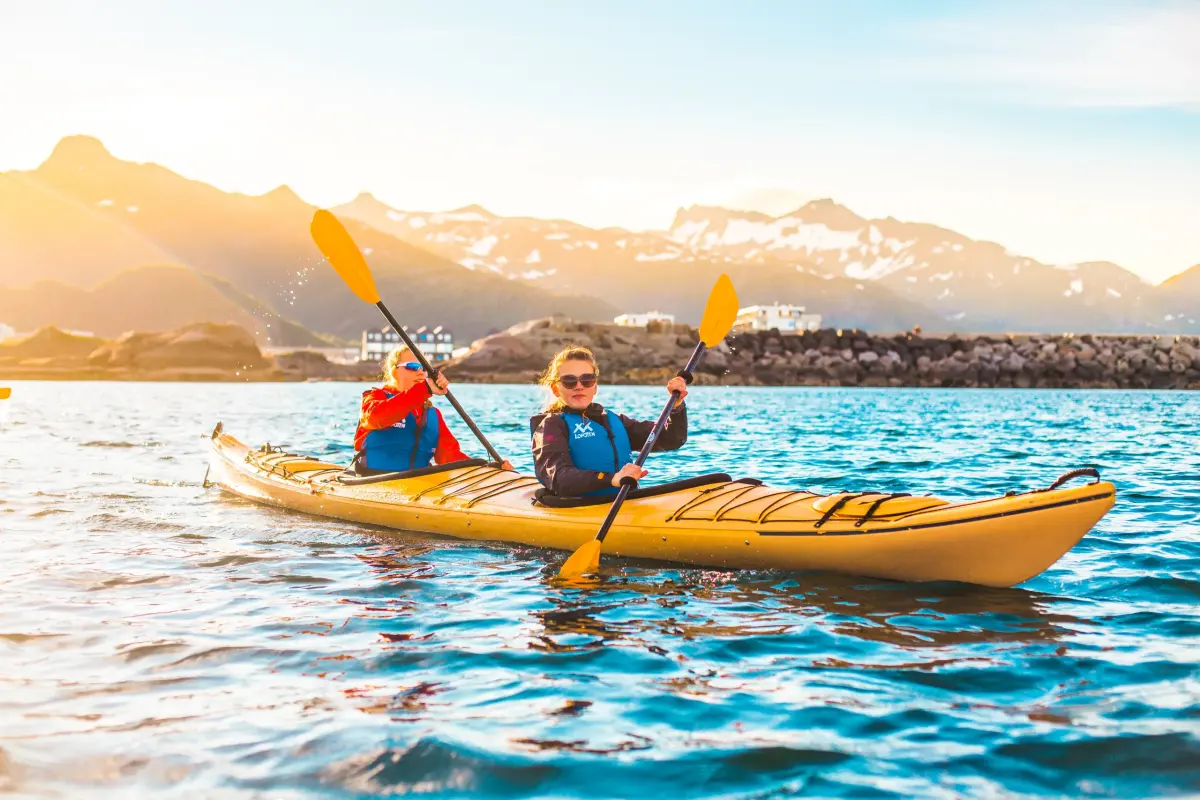
Selecting the right vessel is the most critical step for a novice. For your first outings, look for a recreational kayak, which typically measures between 9 and 12 feet in length. These boats feature wider hulls and larger cockpits, providing superior stability and easy entry compared to narrow, high-performance sea kayaks or racing shells.
Consider the material and design based on your intended environment. Rotomolded polyethylene is the standard material for beginners because it is highly durable, impact-resistant, and relatively affordable. Before purchasing, visit a local outfitter to "sit in" several models. A proper fit ensures your knees can comfortably brace against the sides, which provides the control necessary for maneuvering.
- Sit-inside kayaks: Offer a enclosed cockpit, keeping your lower body dry and protected from wind.
- Sit-on-top kayaks: Provide an open deck, making them easier to re-enter if you capsize and ideal for warm climates.
- Weight capacity: Ensure the boat’s maximum weight rating exceeds your body weight plus the weight of your gear by at least 25 percent.
What gear do you need to start kayaking
Safety equipment is non-negotiable for every paddler. A U.S. Coast Guard-approved personal flotation device (PFD) is the most important piece of gear you will own. Choose a vest specifically designed for paddling, which features larger armholes to prevent chafing while you perform repetitive rowing motions. Always test the fit to ensure it does not ride up over your chin when you are in the water.
Beyond the PFD, you will need a paddle sized to your height and the width of your kayak. Most recreational paddlers use a paddle between 210 and 230 centimeters in length. You should also carry a whistle for signaling distress and a bilge pump to remove water from your cockpit. If you plan to paddle in cooler temperatures, wear synthetic or wool layers rather than cotton, which loses its insulating properties when wet.
- Wear a PFD at all times, regardless of your swimming ability.
- Use a whistle attached to your PFD for emergency signaling.
- Carry a basic first-aid kit in a waterproof dry bag.
- Dress for the water temperature, not just the air temperature.
How to learn basic kayaking strokes
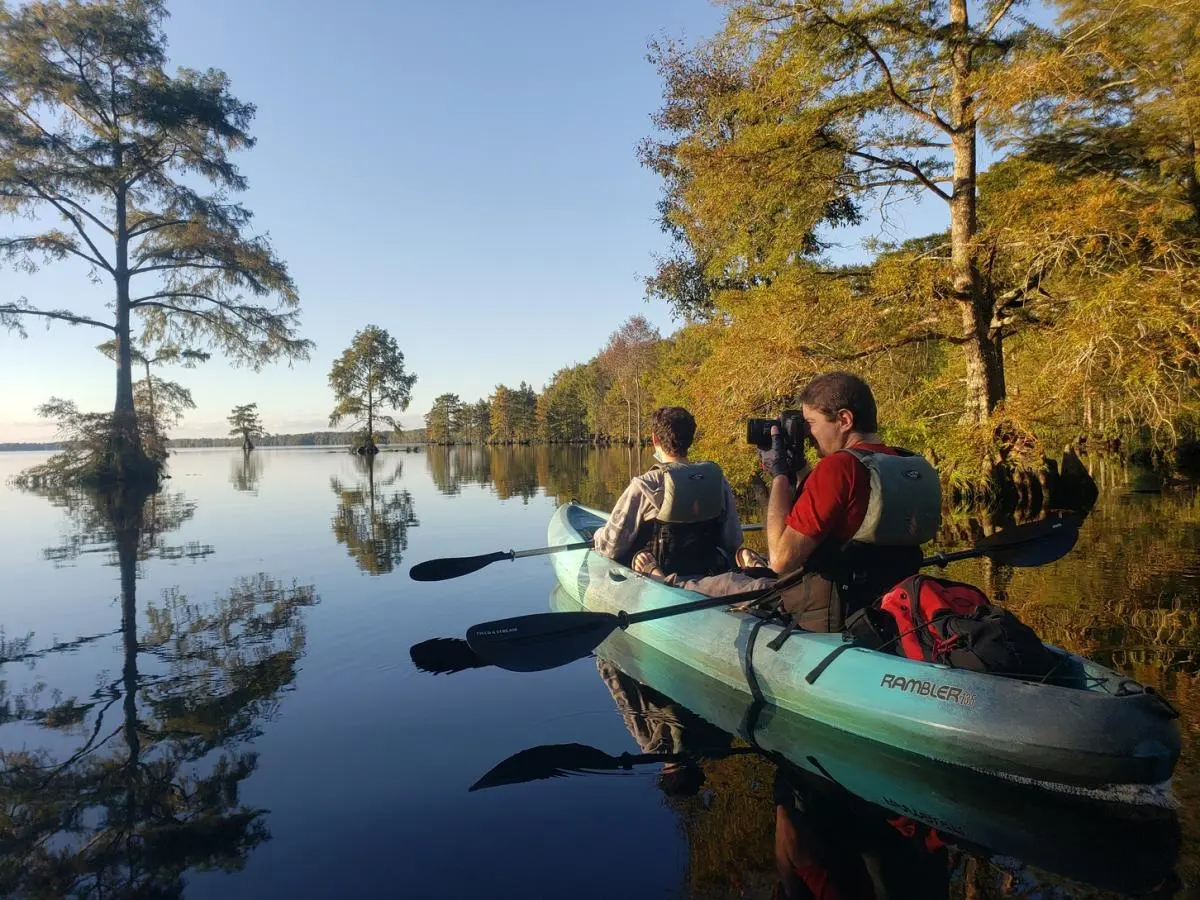
Efficient paddling relies on your torso rather than your arms. To perform a forward stroke, place your paddle blade in the water near your feet and pull it back toward your hip. As you pull, rotate your entire torso to engage your core muscles, which prevents shoulder fatigue and allows you to paddle for longer durations without soreness.
Steering is achieved through sweep strokes and ruddering. A sweep stroke involves making a wide arc with the paddle, moving from the bow toward the stern, which turns the kayak in the opposite direction. For minor adjustments, keep your paddle in the water behind you and apply pressure to the blade on the side toward which you wish to turn. Practice these motions in shallow water until they feel fluid and natural.
- Forward stroke: Use core rotation to maximize power and efficiency.
- Reverse stroke: Place the blade near your hip and push forward to stop or move backward.
- Draw stroke: Reach out to the side and pull the water toward the boat to move laterally.
Where to find safe places to kayak
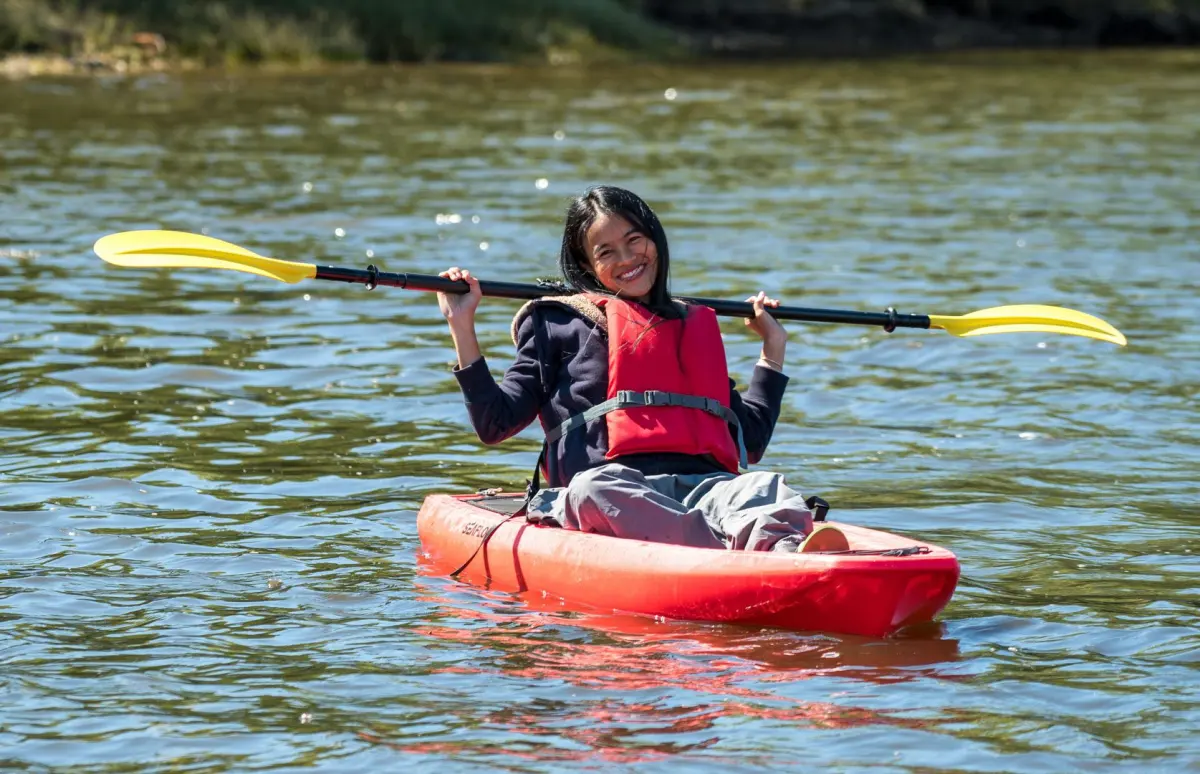
Beginners should stick to calm, protected bodies of water where the current is minimal and boat traffic is low. Small lakes, slow-moving ponds, and sheltered bays are ideal environments for your first few sessions. Avoid rivers with rapids, moving water, or high-traffic shipping channels until you have developed advanced boat handling skills and rescue techniques.
Before heading out, research your location using nautical charts or local paddling guides. Check the weather forecast specifically for wind speed and direction, as even a light breeze can make paddling difficult for a beginner. Always inform someone of your planned route and your expected return time. If you are unsure about a location, contact a local kayak club or rental shop for advice on current water conditions and hazards.
Common mistakes when starting to kayak
The most frequent error beginners make is leaning away from the direction of a tilt. If your kayak begins to tip, your instinct may be to lean toward the stable side, but this actually increases the likelihood of a capsize. Instead, keep your upper body centered over the boat’s midline and use your hips to balance the kayak beneath you.
Another common mistake is neglecting to check the weather or failing to account for wind. Beginners often underestimate how quickly conditions can change on open water. Additionally, avoid paddling alone during your first several outings; having an experienced partner provides a safety net and allows you to learn from their technique. Finally, never skip the "wet exit" practice, which involves intentionally capsizing in shallow water to learn how to exit the boat calmly. Mastering this skill early will significantly increase your confidence and safety on the water.
Key facts
- Always wear a US Coast Guard-approved personal flotation device (PFD) whenever you are on or near the water.
- Choose a sit-on-top kayak for your first experience, as they are stable, easy to board, and self-draining.
- Keep your paddle grip shoulder-width apart with the blades angled so the "scoop" faces toward you.
- Use your torso and core muscles to power your strokes rather than relying solely on your arms.
- Check local weather forecasts and wind speeds before launching, as gusts over 10 mph can make paddling difficult for beginners.
- Carry a whistle attached to your life jacket to signal for help in an emergency.
The bottom line
Starting your kayaking journey requires prioritizing safety through proper gear and selecting calm, protected waters. By mastering basic paddle strokes and learning how to re-enter your boat, you gain the confidence to explore safely. Always respect the weather, stay hydrated, and never paddle alone. With these foundational skills and a focus on preparation, you can enjoy the physical and mental benefits of this rewarding outdoor activity.
People also ask
Do I need to know how to swim to kayak?
You should be a confident swimmer to kayak, as there is always a risk of capsizing. Even with a life jacket, the ability to tread water and remain calm is essential for your safety.
How do I choose the right size paddle?
Paddle length depends on your height and the width of your kayak. A general rule for a recreational boat is a paddle between 220 and 240 centimeters.
What should I wear when kayaking?
Wear synthetic, moisture-wicking fabrics that dry quickly and protect you from the sun. Avoid cotton, which becomes heavy and cold when wet, and always wear water shoes with a heel strap.
How do I get back into a kayak if I fall out?
If you capsize, stay with the boat and swim it to shallow water if possible. Use a "re-entry" technique by grabbing the side, kicking your legs to the surface, and sliding your torso over the seat.
Is it better to kayak in a lake or a river?
Beginners should start on calm, flat water like a small lake or pond. Rivers often feature currents, hidden obstacles, and changing water levels that require advanced maneuvering skills.
How do I transport a kayak to the water?
Use a kayak cart or dolly to wheel your boat from your vehicle to the launch site. If you must carry it by hand, use the cockpit rim or carry handles and lift with your legs to avoid back strain.
This answer was created with the help of AI research tools and reference sources. Spotted an error? Let us know — we correct mistakes quickly. See our editorial policy.