How do you start learning guitar?
Short answer
Learning guitar begins with acquiring a suitable instrument, learning basic posture, and mastering fundamental open chords. Consistency is more important than duration; practicing for 20 minutes daily yields faster progress than one long weekly session. Utilize structured online lessons, mobile applications, or professional instruction to build a strong, sustainable technical foundation.
On this page
How to choose a beginner guitar
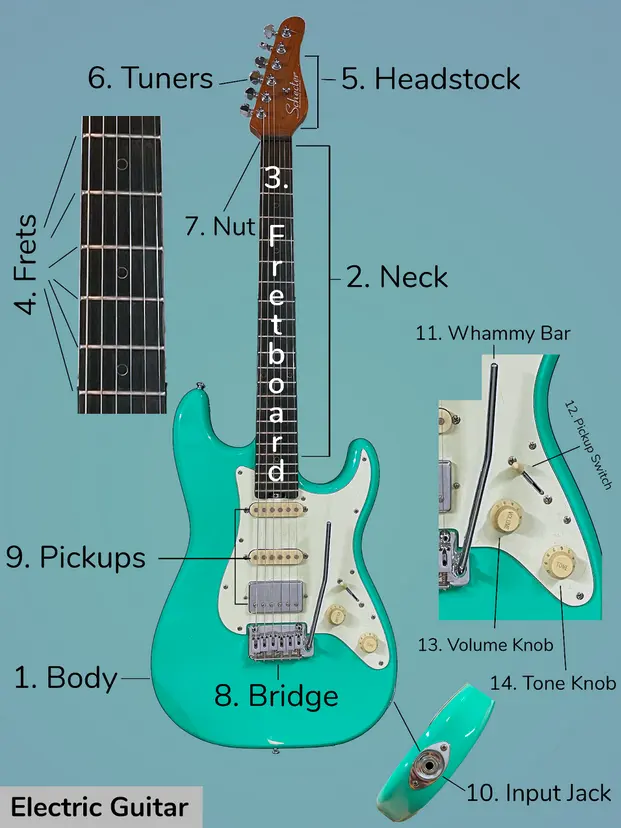
Selecting the right instrument is the most critical first step in your musical journey. Beginners should choose between an acoustic guitar, which uses hollow-body resonance, or an electric guitar, which requires an amplifier. Acoustic guitars are often recommended for their simplicity, as they require no extra equipment, while electric guitars feature thinner strings and lower action, making them physically easier to press down for novice players.
When shopping, prioritize playability over aesthetics. A guitar with high "action"—the distance between the strings and the fretboard—will be unnecessarily difficult to play and may discourage progress. Visit a local music shop to hold different models and ensure the neck size fits comfortably in your hand. If purchasing online, look for reputable brands like Yamaha, Fender, or Squier, which maintain consistent quality control standards even at entry-level price points.
- Set a budget that includes accessories like a tuner, picks, and a gig bag.
- Ensure the guitar is "setup" by a professional to ensure the strings are at an optimal height.
- Choose a size that matches your physical build, such as a 3/4 scale guitar for younger students or smaller adults.
How long does it take to learn guitar
The time required to achieve proficiency varies significantly based on your goals and practice habits. Most beginners can learn to play a few simple songs with three or four basic chords within the first month of consistent practice. Reaching an intermediate level, where you can comfortably transition between complex chords and play along with recordings, typically takes six to twelve months of dedicated study.
Progress is rarely linear, and you will likely encounter plateaus where your skill level feels stagnant. These periods are normal and often precede a breakthrough in dexterity or musical understanding. To maintain momentum, track your practice sessions and set small, achievable goals, such as mastering a specific chord transition or learning a single riff. Remember that professional musicians often spend decades refining their craft, so focus on personal improvement rather than comparing your speed to others.
- Dedicate at least 20 minutes daily to focused practice.
- Use a metronome to develop a sense of rhythm from your very first lesson.
- Record yourself playing to identify areas where your timing or note clarity needs improvement.
Best practice routine for beginners
An effective practice routine balances technical exercises with the enjoyment of playing music. Start every session with a five-minute warm-up, such as simple finger stretches or playing scales, to prepare your hands. Spend the next ten minutes working on specific challenges, such as chord changes or learning a new song, then finish with five minutes of playing something you already know well to build confidence.
Consistency is far more effective than sporadic, long practice sessions. Your brain and fingers need time to develop "muscle memory," which is best achieved through frequent repetition. If you only have ten minutes, use them to focus exclusively on one chord transition. By breaking your practice into smaller, manageable segments, you prevent physical strain and keep your engagement high, which is essential for long-term success.
- Warm up your fingers with chromatic exercises on the first four frets.
- Practice chord transitions using a metronome set to a slow tempo.
- Spend time learning the melody of a song you enjoy to keep motivation high.

Why finger pain happens
Finger pain is a universal experience for beginners and is caused by the skin on your fingertips not yet being accustomed to the pressure of steel or nylon strings. As you press the strings against the metal frets, you create friction and localized pressure, which leads to soreness or minor skin irritation. This is a temporary phase that typically lasts for two to four weeks as your body develops calluses.
Calluses are thickened, hardened patches of skin that protect your fingertips and allow you to play for longer periods without discomfort. To manage the pain, avoid over-practicing, which can cause blisters or skin breakage. If your fingers become raw, take a day or two off to allow the skin to heal and harden naturally. Never use chemicals or abrasive tools to force calluses to form, as this can damage your skin and lead to infection.
- Keep your fingernails trimmed short to ensure you can press strings cleanly.
- Use a light touch; beginners often press much harder than is necessary to produce a clear sound.
- If the pain is sharp or causes bleeding, stop immediately and rest your hands for several days.
Common mistakes when learning guitar
The most frequent error beginners make is neglecting proper posture and hand positioning. Slouching or holding the guitar at an awkward angle can lead to repetitive strain injuries in your wrists, shoulders, and back. Always sit upright with the guitar neck angled slightly upward, and keep your thumb positioned behind the neck rather than wrapping it over the top, which provides better leverage for your fingers.
Another common mistake is attempting to learn material that is too advanced too quickly. Trying to play complex solos before mastering basic chord shapes leads to frustration and poor technique. Focus on building a strong foundation with open chords like G, C, D, Em, and Am. Once you have mastered these, you will be able to play thousands of popular songs, providing a much higher sense of accomplishment and a smoother path toward advanced techniques.
Key facts
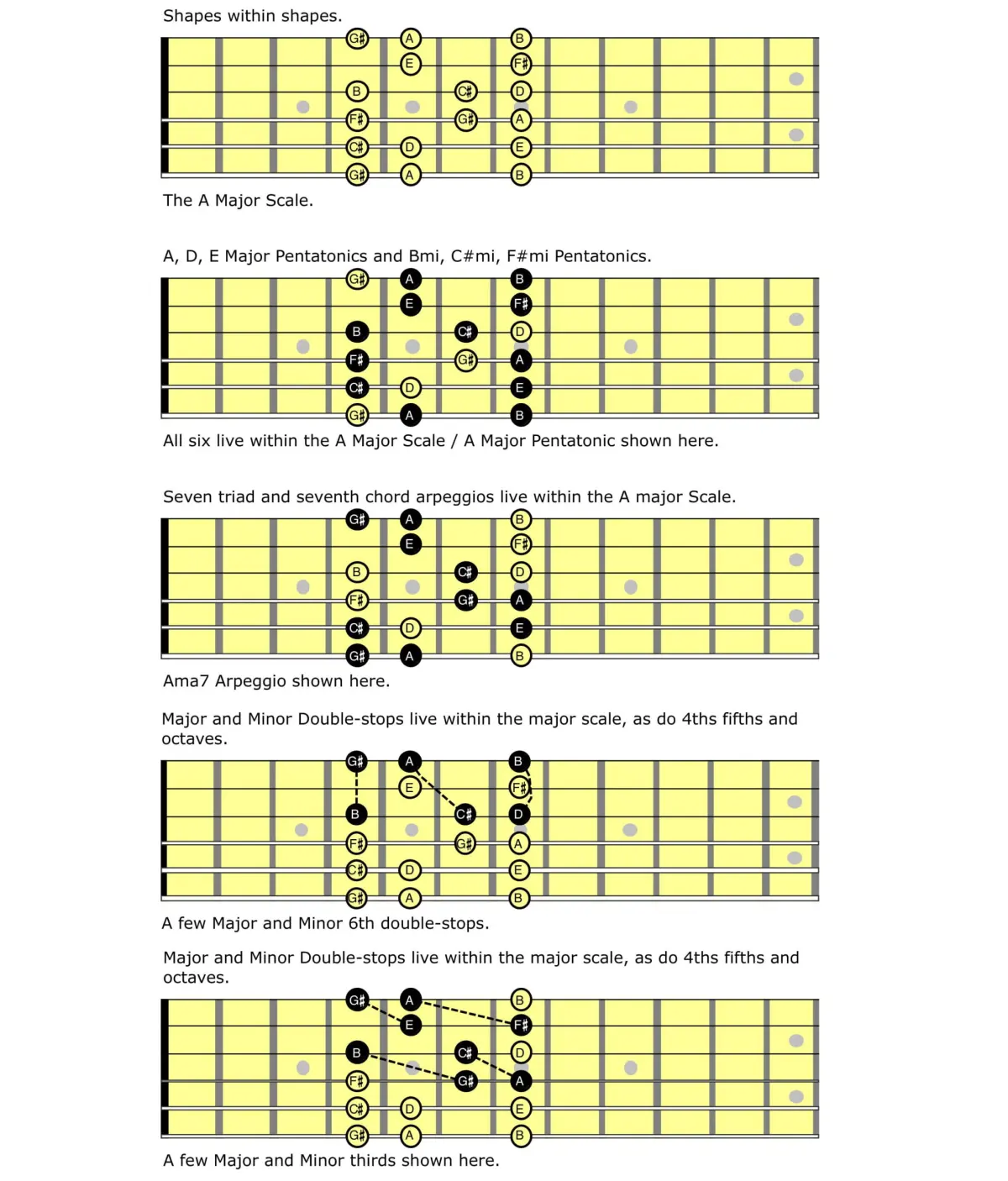
- A standard acoustic or electric guitar has six strings, tuned E-A-D-G-B-E from lowest to highest pitch.
- Beginners should prioritize learning "open chords," such as G major, C major, and D major, which are played near the nut.
- Use a digital chromatic tuner or a smartphone app to ensure your guitar is in tune before every practice session.
- Calluses will form on your fingertips after two to four weeks of regular practice, eventually eliminating initial soreness.
- Aim for short, consistent practice sessions of 15 to 20 minutes daily rather than one long weekly session.
- Proper posture, keeping your back straight and the guitar neck angled slightly upward, prevents long-term muscle strain.
The bottom line
Learning guitar is a rewarding journey that requires patience, consistency, and the right tools. By focusing on fundamental open chords, maintaining a regular practice schedule, and ensuring your instrument is properly tuned, you will build a solid foundation. Avoid the common mistake of overexerting your hands; instead, prioritize comfort and accuracy. With steady dedication, you will soon be able to play your favorite songs with confidence.
People also ask
Should I start on an acoustic or electric guitar?
An acoustic guitar is often recommended for beginners because it requires no extra equipment, but electric guitars have thinner strings that are easier to press down. Choose the instrument that matches the style of music you enjoy most.
How long does it take to become proficient?
Most students can learn to play basic songs within three months of consistent practice. Reaching an intermediate level of skill typically requires one to two years of focused study.
Do I need to learn how to read sheet music?
You do not need to read traditional notation to play guitar. Most guitarists use "tablature," a simplified system that shows you exactly which strings and frets to press.
Is it necessary to take private lessons?
Private lessons provide immediate feedback on your technique, which helps prevent bad habits. However, high-quality online courses and instructional books are effective alternatives for self-motivated learners.
Why do my fingers hurt when I play?
Finger pain is normal for beginners because the skin on your fingertips is not yet conditioned to the pressure of steel or nylon strings. This discomfort will subside as your skin toughens and you learn to apply only the necessary amount of force.
How often should I change my guitar strings?
You should change your strings every three to six months if you play regularly. Old strings lose their brightness, become prone to rusting, and are more difficult to keep in tune.
This answer was created with the help of AI research tools and reference sources. Spotted an error? Let us know — we correct mistakes quickly. See our editorial policy.