What is the difference between a fable and a fairy tale?
Short answer
Fables are short, didactic stories featuring anthropomorphic animals that illustrate a specific moral lesson. In contrast, fairy tales are longer, imaginative narratives involving magic, folklore, and supernatural beings like fairies or giants. While fables aim to instruct the reader on human behavior, fairy tales primarily focus on entertainment and overcoming adversity.
On this page
What are the main characteristics of a fable?
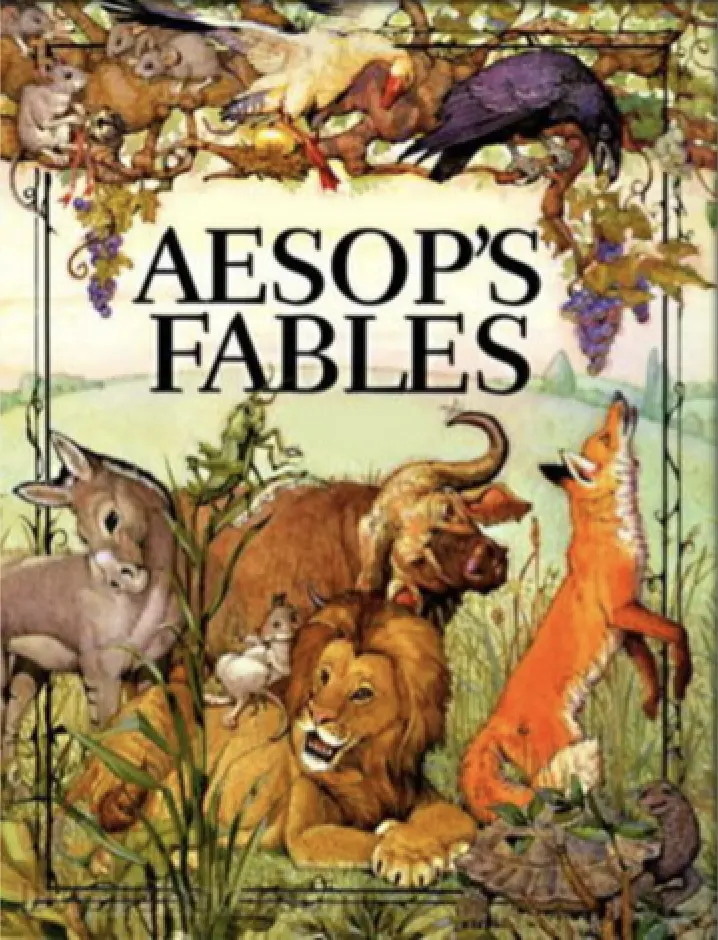
A fable is a concise literary genre designed to convey a practical moral or ethical lesson. These stories typically feature animals, plants, or inanimate objects that possess human traits, such as the ability to speak or reason. By using non-human characters, fables allow authors to critique human nature and social behaviors without directly targeting specific individuals, making the message more palatable and universal.
The structure of a fable is intentionally simple and focused. The narrative usually centers on a single conflict that leads to a clear, often explicitly stated, moral at the end. Famous examples include the works of Aesop, a storyteller from ancient Greece, and Jean de La Fontaine, a 17th-century French poet. Because they are brief and instructional, fables have been used for centuries as pedagogical tools to teach children and adults about virtues like honesty, patience, and humility.
- Characters are often archetypes representing specific traits, such as the cunning fox or the slow but steady tortoise.
- The setting is usually minimal, serving only as a backdrop for the interaction between characters.
- The plot moves quickly toward a resolution that proves the moral point.
How do fairy tales differ from fables?
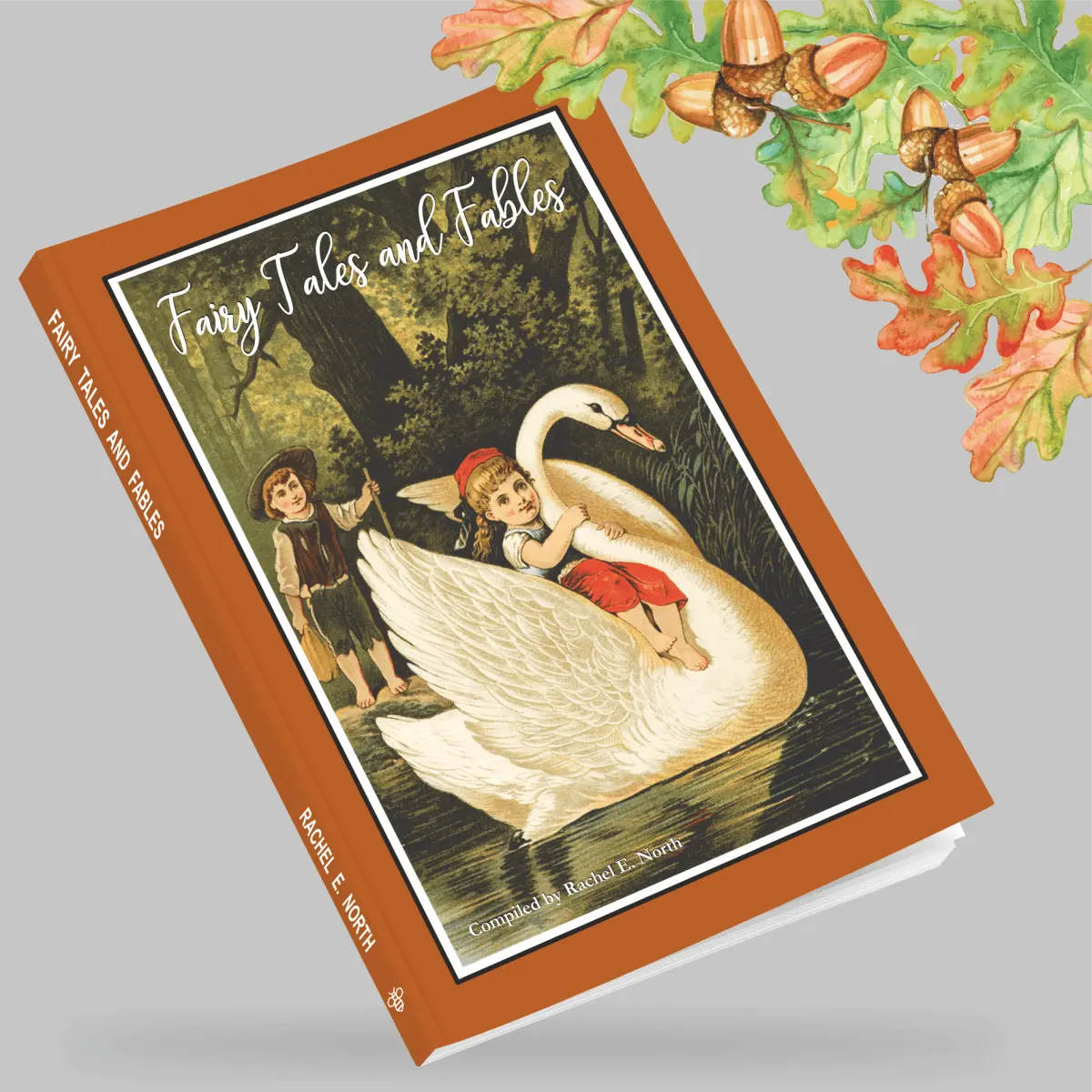
Fairy tales are traditional narratives that belong to the realm of folklore and fantasy. Unlike fables, which are grounded in moral instruction, fairy tales often focus on the journey of a protagonist who must navigate a world filled with magic, enchantments, and supernatural obstacles. These stories frequently feature royalty, mythical creatures, and witches, reflecting the cultural values and fears of the societies from which they originated.
The scope of a fairy tale is generally broader than that of a fable. These stories often follow a complex narrative arc involving a quest, a series of trials, and a transformation. While they may contain underlying themes or warnings, the primary purpose is to capture the imagination and provide a sense of wonder. The Brothers Grimm and Hans Christian Andersen are among the most influential collectors and authors of fairy tales, having standardized many stories that remain popular in global culture today.
- Establish a magical or fantastical setting.
- Introduce a protagonist facing a significant challenge or injustice.
- Incorporate supernatural elements or helpers to drive the plot.
- Conclude with a resolution that often involves a change in status or fortune.
Why do people confuse fables and fairy tales?
The confusion between these two genres often stems from their shared history as oral traditions. Both fables and fairy tales were passed down through generations by word of mouth before they were ever written down. Because they both feature non-realistic elements—such as talking animals or magic—readers often group them together under the broad umbrella of children's literature or folklore. This overlap is further reinforced by modern media, which frequently adapts both types of stories into animated films or picture books.
Another reason for the confusion is that some stories contain elements of both genres. A fairy tale might include a talking animal that offers advice, while a fable might incorporate a touch of magic to facilitate its moral lesson. However, the distinction remains clear when examining the primary intent of the narrative. If the story’s ultimate goal is to deliver a specific, actionable lesson about human conduct, it leans toward a fable. If the goal is to immerse the reader in a fantastical adventure, it is a fairy tale.
Common mistakes when identifying these genres
A frequent error is assuming that any story featuring animals is automatically a fable. While animals are the hallmark of fables, they also appear in many fairy tales, such as "Puss in Boots" or "The Frog Prince." In these cases, the animal is a character within a magical narrative rather than a vessel for a moral lesson. To avoid this mistake, look at the conclusion of the story: if it ends with a moral summary, it is likely a fable.
Another common mistake is judging a story solely by its length. While fables are typically short, some modern fables can be quite elaborate, and some fairy tales are condensed into short versions for younger audiences. Instead of focusing on word count, analyze the plot's motivation. Does the story exist to teach you how to behave in society, or does it exist to show you how a character overcomes a magical threat? Focusing on the "why" rather than the "how long" will provide a much more accurate classification.
How to use these stories for learning
If you are using these stories for educational purposes, it is helpful to select them based on your goals. Use fables when you want to discuss specific character traits or ethical dilemmas with students. Because fables are short, they are excellent for quick discussions and can be easily analyzed for their underlying logic. You might ask students to rewrite a fable with modern characters to see if the moral remains effective in a contemporary setting.
For fairy tales, focus on the literary elements of the story, such as symbolism, character development, and cultural context. These stories are perfect for exploring how different cultures view concepts like heroism, greed, and love. You can also encourage creative writing by having students invent their own magical creatures or create a new trial for a classic fairy tale protagonist. By understanding the unique functions of both genres, you can better appreciate the rich history and diverse storytelling methods that have shaped human literature for thousands of years.
Key facts
- Fables always include a specific moral lesson, while fairy tales focus on entertainment and wonder.
- Characters in fables are typically anthropomorphic animals, whereas fairy tales feature humans, royalty, and magical creatures.
- Fables are generally short and concise, while fairy tales often follow complex, multi-part plot structures.
- Aesop, a Greek storyteller from the 6th century BCE, is the most famous figure associated with the fable genre.
- Fairy tales often involve supernatural elements like spells, curses, and transformations, which are rarely found in fables.
- Avoid confusing the two by checking if the story ends with an explicit "moral of the story" statement; if it does, it is likely a fable.
The bottom line
The fundamental distinction between these genres lies in their purpose and composition. Fables are brief, didactic narratives designed to impart a specific moral lesson, frequently utilizing animals as proxies for human behavior. Fairy tales are longer, imaginative stories centered on magical occurrences and human protagonists. While both belong to the broader category of folklore, understanding their intent helps identify whether a story aims to instruct or enchant.
People also ask
Are all stories featuring talking animals considered fables?
Not necessarily, as many children's books use talking animals for humor or adventure rather than to teach a moral. A true fable must prioritize the lesson above the narrative arc.
Can a fairy tale contain a moral lesson?
Yes, many fairy tales include underlying themes about kindness or bravery, but the lesson is usually secondary to the plot. Fables, by contrast, are constructed specifically to deliver a didactic message.
Who are the most famous authors of fairy tales?
The Brothers Grimm, Jacob and Wilhelm, are the most prominent collectors of European fairy tales, publishing their work in the early 19th century. Hans Christian Andersen is another definitive figure known for his original literary fairy tales.
Do fables always have happy endings?
Fables do not require a happy ending, as their primary goal is to illustrate a consequence or a truth. If a character acts foolishly, the fable may end with their downfall to reinforce the moral.
Is a folk tale the same thing as a fairy tale?
Folk tales are broader, encompassing myths and legends from oral traditions, while fairy tales are a specific subgenre. Fairy tales are distinguished by their heavy reliance on magic and clearly defined magical settings.
Can a story be both a fable and a fairy tale?
Rarely, because the intent of the two genres differs significantly. A story meant to teach a lesson through animal behavior is structurally distinct from a narrative focused on the magical journey of a human protagonist.
This answer was created with the help of AI research tools and reference sources. Spotted an error? Let us know — we correct mistakes quickly. See our editorial policy.