Who was Alexander Mackenzie?
Short answer
Alexander Mackenzie was a Scottish-born explorer and fur trader who achieved the first recorded transcontinental crossing of North America north of Mexico. Between 1789 and 1793, he navigated the river that now bears his name to the Arctic Ocean and successfully reached the Pacific coast, significantly expanding British territorial claims.
On this page
Who was Alexander Mackenzie?
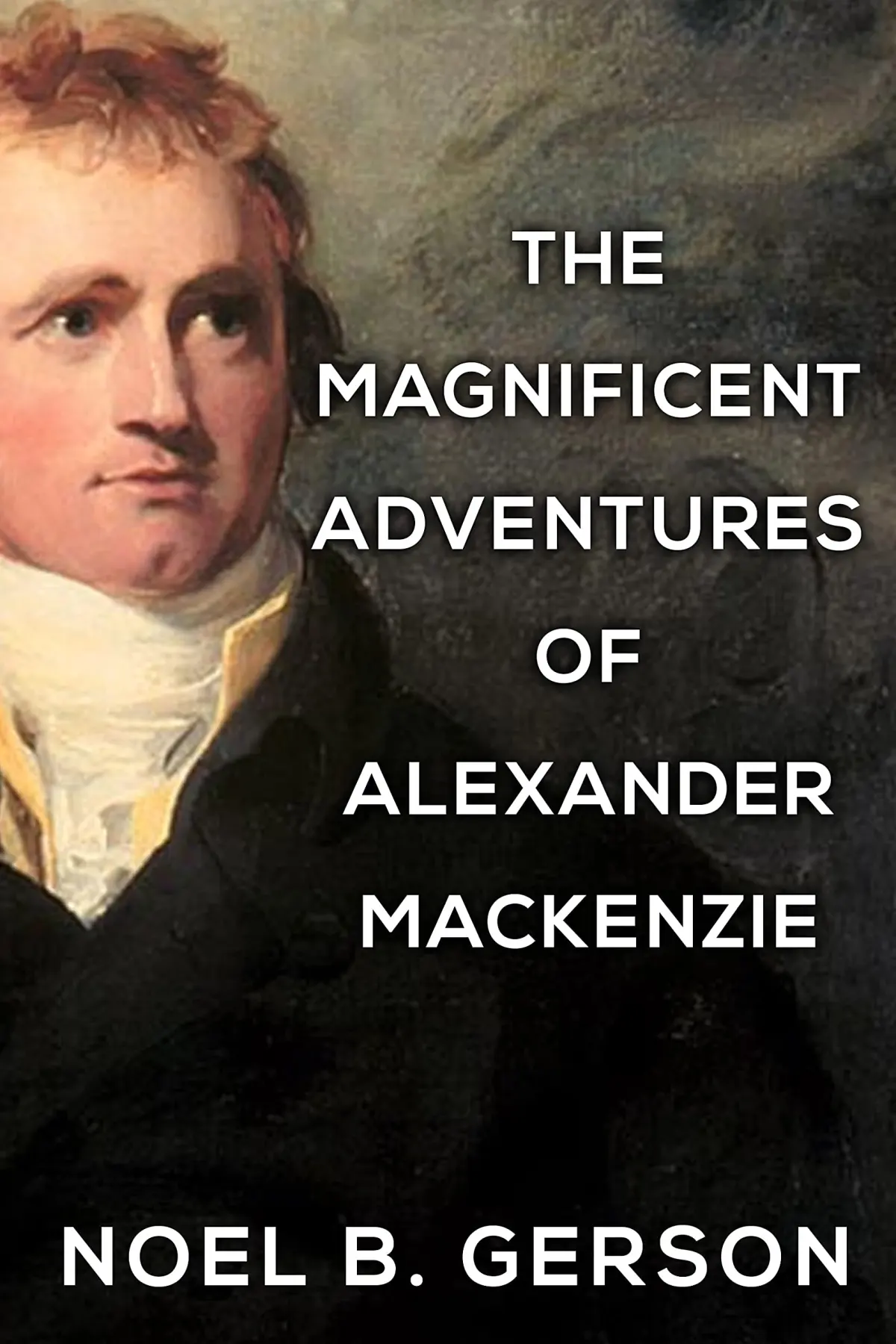
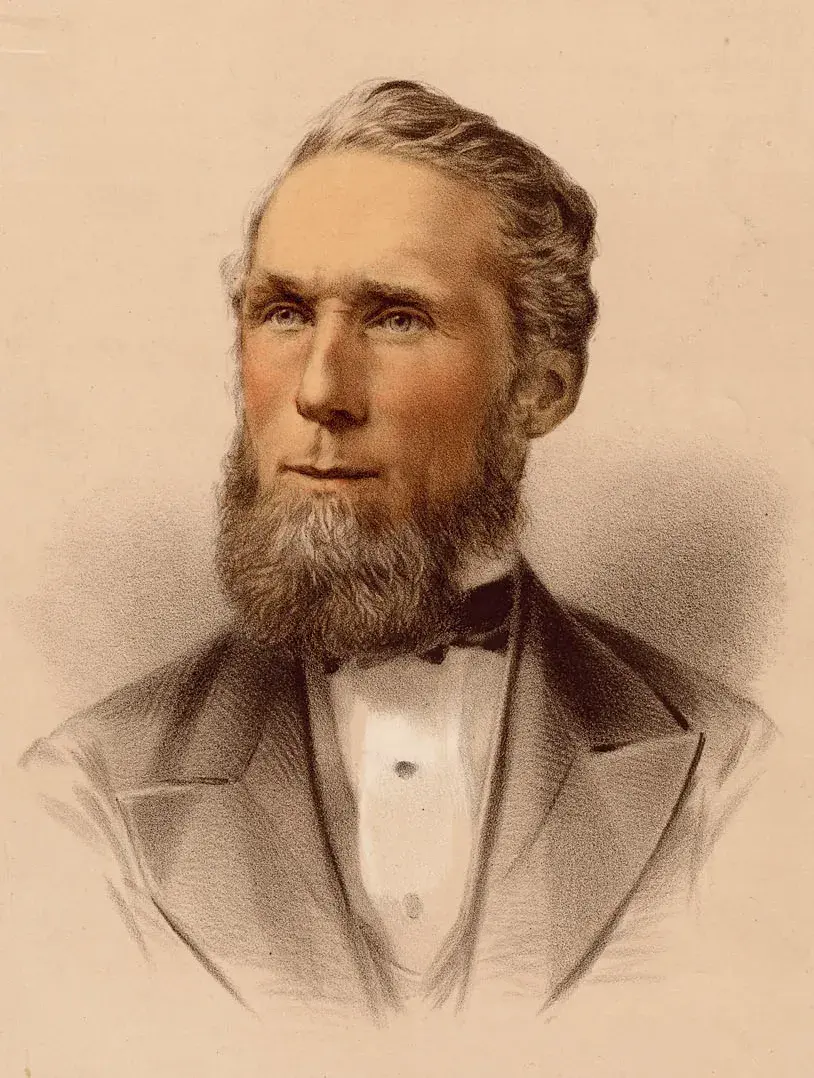
Alexander Mackenzie was born in 1764 in Stornoway, Scotland, and later immigrated to Canada as a young man to pursue a career in the fur trade. He became a partner in the North West Company, a powerful rival to the Hudson's Bay Company, which dominated the Canadian interior. Driven by commercial ambition and a desire to find a water route to the Pacific, he leveraged his position to fund and organize ambitious expeditions into the unknown wilderness.
His legacy is defined by his tenacity as a navigator and his meticulous record-keeping. Unlike many contemporaries who focused solely on profit, Mackenzie documented the geography, flora, fauna, and Indigenous cultures he encountered. His published journals provided the first detailed look at the vast interior of the continent, proving that a navigable river system existed across the northern reaches of North America.
How did he reach the Pacific Ocean?
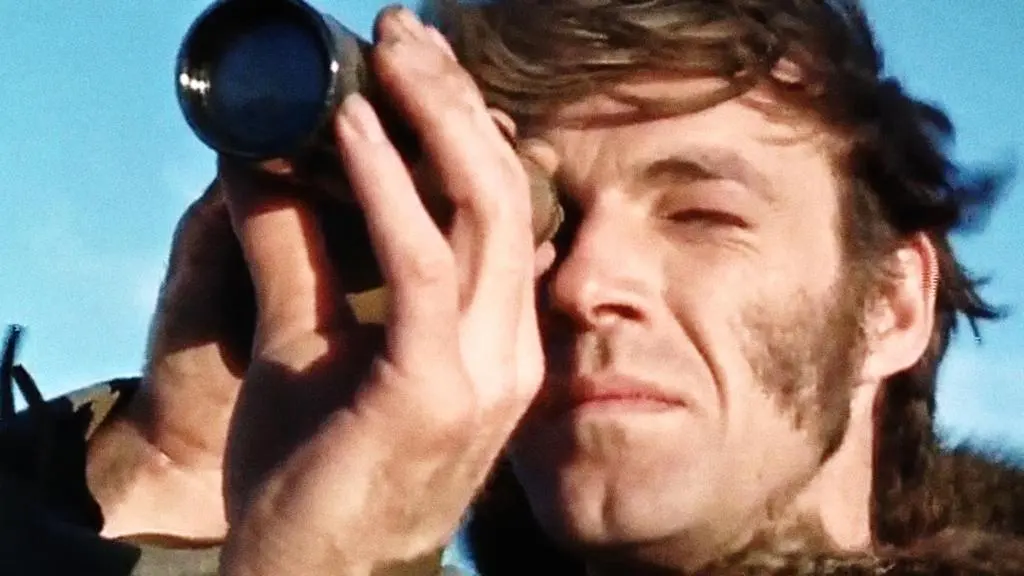
Mackenzie’s most famous expedition began in 1793, departing from Fort Chipewyan on Lake Athabasca. Accompanied by a small crew of French-Canadian voyageurs and an Indigenous guide, he navigated the Peace River and crossed the formidable Rocky Mountains. The journey was physically grueling, requiring the team to carry their canoes and supplies over rugged mountain passes and navigate dangerous, turbulent rapids.
Upon reaching the Bella Coola River, the party traveled downstream to the Pacific coast, arriving at Dean Channel in July 1793. To mark this historic achievement, Mackenzie famously inscribed his name and the date on a rock face using a mixture of vermilion and bear grease. This feat effectively completed the first crossing of the continent north of Mexico, predating the Lewis and Clark expedition by over a decade.
- Departed Fort Chipewyan on May 9, 1793.
- Crossed the Continental Divide via the Parsnip and McGregor rivers.
- Reached the Pacific Ocean at Dean Channel on July 22, 1793.
- Returned to the interior, arriving back at the fort in August.
Why was his exploration important?
Mackenzie’s explorations were instrumental in establishing British influence over the vast territory that would eventually become Western Canada. By identifying major river systems, he allowed the North West Company to expand its fur-trading network deep into the interior. This commercial expansion effectively countered American interests in the Pacific Northwest and solidified the presence of the British Empire in the region.
Furthermore, his journals served as a vital resource for future explorers and mapmakers. His detailed descriptions of the terrain helped dispel myths about the geography of the northern continent, specifically the belief that a simple "Northwest Passage" existed as a direct, ice-free sea route. His work provided the empirical data necessary for the eventual mapping of the Canadian West and influenced geopolitical boundaries for generations.
- Provided early documentation of Indigenous nations, including the Carrier and Nuxalk peoples.
- Confirmed the geographic barrier of the Rocky Mountains.
- Opened new trade routes between the interior and the Pacific coast.
- Influenced the later expansion of the Hudson's Bay Company.
What were his biggest challenges?
The primary challenge facing Mackenzie was the extreme physical environment of the Canadian wilderness. He had to contend with unpredictable weather, treacherous river currents, and the constant threat of starvation. His crew frequently faced exhaustion and morale issues, requiring Mackenzie to exercise firm leadership and maintain strict discipline to keep the expeditions moving toward their objectives.
Interaction with Indigenous groups also presented a complex set of challenges and opportunities. While Mackenzie relied heavily on Indigenous guides for navigation and survival skills, misunderstandings and cultural differences occasionally led to tense encounters. He navigated these situations by prioritizing diplomacy and trade, recognizing that his success depended entirely on the cooperation and local knowledge of the people who had inhabited the region for millennia.
- Maintaining supply lines in remote, unmapped territory.
- Managing the physical toll of constant portaging.
- Navigating complex diplomatic relations with diverse Indigenous tribes.
- Overcoming the psychological isolation of long-distance travel.
Common mistakes when studying Mackenzie
A common error is assuming that Mackenzie was primarily an explorer motivated by scientific curiosity. In reality, his expeditions were fundamentally commercial ventures designed to find new sources of furs and establish trade routes that would give the North West Company a competitive advantage. Viewing his life solely through the lens of adventure ignores the economic pressures that drove his actions.
Another mistake is overlooking the essential contributions of his Indigenous guides and French-Canadian voyageur crew. Mackenzie often receives sole credit in historical narratives, yet his success would have been impossible without the technical expertise and labor of his team. When researching his life, it is crucial to recognize that these expeditions were collaborative efforts where the survival of the party rested on the collective skills of everyone involved in the journey.
Key facts
- Alexander Mackenzie was a Scottish-born explorer who completed the first recorded transcontinental crossing of North America north of Mexico in 1793.
- He reached the Pacific Ocean at Dean Channel in present-day British Columbia on July 22, 1793, predating the Lewis and Clark expedition by 12 years.
- In 1789, he navigated the river now known as the Mackenzie River, hoping it would lead to the Pacific, but it ended at the Arctic Ocean.
- He was a prominent partner in the North West Company, a major rival to the Hudson's Bay Company in the Canadian fur trade.
- To replicate his navigation success, always prioritize local Indigenous knowledge; Mackenzie relied heavily on First Nations guides to navigate treacherous terrain.
- A common mistake for historical researchers is confusing him with William Lyon Mackenzie, a Canadian politician; Alexander was primarily an explorer and merchant.
The bottom line
Alexander Mackenzie stands as a pivotal figure in North American history for his remarkable endurance and geographical discovery. By successfully reaching the Arctic and Pacific Oceans, he mapped the vast potential of the Canadian wilderness. His legacy remains tied to the expansion of the fur trade and the early assertion of British influence across the continent, forever changing the trajectory of Canada’s development and territorial identity.
People also ask
Did Alexander Mackenzie find a water route to the Pacific Ocean?
No, he did not find a navigable water route. He discovered that the continent was too rugged for a simple river passage, forcing him to complete the final leg of his 1793 journey overland.
What was the primary motivation for his expeditions?
His main goal was to expand the fur trade and find a viable commercial route to the Pacific Ocean. He sought to connect the interior of Canada to Asian markets for easier trade.
How did Mackenzie treat the Indigenous peoples he encountered?
His relationship was pragmatic and dependent on cooperation. He relied on Indigenous guides for survival and geographical expertise, though he viewed them through the colonial lens of his era.
Was he the first European to cross the continent?
Yes, he was the first European to reach the Pacific by land north of Mexico. His achievement solidified British claims to the vast territories of the Canadian West.
What happened to the North West Company after his time?
The company grew significantly under his influence but eventually faced intense competition. It was forced to merge with the Hudson's Bay Company in 1821.
Is the Mackenzie River named after him?
Yes, the river was named in his honor. It is the longest river system in Canada and serves as a major transportation artery in the Northwest Territories.
This answer was created with the help of AI research tools and reference sources. Spotted an error? Let us know — we correct mistakes quickly. See our editorial policy.