What is salt technique in watercolor?
Short answer
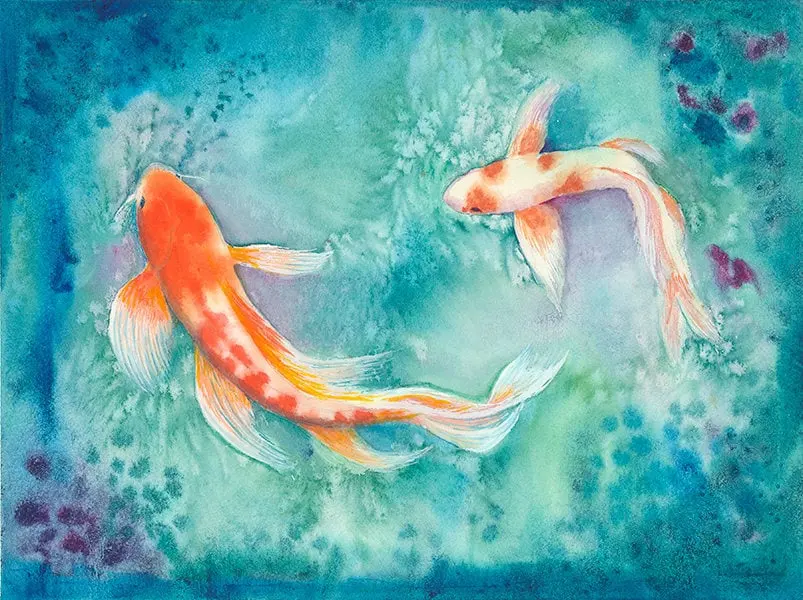
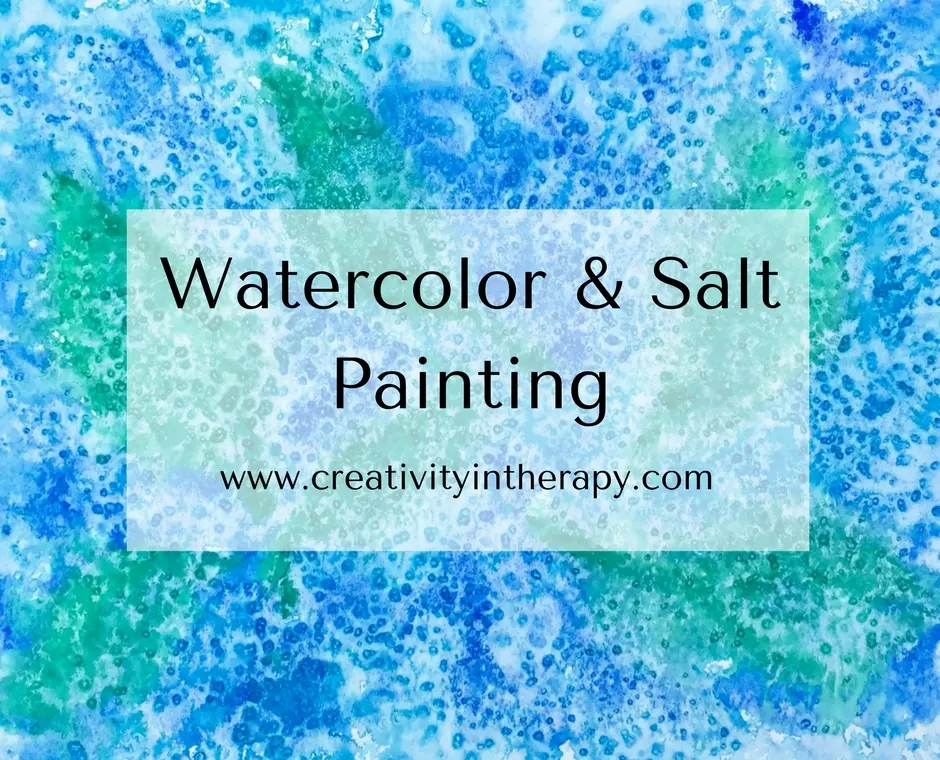
The salt technique is a watercolor method where salt crystals are sprinkled onto wet paint. As the paint dries, the salt absorbs moisture and pigment, creating unique, star-like textures or crystalline patterns. This technique adds visual interest, depth, and organic effects to paintings, commonly used for depicting snow, foliage, or weathered surfaces.
On this page
How does the salt technique work in watercolor?
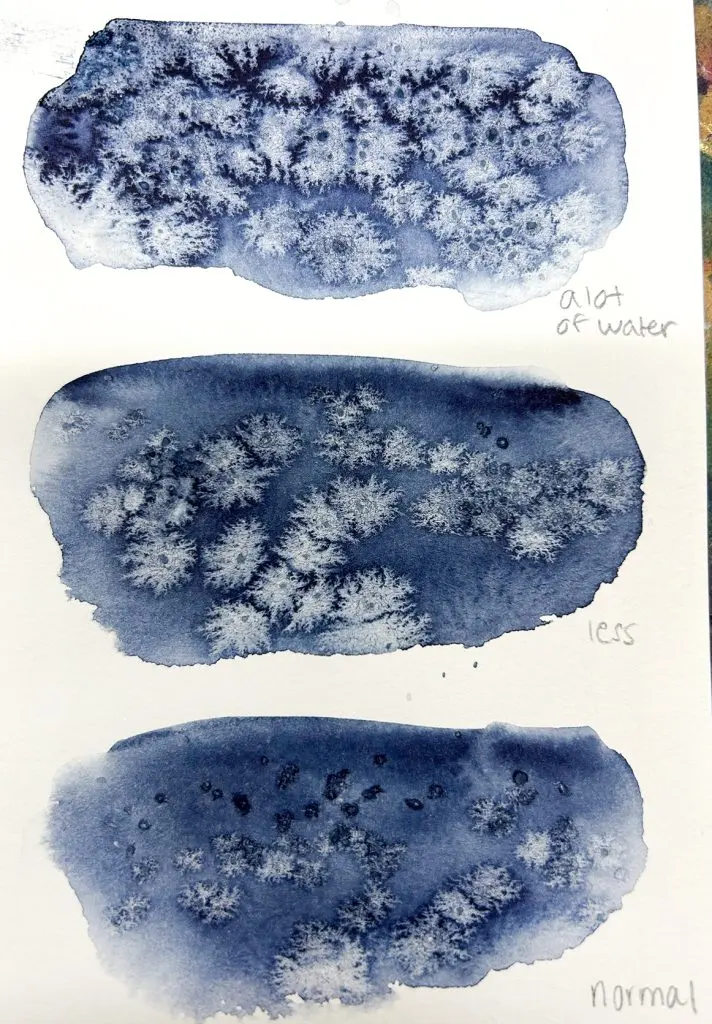
The salt technique relies on the chemical and physical properties of osmosis and absorption. When you sprinkle salt onto a wash of wet watercolor paint, the salt crystals begin to pull the pigment away from the surrounding paper toward the center of each grain. This process creates a distinct, blooming pattern that resembles snowflakes or frost as the water evaporates. The salt essentially acts as a localized vacuum, drawing the color into small, concentrated clusters while leaving lighter, textured spots behind.
The effectiveness of this process depends heavily on the moisture content of the paper. If the surface is too dry, the salt will not dissolve or move the pigment at all. Conversely, if the paint is too watery, the salt might dissolve completely, resulting in a muddy or overly diluted effect rather than the desired crystalline texture. Mastering this technique requires observing the "sheen" of the paper, ensuring the paint is wet enough to move but stable enough to hold the structural pattern created by the salt.
What is the best salt to use for watercolor?
Choosing the right type of salt is essential for achieving varied artistic results. Table salt, which consists of very fine grains, produces small, dense, and delicate patterns that look like fine stipple or light frosting. Sea salt, which comes in larger, irregular crystals, creates much bolder and more dramatic textures. Because sea salt contains larger surface areas, it pulls more pigment and creates larger "blooms" that can serve as focal points in a landscape or abstract composition.
Experimenting with different salt varieties can significantly expand your visual vocabulary. Consider these options for your next project:
- Fine table salt: Ideal for subtle, delicate textures like light snow or distant foliage.
- Coarse sea salt: Perfect for bold, craggy textures, rock formations, or dramatic atmospheric effects.
- Kosher salt: Provides a middle-ground texture that is consistent and easy to control for beginners.
- Himalayan pink salt: Offers unique color variations, though it may leave behind a slight mineral residue on the paper.
How to apply salt to watercolor paintings
Applying salt is a straightforward process, but timing is the most critical factor for success. You must apply the salt while the paint is still damp enough to respond to the crystals but not so wet that the paper begins to warp or the pigment flows uncontrollably. Follow these steps to ensure the best results:
- Prepare your watercolor paper by applying a generous, even wash of color.
- Wait for the shine of the water to dull slightly, indicating the paint has settled into the paper fibers.
- Sprinkle a small amount of salt onto the damp surface, ensuring the grains are spaced apart to avoid clumping.
- Allow the painting to dry completely undisturbed; do not tilt the board or touch the salt while it is active.
- Once the paper is bone-dry, gently brush or scrape the salt crystals off the surface to reveal the texture.
Why does the salt technique fail sometimes?
The most common reason for failure is the humidity and temperature of the environment. If the room is very dry, the paint may dry too quickly for the salt to react, leaving you with nothing but salt grains sitting on top of dry pigment. On the other hand, if the paper is overly saturated, the salt will dissolve instantly into a puddle, leading to a messy, washed-out appearance. It is often helpful to test your paper's drying time with a scrap piece before applying salt to a finished painting.
Another frequent issue is the quality of the watercolor paper. High-quality, 100% cotton cold-press paper is generally the most reliable for this technique because it holds moisture evenly and allows the pigment to lift easily. Cheap cellulose paper often dries too fast or lacks the internal sizing necessary to allow the salt to move the pigment effectively. If you find your results are consistently flat or uninteresting, switch to a professional-grade paper to see if the texture improves.
Common mistakes when using salt in watercolor
Many beginners make the mistake of removing the salt too early. If you brush the salt away while the paper is still damp, you will smear the pigment and ruin the delicate crystalline patterns you have worked to create. Always wait until the paper is completely dry to the touch, including the areas directly beneath the salt crystals. If you are unsure, wait an additional hour; patience is the most important tool in this process.
Another error is using too much salt in a single area. Over-salting can lead to an overcrowded composition where the patterns compete with each other, resulting in a chaotic look rather than a deliberate texture. Start with a light, sparse application and observe how the paint reacts before adding more. Remember that you can always add more salt if the effect is too subtle, but you cannot easily remove excess salt once it has begun to absorb the pigment. By working in small, controlled stages, you will achieve much more professional and predictable results in your artwork.
Key facts
- Table salt creates small, star-shaped patterns known as crystalline textures.
- Kosher salt produces larger, more dramatic blooms because of its coarse grain size.
- The paper must be damp, not soaking wet, for the salt to react effectively.
- Apply salt while the paint is in the "glistening" stage before it loses its sheen.
- Wait until the paper is bone-dry before brushing the salt away to avoid smearing.
- High-quality watercolor paper is essential, as cheap wood-pulp paper may tear or pill.
The bottom line
The salt technique is a popular watercolor method used to create organic, crystalline textures that mimic natural phenomena like frost or starlight. By sprinkling salt onto a damp wash, you draw the pigment away from the paper as the water evaporates. Mastering this effect requires perfect timing, as the paint must be wet enough to react but dry enough to hold the salt crystals in place.
People also ask
Does the type of salt affect the final look?
Yes, the size and shape of the salt crystals dictate the texture. Fine table salt creates a delicate, speckled effect, while coarse sea salt or rock salt creates large, bold starbursts.
Can I use this technique with acrylic or oil paints?
No, the salt technique is specific to water-based media like watercolor or ink. It relies on the salt absorbing the water and pigment from the paper, which does not occur with oil or acrylic binders.
What happens if I remove the salt too early?
If you brush the salt off while the paint is still wet, the pigment will smear and blur the patterns. You must ensure the paper is completely dry to achieve crisp, defined textures.
Will the salt leave a residue on my painting?
Salt should not leave a visible residue if you brush it off gently with a clean, dry cloth or a soft brush. However, salt is hygroscopic and may attract moisture over time if left on the surface.
Does the color of the paint matter?
Darker, highly pigmented colors show the salt effect most clearly because the contrast between the white paper and the pigment is greater. Light washes may produce a very subtle, almost invisible texture.
Can I re-wet the paper to apply salt later?
You can re-wet a section, but the effect will be less predictable than applying salt to a fresh wash. It is generally best to apply the salt during the initial painting process.
This answer was created with the help of AI research tools and reference sources. Spotted an error? Let us know — we correct mistakes quickly. See our editorial policy.