What is Rome known for?
Short answer
Rome is world-renowned as the "Eternal City," serving as the cradle of Western civilization and the heart of the Roman Empire. It is celebrated for its unparalleled collection of ancient ruins, Renaissance art, Baroque architecture, and its profound influence on law, language, government, and the development of the Catholic Church.
On this page
What are the most famous landmarks in Rome?
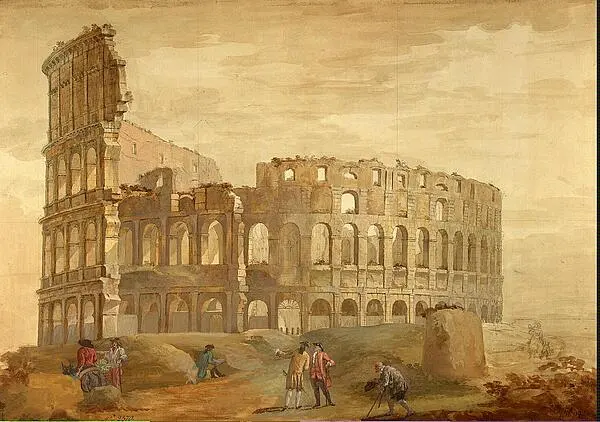
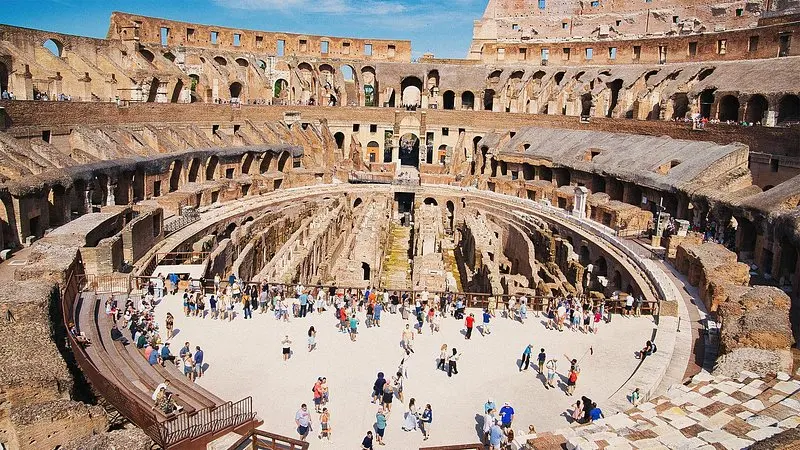
Rome is defined by its architectural legacy, which spans over 2,700 years of history. The Colosseum, an amphitheater completed in 80 AD, stands as the most iconic symbol of the city’s imperial power and engineering prowess. Nearby, the Roman Forum served as the center of public life, housing the ruins of ancient government buildings and temples that once dictated the fate of the Mediterranean world.
Beyond the ancient ruins, the city is home to the Vatican City, an independent city-state that houses St. Peter’s Basilica and the Vatican Museums. These sites contain some of the world’s most important artistic treasures, including Michelangelo’s Sistine Chapel ceiling. Other essential landmarks include:
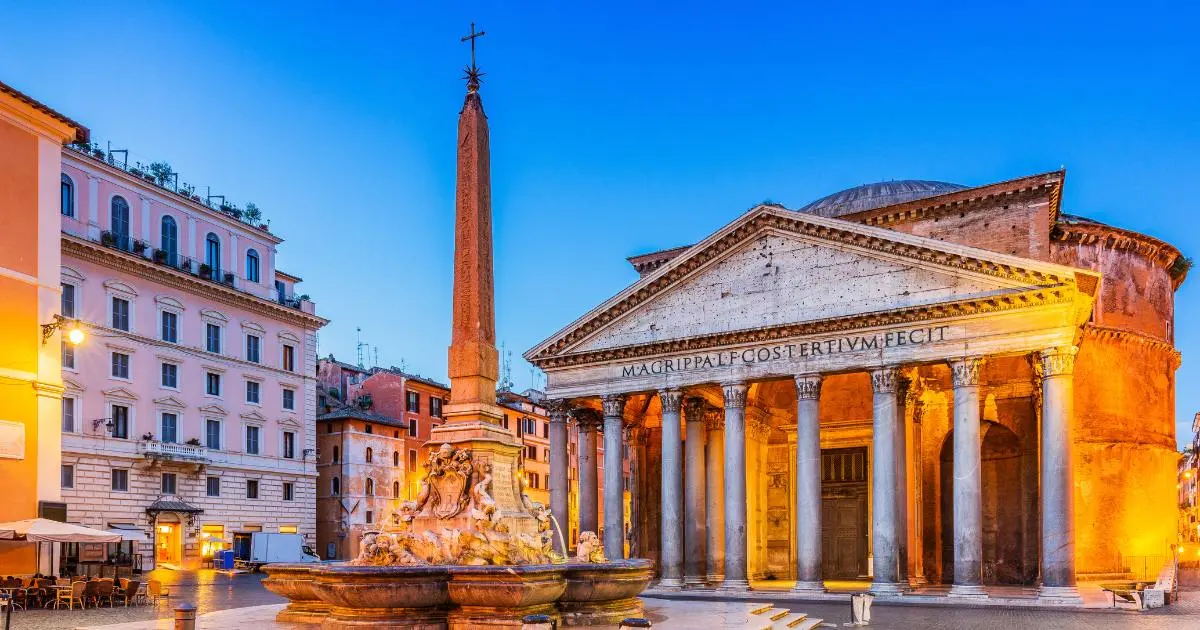
- The Pantheon, a former Roman temple with the world’s largest unreinforced concrete dome.
- The Trevi Fountain, a masterpiece of Baroque sculpture and water engineering.
- The Spanish Steps, a monumental stairway connecting the Piazza di Spagna to the Trinità dei Monti church.
How many days do you need to see Rome?
While Rome is a vast, sprawling metropolis, a well-planned trip typically requires at least four to five days to cover the primary highlights. Attempting to see everything in a weekend often leads to exhaustion and missed opportunities. A four-day itinerary allows for a balanced pace, dedicating one full day to Ancient Rome, one to the Vatican, and two days for exploring the city's diverse neighborhoods and hidden gems.
When planning your visit, consider the following time-saving strategies:
- Book tickets for the Colosseum and Vatican Museums weeks in advance to avoid multi-hour queues.
- Group your sightseeing by neighborhood to minimize travel time on public transport.
- Dedicate your evenings to wandering through the Trastevere district to experience the city's authentic atmosphere.
- Use the early morning hours to visit popular outdoor sites like the Trevi Fountain before the crowds arrive.
Why is Roman cuisine so popular?
Roman food is celebrated for its simplicity, reliance on high-quality seasonal ingredients, and deep-rooted traditions. The city’s culinary identity is built upon "cucina povera," or peasant cooking, which emphasizes bold flavors over complex preparation. The four classic Roman pasta dishes—Carbonara, Amatriciana, Cacio e Pepe, and Gricia—are staples found in trattorias across the city. These dishes rely on local staples like Pecorino Romano cheese, guanciale (cured pork jowl), and black pepper.
Beyond pasta, Rome is famous for its crispy, thin-crust pizza, known as "pizza tonda," and "pizza al taglio," which is sold by the slice and baked in rectangular trays. Street food culture is also vibrant, with "supplì"—fried rice balls stuffed with mozzarella—being the quintessential Roman snack. Visitors should look for restaurants that feature a "menu del giorno" (menu of the day), as these often showcase the freshest local produce and traditional recipes that have been passed down through generations of Roman families.
Common mistakes when visiting Rome
Many travelers fall into predictable traps that can diminish their experience of the city. One of the most frequent errors is eating at restaurants located directly next to major tourist attractions, which are often overpriced and serve mediocre, tourist-oriented food. Instead, walk a few blocks away from the main squares to find authentic establishments frequented by locals. Another common mistake is failing to validate bus or tram tickets, which can result in heavy fines from transit inspectors.
To ensure a smoother trip, keep these tips in mind:
- Avoid visiting during July and August, as the intense heat and humidity can make walking tours uncomfortable.
- Do not assume that all shops and restaurants accept credit cards; always carry some cash for small purchases.
- Be cautious of "tourist traps" near the Colosseum that offer "skip-the-line" passes at exorbitant prices.
- Remember that dress codes are strictly enforced in churches, requiring shoulders and knees to be covered.
How to navigate Rome like a local
Navigating Rome requires a mix of patience and a good pair of walking shoes. The city’s historic center is essentially an open-air museum, and the best way to appreciate its layers of history is on foot. While the public transportation network includes buses, trams, and three metro lines, the metro system is intentionally limited to avoid disturbing the archaeological ruins buried beneath the streets. Consequently, walking remains the most efficient way to travel between the Pantheon, Piazza Navona, and the Campo de' Fiori.
If you must use public transport, download a reliable navigation app to track bus arrivals in real-time, as schedules can be unpredictable due to traffic. Taxis are widely available, but it is best to use official white taxis found at designated stands rather than hailing them on the street. By embracing the city’s chaotic charm and allowing time for spontaneous detours, you will gain a deeper appreciation for the layers of history that make Rome an enduring global treasure.
Key facts
- Rome is home to the Colosseum, an amphitheater completed in 80 AD that could hold an estimated 50,000 to 80,000 spectators.
- The Vatican City, an independent city-state located entirely within Rome, houses St. Peter’s Basilica and the Vatican Museums.
- Rome contains over 900 churches, ranging from ancient basilicas to small baroque chapels tucked into narrow streets.
- To avoid long queues at major sites like the Vatican Museums, book your tickets online at least two weeks in advance.
- The Trevi Fountain tradition suggests that throwing a coin over your left shoulder with your right hand ensures a return trip to Rome.
- Avoid eating at restaurants with "tourist menus" located directly next to major landmarks, as these often offer lower quality food at higher prices.
The bottom line
Rome is a living museum, defined by its unparalleled concentration of ancient ruins, Renaissance art, and religious history. From the architectural grandeur of the Colosseum to the spiritual significance of the Vatican, the city offers a unique blend of historical depth and modern Italian culture. By planning ahead and embracing the local pace, visitors can experience the timeless charm that has captivated travelers for centuries.
People also ask
What is the best time of year to visit Rome?
Spring (April to June) and autumn (September to October) offer the most pleasant temperatures for walking. Avoid August, as many local shops close for the summer holiday and temperatures can exceed 30°C (86°F).
Do I need to learn Italian to visit Rome?
While English is widely spoken in hotels, restaurants, and tourist areas, learning basic phrases like "per favore" (please) and "grazie" (thank you) is appreciated by locals. Most signage at major historical sites is provided in both Italian and English.
How should I dress when visiting religious sites in Rome?
Many churches, including St. Peter’s Basilica, enforce a strict dress code requiring shoulders and knees to be covered. Carry a light scarf or shawl to cover up if you are wearing sleeveless tops or shorts.
Is it safe to drink the water from Rome’s fountains?
Yes, the water from the city's many "nasoni" (curved drinking fountains) is cold, clean, and perfectly safe to drink. Carry a reusable water bottle to save money and reduce plastic waste while exploring.
How do I get around the city efficiently?
Rome is best explored on foot, but the city also has a metro system, buses, and trams. Purchase a 24, 48, or 72-hour transport pass to save on individual ticket costs and simplify your travel.
What is the tipping etiquette in Rome?
Tipping is not mandatory in Italy, as service charges are often included in the bill. If you receive exceptional service at a restaurant, rounding up the bill or leaving a few extra euros is considered a polite gesture.
This answer was created with the help of AI research tools and reference sources. Spotted an error? Let us know — we correct mistakes quickly. See our editorial policy.