What is the easiest way to draw a centaur?
Short answer
The easiest way to draw a centaur is to construct it using two distinct geometric skeletons: a horse’s body for the base and a human torso for the upper half. By overlapping these forms at the horse’s withers, you create a natural transition that avoids awkward proportions and ensures structural balance.
On this page
How to structure a centaur drawing
Drawing a centaur is essentially an exercise in combining two different anatomical structures into one cohesive figure. The most effective method is to start by sketching a horse in profile, as this provides the necessary foundation for the creature's weight. Once the horse’s body is established, you place the human torso directly where the horse’s neck would normally begin.
To ensure the proportions look correct, follow these steps:
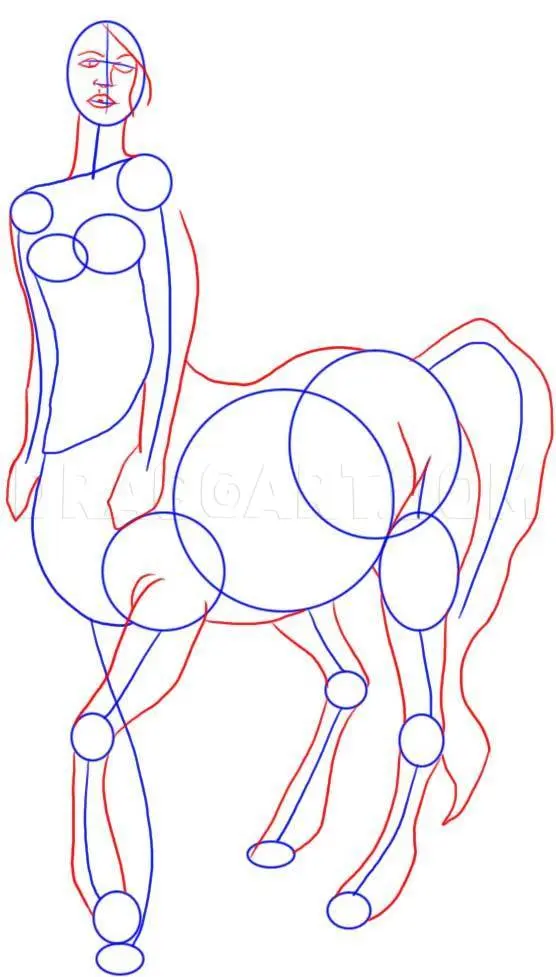
- Sketch a large oval for the horse’s ribcage and a smaller circle for the hindquarters.
- Draw a line connecting these to form the horse’s spine, extending it slightly upward at the front.
- Place the human torso at the front of the horse's back, ensuring the human spine aligns with the horse's neck area.
- Use light guidelines to connect the human waist to the horse’s shoulders, blending the skin and fur textures later.
Best proportions for beginners
Beginners often struggle with the scale of the human torso relative to the horse body. A common error is making the human half too small, which makes the centaur look like a rider rather than a hybrid creature. The human torso should be roughly the same size as the horse’s neck and head combined, providing a sense of scale that feels powerful and grounded.
When positioning the human half, keep the center of gravity in mind. The human torso should lean slightly forward or remain perfectly upright to maintain balance over the horse's front legs. Avoid placing the torso too far back on the horse’s spine, as this would make the creature appear anatomically impossible and physically unstable. Maintaining a strong, vertical alignment through the human core helps the viewer accept the centaur as a functional, living being.
Why anatomy matters in centaur art
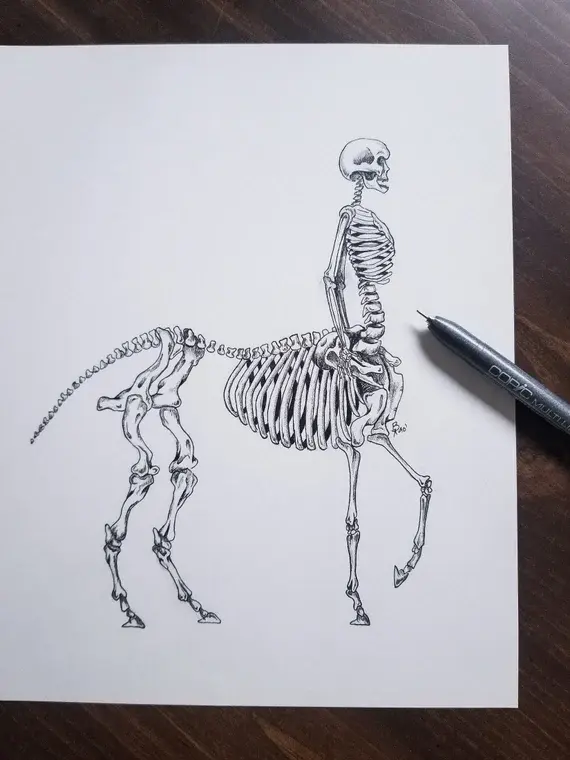
Understanding basic equine and human anatomy is crucial for creating a convincing centaur. Horses have a distinct skeletal structure with a heavy chest and powerful, muscular hindquarters designed for propulsion. Humans have a flexible spine and a narrower pelvis. The point where these two meet, the "withers" of the horse, is the most important area to study.
Focus on these key anatomical markers to improve your drawing:
- The human ribcage should flow seamlessly into the horse’s shoulder blades.
- The transition point should be covered by muscle or clothing to mask the abrupt change in anatomy.
- The horse’s front legs should be positioned to support the added weight of the human upper body.
- The human arms should be long enough to reach down toward the horse's neck, adding to the realism of the creature's reach.
Common mistakes when drawing centaurs
One of the most frequent mistakes is failing to account for the horse's neck. Many artists simply remove the horse's head and replace it with a human, which leaves the horse's body looking truncated and awkward. Instead, treat the human torso as an extension of the horse's natural front-end anatomy. The transition should feel like a muscular fusion rather than a simple attachment.
Another common error is ignoring the horse’s leg movement. A centaur is a heavy creature, and its stride should reflect that weight. If you draw the horse legs in an unnatural or static pose, the entire drawing will feel stiff. Ensure the legs are bent in a way that suggests movement or a stable stance, keeping the joints consistent with real equine biology to prevent the drawing from looking like a toy.
How to add detail to your centaur
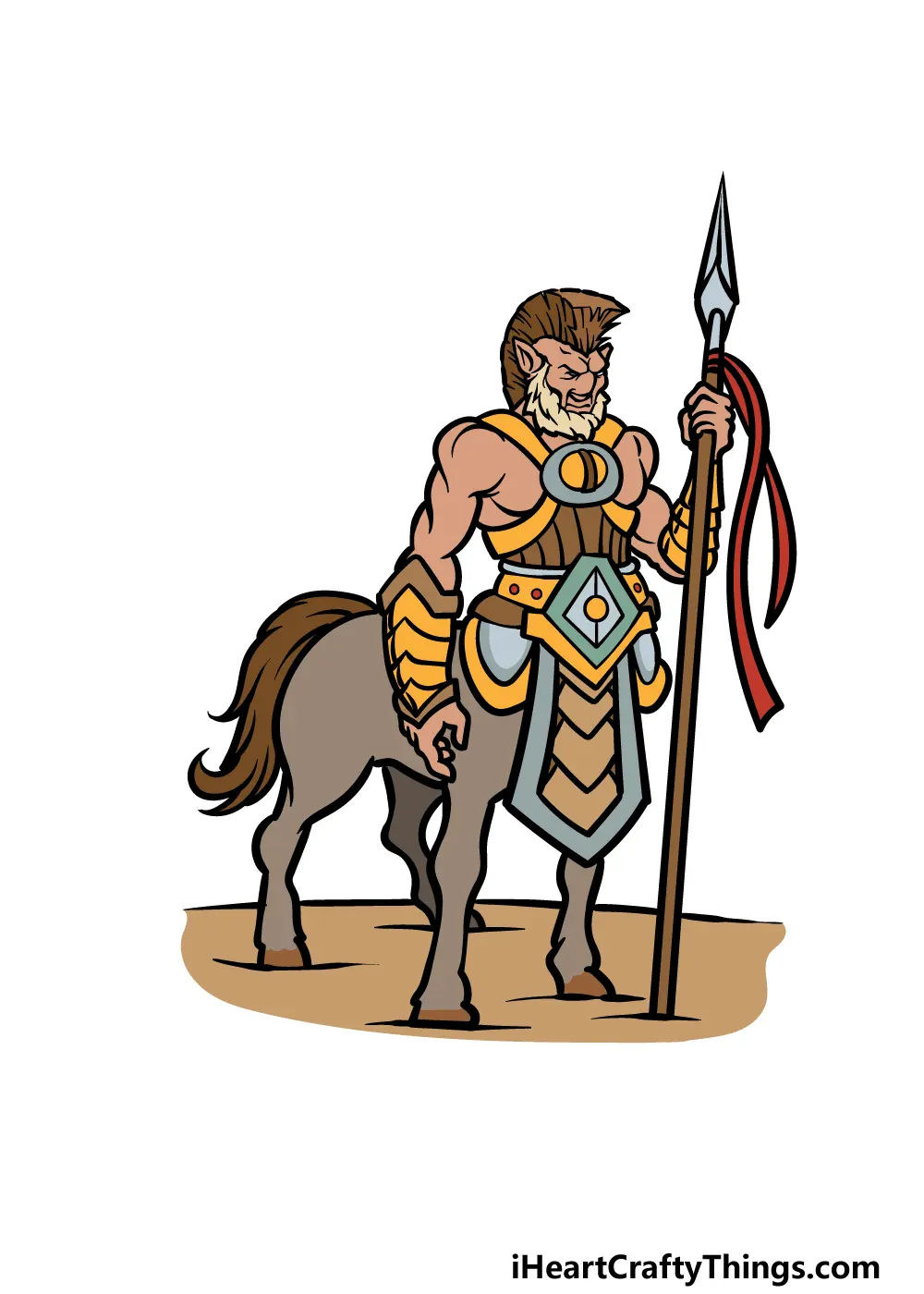
Once the structure is solidified, you can focus on the details that bring the character to life. The transition area between the human and horse is the perfect place to add accessories like belts, armor, or flowing fabric. These elements can help hide the complex anatomical join, making the transition look more natural while adding personality to the design.
Texture is also vital for a professional finish. Use varying line weights to distinguish between the sleek, short hair of the horse and the skin of the human torso. Adding a mane that flows down the back of the human torso can help bridge the gap between the two halves visually. By carefully layering these textures, you create a unified creature that looks as though it evolved naturally rather than being drawn in two separate parts.
Key facts
- A centaur is a mythological creature with the upper body of a human and the lower body of a horse.
- Begin by drawing two overlapping circles: a smaller one for the human torso and a larger, horizontal oval for the horse's barrel.
- Place the human spine so it connects directly to the withers, or the highest point of the horse's shoulders, rather than the horse's lower back.
- Ensure the horse's front legs are positioned slightly behind the human's chest to maintain a natural, balanced anatomical flow.
- Balance the weight by keeping the human torso upright; if the human leans too far forward, the creature will appear to be falling.
- Use a reference image of a horse’s skeleton to understand how the ribcage transitions into the human waistline.
The bottom line
Drawing a centaur requires balancing two distinct anatomical structures into one cohesive form. By prioritizing the connection point at the horse's withers and ensuring the horse's legs follow natural skeletal movement, you can create a believable hybrid. Practice by sketching the horse body first to establish the foundation, then build the human torso upward. Consistency in proportion remains the most critical factor for a successful mythological illustration.
People also ask
How do I make the transition between the human and horse bodies look natural?
Blend the human waist into the horse’s withers by using soft, overlapping muscle lines. Avoid a harsh vertical line, as this makes the torso look like it is simply glued onto the horse.
Should the centaur have two or four shoulders?
Anatomically, a centaur is depicted with the human shoulders and the horse’s front shoulder blades. Focus on the horse's shoulders as the primary support for the human torso.
What is the most common mistake when drawing centaur legs?
Many artists forget that horses have hocks, which are the joints that bend backward like a human heel. Ensure the back legs bend in the correct direction to avoid a cartoonish appearance.
How tall should the human part be in relation to the horse?
The human torso should be roughly equivalent to the length of the horse’s neck and head combined. This maintains a realistic scale between the two distinct halves.
Can I draw a centaur with a different type of horse body?
Yes, you can use different horse breeds to change the character's personality. A draft horse build suggests strength and power, while a thoroughbred build suggests speed and elegance.
How do I draw the tail correctly?
The tail should emerge from the base of the horse’s spine, just below the croup. It should flow naturally with the movement of the horse’s hindquarters.
This answer was created with the help of AI research tools and reference sources. Spotted an error? Let us know — we correct mistakes quickly. See our editorial policy.