What is Notre-Dame Cathedral famous for?
Short answer
Notre-Dame Cathedral is world-renowned as a masterpiece of French Gothic architecture, celebrated for its innovative flying buttresses, intricate rose windows, and historical significance as a symbol of Paris. Its cultural legacy, immortalized in literature and art, continues to draw millions of visitors who admire its enduring structural beauty and resilience.
On this page
Why is Notre-Dame Cathedral famous?
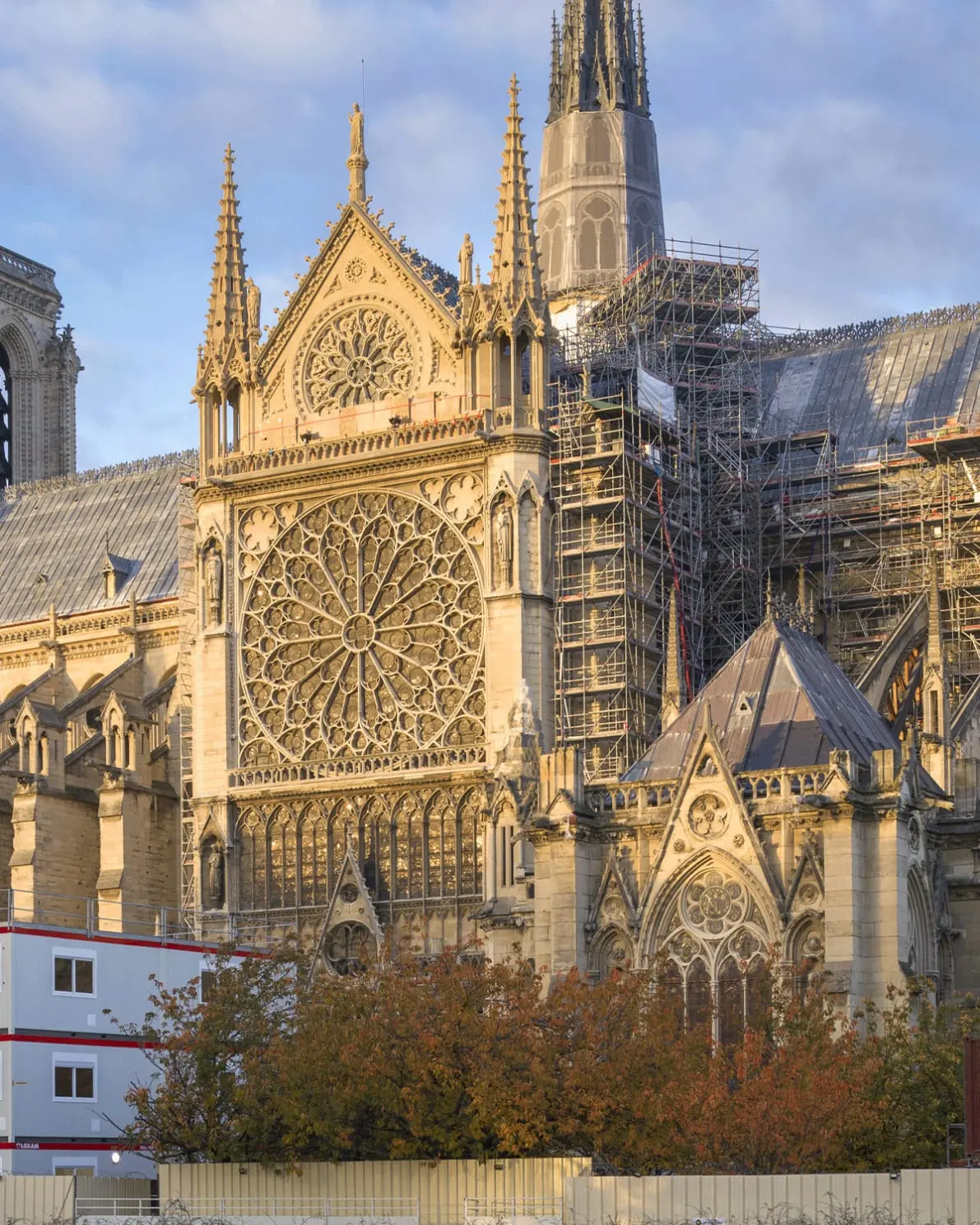
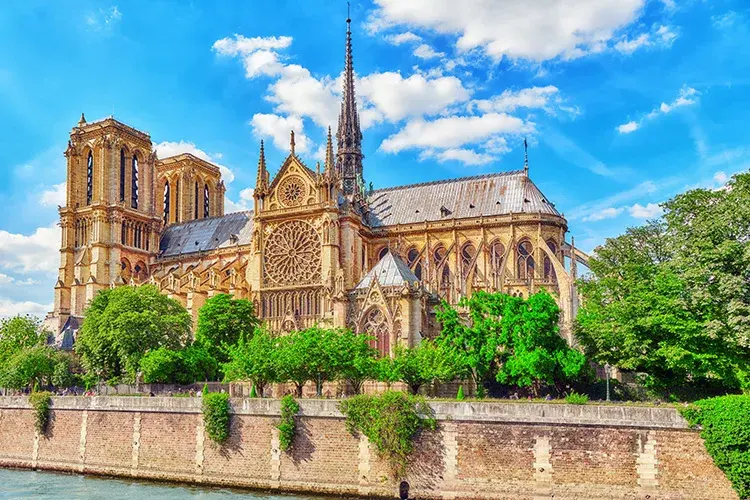
Notre-Dame de Paris stands as the quintessential example of Gothic architecture, representing a pivotal shift in medieval engineering. Construction began in 1163 under Bishop Maurice de Sully and spanned nearly two centuries, resulting in a structure that pioneered the use of flying buttresses. These external supports allowed architects to build higher walls and incorporate massive stained-glass windows, flooding the interior with light.
Beyond its physical structure, the cathedral is famous for its cultural and historical weight. It served as the site for the coronation of Napoleon Bonaparte in 1804 and the funeral of several French presidents. The cathedral also gained literary immortality through Victor Hugo’s 1831 novel, The Hunchback of Notre-Dame, which sparked a massive public campaign to restore the building after years of neglect.
What are the architectural highlights of Notre-Dame?
The cathedral is defined by its harmonious proportions and intricate decorative elements. Visitors often focus on the three massive portals, which are adorned with detailed stone carvings depicting biblical scenes and the Last Judgment. The interior is equally impressive, characterized by its vaulted ceilings and the famous rose windows, which date back to the 13th century.
Key features that define the cathedral's aesthetic include:
- The West Front: Featuring the iconic twin towers that reach 69 meters in height.
- Flying Buttresses: External arches that distribute the weight of the roof, enabling the thin, tall walls.
- Gargoyles and Chimeras: Grotesque sculptures added during the 19th-century restoration that serve as both decorative elements and water spouts.
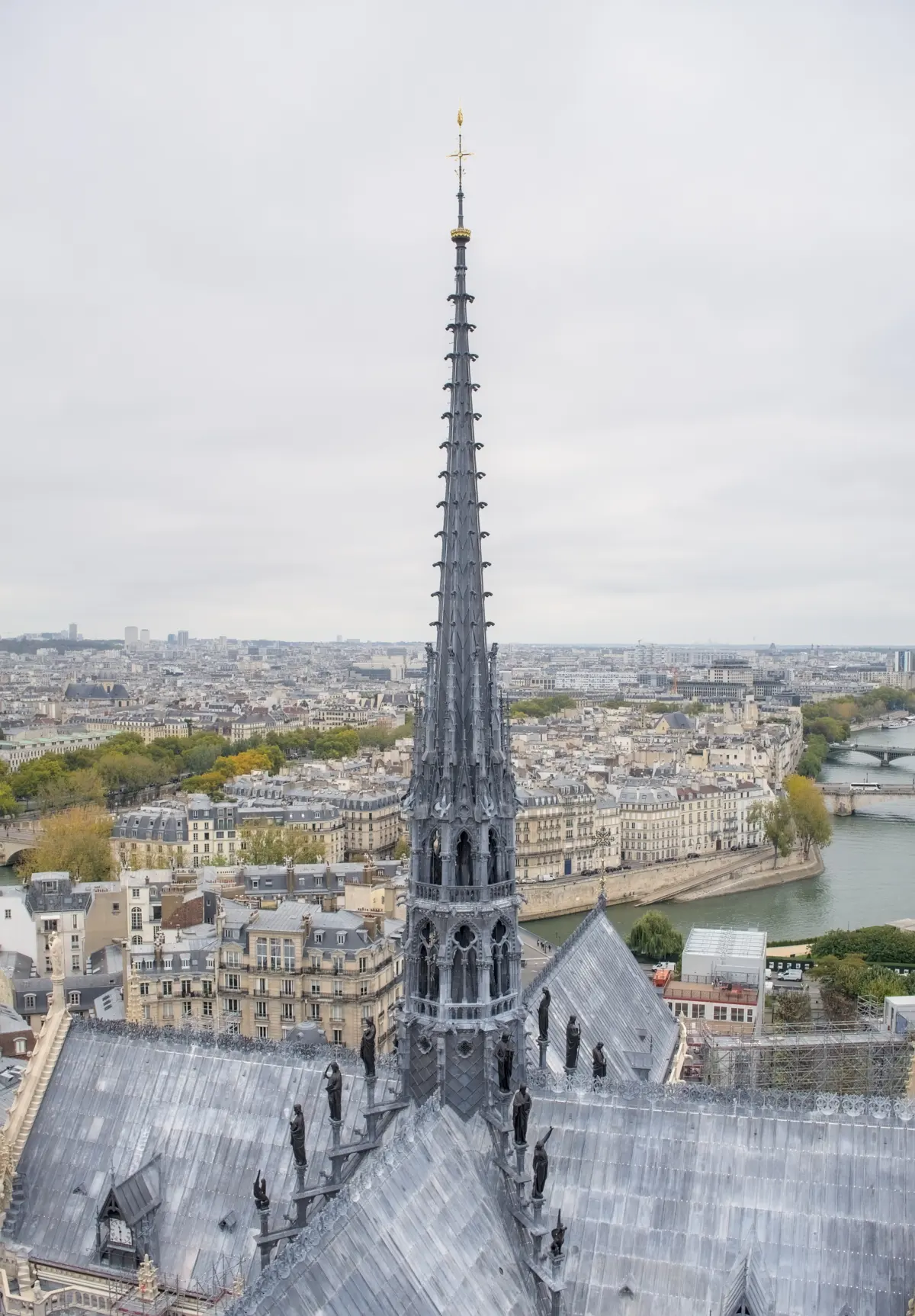
- The Spire: A prominent feature that was famously lost during the 2019 fire but has since been reconstructed.
How to visit Notre-Dame Cathedral effectively?
Planning a visit requires preparation, especially given the ongoing restoration efforts following the 2019 fire. While the cathedral was closed to the public for several years, it is scheduled to reopen in late 2024. Travelers should check official government websites for the most current ticketing information and security protocols before arriving at the Île de la Cité.
To make the most of your visit, consider these steps:
- Check the official Notre-Dame website for opening hours and potential reservation requirements.
- Arrive early in the morning to avoid the largest crowds and long security queues.
- Use the public metro system to reach the Cité or Saint-Michel stations, which are within walking distance.
- Download a reputable audio guide to better understand the historical context of the interior features.
Why did the 2019 fire happen?
On April 15, 2019, a massive fire broke out in the attic of the cathedral, leading to the collapse of the iconic spire and significant damage to the roof. Investigators believe the blaze was likely caused by an electrical short circuit or a discarded cigarette during the extensive renovation work being performed on the roof at the time. The fire tested the structural integrity of the stone vaults, but the main walls and the famous rose windows remained largely intact.
The aftermath of the fire triggered an unprecedented global fundraising effort, with hundreds of millions of euros pledged for reconstruction. Skilled artisans from around the world were recruited to restore the timber frame of the roof and rebuild the spire using traditional medieval techniques. This process has provided historians with a unique opportunity to study the original construction methods used in the 12th century.
Common mistakes when visiting Notre-Dame?
Many tourists arrive at the cathedral without considering the surrounding area, missing out on the rich history of the Île de la Cité. A frequent error is focusing solely on the exterior facade while neglecting the Archaeological Crypt located directly beneath the cathedral square. This site offers a fascinating look at the ruins of Roman Lutetia and earlier iterations of the city.
Another mistake is failing to respect the solemnity of the site. As a place of active worship, visitors should dress modestly and maintain a quiet demeanor while inside. Avoid these common pitfalls to ensure a respectful and rewarding experience:
- Ignoring the surrounding neighborhood, which contains hidden medieval streets and historic bookshops.
- Attempting to visit during Sunday mass if you are not there to participate in the service.
- Forgetting to bring comfortable walking shoes, as the cobblestone streets around the cathedral can be difficult to navigate.
- Relying on unofficial tour guides who may provide inaccurate historical information or charge excessive fees for basic entry.
Key facts
- Construction of the cathedral began in 1163 under Bishop Maurice de Sully and was largely completed by 1345.
- The building is a masterpiece of French Gothic architecture, famous for its pioneering use of flying buttresses to support high, thin walls.
- Its three massive rose windows, dating back to the 13th century, are considered some of the greatest artistic achievements of the Middle Ages.
- The cathedral houses the Crown of Thorns, a relic of immense religious significance, which was rescued during the 2019 fire.
- Visitors should book entry slots well in advance via the official website to avoid long queues and ensure access to the towers.
- When visiting, dress modestly and remain quiet, as the cathedral remains a functioning place of worship with daily liturgical services.
The bottom line
Notre-Dame Cathedral stands as a global icon of Gothic architecture, blending historical significance with profound artistic beauty. From its structural innovations like flying buttresses to its storied rose windows and religious relics, it remains the spiritual and cultural heart of Paris. Despite the devastating 2019 fire, the cathedral’s ongoing restoration ensures that this enduring monument will continue to inspire visitors for many centuries to come.
People also ask
How long did it take to build Notre-Dame?
Construction spanned nearly two centuries, starting in 1163 and concluding around 1345. Numerous architects and master masons contributed to its design over these generations.
What caused the 2019 fire at Notre-Dame?
While the exact cause remains under investigation, officials believe the fire was likely accidental, potentially linked to electrical short-circuits or construction work. The blaze destroyed the cathedral’s iconic wooden spire and roof.
Can tourists climb to the top of the towers?
Yes, visitors can climb the 387 steps to the top of the towers to see the famous gargoyles and enjoy panoramic views of Paris. This area offers a close-up look at the structure's intricate stonework.
Is there an entrance fee for Notre-Dame?
Entering the main nave of the cathedral is typically free for the public. However, there is a fee to access the towers and the archaeological crypt located beneath the square.
What is the significance of the gargoyles?
Beyond their decorative purpose, the gargoyles serve as functional water spouts to direct rainwater away from the masonry. They also symbolize the protection of the cathedral from evil spirits.
Are there any hidden gems inside the cathedral?
The cathedral contains a massive 18th-century organ with nearly 8,000 pipes, one of the most famous in the world. Additionally, the treasury holds a collection of precious liturgical objects and historical vestments.
This answer was created with the help of AI research tools and reference sources. Spotted an error? Let us know — we correct mistakes quickly. See our editorial policy.