Why do some people have curly hair?
Short answer
Curly hair is primarily determined by the shape of the hair follicle and the internal structure of the hair shaft. Genetics dictate whether follicles grow at an angle or in an oval shape, causing the hair to emerge with a curve. Protein bonds within the hair then lock this shape into place.
On this page
Why does curly hair happen
The primary driver of hair texture is the geometry of the hair follicle embedded in the scalp. When a follicle is round, the hair grows straight; however, when the follicle is oval or asymmetrical, the hair emerges with a bend. This structural difference is largely inherited, with specific genes such as TCHH, which encodes trichohyalin, playing a significant role in determining the strength and shape of the hair shaft.
Beyond the follicle shape, the internal chemistry of the hair plays a crucial role. Hair is composed of a protein called keratin, which contains sulfur-rich amino acids like cysteine. These amino acids form disulfide bonds between protein chains. In curly hair, these bonds are distributed unevenly across the hair shaft, creating tension that forces the hair to twist and coil as it grows outward.
How to identify your curl pattern
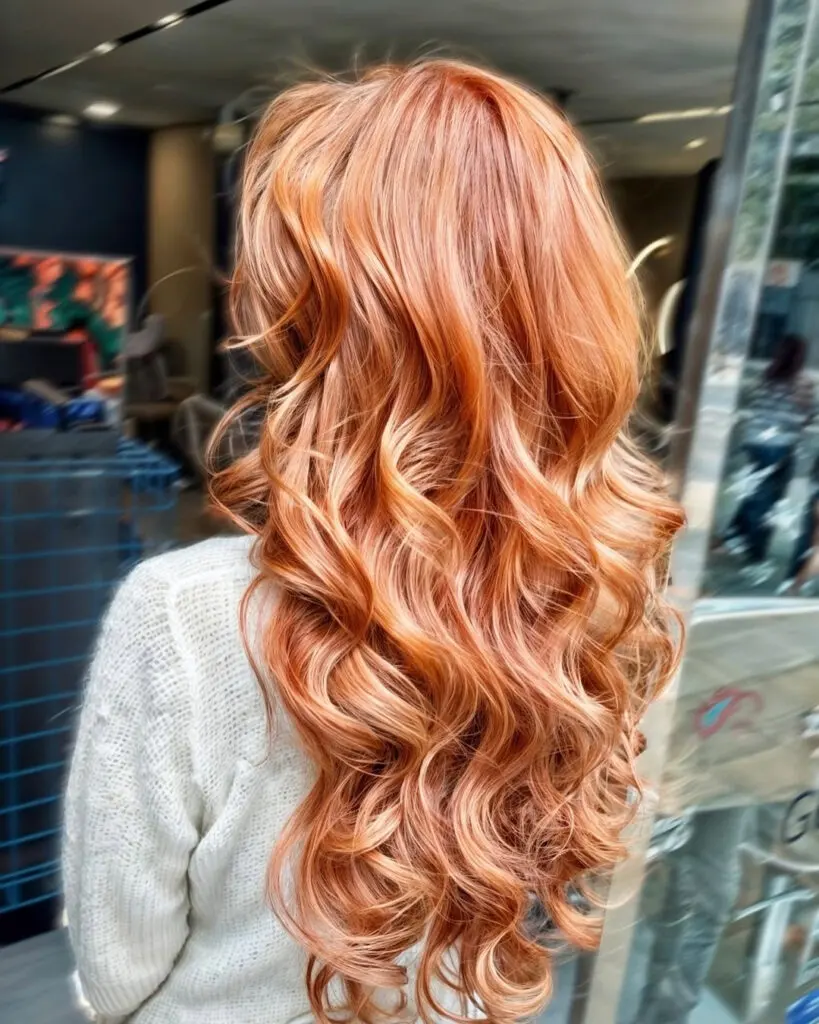
Hair professionals typically categorize curls using a system developed by Andre Walker, which classifies textures into four main groups. Understanding your specific pattern helps in selecting the right products and techniques for maintenance. These categories range from gentle waves to tight, dense coils that require specialized care to maintain moisture and definition.
- Type 2: Wavy hair that ranges from loose loops to defined S-shapes.
- Type 3: Curly hair with distinct, springy spirals that can be loose or tight.
- Type 4: Coily or kinky hair characterized by very tight, small curls or zig-zag patterns.
Identifying your pattern is not just about the shape but also the diameter of the individual strands. Fine hair may struggle to hold a curl, while coarse hair often requires heavier emollients to stay hydrated. Observing your hair when it is soaking wet provides the most accurate assessment of its natural texture.

Best hair care routines for curly hair
Curly hair is naturally more prone to dryness because the natural oils produced by the scalp struggle to travel down the spiraled shaft. Establishing a routine that prioritizes hydration is essential for maintaining health and elasticity. Focus on products that are free of harsh sulfates, which can strip away necessary moisture and cause frizz.
- Cleanse with a sulfate-free shampoo or a conditioning cleanser to preserve natural oils.
- Apply a generous amount of conditioner while the hair is soaking wet to lock in moisture.
- Use a wide-tooth comb or your fingers to detangle, starting from the ends and moving toward the roots.
- Apply a leave-in conditioner or curl cream to damp hair to define the pattern.
- Air dry or use a diffuser on a low heat setting to prevent heat damage.
Consistency is key when managing curls. Using a microfiber towel or an old cotton t-shirt to gently squeeze out excess water—rather than rubbing the hair—will significantly reduce friction and prevent unwanted breakage.
Common mistakes when styling curls
Many people with curly hair unintentionally damage their texture by using the wrong tools or techniques. One of the most frequent errors is brushing dry curly hair. Because the curls are already formed, brushing them apart breaks the natural groupings, leading to a frizzy, voluminous, and undefined appearance. Always detangle while the hair is saturated with conditioner.
Another common mistake is applying styling products to hair that is too dry. Products like gels and mousses are designed to seal the hair cuticle and hold the shape, but they work best when applied to wet hair. If the hair is already partially dry, the product will sit on the surface rather than penetrating the hair shaft, resulting in a crunchy or flaky finish. Avoid using high-heat styling tools frequently, as excessive heat can permanently alter the protein structure of the hair, causing the curl pattern to lose its bounce and elasticity over time.
How to maintain curls overnight
Protecting your hair while you sleep is vital for preserving the definition of your curls. Cotton pillowcases are notorious for absorbing moisture and creating friction, which causes tangles and frizz by morning. Switching to a silk or satin pillowcase allows the hair to glide across the surface, reducing mechanical damage and helping your curls retain their shape for multiple days.
- Use a silk or satin bonnet to keep curls contained and protected.
- Try the "pineapple" method by loosely gathering your hair at the very top of your head with a soft scrunchie.
- Refresh curls in the morning by lightly misting them with a mixture of water and a small amount of leave-in conditioner.
By adopting these protective measures, you minimize the need for daily restyling. This reduces the amount of manipulation your hair undergoes, which is the most effective way to prevent long-term damage and keep your curls looking vibrant, healthy, and consistently defined throughout the week.
Key facts
- Hair shape is primarily determined by the follicle's shape; round follicles produce straight hair, while oval or asymmetrical follicles produce curly hair.
- Genetics account for about 85% to 95% of hair texture, with the gene TCHH playing a significant role in determining curl patterns.
- Curly hair is naturally drier because the natural oils produced by the scalp have a harder time traveling down the coiled hair shaft.
- Humidity causes curly hair to frizz because the hair shaft absorbs moisture from the air, causing the proteins to swell and change shape.
- To maintain curls, avoid brushing dry hair, as this disrupts the curl pattern and causes excessive frizz and breakage.
- Use a wide-tooth comb or your fingers while hair is saturated with conditioner to detangle gently without damaging the hair structure.
The bottom line
Curly hair is a fascinating biological trait primarily dictated by the asymmetrical shape of your hair follicles and your unique genetic makeup. Because these coils naturally struggle to distribute scalp oils, they require specialized care focused on hydration and gentle handling. By embracing your natural texture and avoiding harsh styling habits, you can maintain healthy, defined curls that reflect your individual biological blueprint and natural beauty.
People also ask
Can hair texture change over time?
Yes, hormonal shifts during puberty, pregnancy, or menopause can alter the shape of hair follicles. Medications and nutritional deficiencies may also impact the texture and curl pattern of hair as it grows.
Is there a difference between wavy and curly hair?
Wavy hair typically forms an "S" shape and lies closer to the scalp, while curly hair forms tighter coils or spirals. These differences are dictated by the angle at which the hair emerges from the follicle.
Why does curly hair often feel rougher than straight hair?
The cuticle layer of curly hair is often more raised, which makes it feel coarser and causes it to lose moisture more quickly. This structure makes curly hair more prone to damage from heat and chemical treatments.
Does cutting curly hair make it grow back thicker?
No, cutting hair does not change the thickness or the curl pattern of the hair follicle. It only removes the damaged ends, which can make the hair appear healthier and more voluminous.
How often should curly hair be washed?
Most experts recommend washing curly hair less frequently than straight hair, typically once or twice a week. Frequent washing strips away necessary natural oils that keep curls hydrated and defined.
What is the "curly girl method"?
This is a popular hair care routine that avoids sulfates, silicones, and heat styling to promote natural curl health. It focuses on deep conditioning and gentle detangling to minimize frizz and breakage.
This answer was created with the help of AI research tools and reference sources. Spotted an error? Let us know — we correct mistakes quickly. See our editorial policy.