How is yogurt made?
Short answer
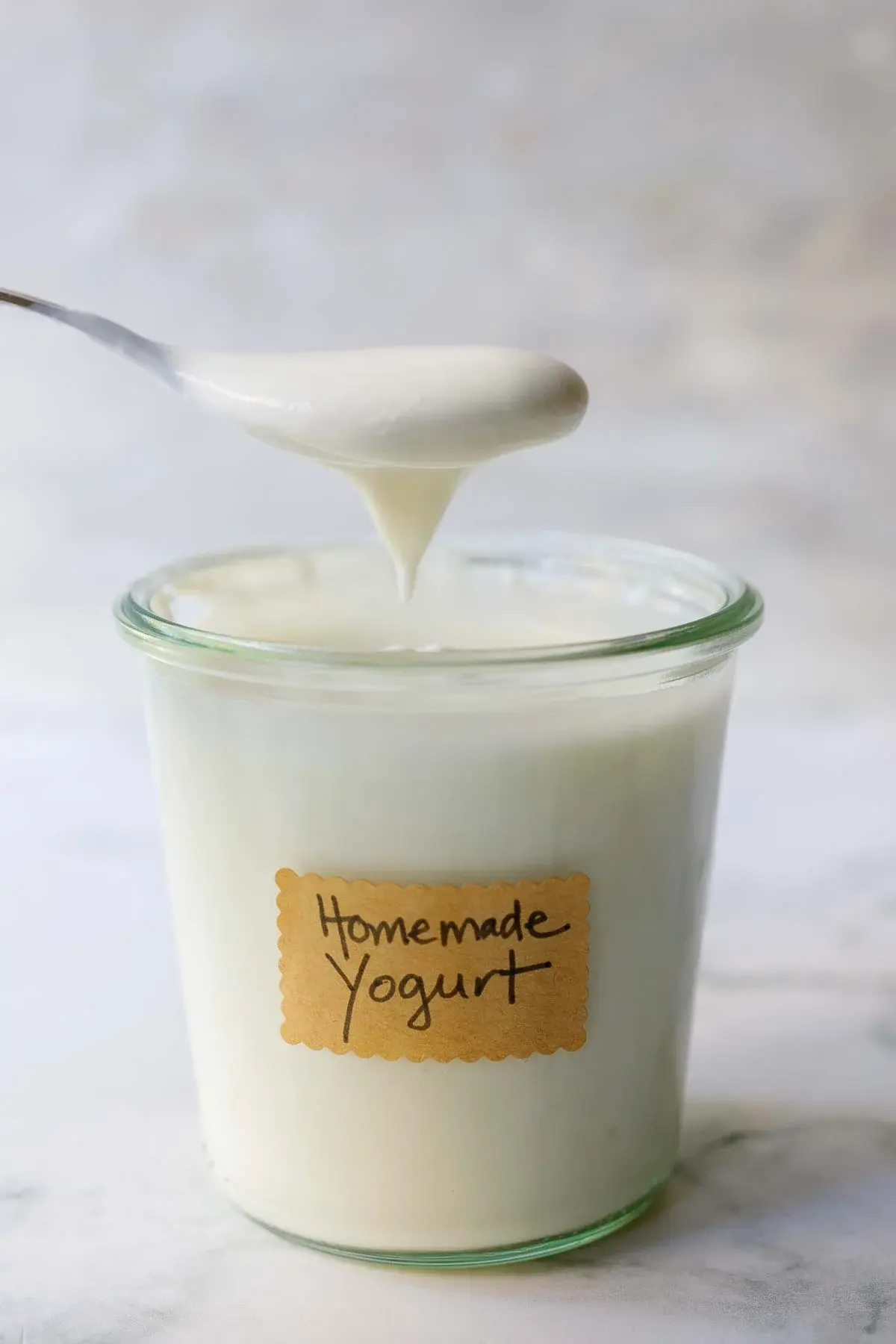
Yogurt is produced through the bacterial fermentation of milk. Manufacturers or home cooks heat milk to denature its proteins, then cool it to a specific temperature before introducing live bacterial cultures, typically Lactobacillus bulgaricus and Streptococcus thermophilus. These bacteria consume lactose, producing lactic acid, which thickens the milk into yogurt.
On this page
How is yogurt made step by step?
The process begins with milk preparation, which involves heating the liquid to approximately 180°F (82°C). This high temperature is crucial because it denatures the whey proteins, specifically lactoglobulin, which allows them to form a stable gel structure later. Once heated, the milk is cooled to between 110°F and 115°F (43°C–46°C), the optimal range for the bacterial starter cultures to thrive without being killed by excessive heat.
After cooling, the starter culture is whisked into the milk. The mixture must then be held at this warm, stable temperature for four to twelve hours. During this incubation period, the bacteria ferment the milk sugar, known as lactose, into lactic acid. This acid lowers the pH of the milk, causing the casein proteins to coagulate and thicken into the familiar creamy texture of yogurt.
- Heat milk to 180°F to restructure proteins.
- Cool milk to 110°F–115°F to prepare for inoculation.
- Whisk in a starter culture containing live bacteria.
- Incubate the mixture at a warm, constant temperature.
- Chill the finished yogurt to stop the fermentation process.
How long does it take to make yogurt?
The total time required to make yogurt varies significantly based on the desired tanginess and thickness. While the initial heating and cooling phase takes about 30 to 45 minutes, the incubation period is the primary time-consuming factor. A shorter incubation period of four to six hours results in a milder, thinner yogurt, whereas a longer period of up to twelve hours produces a much sharper, more acidic flavor profile.
Once the incubation is complete, the yogurt must be refrigerated for at least six hours, though overnight chilling is ideal. This final cooling phase is essential for the structure to "set" completely. If you attempt to consume the yogurt immediately after incubation, the texture will be loose and somewhat grainy. Proper chilling allows the fat globules and proteins to firm up, resulting in a smooth, professional consistency that is ready to serve.
- 4–6 hours: Mild flavor, thinner consistency.
- 8–10 hours: Balanced flavor, standard thickness.
- 12+ hours: Tart flavor, very firm texture.
Best milk for yogurt beginners
For those new to the process, whole cow's milk is the most forgiving option. The higher fat content provides a richer mouthfeel and a more stable structure, which helps compensate for minor temperature fluctuations during incubation. Pasteurized milk is standard, but you should avoid ultra-high-temperature (UHT) milk if you are a beginner, as the proteins in UHT milk are already significantly altered, often resulting in a weaker set.
If you prefer non-dairy alternatives, soy milk is the best choice because its protein structure reacts similarly to cow’s milk during fermentation. Almond or coconut milks often require thickening agents like agar-agar or gelatin because they lack the necessary protein content to form a natural gel. Regardless of the type chosen, ensure the milk contains no added preservatives or antibiotics, as these ingredients can inhibit the growth of the live bacterial cultures required for fermentation.
- Whole cow's milk: Best for texture and success rate.
- Soy milk: Best non-dairy option for protein content.
- Goat's milk: Produces a thinner, more delicate yogurt.
- Avoid UHT milk: Can lead to inconsistent results for novices.

Why does yogurt texture change?
The texture of yogurt is primarily determined by the protein network formed during fermentation. If your yogurt turns out runny, it is often because the incubation temperature dropped too low, slowing the bacterial activity. Conversely, if the milk was not heated high enough at the start, the whey proteins did not denature properly, preventing the formation of a strong, interconnected matrix. Excessive agitation after the yogurt has set can also break the gel structure, turning a firm batch into a liquid consistency.
Another common factor is the quality of the starter culture. If the bacteria are old or have been exposed to high heat, they may not produce enough lactic acid to thicken the milk effectively. Additionally, if you are making Greek-style yogurt, the texture is altered by straining the finished product. By removing the liquid whey through a cheesecloth, you concentrate the solids, resulting in a much denser, creamier product that is significantly higher in protein than unstrained varieties.
Common mistakes when making yogurt
One of the most frequent errors is failing to maintain a consistent temperature during the incubation phase. If the environment is too cold, the bacteria become dormant; if it is too hot, the bacteria die. Using a dedicated yogurt maker or a thermos can help stabilize the heat, preventing these fluctuations. Another mistake is adding the starter culture while the milk is still too hot, which effectively kills the beneficial bacteria before they have a chance to begin the fermentation process.
Sanitation is also critical, as stray bacteria can contaminate the batch and lead to spoilage or off-flavors. Always ensure that your containers, whisks, and thermometers are thoroughly cleaned and sanitized before use. Finally, do not rush the cooling process after incubation. Moving the yogurt directly into a freezer or exposing it to rapid temperature changes can cause the whey to separate from the curd, leading to a watery product that lacks the desired smooth, uniform appearance.
Key facts
- Yogurt is created by fermenting milk with specific bacteria, primarily Lactobacillus bulgaricus and Streptococcus thermophilus.
- The ideal temperature for bacterial incubation is between 105°F and 115°F (40°C–46°C).
- Heating milk to 180°F (82°C) before cooling it down denatures whey proteins, which helps create a thicker, firmer yogurt structure.
- You must use a "starter" culture, which can be a small amount of plain, store-bought yogurt containing live active cultures.
- The fermentation process typically lasts between 6 to 12 hours; longer incubation times result in a more tart and acidic flavor.
- Avoid using milk that has been ultra-high temperature (UHT) pasteurized if you want the best texture, as the heat treatment can interfere with protein coagulation.
The bottom line
Making yogurt is a straightforward process of heating milk, cooling it to a warm temperature, and introducing beneficial bacteria to ferment the sugars. By controlling the incubation time and temperature, you can easily customize the thickness and tartness of your final product. With basic kitchen equipment and a reliable starter culture, you can produce fresh, nutritious yogurt at home while avoiding unnecessary additives or preservatives.
People also ask
Can I make yogurt with non-dairy milk?
Yes, you can use soy, almond, or coconut milk, but the results vary because these lack the specific proteins found in cow's milk. You often need to add a thickener like agar-agar or tapioca starch to achieve a yogurt-like consistency.
Why did my yogurt turn out runny?
A runny texture usually results from insufficient heating of the milk or an incubation temperature that was too low. Ensure you reach 180°F during the heating phase and maintain a steady, warm environment for the bacteria to work.
How long does homemade yogurt last in the refrigerator?
Homemade yogurt typically stays fresh for one to two weeks when stored in a clean, airtight container. Always use a clean spoon to serve it to prevent introducing new bacteria that could cause spoilage.
Is it necessary to boil the milk first?
Yes, heating the milk to at least 180°F is essential to kill off competing bacteria and change the milk protein structure. This step ensures the starter culture has the best environment to thrive and create a stable curd.
What is Greek yogurt and how is it different?
Greek yogurt is simply regular yogurt that has been strained to remove the liquid whey. This process concentrates the protein and fat, resulting in a much thicker, creamier product compared to unstrained varieties.
Can I reuse my homemade yogurt as a starter for the next batch?
You can reuse a portion of your current batch as a starter for several generations. However, the culture may eventually weaken or become contaminated, so it is best to refresh your starter with a new, high-quality batch after a few cycles.
This answer was created with the help of AI research tools and reference sources. Spotted an error? Let us know — we correct mistakes quickly. See our editorial policy.