Are bison dangerous to humans?
Short answer
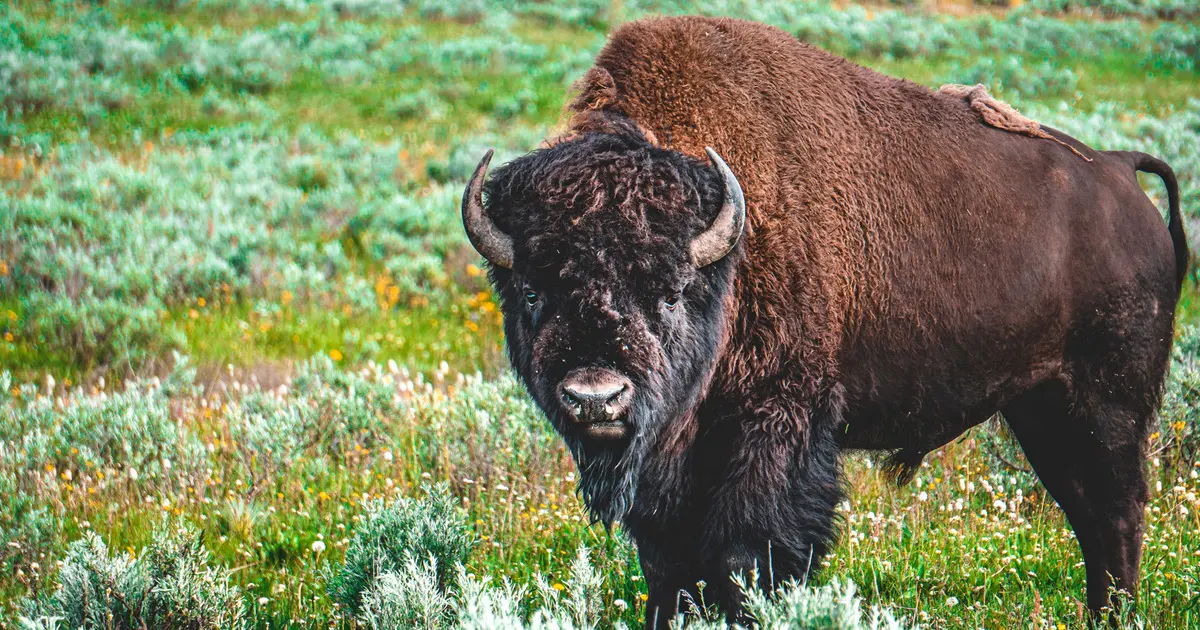
Yes, bison are extremely dangerous to humans. Despite their docile appearance, they are agile, unpredictable, and capable of reaching speeds up to 35 miles per hour. They frequently cause more injuries to visitors in national parks than any other animal, often charging when they feel threatened, crowded, or provoked by human presence.
On this page
Why are bison dangerous to humans?
Bison are massive animals, with bulls weighing up to 2,000 pounds. Their sheer physical power allows them to toss a human into the air with minimal effort. Unlike domestic cattle, bison are wild animals that have not been bred for temperament. They possess a strong survival instinct and will defend themselves or their calves if they perceive a threat.
Their behavior is notoriously unpredictable. A bison may appear calm while grazing, only to charge without warning if a person gets too close. Because they are faster than humans and can navigate rugged terrain with ease, attempting to outrun a charging bison is rarely successful. Their horns are sharp and can cause severe puncture wounds, while their hooves and heads can cause blunt-force trauma, broken bones, and internal injuries during a strike.
How to stay safe around bison
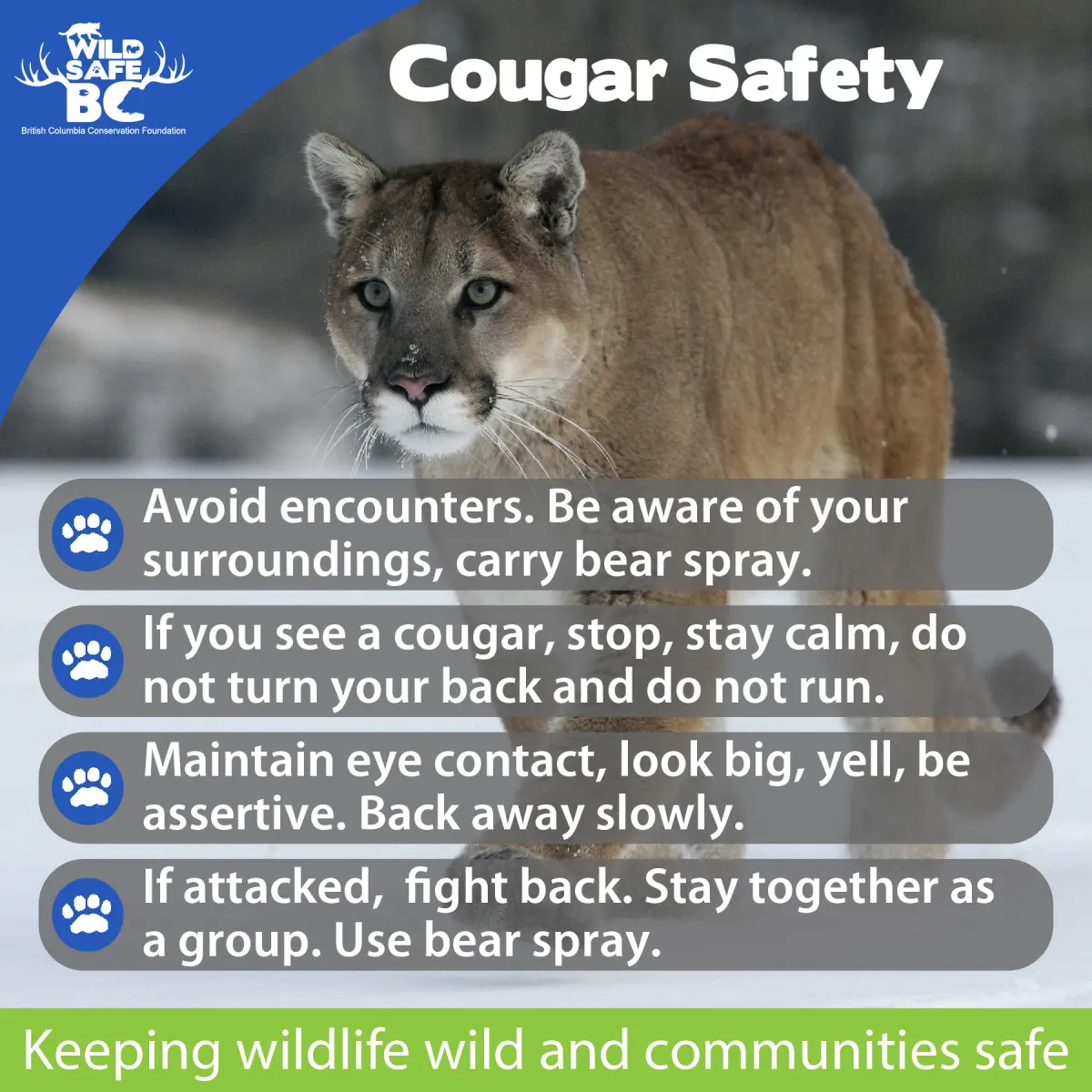
The most effective way to avoid injury is to maintain a significant distance at all times. The National Park Service mandates that visitors stay at least 25 yards away from bison and other large wildlife. If you find yourself in a situation where a bison is nearby, follow these safety protocols:
- Back away slowly while keeping your eyes on the animal.
- Do not turn your back or run, as this may trigger a predatory chase response.
- Move behind a large object, such as a boulder or a vehicle, to create a physical barrier.
- If you are in a car, stay inside and keep the windows closed until the animal has moved a safe distance away.
If a bison begins to paw the ground, snort, or lower its head, these are clear signs of agitation. Stop moving immediately and retreat calmly.
Common mistakes when viewing wildlife
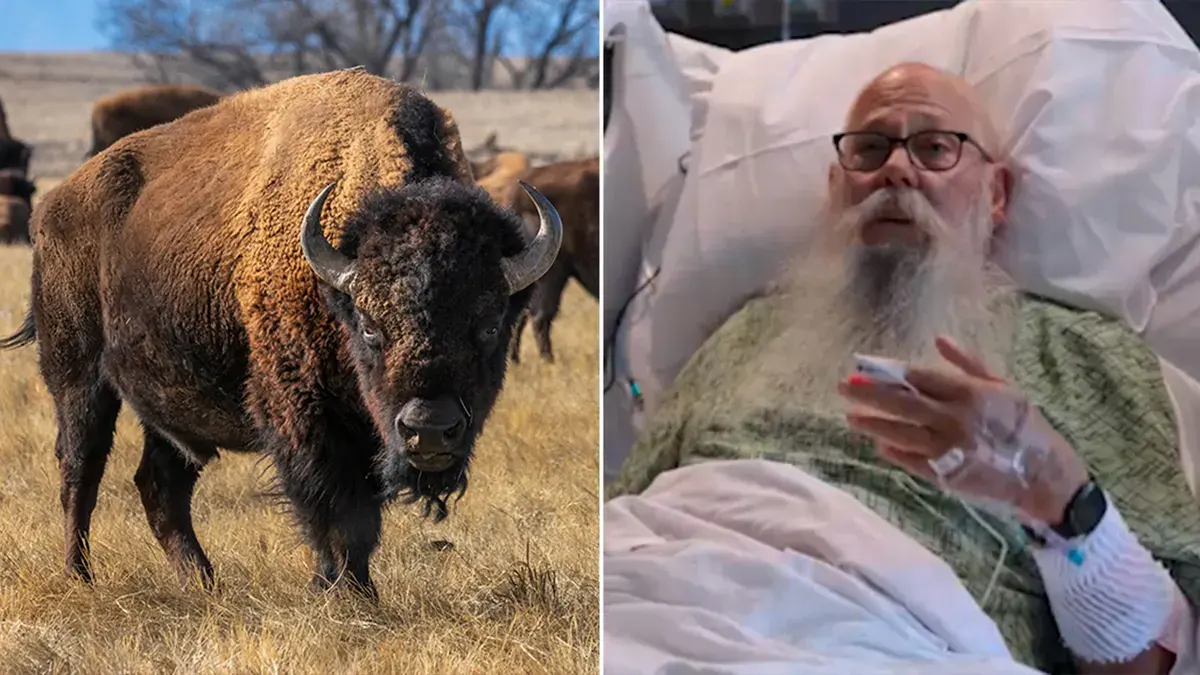
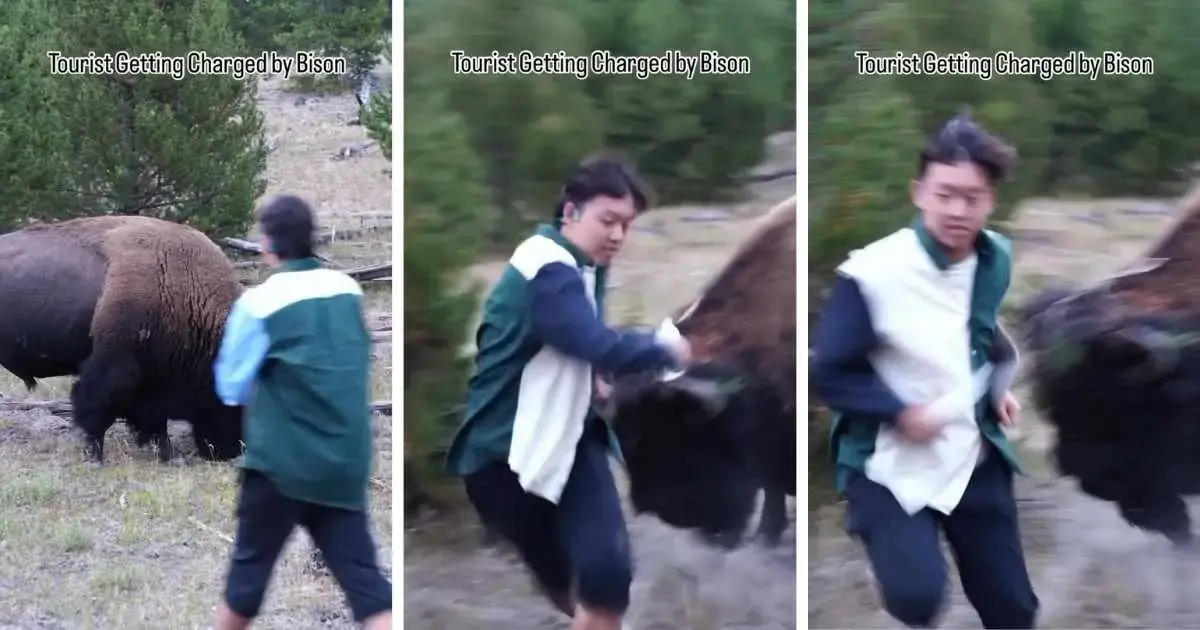
Many visitors underestimate the danger posed by bison because the animals often congregate near roads and boardwalks. A frequent and dangerous mistake is approaching a bison to take a photograph. People often assume that because the animal is not currently moving, it is safe to walk closer for a better shot. This behavior compromises the animal's personal space and frequently leads to defensive charges.
Another common error is feeding or attempting to touch bison. Feeding wildlife causes animals to lose their natural fear of humans, which makes them more likely to approach people in the future. This creates a cycle of dangerous encounters that often ends with the animal having to be euthanized by park rangers. Always remember that wildlife is not domestic; they do not understand human intentions and will react based on instinct rather than social cues.
What to do if a bison charges
If a bison charges, your response must be immediate and decisive. While the instinct to panic is strong, staying calm is your best chance of survival. If you are on a trail and a bison charges, try to find a tree or a large rock to put between you and the animal. Do not attempt to climb a tree unless you are certain you can get high enough quickly, as bison can be surprisingly persistent.
If you are caught in an open area with no cover, consider these defensive actions:
- Drop to the ground and curl into a ball if you are knocked down.
- Protect your head and neck with your arms and hands.
- Do not make loud noises or aggressive gestures, as these can escalate the animal's aggression.
- Wait for the animal to lose interest and wander away before attempting to move again.
When to seek medical attention
Any contact with a bison is considered a medical emergency. Even if you do not see visible bleeding or broken bones, the force of a bison strike can cause internal organ damage or severe concussions. If you are struck, bumped, or thrown by a bison, you must seek professional medical evaluation immediately. Internal bleeding or shock can manifest symptoms long after the initial adrenaline wears off.
Report the incident to park authorities as soon as you are safe. Providing details about the location and the behavior of the animal helps rangers manage the area and warn other visitors of potential risks. Remember that your safety is your own responsibility when visiting wild habitats. By respecting the space of these powerful animals and following established guidelines, you can enjoy the beauty of the wilderness without becoming a statistic in an avoidable wildlife encounter.
Key facts
- Bison are deceptively fast and can reach speeds of up to 35 miles per hour, making them faster than the average human sprinter.
- They are highly agile and can pivot quickly or jump over obstacles like fences that are several feet high.
- A mature male bison can weigh up to 2,000 pounds, providing enough force to easily flip a small vehicle or cause fatal injuries.
- National Park Service guidelines mandate staying at least 25 yards away from bison at all times to prevent aggressive encounters.
- Bison often signal agitation by pawing the ground, snorting, or raising their tails; if you see these behaviors, you are already too close.
- Never attempt to feed or pet a bison, as these actions remove their natural fear of humans and increase the likelihood of a charge.
The bottom line
Bison are powerful, unpredictable wild animals that command respect and significant physical distance. Despite their docile appearance, they are responsible for more human injuries in national parks than most predators. To ensure your safety, always maintain a buffer of at least 25 yards, recognize the warning signs of agitation, and never prioritize a photograph over your personal safety. Keep your distance to avoid dangerous, life-threatening encounters.
People also ask
Do bison attack without warning?
While bison often display warning signs like tail-raising or head-tossing, they can charge suddenly if they feel threatened or crowded. They are wild animals that react unpredictably to human presence, especially during the breeding season.
What should I do if a bison charges me?
Do not run, as you cannot outpace a bison. Instead, slowly back away while keeping your eyes on the animal and try to put a large object, such as a tree or boulder, between you and the bison.
Are bison more dangerous than bears?
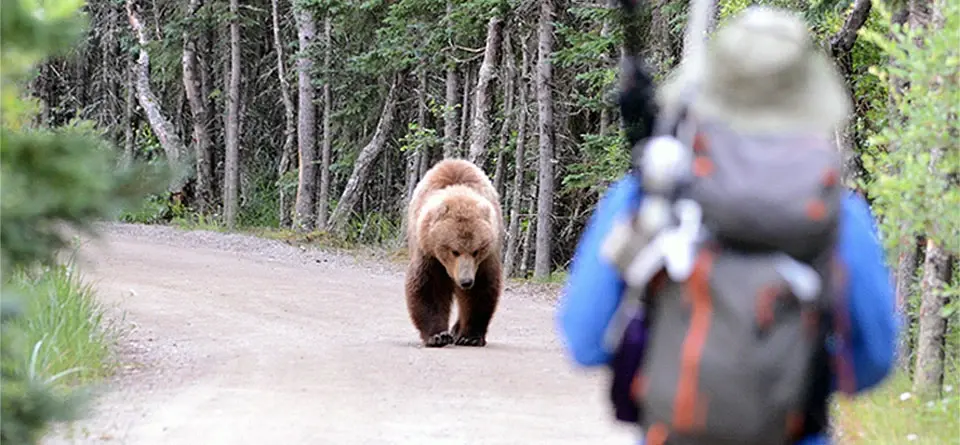
In many national parks, bison cause more injuries to visitors annually than bears do. This is largely because tourists frequently underestimate the size and speed of bison and approach them too closely for photographs.
Can I safely view bison from my car?
Staying inside your vehicle is generally safe, provided the bison does not make direct contact with the car. If a bison approaches your vehicle, keep the windows closed and slowly drive away to maintain a safe distance.
Why are bison more aggressive during the summer?
The summer months coincide with the rut, or mating season, when bulls are highly territorial and focused on competing for mates. During this time, they are significantly more irritable and prone to charging at perceived threats.
Is it safe to approach a bison if it looks calm?
Never assume a bison is calm based on its posture. Even when grazing peacefully, they can transition to a full sprint in seconds, leaving you no time to escape if you are within their immediate vicinity.
This answer was created with the help of AI research tools and reference sources. Spotted an error? Let us know — we correct mistakes quickly. See our editorial policy.