How do vaccines work?
Short answer
Vaccines train your immune system to recognize and fight specific pathogens, such as viruses or bacteria, without causing the disease itself. By introducing a harmless piece of the germ or its genetic blueprint, the body produces protective antibodies and memory cells, ensuring a rapid, effective defense if you encounter the real pathogen later.
On this page
How do vaccines trigger an immune response
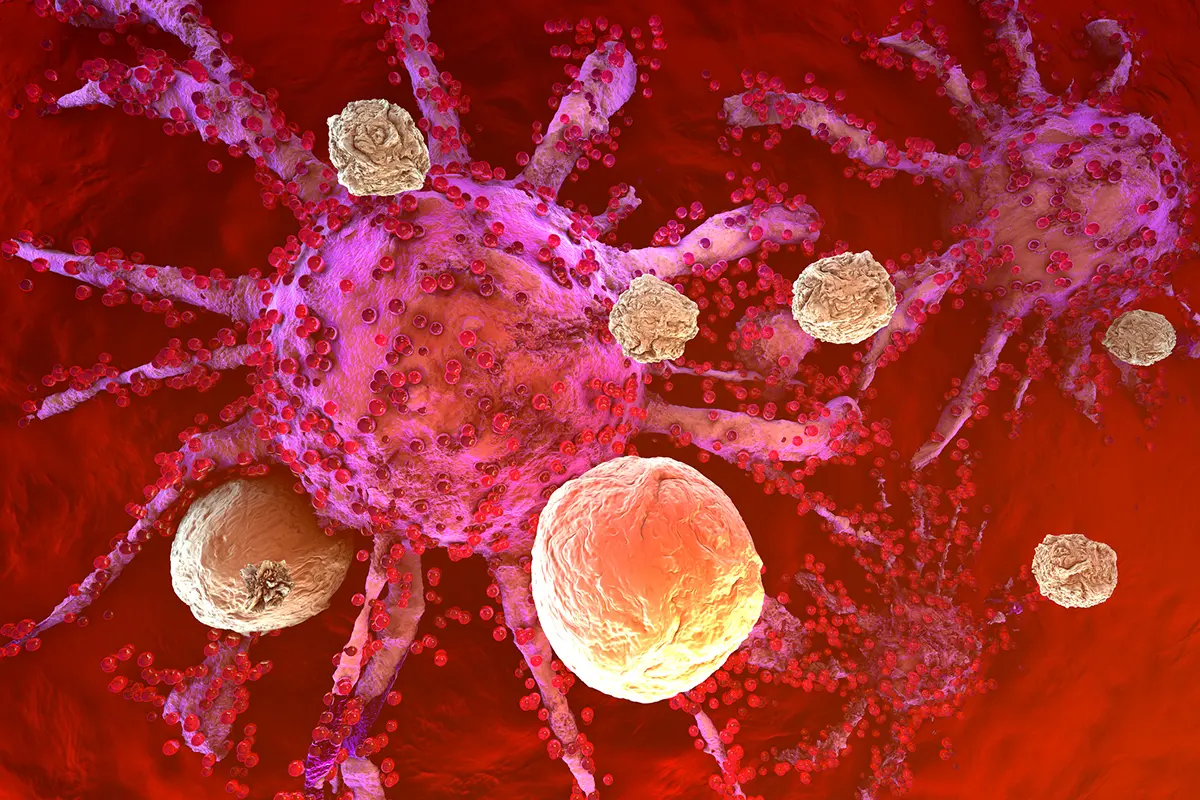
When a vaccine enters your body, it acts as a rehearsal for your immune system. It introduces an antigen—a substance that the body perceives as foreign—which triggers a targeted response. Your white blood cells, specifically B-lymphocytes and T-lymphocytes, identify this intruder and begin producing antibodies. These antibodies are specialized proteins designed to neutralize that specific pathogen.
Once the initial threat is cleared, your body retains "memory cells." These cells act like a biological record-keeper, storing information about the pathogen's structure. If you are exposed to the actual virus or bacteria in the future, these memory cells recognize the invader instantly. They coordinate a massive, rapid production of antibodies to destroy the threat before you even show symptoms of illness.
Types of vaccines used today
Scientists utilize various technologies to create vaccines depending on the nature of the pathogen. Each method has a distinct way of presenting the target to the immune system. The most common types include:
- Live-attenuated vaccines: These use a weakened form of the germ.
- Inactivated vaccines: These use a killed version of the germ.
- Subunit or recombinant vaccines: These use specific pieces of the germ, such as a protein or sugar.
- mRNA vaccines: These teach cells how to make a protein that triggers an immune response.
- Viral vector vaccines: These use a modified version of a different, harmless virus to deliver instructions.
These diverse approaches allow researchers to tailor vaccines for different diseases. For example, mRNA technology proved highly effective for COVID-19, while live-attenuated vaccines have been the gold standard for long-term protection against measles and mumps since the 1960s.
How long does it take to build immunity
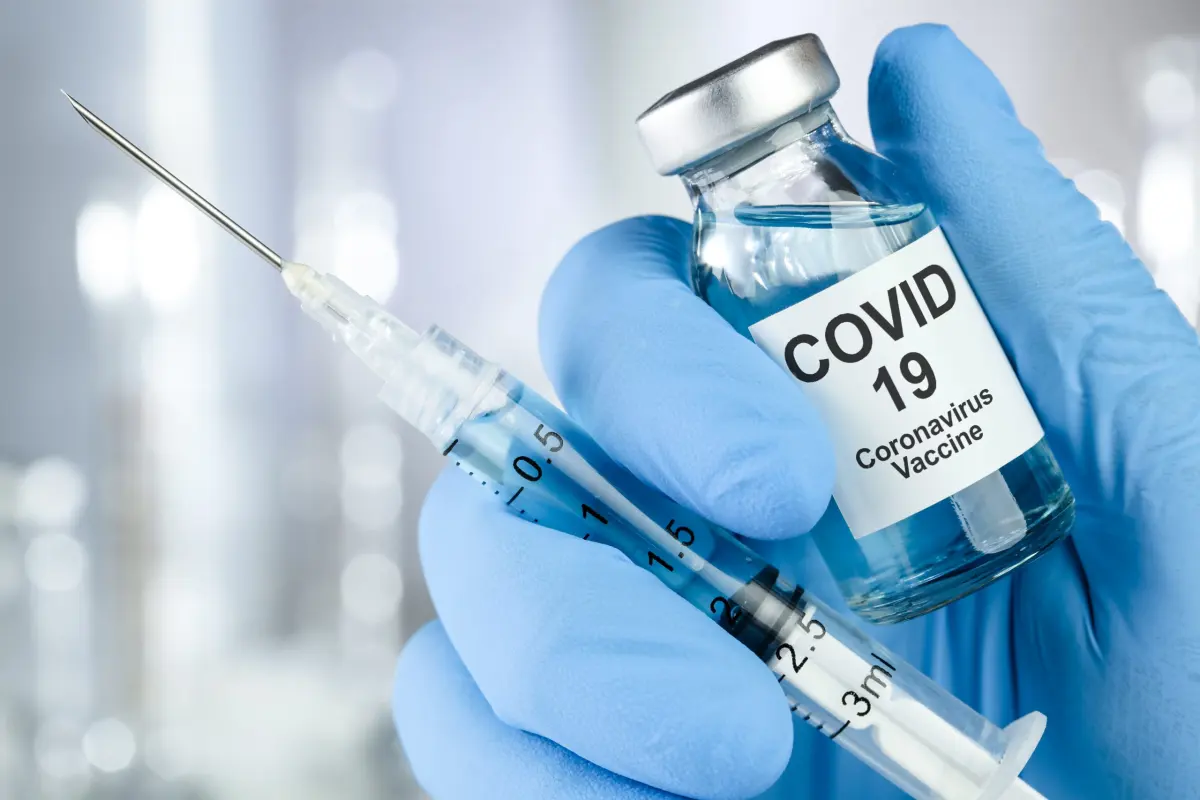
Building immunity is not an instantaneous process; it generally requires time for your body to process the vaccine and generate a robust response. Most vaccines require a period of two to four weeks after the final dose to reach peak efficacy. During this window, your body is actively building the necessary antibodies and memory cells required for protection.
Some vaccines require multiple doses to achieve full effectiveness. This is often because the first dose provides a baseline level of immunity, while subsequent "booster" doses refine the memory cells and increase the overall antibody count. Following the recommended schedule is essential to ensure your immune system is fully prepared. Skipping or delaying these intervals can leave you vulnerable to infection during the gap period.
Common mistakes when getting vaccinated
Navigating the vaccination process requires attention to detail to ensure the best possible outcome. Many people inadvertently undermine their protection by failing to track their immunization history or ignoring medical advice regarding post-vaccination care. Avoiding these errors is critical for maintaining long-term health:
- Failing to complete the full series of doses for multi-shot vaccines.
- Assuming that one vaccine provides lifelong immunity without checking if boosters are needed.
- Ignoring contraindications, such as severe allergies to specific ingredients, which should be discussed with a doctor beforehand.
- Misinterpreting mild side effects, like a low-grade fever or soreness, as signs of the actual disease.
It is also a mistake to rely on outdated information regarding vaccine safety. Always consult official health organizations for the latest data on side effects and efficacy. Keeping a personal record of your immunization dates helps you stay organized and provides necessary documentation for schools, workplaces, or international travel.
Why herd immunity matters for everyone
Vaccines do more than protect the individual; they contribute to a concept known as herd immunity. When a high percentage of a population is vaccinated, the pathogen struggles to find susceptible hosts. This effectively breaks the chain of transmission, making it difficult for the disease to spread through the community. This is vital for protecting vulnerable individuals who cannot be vaccinated, such as infants, the elderly, or those with compromised immune systems.
The threshold required for herd immunity varies by disease. Highly contagious illnesses, such as measles, require upwards of 95 percent of the population to be immune to prevent outbreaks. When vaccination rates drop, the risk of resurgence increases significantly, as seen in various regions globally over the last decade. By staying up to date with your own vaccines, you act as a critical link in the chain that keeps the entire community safe from preventable and potentially dangerous infectious diseases.
Key facts
- Vaccines train the immune system to recognize and fight specific pathogens without causing the disease itself.
- Edward Jenner created the first successful vaccine in 1796 by using cowpox material to protect against smallpox.
- Memory B-cells and T-cells are the primary components of the immune system that "remember" the pathogen after vaccination.
- Herd immunity occurs when a large enough percentage of a population is vaccinated, making it difficult for a disease to spread.
- Common side effects like mild fever or arm soreness indicate that the body is actively building an immune response.
- Always consult a healthcare professional to verify your specific vaccination schedule rather than relying on anecdotal internet advice.
The bottom line
Vaccines function as a sophisticated training program for your immune system, allowing it to identify and neutralize dangerous pathogens before they cause illness. By introducing a harmless piece of a virus or bacteria, your body develops specialized memory cells that provide long-term defense. Staying up to date with recommended vaccinations not only protects your personal health but also strengthens the collective immunity of your entire community.
People also ask
Can a vaccine give you the disease it is meant to prevent?
Most modern vaccines use inactivated, weakened, or fragmented parts of a virus, making it biologically impossible for them to cause the full-blown disease. Some people may experience mild symptoms, but these are signs of the immune system learning to protect the body.
Why do some vaccines require multiple doses or boosters?
Initial doses prime the immune system, but the level of protection can wane over time or may need to be strengthened to handle evolving variants. Boosters essentially "remind" the immune system of the pathogen to ensure long-term, robust immunity.
How long does it take for a vaccine to become effective?
It generally takes about two weeks after the final dose for the body to build up enough antibodies to provide full protection. During this window, an individual may still be susceptible to infection if exposed to the pathogen.
What is the difference between an mRNA vaccine and a traditional vaccine?
Traditional vaccines often introduce a dead or weakened virus to trigger an immune response. mRNA vaccines provide the body with instructions to produce a harmless protein found on the virus, which then teaches the immune system to recognize and attack the real pathogen.
Are there any ingredients in vaccines that are harmful?
Ingredients like stabilizers, preservatives, and adjuvants are used in tiny, safe amounts to ensure the vaccine remains effective and stable. Extensive clinical trials and rigorous monitoring confirm that these components do not pose a risk to the vast majority of people.
Can I get vaccinated if I have a compromised immune system?
Individuals with weakened immune systems should speak with their doctor, as their body's response to a vaccine may be less effective. In some cases, specific types of vaccines are avoided, while others are highly recommended to provide necessary protection.
This answer was created with the help of AI research tools and reference sources. Spotted an error? Let us know — we correct mistakes quickly. See our editorial policy.