What is Spanish Banks famous for?
Short answer
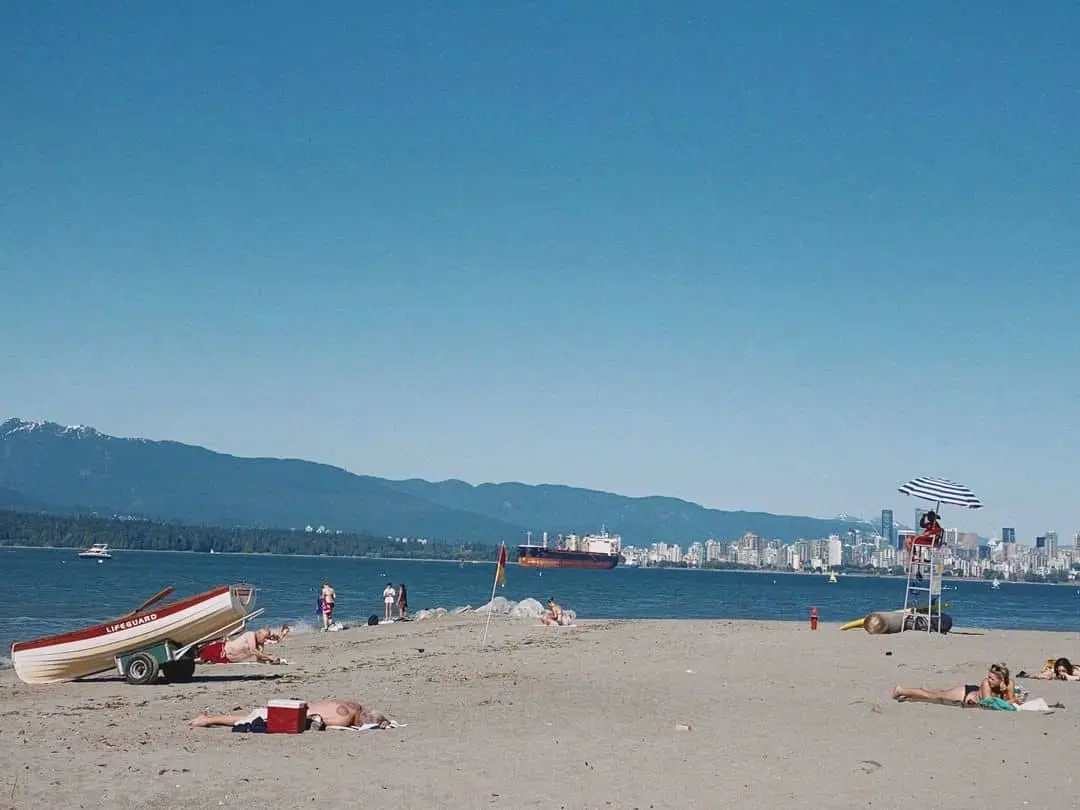
Spanish Banks is a popular beach in Vancouver, British Columbia, famous for its expansive low-tide flats, stunning views of the North Shore Mountains, and relaxed atmosphere. It is the premier destination for skimboarding, windsurfing, and casual recreation, offering a unique coastal experience where the ocean recedes hundreds of meters during low tide.
On this page
Why is Spanish Banks famous for its low tide?
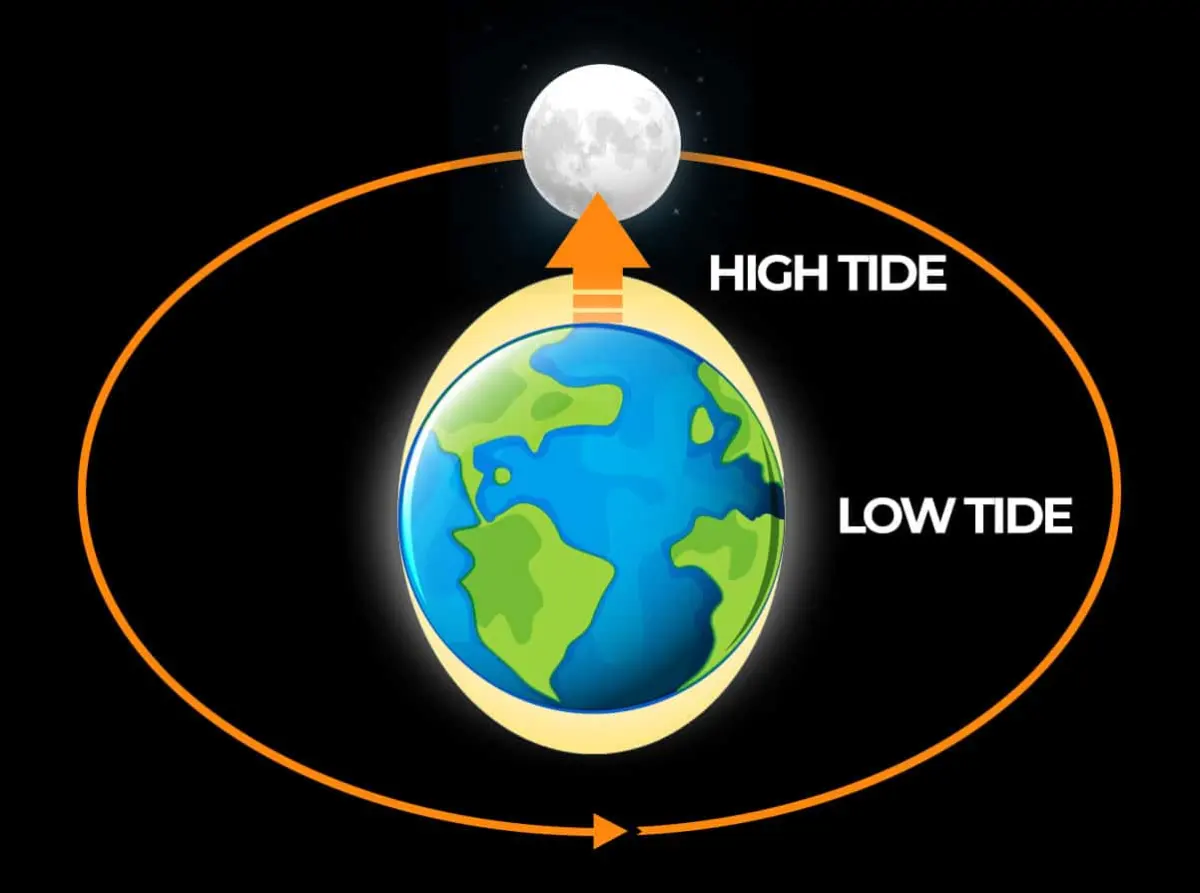
Spanish Banks is renowned primarily for its dramatic tidal range, which creates a vast expanse of wet sand during low tide. Because the beach features a very gentle slope, the ocean recedes up to a kilometer from the high-tide mark. This phenomenon transforms the area into a massive, shallow playground that is perfect for walking, wading, and exploring tidal pools. It is a rare geographical feature in the region that allows visitors to walk far out into the bay while the water remains only ankle-deep.
The scale of this low tide is particularly impressive during the spring and summer months. Locals and tourists alike flock to the area to take advantage of the unique landscape, which feels more like a desert of sand and shallow water than a traditional beach. This vast space provides ample room for activities that require large, flat areas, ensuring that even on busy summer days, visitors can find their own personal patch of sand.
What are the best activities at Spanish Banks?
The beach is a hub for various recreational sports, particularly those that capitalize on the wind and the flat terrain. Because of the consistent breezes coming off the Burrard Inlet and the expansive shallow water, it is considered one of the best spots in Vancouver for windsurfing and kiteboarding. The beach is also a favorite for skimboarders, who use the thin layer of water left behind by the tide to glide across the sand.
For those who prefer a more relaxed pace, the area offers several amenities for leisure:
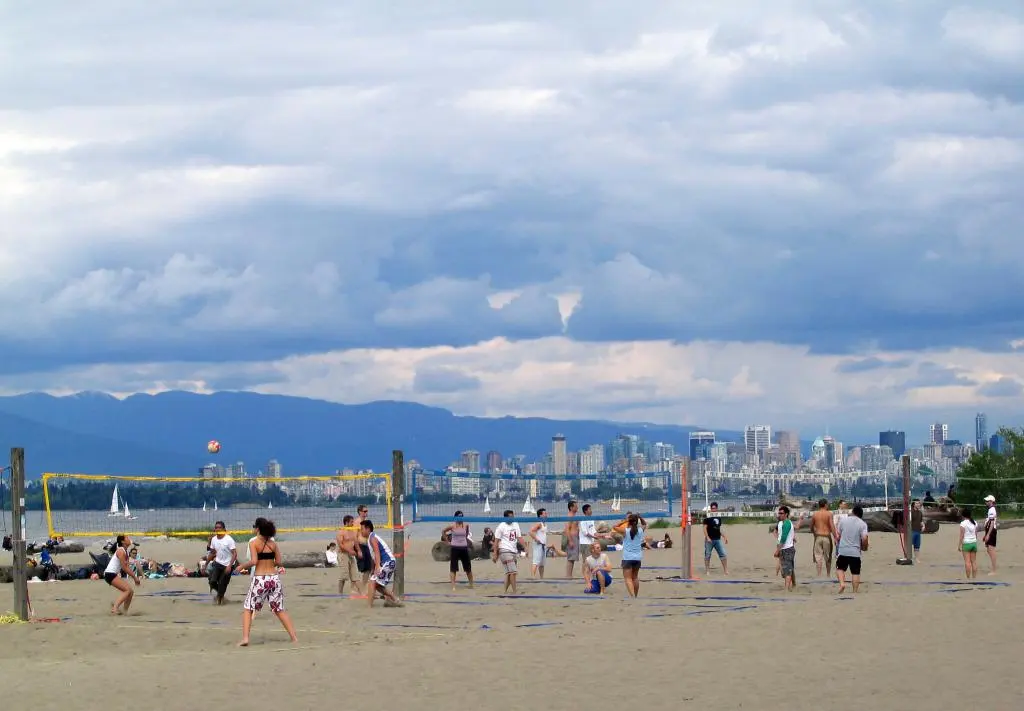
- Volleyball courts: Multiple public courts are available for competitive or casual matches.
- Picnic areas: Large grassy sections provide space for family gatherings and outdoor meals.
- Walking trails: The paved seawall path connects the beach to other parts of the city, perfect for cycling or jogging.
- Dog off-leash areas: A designated section allows pets to run freely near the water.
How to visit Spanish Banks like a local
To make the most of a visit, planning around the tidal schedule is essential. If you arrive during high tide, the beach is quite narrow and mostly comprised of pebbles and logs. Checking the local tide charts online before leaving home ensures you arrive when the water is at its furthest point, providing the widest possible stretch of sand for your activities.
Follow these steps to ensure a smooth visit:
- Check the tide tables for Vancouver to find the lowest tide time of the day.
- Arrive at least two hours before the predicted low tide to enjoy the receding water.
- Bring appropriate footwear, such as water shoes or sandals, as the sand can contain small shells or stones.
- Pack plenty of water and sunscreen, as there is very little shade available on the open sand flats.
- Use public transit or arrive early, as parking lots fill up quickly during sunny weekends.
Why is it a popular spot for photography?
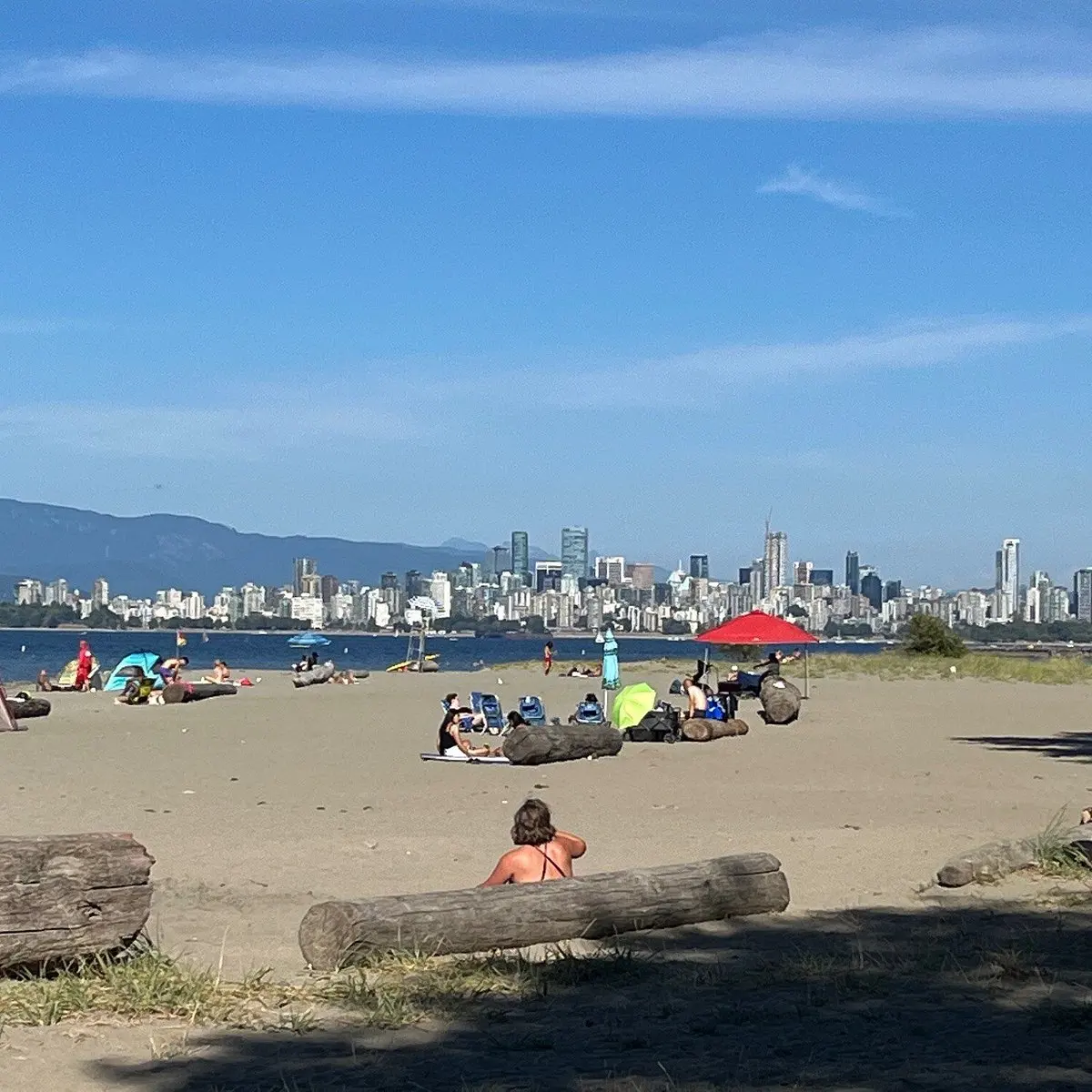
Spanish Banks offers some of the most iconic views of the Vancouver skyline and the rugged North Shore Mountains. The combination of the reflective, wet sand at low tide and the backdrop of the city creates a mirror-like effect that is highly sought after by photographers. During sunset, the sky reflects off the shallow water, bathing the entire beach in vibrant shades of orange, pink, and purple.
Many visitors come specifically to capture the contrast between the natural beauty of the shoreline and the modern architecture of the city across the water. Whether using a professional camera or a smartphone, the lighting conditions at the beach provide endless opportunities for high-quality landscape shots. It is widely considered one of the most picturesque locations in the Lower Mainland, especially during the "golden hour" when the sun dips behind the mountains.
Common mistakes when visiting Spanish Banks
A frequent error is failing to account for the speed at which the tide returns. Because the beach is so flat, the incoming tide can move surprisingly quickly, potentially trapping belongings or visitors far from the high-tide line. Always keep an eye on the water level and be prepared to move your gear back toward the grass as the ocean begins its return.
Another common mistake involves ignoring the parking regulations and the specific zones of the beach. The area is divided into different sections, including areas for dogs and areas for general recreation; failing to observe these signs can lead to fines or conflict with other beachgoers. Additionally, visitors often underestimate the temperature of the water, which remains quite cold even on hot days. Always test the water before wading in, and ensure you have a towel and warm clothing ready for when you leave the beach to avoid discomfort.
Key facts
- Spain’s banking sector is dominated by two global giants, Banco Santander and BBVA, which hold a significant share of international assets.
- Spanish banks are known for their extensive retail branch networks, though many have consolidated or closed branches significantly since 2008.
- Digital transformation is a priority, with Spanish lenders consistently ranking among the most advanced in Europe for mobile banking adoption.
- The sector underwent a massive restructuring after the 2008 financial crisis, leading to the consolidation of many regional "cajas" (savings banks).
- Spanish banks are major players in Latin American markets, where they have operated for decades and derive a large portion of their profits.
- Non-resident foreigners can open accounts in Spain, but they must provide a Foreigner Identity Number (NIE) and proof of address.
The bottom line
Spanish banks are renowned for their resilience following the 2008 financial crisis and their massive footprint in Latin American markets. Today, major players like Santander and BBVA lead the sector with robust digital platforms and extensive retail networks. For consumers, the system offers high security through EU-backed guarantees, though navigating account fees and documentation requirements remains a critical step for both residents and foreign visitors.
People also ask
Can a non-resident open a bank account in Spain?
Yes, non-residents can open accounts, but they are often subject to higher fees and stricter documentation requirements. You will typically need a valid passport and a certificate of non-residency issued by the Spanish police.
What is the "caja" system in Spain?
Cajas were traditional, regional savings banks that functioned as non-profits with a focus on social welfare. Following the 2008 financial crisis, most were absorbed by larger commercial banks or converted into foundations.
Are Spanish bank deposits protected?
Yes, the Spanish Deposit Guarantee Fund (FGD) protects deposits up to 100,000 euros per depositor per bank. This is consistent with European Union standards for financial security.
Why do Spanish banks have so many branches?
Historically, Spanish banking relied on face-to-face service, resulting in one of the highest branch densities in Europe. However, this trend is rapidly reversing as banks shift toward digital-only models to cut overhead costs.
What are the common fees associated with Spanish bank accounts?
Many banks charge monthly maintenance fees, card issuance fees, and commissions for international transfers. It is common to avoid these by maintaining a minimum monthly salary deposit or a specific balance.
How do I avoid common mistakes when banking in Spain?
Avoid signing documents you do not fully understand and always ask for a fee schedule in English if available. Ensure you close any unused accounts formally, as "dormant" accounts may continue to accrue maintenance fees.
This answer was created with the help of AI research tools and reference sources. Spotted an error? Let us know — we correct mistakes quickly. See our editorial policy.