What is companion planting?
Short answer
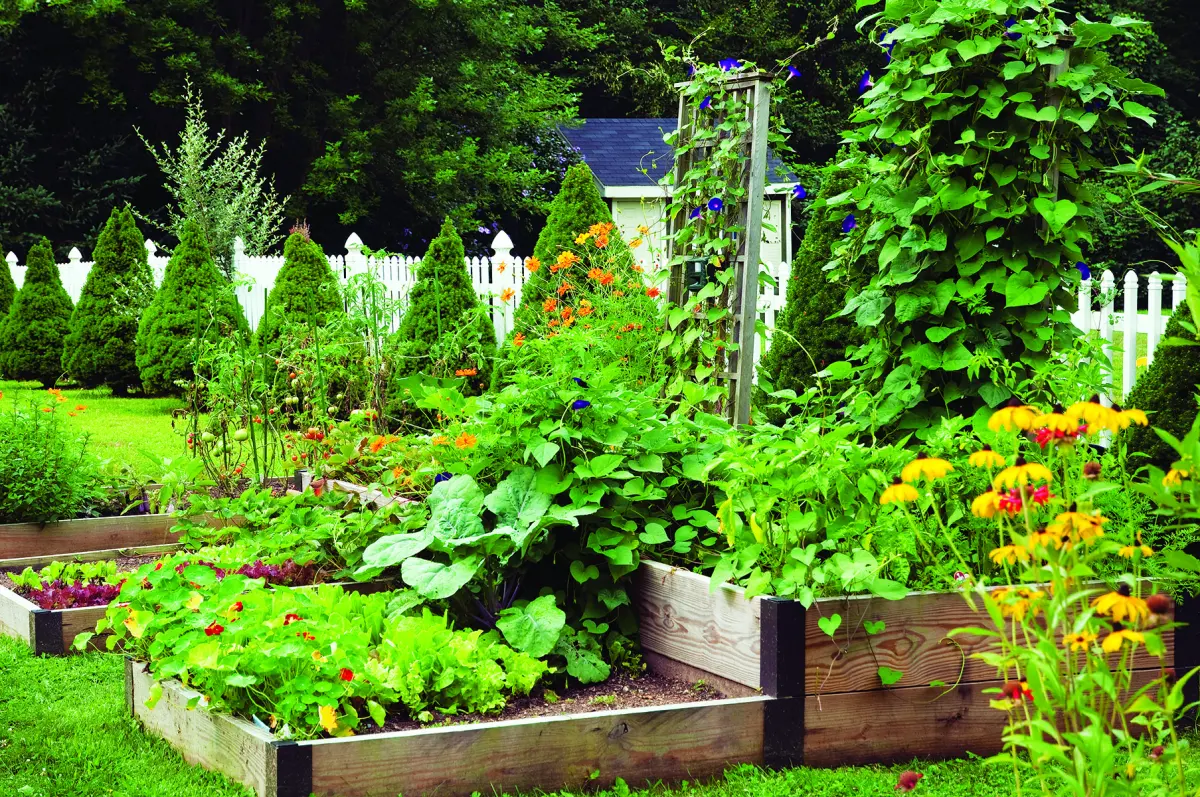
Companion planting is the strategic placement of different crops near each other to enhance growth, improve flavor, or provide natural pest control. By leveraging biological interactions, gardeners create mutually beneficial ecosystems. This practice reduces the need for synthetic chemicals, maximizes limited garden space, and fosters biodiversity within the soil and surrounding environment.
On this page
How does companion planting work?
Companion planting relies on physical, chemical, and biological interactions between plant species. Some plants act as "trap crops," drawing pests away from more vulnerable vegetables, while others serve as "repellents" by masking the scent of desired crops with strong aromatic oils. Legumes, such as peas and beans, perform a vital chemical service by fixing nitrogen in the soil, which neighboring heavy feeders like corn or leafy greens can then utilize for robust growth.
Beyond chemical exchanges, physical architecture plays a significant role in garden success. Taller plants, such as sunflowers or corn, provide essential shade for delicate, heat-sensitive crops like lettuce or spinach during the peak of summer. Meanwhile, ground-covering plants like nasturtiums or squash suppress weed growth by shading the soil surface, effectively acting as a living mulch. This symbiotic arrangement ensures that every layer of the garden serves a distinct, functional purpose.
Best companion plants for beginners
For those new to the practice, starting with well-documented pairings ensures a higher rate of success. Many of these combinations have been used for centuries, most notably in the "Three Sisters" method developed by Indigenous peoples in North America. This technique combines corn, beans, and squash to create a self-sustaining micro-ecosystem that benefits all three participants.
- Corn provides a sturdy stalk for climbing beans to scale.
- Beans pull nitrogen from the air and deposit it into the soil.
- Squash vines spread across the ground to prevent weeds and retain moisture.
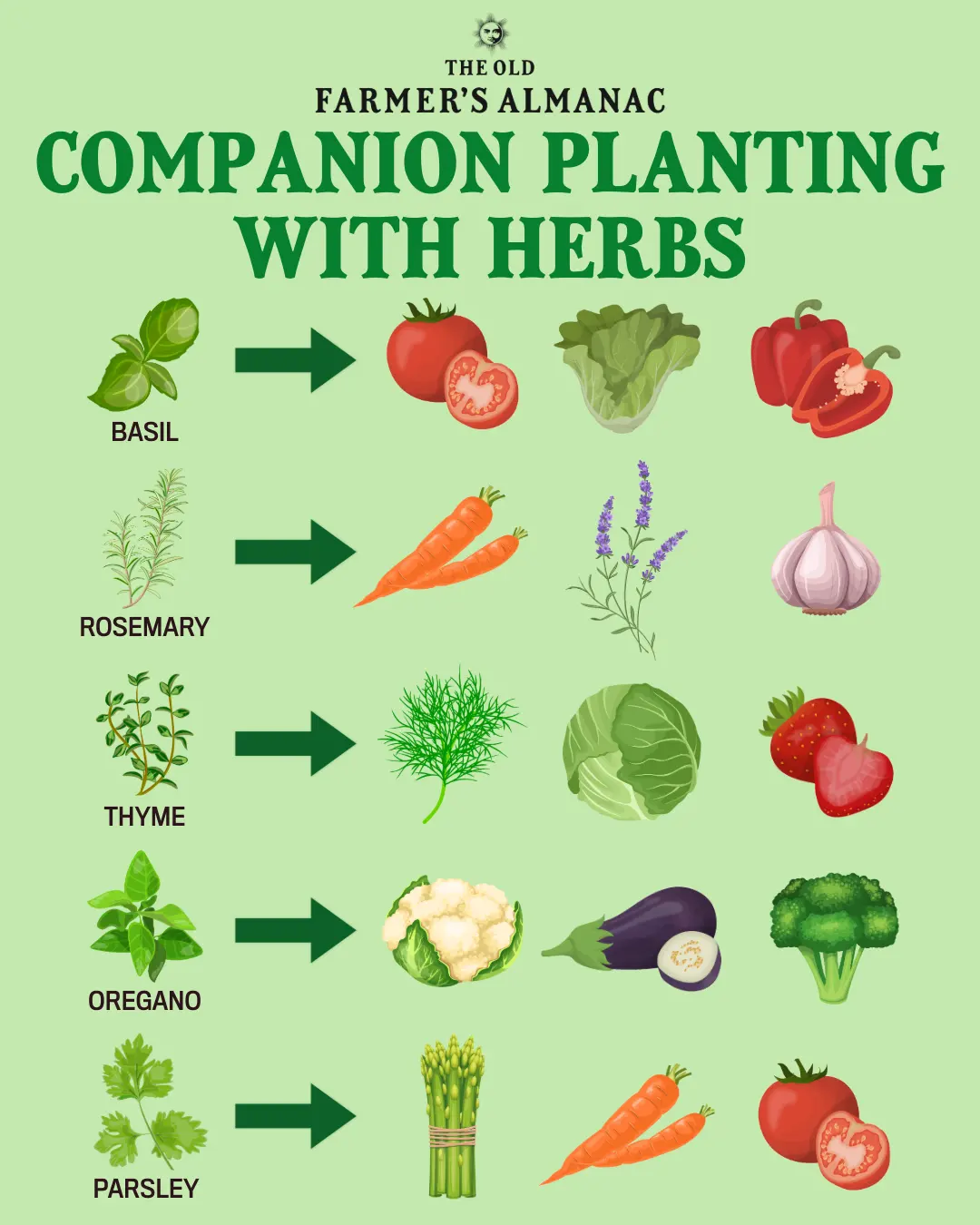
Other reliable pairings include planting marigolds near tomatoes to deter nematodes and aphids, or pairing basil with peppers to improve the flavor of the fruit. Planting aromatic herbs like dill or cilantro near brassicas, such as cabbage or broccoli, can also attract beneficial predatory insects like ladybugs and lacewings that consume common garden pests.
Why companion planting improves garden health
The primary benefit of this method is the natural reduction of pest populations without the use of toxic pesticides. By creating a diverse environment, gardeners interrupt the life cycles of harmful insects, making it more difficult for them to locate their preferred hosts. This biodiversity also encourages the presence of pollinators, which are essential for the production of fruits and vegetables that require fertilization.
Furthermore, companion planting contributes to long-term soil health. Different plants have varying root structures; some are deep-rooted, while others remain near the surface. By interplanting these varieties, the soil structure is improved through increased aeration and nutrient distribution. This variety prevents the depletion of specific minerals, as different plants draw upon different resources, leading to a more resilient garden that can better withstand environmental stressors like drought or heavy rainfall.
Common mistakes when planning a garden
A frequent error is placing "antagonistic" plants together, which can stunt growth or lead to plant death. For instance, onions and garlic should never be planted near beans or peas, as they can inhibit the growth of the legumes. Similarly, planting fennel near most other vegetables is discouraged because it secretes allelopathic substances that can negatively affect the health of neighbors.
Another common pitfall is failing to account for the mature size of plants. Even if two species are compatible, planting them too closely can lead to competition for light, water, and airflow. Poor airflow is a significant issue in dense plantings, as it creates a humid environment that promotes the growth of fungal diseases like powdery mildew. Always research the mature dimensions of your chosen varieties before planting to ensure they have adequate space to thrive without crowding their neighbors.
How to start your own companion garden
- Map your garden bed, noting the sunlight exposure and soil quality in different areas.
- Select a primary crop you wish to grow, such as tomatoes or peppers.
- Research compatible companions that offer benefits like pest deterrence or shade.
- Arrange your plants according to their mature size, ensuring taller plants are positioned on the north side of the bed to avoid shading smaller plants.
- Monitor the growth of your plants throughout the season, noting any pest activity or signs of stress.
- Adjust your planting strategy for the following season based on your observations of which pairings performed best in your specific climate.
As you gain experience, you can experiment with more complex polycultures. Keep a garden journal to track your successes and failures, as microclimates vary significantly from one backyard to another. By observing how different species interact, you will gradually develop a deeper understanding of the natural rhythms of your garden and learn how to foster a truly productive, self-regulating landscape that requires minimal intervention.
Key facts
- Companion planting is the practice of growing different crops in proximity to enhance growth, improve flavor, or provide natural pest control.
- Marigolds are frequently planted near tomatoes because their roots produce chemicals that deter harmful soil nematodes.
- The "Three Sisters" method, practiced by Indigenous peoples in North America, uses corn as a trellis, beans to fix nitrogen, and squash to shade the soil.
- Tall plants like sunflowers can provide necessary shade for delicate, heat-sensitive crops like lettuce during the peak of summer.
- Planting aromatic herbs like basil or cilantro near brassicas can mask the scent of the vegetables, confusing pests like cabbage loopers.
- Avoid planting onions or garlic near beans or peas, as these alliums can inhibit the growth of legumes by suppressing necessary soil bacteria.
The bottom line
Companion planting is a strategic gardening technique that leverages the natural relationships between different plant species to create a more resilient and productive landscape. By carefully selecting neighbors that provide structural support, pest deterrence, or soil enrichment, you can reduce your reliance on synthetic chemicals. Successful implementation requires thoughtful planning, proper spacing, and a basic understanding of how specific plant families interact within the garden ecosystem.
People also ask
Does companion planting actually increase vegetable yields?
Yes, it can increase yields by optimizing space, improving soil health through nitrogen fixation, and reducing crop loss from insect damage. By creating a diverse ecosystem, plants support one another rather than competing for identical resources.
Can I plant any two vegetables together?
No, some plants are incompatible due to shared diseases, similar nutrient requirements, or chemical secretions. For example, potatoes and tomatoes are susceptible to the same blight and should be kept apart to prevent rapid spread.
How do I design a companion planting layout?
Start by grouping plants with similar water and light needs, then intersperse them with aromatic herbs or flowers to confuse pests. Use taller plants on the north side of the bed to ensure they do not shade out shorter, sun-loving vegetables.
What are the most common mistakes beginners make?
A frequent error is overcrowding the garden, which limits airflow and increases the risk of fungal diseases. Another mistake is failing to rotate crops, which allows soil-borne pests to build up regardless of the companion plants present.
Do I need to use chemical fertilizers if I use companion planting?
While companion planting improves soil vitality, it does not replace the need for basic soil management. Using nitrogen-fixing legumes helps, but you may still need to add compost or organic matter to maintain high nutrient levels for heavy feeders.
Can flowers be considered companion plants?
Absolutely, flowers are essential for attracting beneficial insects like ladybugs, hoverflies, and lacewings. These predatory insects feed on common garden pests like aphids, providing a natural form of biological pest control.
This answer was created with the help of AI research tools and reference sources. Spotted an error? Let us know — we correct mistakes quickly. See our editorial policy.