How do you draw a lotus pond for beginners?
Short answer
Drawing a lotus pond requires layering organic shapes to create depth. Start by sketching the broad, circular lily pads on the water’s surface, then add the pointed, multi-layered petals of the lotus flowers. Use soft, flowing lines for the water and balance your composition by varying the sizes of your elements.
On this page
How to structure a lotus pond composition
A successful lotus pond drawing relies on the principle of overlapping. Begin by establishing a horizon line if you want to show the pond from a distance, or focus on a top-down view to emphasize the floating leaves. Sketch large, slightly irregular circles for the lily pads, ensuring they vary in size and overlap one another to create a sense of depth.
Place your lotus flowers as focal points among the pads. A lotus bud should be drawn as an elongated teardrop shape, while a fully bloomed flower requires a central core surrounded by several layers of curved, pointed petals. Keep your initial lines light so you can easily erase or adjust them as you refine the shapes.
- Sketch the water surface using horizontal, wavy lines to suggest ripples.
- Draw lily pads in the foreground larger than those in the background.
- Position flowers at different stages of growth to add visual interest.
- Add small details like dragonflies or frogs to bring the scene to life.
Best drawing tools for beginners
For those starting out, graphite pencils are the most forgiving medium. A standard HB pencil is ideal for initial sketching, while a 2B or 4B pencil allows you to add darker values and shadows later. Using a high-quality eraser is essential, as you will likely need to adjust the placement of your lily pads and petals as the drawing progresses.
If you prefer working with ink, use a fine-liner pen with a consistent tip size. Ink requires more confidence, so it is best to complete a light pencil sketch first before committing to permanent lines. For coloring, watercolor pencils or markers work exceptionally well for capturing the soft, translucent quality of lotus petals and the deep, reflective tones of pond water.
- Graphite pencils (HB, 2B, 4B) for sketching and shading.
- Kneaded erasers for lifting graphite without damaging the paper.
- Fine-liner pens for adding crisp details and outlines.
- Blending stumps to smooth out transitions between light and shadow.
How to draw realistic lotus flowers
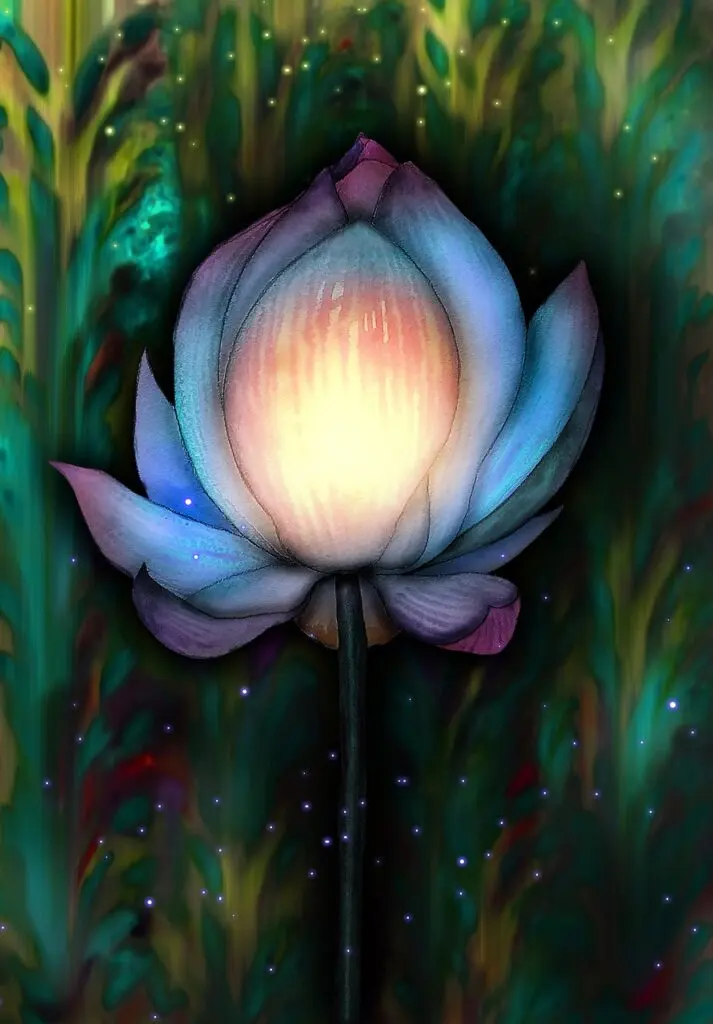
The key to a realistic lotus is the arrangement of its petals. Start with a small, rounded base and draw petals that curve outward, becoming wider and more open as they move away from the center. The inner petals should be tighter and more upright, while the outer petals should drape gracefully toward the water.
Pay attention to the way light hits the flower. Keep the inner petals brighter to suggest they are catching the sun, and add subtle shading at the base of each petal where it meets the flower's core. This technique creates a three-dimensional effect that makes the flower appear to pop off the page.
- Draw the central seed pod as a small, flat-topped cone.
- Surround the pod with tightly packed, upright inner petals.
- Add wider, sweeping outer petals to define the flower's silhouette.
- Use soft, curved strokes to give the petals a delicate, organic feel.
Why perspective matters in pond drawings
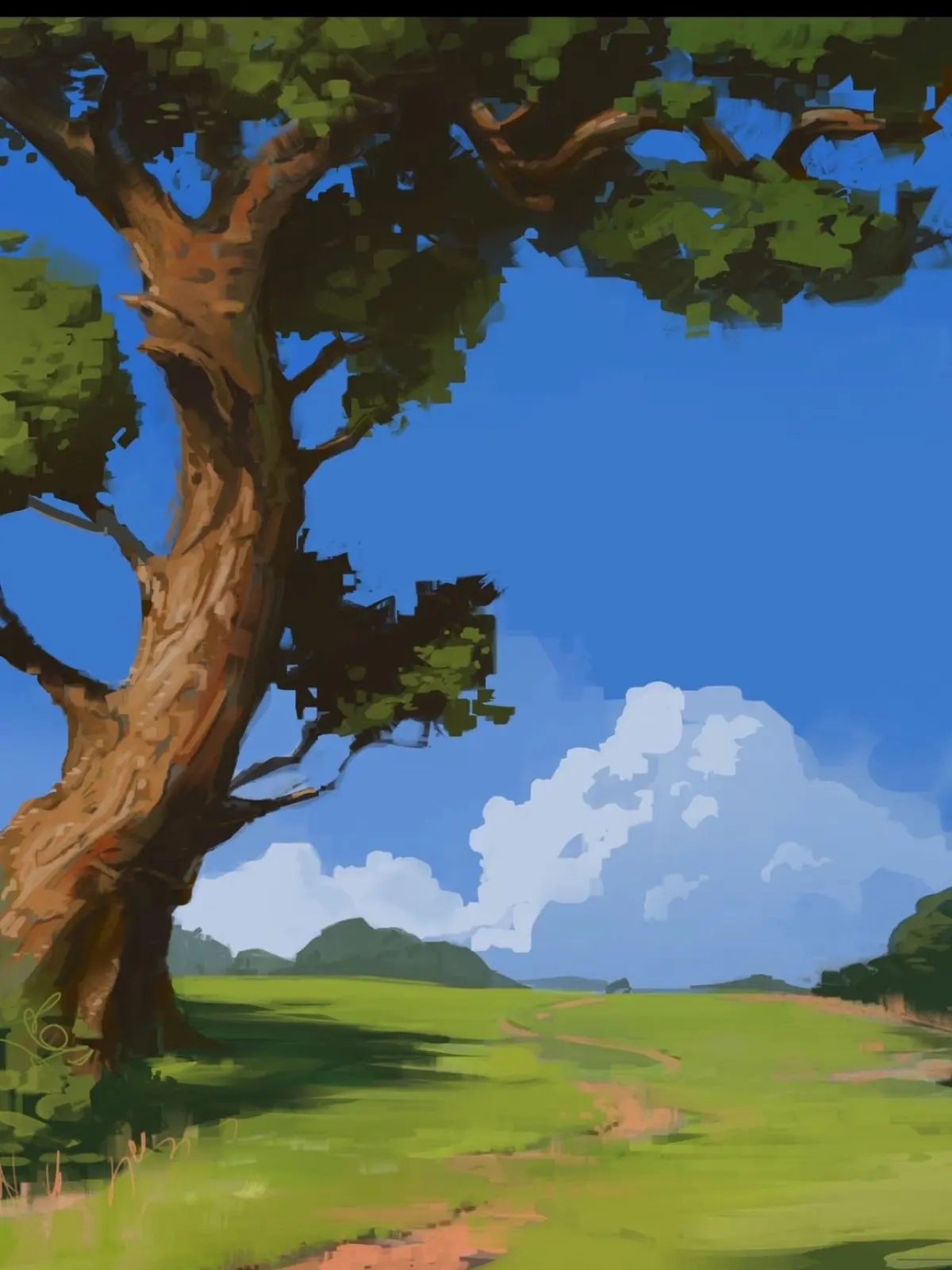
Perspective prevents your pond from looking flat or static. If you are drawing from a low angle, the lily pads should appear as flattened ovals rather than perfect circles. The pads closer to the bottom of the page should be drawn larger and with more detail, while those near the top should be smaller and more compressed.
You can also use atmospheric perspective to push objects into the distance. By keeping the background elements lighter and less defined, you naturally draw the viewer's eye to the foreground flowers. This contrast between sharp, detailed foreground objects and softer background elements is a standard technique used to create the illusion of a vast, natural space.
- Determine your viewpoint before starting the sketch.
- Use ellipses for lily pads to simulate a tilted perspective.
- Keep background details minimal to enhance the sense of distance.
- Vary the spacing between pads to avoid a rigid, grid-like appearance.
Common mistakes when drawing lotus ponds
One frequent error is making all the lily pads the same size and spacing them too evenly. Nature is rarely symmetrical, so embrace irregularity by grouping some pads together and leaving open patches of water between them. Another common issue is neglecting the water's surface; a pond is not just a collection of objects, but a reflective plane.
Avoid using harsh, dark outlines for everything, as this can make your drawing look like a cartoon. Instead, use soft shading to define the edges of the pads and the ripples in the water. Finally, remember to leave some white space on the lotus petals to represent highlights, as this adds a sense of freshness and vitality to your final artwork.
Key facts
- Use a light pencil to sketch the water surface as a horizontal line or a gentle curve across the middle of your page.
- Draw lotus leaves as large, slightly irregular circles or ovals, ensuring some overlap to create a sense of depth.
- Create lotus flowers using a series of overlapping, teardrop-shaped petals radiating from a central, rounded seed pod.
- Apply lighter colors toward the edges of petals and darker shades toward the base to give the flowers a three-dimensional appearance.
- Incorporate ripples in the water by drawing thin, wavy horizontal lines around the base of the leaves and flowers.
- Avoid drawing every leaf identical in size; varying the scale of elements helps the pond look natural rather than mechanical.
The bottom line
Drawing a lotus pond is an exercise in layering and observation. By starting with simple geometric shapes for leaves and petals, you can build complexity through color and texture. Focus on varying the sizes of your elements and using light to create depth. With patience and attention to the interplay between water and flora, you can create a serene, professional-looking landscape that captures nature's beauty.
People also ask
What is the best medium for beginners to draw a lotus pond?
Colored pencils or soft pastels are ideal for beginners because they allow for easy blending and layering. These mediums are forgiving, making it simple to correct mistakes or adjust the intensity of colors as you work.
How do I make the water look realistic?
To create a realistic water effect, use different shades of blue and green to represent reflections and depth. Adding small, white highlights where the light hits the water's surface helps simulate the look of liquid.
Should I outline my drawings with a black pen?
While outlining can define shapes, it often makes a drawing look like a cartoon. Instead, use a darker shade of your primary color to define edges, which keeps the image looking soft and organic.
How do I create the illusion of distance?
Objects that are further away should be drawn smaller and with less detail. Use cooler, paler colors for background elements to push them back, while keeping foreground items bright and highly detailed.
How many lotus flowers should I include?
It is generally more visually appealing to include an odd number of flowers, such as three or five. This creates a more natural, asymmetrical composition that feels balanced to the human eye.
How can I fix a mistake if I used a dark color?
If you are using colored pencils, use a kneaded eraser to lift pigment gently from the paper. If the color is too dark, you can often layer a lighter, opaque color like white or cream over the top to soften the area.
This answer was created with the help of AI research tools and reference sources. Spotted an error? Let us know — we correct mistakes quickly. See our editorial policy.