How do you draw a bamboo plant?
Short answer
Drawing bamboo requires capturing its segmented structure and rhythmic growth. Focus on creating vertical, slightly tapered stalks with distinct nodes, followed by thin, lance-shaped leaves attached in clusters. By layering ink or pencil strokes to suggest depth and varying the thickness of the stalks, you can achieve a realistic, balanced composition.
On this page
How to structure bamboo stalks
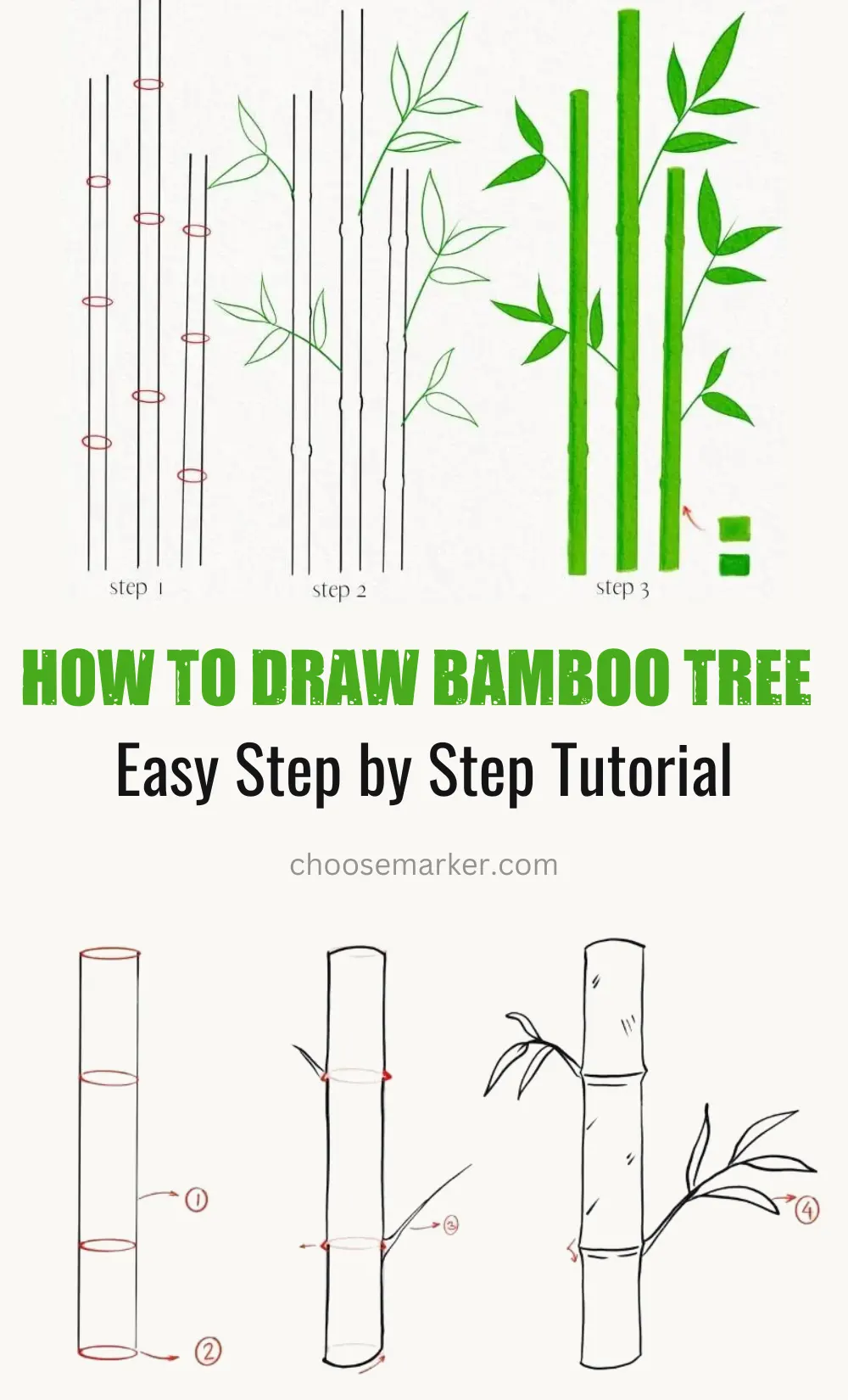
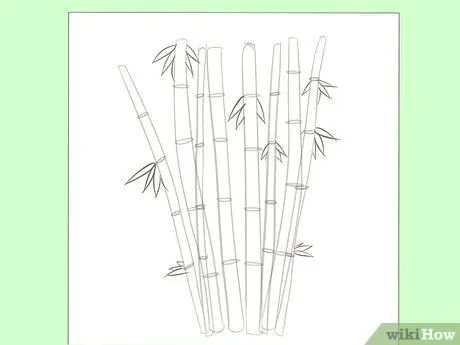
The foundation of a bamboo drawing lies in the verticality of the culms, or main stalks. Bamboo is characterized by its segmented appearance, created by nodes that occur at regular intervals. To begin, draw two parallel vertical lines that taper slightly as they move toward the top of the page. These lines do not need to be perfectly straight; slight curves can suggest the natural, organic growth of the plant.
Once the primary lines are established, add horizontal bands to represent the nodes. These segments should be spaced further apart at the base and become progressively closer toward the tip of the stalk. You can indicate these nodes with a slight thickening of the stalk or a simple horizontal line that wraps around the diameter. This rhythmic spacing is the most important visual cue for identifying bamboo versus other types of vegetation.
- Sketch the central vertical axis to establish the height.
- Draw the parallel lines for the stalk, keeping them closer together at the top.
- Add horizontal rings at regular intervals to define the nodes.
- Vary the width of the stalk slightly to mimic natural growth patterns.
Best drawing techniques for beginners
For those new to botanical illustration, starting with a graphite pencil allows for easy corrections and layering. Focus on the "one-stroke" method often used in traditional East Asian ink wash painting. This technique emphasizes speed and confidence, where the brush or pencil moves in a single, fluid motion to create a leaf or a segment of the stalk. By practicing these quick, decisive strokes, you can avoid the "hairy" lines that often occur when an artist hesitates or draws too slowly.
When shading, keep the light source consistent to give the stalks a cylindrical appearance. Since bamboo is naturally smooth, use soft, long vertical strokes to create highlights on one side of the stalk while keeping the opposite side in shadow. This contrast is what transforms a flat, two-dimensional drawing into a three-dimensional object. Remember that bamboo is rarely perfectly symmetrical, so adding slight bends or leaning angles will make the plant appear more lifelike and grounded in its environment.
How to draw bamboo leaves
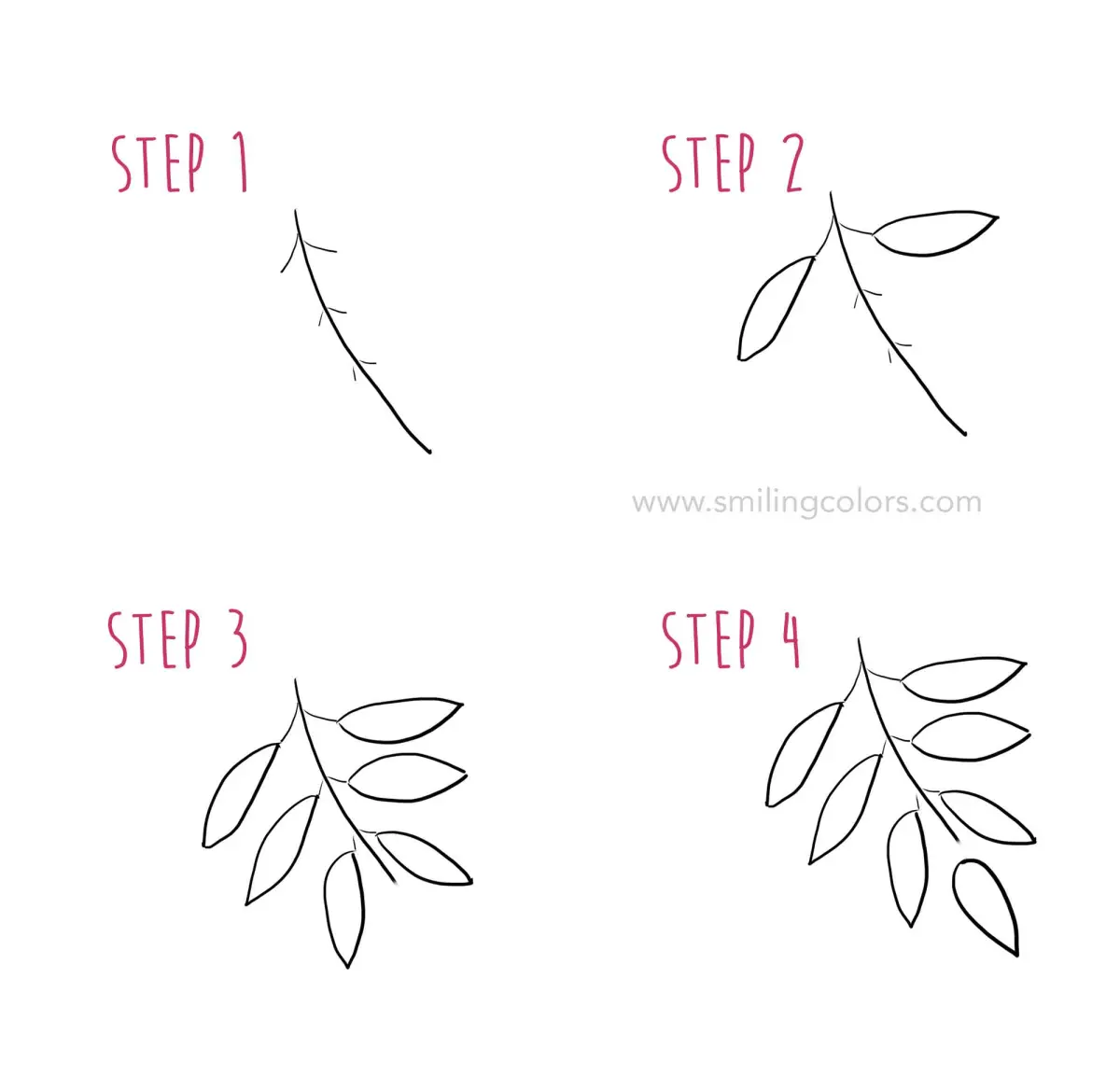
Bamboo leaves are distinct due to their long, lanceolate shape and their tendency to grow in fan-like clusters. To draw them, start at the node where the leaf sheath attaches to the stalk. Use a sharp, pointed stroke that curves outward and tapers to a fine tip. Avoid drawing every single leaf; instead, focus on grouping them into clusters of three or five to create a sense of density and movement.
The angle of the leaves is crucial for a realistic look. Leaves near the top are typically more upright, while those lower on the stalk tend to droop due to gravity. By varying the length and the tilt of these clusters, you create a sense of depth that suggests the plant is interacting with the air around it. Keep your lines clean and avoid over-detailing the veins unless you are working on a large-scale, highly detailed botanical study.
- Start the leaf stroke at the node, pressing harder at the base.
- Flick the pencil or brush outward to create a sharp, tapered tip.
- Group leaves in clusters of 3, 5, or 7 to create visual balance.
- Use overlapping leaves to suggest the thickness of the foliage.
Common mistakes when drawing bamboo
A frequent error is drawing the stalks as perfectly uniform cylinders. Real bamboo is irregular, featuring slight bumps, scars, or varying diameters that reflect its growth history. If your drawing looks too mechanical or rigid, introduce subtle curves or slight deviations in the thickness of the stalks. Another common mistake is failing to connect the leaves properly to the nodes. Leaves should emerge from the sheath at the node, not randomly from the middle of a segment.
Additionally, beginners often neglect the negative space between the stalks. Bamboo grows in clumps, and the way the stalks overlap and crisscross is essential to the composition. If you draw too many stalks, the image becomes cluttered and loses its focus. Keep your composition airy by leaving gaps, which allows the viewer's eye to travel through the drawing and appreciate the individual forms of the stalks and leaves.
How to add texture and detail
Once the basic structure is complete, you can add texture to enhance the realism of the plant. Bamboo stalks often have a waxy, smooth surface that reflects light. Use a kneaded eraser to lift small, thin vertical highlights along the length of each segment. This simple action adds a glossy quality to the wood. You can also add small, dark dots or horizontal marks near the nodes to represent the remnants of the leaf sheaths that once protected the growing stalk.
For the leaves, consider using varying line weights to indicate proximity. Leaves that are closer to the viewer should have darker, bolder outlines, while those in the background should be lighter and less defined. This atmospheric perspective helps push the background leaves back, creating a sense of space within the drawing. By combining these textural details with the structural foundation established earlier, you can create a sophisticated and accurate representation of a bamboo plant that feels both natural and professionally rendered.
Key facts
- Bamboo stalks are divided into segments called nodes, which appear as horizontal rings spaced at regular intervals.
- Use a dry brush technique to capture the texture of bamboo, applying less ink to the bristles for a rough, organic look.
- Always draw the main stalk first using long, vertical strokes, then add branches and leaves as secondary elements.
- Leaves should be drawn with a "flicking" motion, starting from the base and tapering to a sharp point at the tip.
- Vary the thickness of your lines to show perspective, making foreground stalks darker and thicker than background ones.
- Practice drawing the "seven-character" leaf cluster, a traditional technique where leaves are arranged in a fan-like formation.
The bottom line
Drawing bamboo is an exercise in balancing structure with fluid motion. By mastering the spacing of nodes and the rhythmic flicking motion required for leaves, you can capture the elegance of this iconic plant. Focus on varying line weight and segment lengths to avoid a stiff look. With consistent practice, you will develop the confidence to render bamboo with the grace and simplicity it deserves.
People also ask
What is the best medium for drawing bamboo?
Ink and brush are the traditional choices because they allow for fluid, expressive lines that mimic the plant's natural growth. Graphite pencils or fine-liner pens are also effective for beginners who want more control over detail and shading.
How do I make bamboo look realistic?
Focus on the nodes, which are the thickened joints where branches emerge. By alternating the length of the segments and slightly curving the stalk, you create a sense of organic movement rather than a rigid, mechanical appearance.
Should I draw the leaves before the branches?
No, the branches provide the necessary structure for the leaves. Draw the main stalk, then the smaller branches, and finally attach the leaves to these branches to ensure the anatomy of the plant remains logical.
How do I show the texture of the bamboo skin?
Use light, horizontal hatching near the nodes to suggest the woody texture. Avoid over-detailing the entire surface, as bamboo is naturally smooth, and too many marks will make it look like rough bark.
What are the most common mistakes when drawing bamboo?
Beginners often draw segments that are all identical in length and perfectly straight. Real bamboo is irregular, so varying the spacing between nodes and adding a slight lean to the stalk will make your drawing look authentic.
How do I draw bamboo leaves that look sharp?
Press the brush or pen firmly at the start of the leaf stroke and lift it quickly as you pull away. This creates a natural taper that mimics the pointed, blade-like shape of real bamboo foliage.
This answer was created with the help of AI research tools and reference sources. Spotted an error? Let us know — we correct mistakes quickly. See our editorial policy.