How do you draw a dandelion?
Short answer
Drawing a dandelion requires capturing its distinct spherical structure and jagged leaves. Begin by sketching a light circle for the flower head, then add radiating lines for the seeds. Use a fine-tipped pen or sharp pencil to define the feathery pappus, ensuring you vary the length and density for realism.
On this page
How to sketch the basic dandelion structure
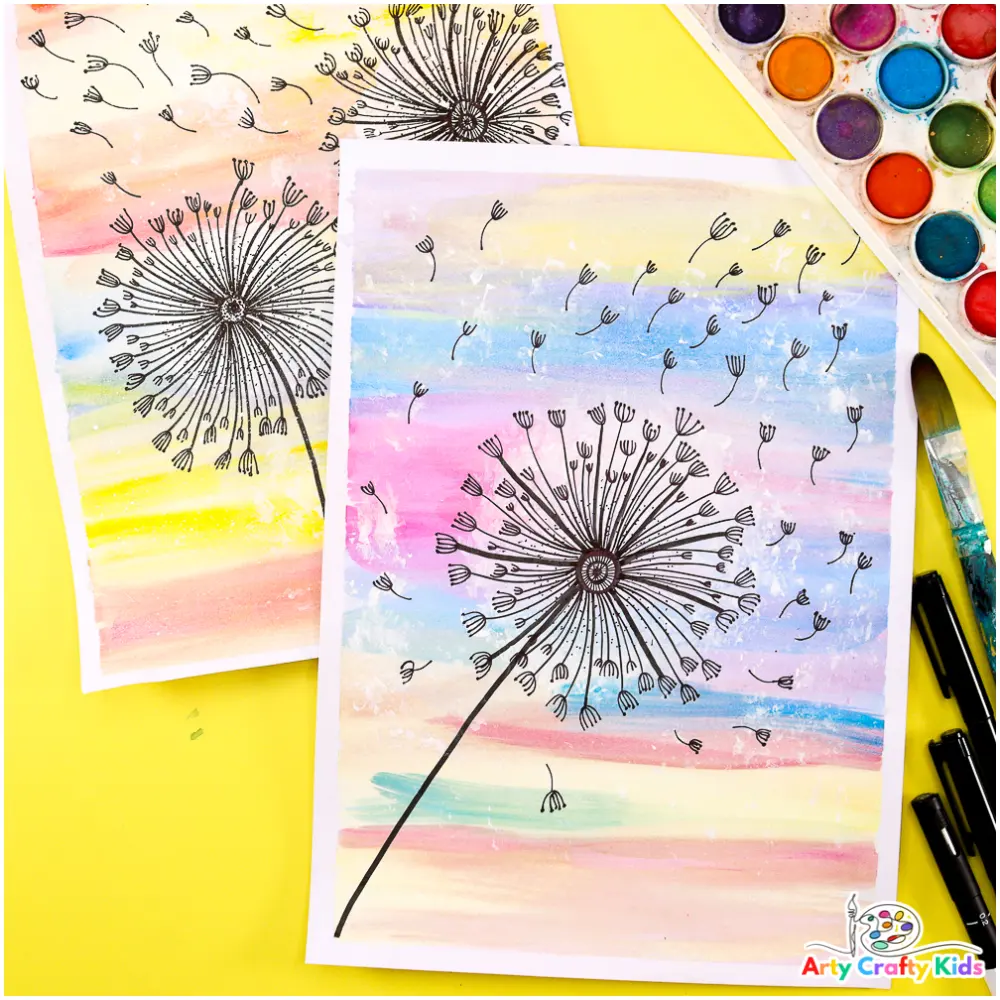
Drawing a dandelion begins with observing its geometric core. Whether you are depicting a yellow bloom or a mature seed head, start by sketching a light circle on your paper. This acts as a guide for the overall volume of the plant. For a seed head, imagine the center as a small, dense sphere from which all individual seeds originate. Keep your pencil strokes very faint during this initial stage so you can easily erase them later.
Once the circle is established, draw a thin, slightly curved line extending downward to represent the stem. Dandelion stems are hollow and smooth, so avoid adding texture like thorns or hairs. If you want to include leaves, sketch them near the base of the stem. Dandelion leaves are famously "dent-de-lion" or "lion’s tooth," characterized by deep, triangular lobes that point backward toward the base. Keep these shapes loose and irregular to reflect the organic nature of the plant.
Best drawing techniques for beginners
For those new to botanical illustration, focusing on the pappus—the feathery tuft of the dandelion seed—is the most effective way to achieve a professional look. Instead of drawing every single seed, suggest the texture by using quick, light strokes that radiate outward from the center. Focus on creating a sense of airiness and movement. If you try to draw every individual fiber, the drawing will look stiff and heavy rather than delicate.
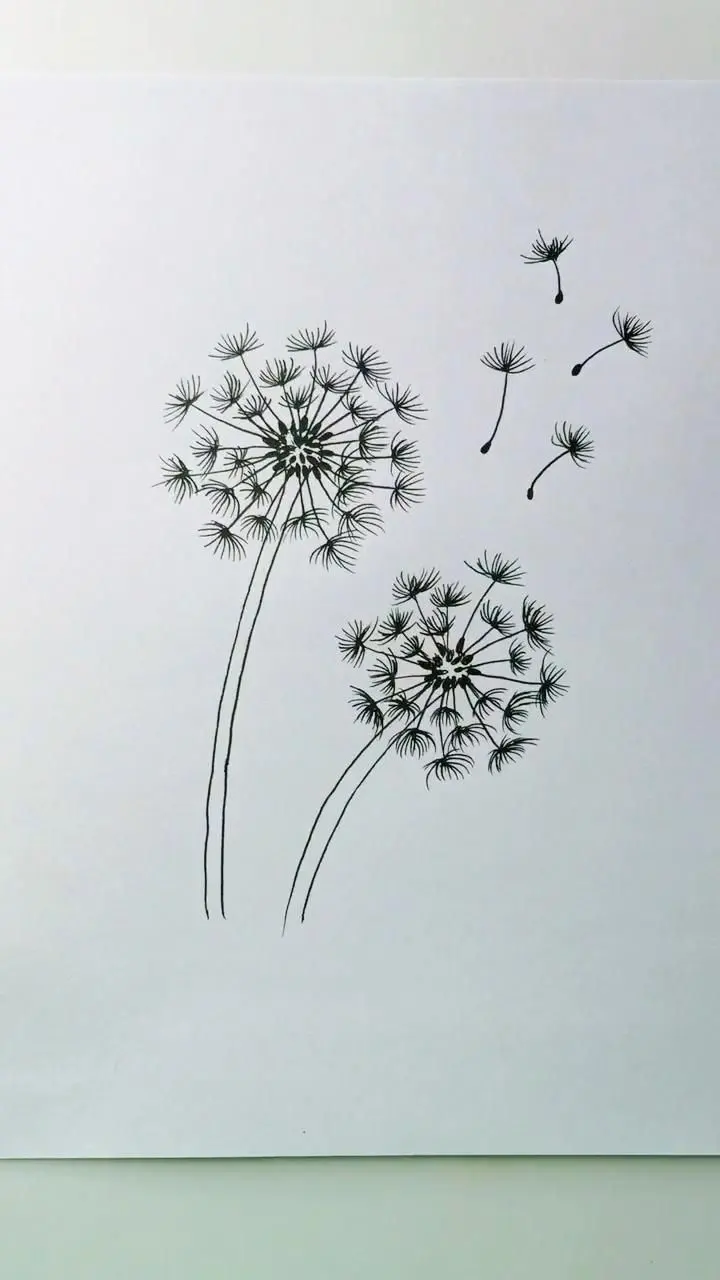
Follow these steps to build the seed head:
- Draw a small, dark circle at the center point where all seeds connect.
- Use short, radiating lines to create the initial structure of the seed head.
- Add tiny, star-shaped patterns at the end of some lines to represent the pappus.
- Vary the length of the lines to make the sphere look three-dimensional and natural.
Using a fine-liner or a sharp 2H pencil allows for the precision required to capture these tiny details without smudging the paper.
How to add realistic texture and shading
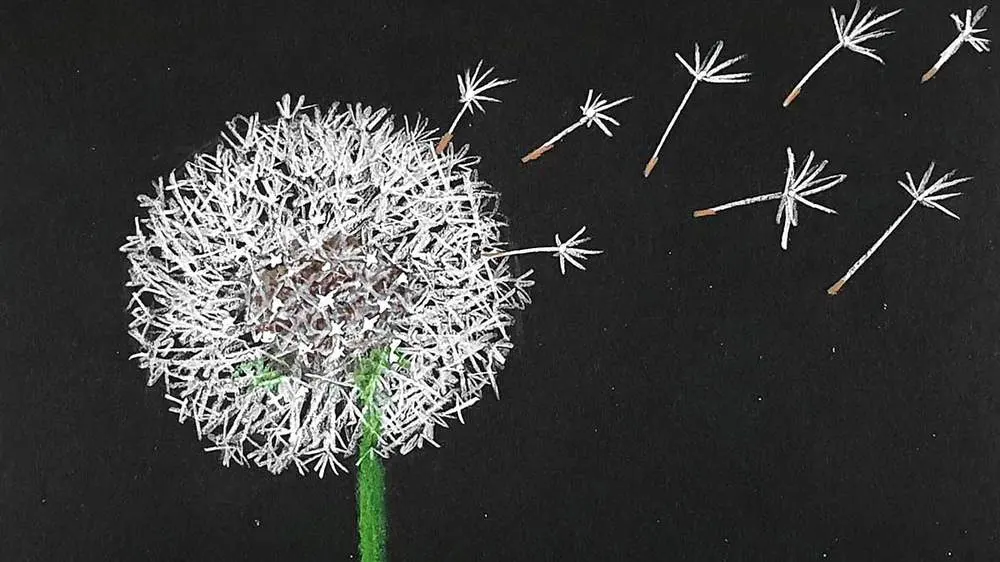
Texture is what separates a simple sketch from a realistic drawing. To make the dandelion look authentic, focus on the contrast between the light, fluffy seeds and the darker, solid stem. Use cross-hatching or stippling near the base of the seed head to create depth. This shadow suggests that the seeds are dense at the point of attachment and become lighter as they extend outward.
When shading the leaves, use the side of your pencil to create broad, soft tones. Dandelion leaves are generally matte and slightly waxy, so avoid overly shiny highlights. Instead, emphasize the veins by leaving thin, white lines running through the center of each leaf lobe. Always ensure your light source is consistent; if the light comes from the top right, keep the left side of the stem and the bottom of the leaves slightly darker to ground the plant in space.
Common mistakes when drawing dandelions
One of the most frequent errors artists make is drawing the dandelion as a perfect, symmetrical circle. In nature, dandelions are rarely uniform; some seeds may have blown away, leaving gaps in the sphere. Embrace these imperfections by leaving small sections of the circle incomplete. Another common mistake is making the stem too thick. Dandelion stems are relatively slender and should be drawn with a consistent, light pressure to maintain a graceful appearance.
Avoid these pitfalls to improve your work:
- Over-detailing the center, which makes it look like a solid ball rather than a cluster of seeds.
- Drawing the leaves too symmetrically, which removes the plant's natural, wild character.
- Pressing too hard with your pencil, making it impossible to add subtle, feathery highlights.
- Forgetting to include the small "bracts" or green leaf-like structures at the base of the flower head.
By keeping your lines light and varied, you will avoid the "cartoonish" look that often results from heavy, uniform outlines.
Why dandelion anatomy matters for artists
Understanding the botany of the dandelion helps you make informed choices about your composition. The plant undergoes a dramatic transformation from a bright yellow flower to a white, spherical seed head. If you are drawing the flower stage, remember that the head is actually a collection of many tiny florets, not a single petal-based bloom. This density creates a unique texture that looks like a sunburst. When drawing the seed stage, remember that each seed is attached to a stalk, which is attached to the central receptacle.
By studying how the plant grows, you can better represent its life cycle in your art. Whether you choose to draw a single dandelion or a cluster, consider how the wind might affect the arrangement of the seeds. Adding a few "floating" seeds nearby can create a sense of narrative and atmosphere. Practice drawing these elements in isolation before combining them into a full scene, as this builds the muscle memory needed to capture the delicate, fleeting nature of this common wildflower.
Key facts
- Start by drawing a light circle to define the overall sphere of the dandelion head.
- Use thin, radiating lines from the center point to create the structure for the seeds.
- Add small, star-shaped "parachutes" at the end of each line to represent the pappus.
- Vary the length of the lines to give the drawing a natural, organic appearance.
- Use a jagged, serrated edge when drawing the leaves to capture their distinct shape.
- Keep your pencil strokes light initially, as dandelions are delicate and airy subjects.
The bottom line
Drawing a dandelion requires a focus on delicacy and radial symmetry. By establishing a central point and radiating fine, varied lines outward, you can effectively replicate the plant's signature spherical shape. Remember to keep your hand light and prioritize the airy, translucent quality of the seeds over rigid outlines. With practice, these simple techniques will help you capture the ephemeral beauty of this common wildflower.
People also ask
How do you make a dandelion look fluffy?
Focus on creating many fine, overlapping lines rather than solid shapes. Adding small dots or tiny clusters of strokes around the outer edges helps simulate the soft, feathery texture of the seeds.
Should I use ink or pencil for drawing dandelions?
Pencils are ideal for beginners because they allow for soft shading and easy corrections. Ink pens are better for experienced artists who want to create high-contrast, clean lines for a botanical illustration style.
What is the most common mistake when drawing the stem?
Many people draw the stem as a perfectly straight line, which looks unnatural. A dandelion stem is slightly curved and has a smooth, cylindrical texture that should be drawn with subtle, fluid movement.
How do you draw the transition from flower to seed head?
Draw a small, rounded base at the bottom of the sphere where the seeds attach. This anchor point provides a realistic foundation for the radiating pappus structures.
Can I use color when drawing a dandelion?
Yes, using shades of white, cream, and soft gray helps capture the ethereal quality of the seed head. If drawing the yellow flower, use bright yellows and subtle oranges to show depth in the petals.
Why do my dandelion drawings look too heavy?
You are likely pressing too hard with your pencil or using lines that are too thick. Use a harder lead pencil, such as an H or 2H, to keep your lines light and airy.
This answer was created with the help of AI research tools and reference sources. Spotted an error? Let us know — we correct mistakes quickly. See our editorial policy.