Why do zebras have stripes?
Short answer
Zebras have stripes primarily to deter biting flies, such as horseflies and tsetse flies, which carry debilitating diseases. The high-contrast patterns disrupt the visual systems of these insects, making it difficult for them to land accurately. Secondary benefits include thermoregulation and social signaling, though these remain less supported by experimental evidence.
On this page
Why do zebras have stripes to stop flies?
The most compelling scientific evidence suggests that zebra stripes function as a sophisticated biological insect repellent. Research led by biologists like Dr. Tim Caro has demonstrated that biting flies struggle to land on striped surfaces compared to solid-colored ones. The polarized light reflecting off the black-and-white patterns appears to confuse the flies' complex compound eyes as they approach for a landing.
When flies attempt to land on a zebra, they often fail to decelerate correctly, resulting in clumsy collisions rather than successful bites. This is a critical evolutionary advantage, as flies in the African savanna carry diseases like African horse sickness and equine influenza. By minimizing contact with these pests, zebras reduce the risk of infection and energy loss caused by constant irritation.
- Flies have difficulty gauging distance when approaching striped patterns.
- The stripes break up the zebra's silhouette, making them less attractive targets.
- Biting flies prefer landing on solid, dark surfaces over high-contrast, thin-striped ones.
How do stripes help with body temperature?
Some researchers hypothesize that stripes assist in thermoregulation, a process known as convective cooling. The theory posits that the black stripes absorb more heat than the white stripes, creating tiny temperature differentials across the skin. These differences may induce small-scale air currents, or micro-eddies, that help cool the zebra’s body during the intense heat of the African sun.
While this idea is intuitive, experimental data has been inconsistent. Some studies show that while black surfaces are indeed hotter, the zebra’s skin may not experience a significant enough temperature drop to justify the stripes solely for cooling. However, in the extreme heat of the savanna, even minor improvements in thermal management can provide a marginal survival benefit.
- Black stripes absorb solar radiation, heating the air directly above them.
- White stripes reflect light, remaining cooler than the surrounding black areas.
- The resulting air movement may help dissipate heat away from the skin surface.
Why do zebras use stripes for social signaling?
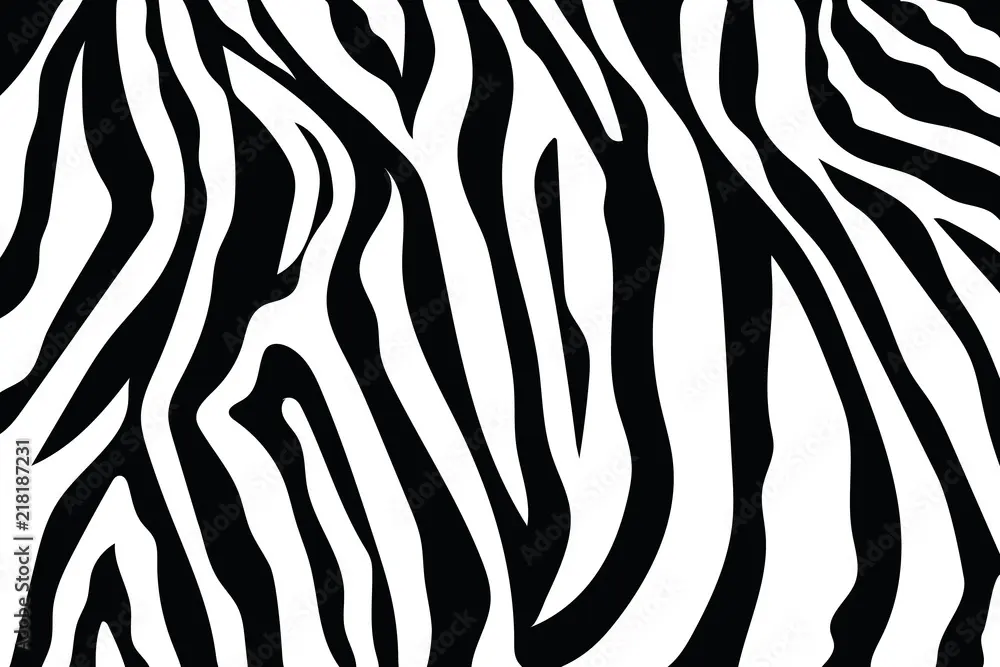
Beyond protection and temperature, stripes may play a role in the social dynamics of zebra herds. Because every zebra possesses a unique pattern, similar to a human fingerprint, these markings likely assist individuals in recognizing one another. This individual identification is vital for maintaining group cohesion, especially when a herd is moving quickly or fleeing from predators.
Furthermore, the "dazzle effect" may provide a defensive advantage when a group of zebras runs together. When a herd stampedes, the overlapping patterns of dozens of zebras can create a confusing visual mass. This makes it difficult for a predator, such as a lion or hyena, to isolate a single individual from the group, thereby increasing the chances of escape for the entire herd.
Common mistakes when studying zebra patterns
A frequent error in understanding zebra stripes is the assumption that they serve only one purpose. Evolution rarely relies on a single function for such a complex trait; it is more likely that stripes offer a combination of benefits. Dismissing the insect-repellent theory because it does not explain every aspect of zebra behavior ignores the multifaceted nature of natural selection.
Another mistake is believing that stripes provide effective camouflage against predators in all environments. While they may blend into the tall, shimmering grass of the savanna at dawn or dusk, they are highly visible in most other lighting conditions. Therefore, viewing stripes primarily as a tool for avoiding lions is likely an oversimplification, as the stripes often make the animals stand out rather than hide.
How to observe zebra behavior in the wild
If you are visiting a wildlife reserve to observe zebras, focus on their interactions with insects rather than their camouflage. Watch how the animals twitch their skin and flick their tails when flies are present. You will notice that even with their stripes, they are not immune to pests, but they are significantly more successful at deterring them than solid-colored horses or donkeys in the same area.
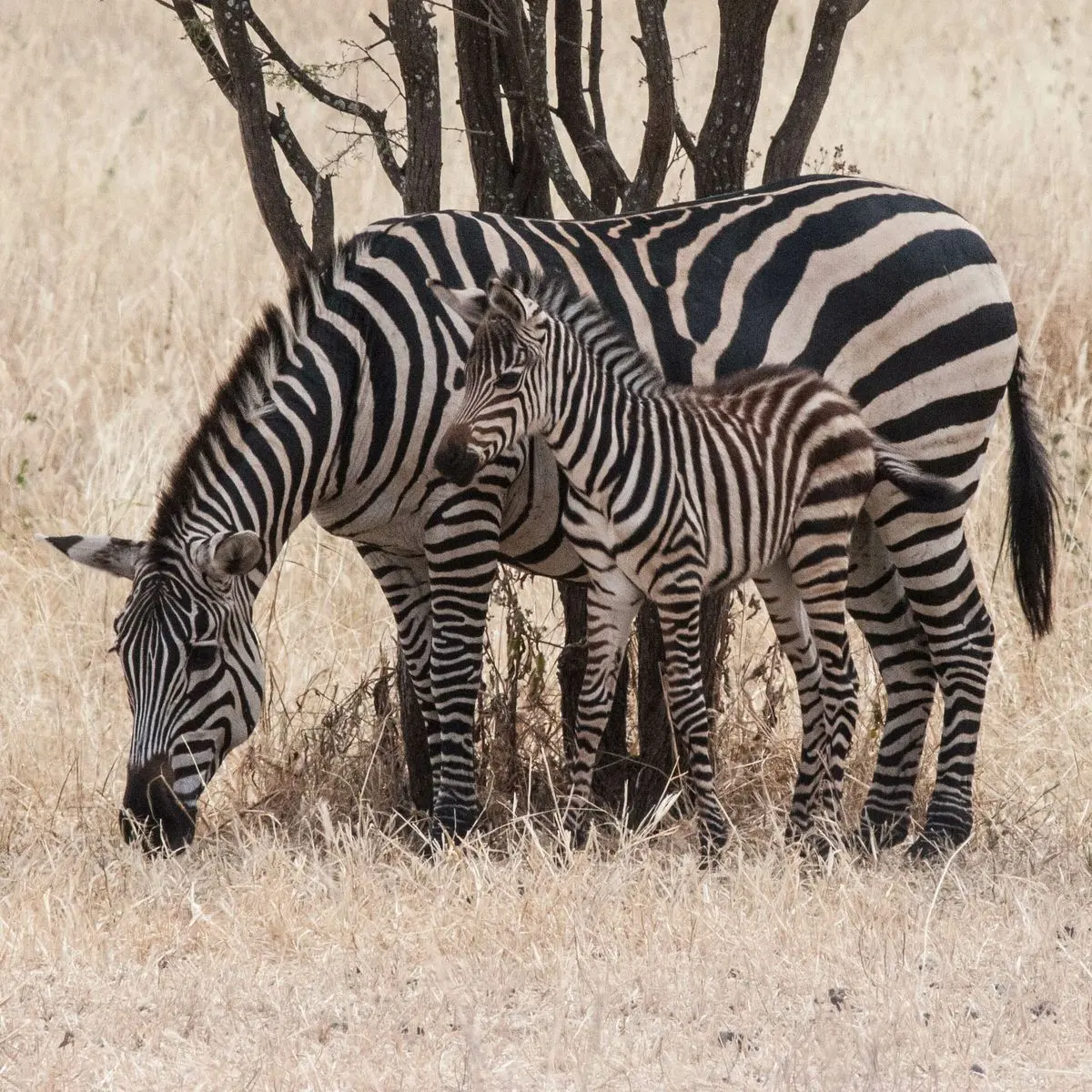
Avoid the temptation to assume that all stripes are identical. Take the time to notice the variation in stripe width and spacing between individuals, which confirms their role in individual recognition. By observing these animals during the hottest parts of the day, you can also see how they position themselves to maximize airflow and minimize exposure to the sun, providing a practical look at their remarkable evolutionary adaptations in action.
Key facts
- Research published in 2014 suggests that stripes primarily function to deter biting flies like horseflies and tsetse flies.
- The high-contrast patterns disrupt the visual systems of insects, making it difficult for them to land accurately on the zebra's skin.
- Stripes help with thermoregulation by creating small-scale air currents that cool the animal's skin as air moves over the black and white bands.
- No two zebras have the same stripe pattern, as each individual possesses a unique arrangement similar to a human fingerprint.
- Stripes may provide a "motion dazzle" effect, which confuses predators by making it harder to track the speed and direction of a single running zebra.
- Scientists have ruled out camouflage as the primary purpose, as zebras are highly visible to lions and hyenas in their natural savanna habitats.
The bottom line
While long-standing theories suggested that stripes provided camouflage or social signaling, modern scientific consensus points to insect deterrence as the primary evolutionary driver. By disrupting the landing approach of blood-sucking flies, these patterns offer a vital health advantage in disease-prone environments. Ultimately, the zebra’s iconic coat is a sophisticated biological tool that balances parasite protection with potential thermoregulatory benefits in the harsh African heat.
People also ask
Are zebras black with white stripes or white with black stripes?
Zebras are actually black with white stripes. Embryological evidence shows that their skin is black, and the white stripes are caused by the inhibition of melanin production in specific areas.
Do stripes help zebras hide from lions?
Stripes do not provide effective camouflage against large predators. Lions and hyenas rely heavily on scent and sound, and they can easily spot zebras despite the high-contrast patterns.
Do all zebra species have the same stripe patterns?
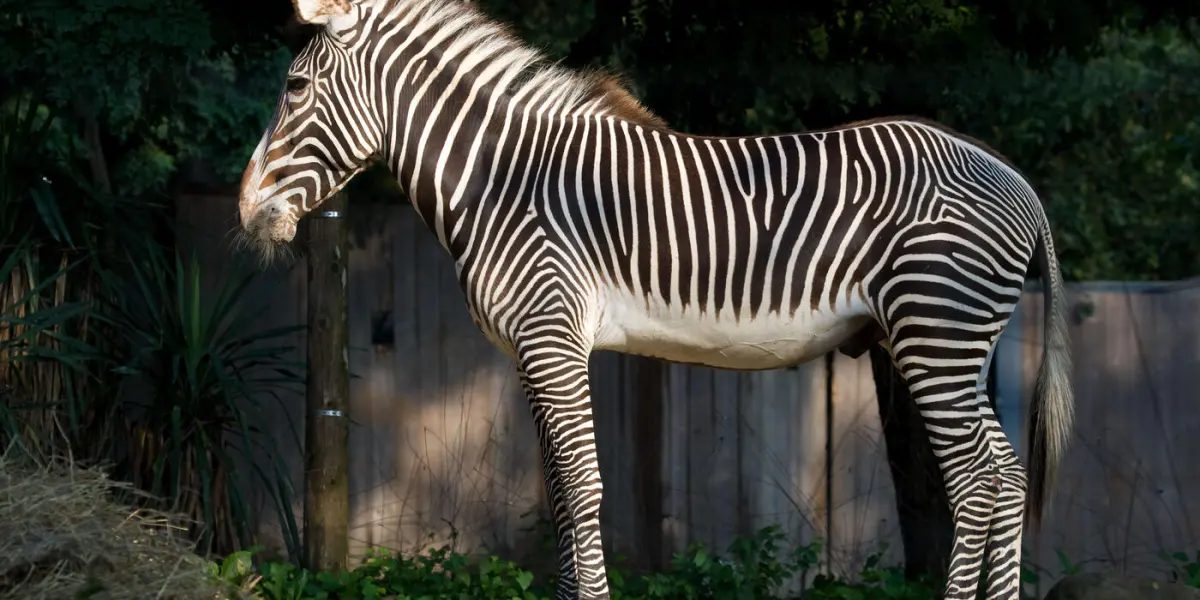
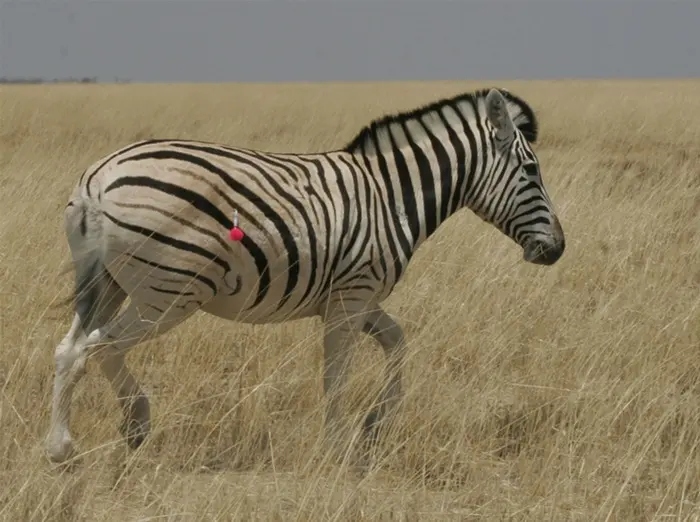
No, patterns vary significantly by species. The plains zebra has broad stripes that wrap around the belly, while the Grevy’s zebra has narrow, dense stripes and a white underbelly.
Can domestic horses benefit from wearing zebra-striped blankets?
Yes, studies indicate that horses wearing striped blankets experience fewer fly landings than those wearing solid-colored blankets. This is a practical method for reducing insect irritation in stables.
Do zebras lose their stripes as they age?
No, a zebra's stripe pattern remains consistent throughout its entire life. The pattern grows proportionally as the animal matures from a foal into an adult.
Are there any zebras born without stripes?
Rare genetic mutations can result in zebras with partial or absent stripes, often appearing as spotted or solid-colored. These individuals are usually less successful in the wild due to increased insect attacks.
This answer was created with the help of AI research tools and reference sources. Spotted an error? Let us know — we correct mistakes quickly. See our editorial policy.