How do you make an advent calendar?
Short answer
Making an advent calendar involves constructing a structure with 24 individual compartments, each designated for a specific day from December 1st to December 24th. You can use materials like envelopes, fabric pouches, or small boxes, which are then filled with treats, notes, or activities to count down the days until Christmas.
On this page
How to choose the best materials for an advent calendar
Selecting the right materials depends on your desired aesthetic and the weight of the items you plan to include. Cardboard boxes, felt pouches, and paper envelopes are the most common foundations for a DIY project. Sturdy materials like wood or thick cardstock are ideal if you intend to reuse the calendar annually, while paper-based options are perfect for one-time use or disposable themes. Consider the size of your gifts before finalizing your materials; a small matchbox may hold a piece of candy, but it cannot accommodate larger trinkets or heavy ornaments.
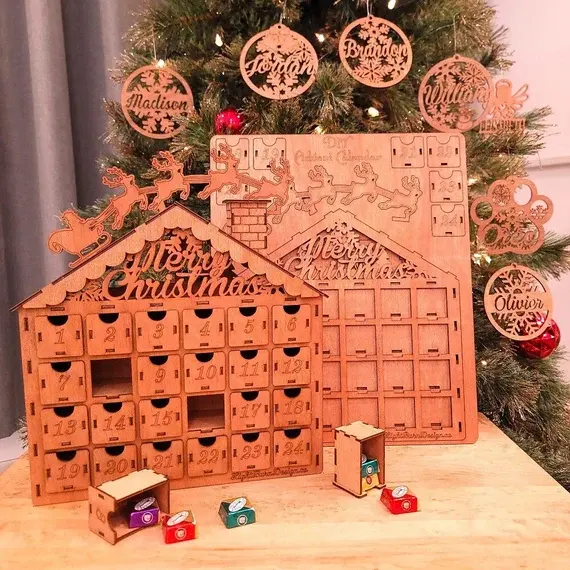
When selecting your supplies, prioritize durability and ease of access. If you are crafting with children, opt for paper bags or pre-made cardboard kits that require minimal cutting or heavy adhesives. For a more sophisticated look, consider using muslin bags tied with twine or small wooden drawers painted in seasonal colors. Ensure your chosen adhesive—whether glue, tape, or magnets—is strong enough to hold the weight of the containers to your chosen backing board or display surface.
How to structure the countdown compartments
The core of an advent calendar is the 24-day sequence. You must decide whether to display the numbers chronologically or hide them to add a layer of discovery for the recipient. If you are building a wall-mounted display, ensure the compartments are spaced evenly so the weight is distributed correctly. If you prefer a tabletop design, consider using a wooden frame or a tiered tray to organize the boxes. Regardless of the layout, each compartment must be clearly numbered from 1 to 24.
- Gather 24 containers of uniform size to ensure a balanced appearance.
- Label each container clearly using stickers, paint, or permanent markers.
- Arrange the containers in a grid, a circular pattern, or a random scattered layout on your display board.
- Secure each container firmly using hot glue, ribbon, or small hooks.
- Double-check that the numbers are visible and in the correct order before filling them.
What to put inside an advent calendar
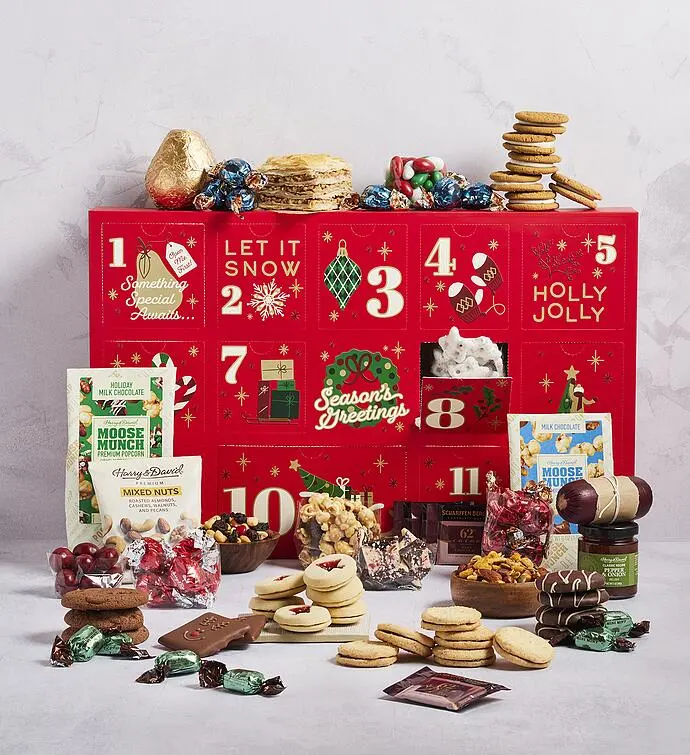
The contents of your calendar define the experience for the recipient. While traditional calendars often feature small chocolates or candies, modern versions frequently incorporate a mix of items. Small toys, craft supplies, or beauty samples are popular choices for children and adults alike. If you prefer a non-material approach, you can place slips of paper inside each box containing a festive activity, such as baking cookies, watching a holiday movie, or taking an evening walk to look at neighborhood lights.
- Small chocolates, wrapped candies, or gourmet truffles.
- Miniature figurines, building blocks, or puzzle pieces.
- Handwritten notes with daily affirmations or holiday jokes.
- Coupons for experiences like a hot cocoa date or a late bedtime.
- Small stationery items like stickers, erasers, or colorful pens.
- Festive ornaments or small trinkets to add to a collection.

How long does it take to build a calendar
The time required to construct an advent calendar varies significantly based on the complexity of your design. A simple project using paper envelopes and clothespins can be completed in approximately one hour. More involved projects, such as constructing a wooden house or sewing individual fabric pockets, may take several afternoons to finish. Factor in the time needed for paint to dry or glue to set, as rushing these steps often leads to structural failure.
If you are working on a tight schedule, focus on modular designs that allow you to assemble the base first and add the decorations later. Avoid overly intricate designs if you have limited time, as the frustration of complex assembly can detract from the holiday spirit. Remember that the goal is to create a functional countdown, so prioritize the stability of the containers over elaborate ornamentation. Setting aside a dedicated workspace will help you stay organized and complete the project efficiently before December 1st arrives.
Common mistakes when making an advent calendar
One of the most frequent errors is failing to account for the weight of the contents. If you use flimsy paper or weak adhesive, the calendar may sag or fall apart once the items are added. Always test your display method with a weighted object before filling all 24 compartments. Another mistake is choosing containers that are too small for the planned gifts; always measure your items against the internal dimensions of your boxes or bags to avoid disappointment on the first day of the countdown.
- Forgetting to check the calendar for missing numbers or duplicates.
- Using adhesives that are too weak to hold the weight of the containers.
- Placing the calendar in a high-traffic area where it might be knocked down.
- Choosing items that are too heavy for the structure, causing it to lean or collapse.
- Neglecting to involve the recipient in the process, which can make the experience feel less personal.
- Using materials that are not food-safe if you plan to include unwrapped treats.
Key facts
- Advent calendars traditionally count down the 24 days leading up to Christmas, starting on December 1st.
- The first printed advent calendars appeared in Germany in the early 20th century, popularized by Gerhard Lang.
- A sturdy base, such as a wooden frame, cardboard box, or fabric hanging, is essential for structural integrity.
- Use 24 individual containers like small envelopes, fabric pouches, or matchboxes to hold daily surprises.
- Securely fasten your containers using twine, clips, or adhesive to ensure they can support the weight of the gifts.
- Fill the containers with small items like chocolates, handwritten notes, activity prompts, or small ornaments.
The bottom line
Creating a personalized advent calendar is a rewarding project that blends creativity with holiday tradition. By selecting a sturdy base and curating thoughtful, small surprises, you can craft a unique countdown that reflects your family's personality. Whether you choose a minimalist design or an elaborate display, the focus remains on the daily anticipation and joy that builds throughout the month of December leading up to the holiday.
People also ask
What is the best way to attach small boxes to a wall?
Use removable adhesive strips or a decorative string line with wooden clothespins. These methods prevent wall damage while allowing you to rearrange the boxes easily.
Can I reuse a DIY advent calendar every year?
Yes, if you use durable materials like fabric pockets, wooden drawers, or metal tins. Avoid using paper envelopes or fragile materials that tear easily during the opening process.
What are some non-candy ideas for filling the calendar?
Consider small toys, stickers, puzzle pieces, or coupons for family activities like baking or movie nights. These items often create more lasting memories than consumable treats.
How do I handle the calendar if I have multiple children?
Create a shared calendar with rotating turns for opening, or build individual calendars for each child. This prevents arguments and ensures everyone feels included in the daily countdown.
Is it too late to start an advent calendar after December 1st?
Not at all, as you can simply catch up by opening the missed days at once or starting from the current date. Many people enjoy the flexibility of a shortened countdown.
How do I keep the contents hidden from curious eyes?
Place the calendar in a location where the contents are not easily visible or use opaque containers like felt bags. You can also wait to fill the containers until the night before each day.
This answer was created with the help of AI research tools and reference sources. Spotted an error? Let us know — we correct mistakes quickly. See our editorial policy.