What is the Sagrada Família?
Short answer
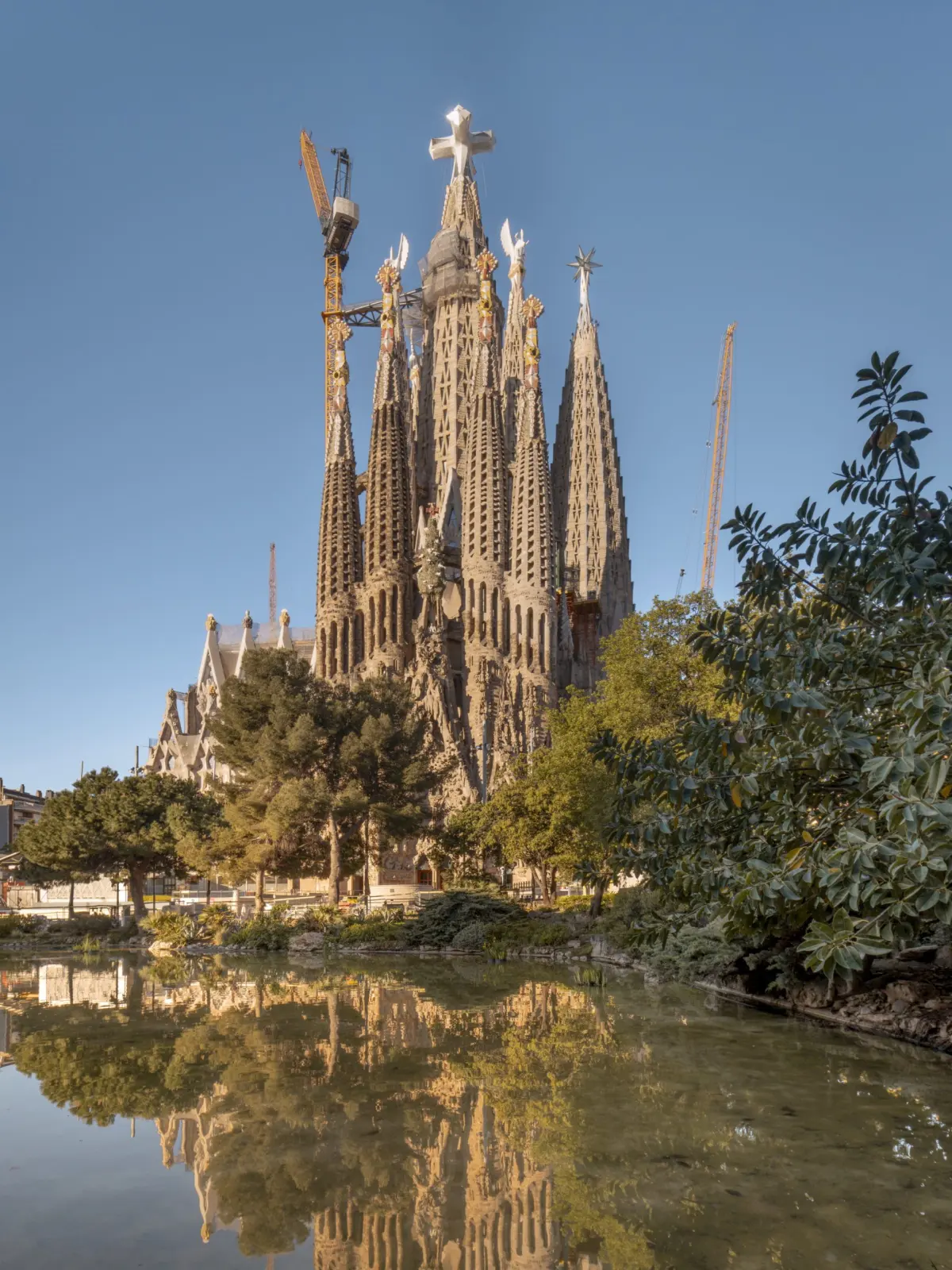
The Basílica i Temple Expiatori de la Sagrada Família is a monumental, unfinished Roman Catholic church in Barcelona, Spain. Designed by architect Antoni Gaudí, it is renowned for its unique synthesis of Art Nouveau, Catalan Modernism, and Gothic architecture. It remains one of the world’s most visited landmarks and a UNESCO World Heritage site.
On this page
What is the history of the Sagrada Família?
Construction of the Sagrada Família began in 1882 under architect Francisco de Paula del Villar. Antoni Gaudí took over the project in 1883, transforming it into his life's work by infusing it with intricate naturalistic forms and complex structural geometry. Gaudí dedicated his final years entirely to the project, living on-site until his death in 1926.
Following Gaudí's passing, construction continued intermittently, hindered by the Spanish Civil War, which resulted in the destruction of many of his original plans and models. Despite these setbacks, the project resumed in the mid-20th century. Today, the basilica is funded entirely by private donations and ticket sales, remaining a symbol of architectural perseverance and religious devotion.
How to visit the Sagrada Família?
Visiting the basilica requires careful planning due to its immense popularity and strict entry requirements. Because it is an active place of worship, visitors must adhere to a dress code that prohibits sleeveless shirts, short shorts, or swimwear. Security screenings are mandatory, and large bags are generally not permitted inside the sanctuary.
To ensure a smooth experience, follow these steps:
- Book your tickets online at least two weeks in advance to avoid long queues or sell-outs.
- Choose a "Tower Access" ticket if you wish to see the panoramic views of Barcelona.
- Download the official audio guide app before arriving to enhance your understanding of the architecture.
- Arrive at least 15 minutes before your scheduled time slot to clear security.
What are the most important architectural features?
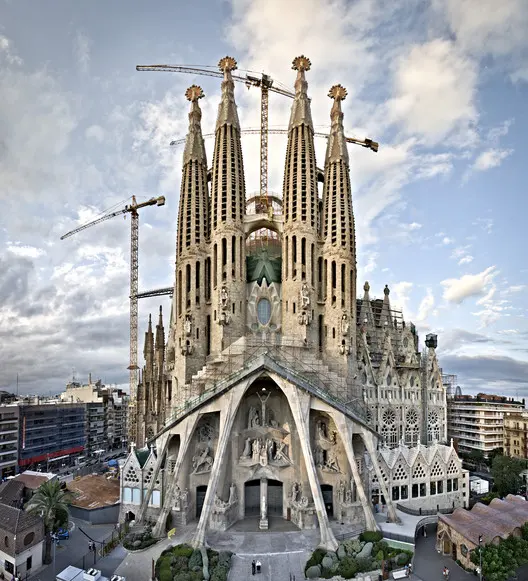
The basilica is defined by its three grand facades, each representing a different stage in the life of Jesus Christ. The Nativity facade, completed during Gaudí's lifetime, is rich in organic, sculptural detail depicting the birth of Christ. In contrast, the Passion facade features stark, angular figures that emphasize the suffering of the crucifixion.
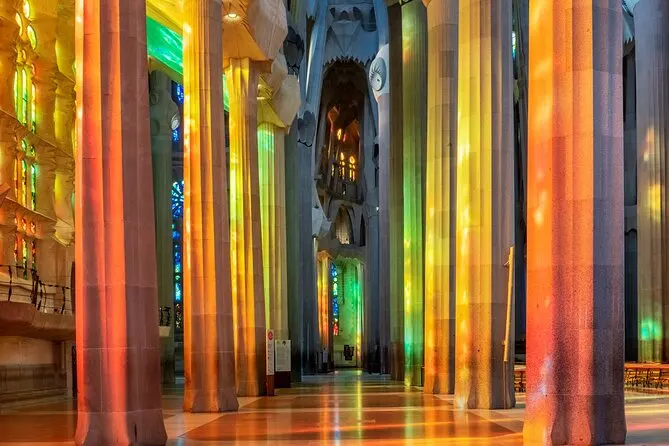
Inside, the interior resembles a forest of stone, with massive, branch-like columns reaching toward the vaulted ceiling. The use of light is central to the design, with stained glass windows positioned to create a shifting spectrum of color throughout the day. These elements combine to create a space that feels both grounded in nature and transcendentally spiritual.
Common mistakes when visiting the Sagrada Família
Many travelers underestimate the time required to fully appreciate the site, often rushing through the interior. A common error is failing to book a guided tour, which leaves visitors without context for the complex symbolism embedded in the stone. Additionally, tourists often overlook the museum located in the basement, which houses original models and historical photographs.
Avoid these common pitfalls to maximize your visit:
- Arriving without a pre-purchased ticket, which often results in being turned away.
- Forgetting to check the weather, as tower access is frequently suspended during high winds.
- Neglecting to visit the crypt, where Gaudí is buried, which is accessible to the public.
- Assuming the church is finished; the ongoing construction is an essential part of its identity.
Why is the Sagrada Família still under construction?
The prolonged construction period is primarily due to the complexity of Gaudí’s original designs, which were never fully realized in his lifetime. Modern architects must interpret his surviving sketches and plaster models using advanced computer-aided design to ensure structural integrity. This meticulous process ensures that the final result remains faithful to the architect’s original vision.
Furthermore, the scale of the project is massive, requiring specialized stone carving and engineering techniques that take years to complete. The current goal is to finish the main towers by the centenary of Gaudí’s death in 2026, though interior work and decorative details will likely continue beyond that date. The ongoing nature of the work serves as a living testament to the dedication of the craftsmen and the enduring legacy of Gaudí’s genius.
Key facts
- The Basílica i Temple Expiatori de la Sagrada Família is a large, unfinished Roman Catholic minor basilica located in Barcelona, Spain.
- Construction began in 1882 under architect Francisco de Paula del Villar, with Antoni Gaudí taking over the project in 1883.
- The design blends Gothic and curvilinear Art Nouveau styles, featuring 18 towers representing the Twelve Apostles, the four Evangelists, the Virgin Mary, and Jesus Christ.
- It is a UNESCO World Heritage site and remains the longest-running construction project in modern history, with completion targeted for 2026.
- Visitors must purchase tickets online in advance, as same-day tickets frequently sell out weeks ahead of time.
- Dress code requirements are strictly enforced; shoulders and thighs must be covered to gain entry to the interior.
The bottom line
The Sagrada Família stands as a monumental testament to Antoni Gaudí’s visionary genius and Barcelona’s cultural identity. Combining complex theological symbolism with innovative organic architecture, it serves as both a functional place of worship and a global architectural icon. Despite its ongoing construction, the basilica remains a must-visit destination that rewards those who plan ahead, respect the dress code, and appreciate its unique structural beauty.
People also ask
Why has the construction taken so long to complete?
The project relies entirely on private donations and ticket sales rather than government funding. Additionally, the intricate, nature-inspired geometric designs require highly specialized stonework and engineering techniques that have evolved significantly over the last 140 years.
Is it possible to climb the towers of the Sagrada Família?
Yes, visitors can purchase tickets that include access to the Nativity or Passion towers via elevator. However, you must walk down the narrow, spiraling stone staircases, which may be challenging for those with mobility issues or claustrophobia.
What is the best time of day to visit the interior?
The best time is during the late afternoon or "golden hour" when the sun shines directly through the western stained-glass windows. This creates a vibrant, multicolored light display that illuminates the entire nave.
Is the Sagrada Família a cathedral?
No, it is a minor basilica. The official cathedral of Barcelona is the Cathedral of the Holy Cross and Saint Eulalia, located in the city’s Gothic Quarter.
What happens if I miss my scheduled entry time?
Security and ticket staff are very strict regarding entry times. If you arrive significantly late, you will likely be denied entry and will not receive a refund, so aim to arrive at least 15 minutes early.
Can I take photographs inside the basilica?
Photography is permitted for personal use throughout the building. However, the use of tripods, monopods, or professional lighting equipment is strictly prohibited without prior authorization from the administration.
This answer was created with the help of AI research tools and reference sources. Spotted an error? Let us know — we correct mistakes quickly. See our editorial policy.