Is drawing good for mental health?
Short answer
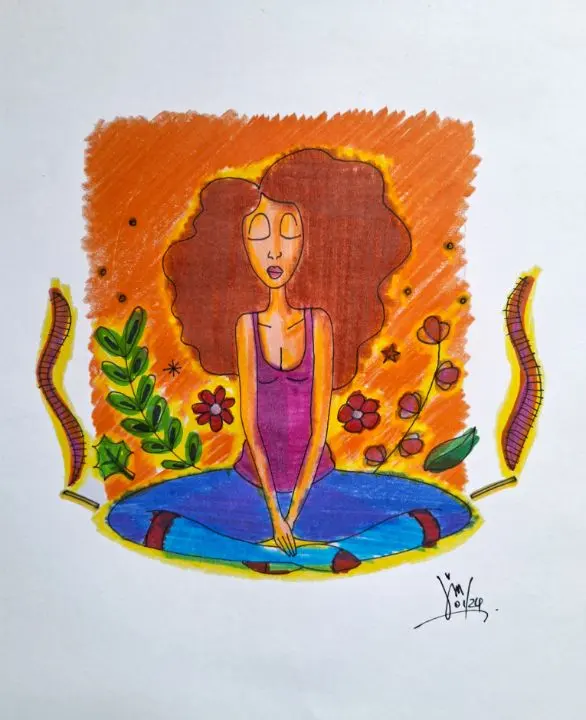
Drawing is highly beneficial for mental health, as it serves as a powerful tool for stress reduction, emotional regulation, and cognitive focus. Engaging in creative expression lowers cortisol levels, encourages a meditative state known as "flow," and provides a constructive outlet for processing complex feelings, ultimately improving overall psychological well-being and resilience.
On this page
Why drawing improves mental health
The psychological benefits of drawing stem from its ability to induce a state of "flow," a concept popularized by psychologist Mihaly Csikszentmihalyi. When you draw, your brain shifts focus away from ruminative thoughts and anxieties, centering instead on the immediate tactile experience of the pencil moving across the paper. This shift acts as a form of active meditation, which has been shown to reduce activity in the amygdala, the brain's fear center.
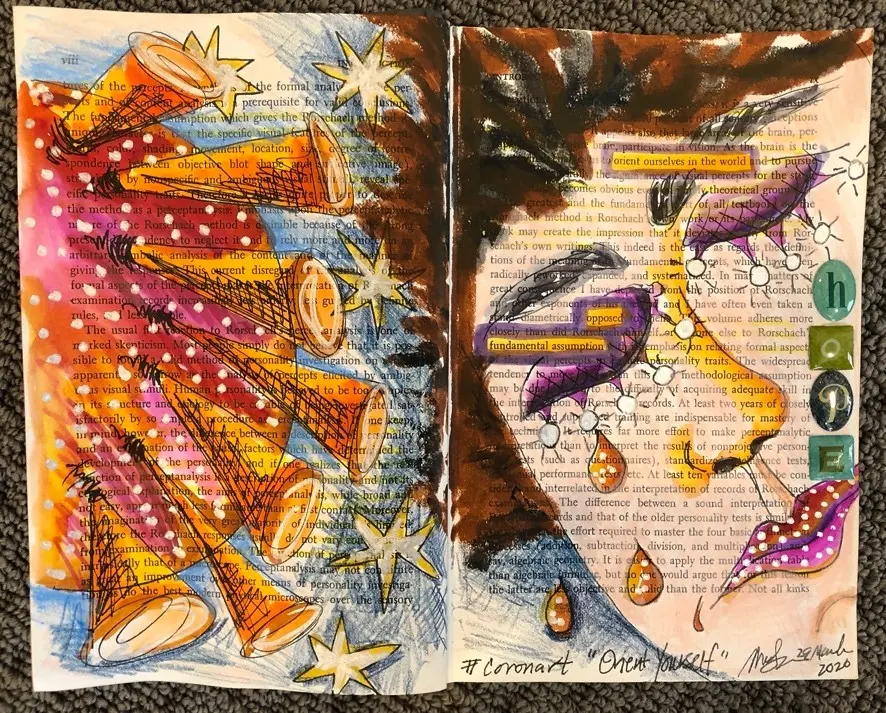
Beyond immediate stress relief, drawing functions as a non-verbal language for emotional processing. Many individuals find it difficult to articulate trauma or complex emotions through speech. Visual art allows these internal states to be externalized, providing a sense of control and clarity. Research in art therapy suggests that consistent creative practice can improve self-esteem and provide a sense of accomplishment, which is vital for maintaining long-term mental health.
How to start drawing for wellness
You do not need formal training or expensive equipment to begin using drawing as a therapeutic practice. The goal is personal expression rather than technical perfection, so focus on the process rather than the final product. Start with simple tools that feel comfortable in your hand and allow for spontaneous movement.
- Choose a sketchbook that feels approachable rather than intimidating.
- Select a medium that requires minimal setup, such as graphite pencils, charcoal, or fineliner pens.
- Dedicate a specific, quiet space where you can draw for 10 to 15 minutes daily.
- Practice "blind contour" drawing, where you look only at your subject and not at your paper, to bypass your inner critic.
- Focus on the sensation of the pencil tip against the grain of the paper to anchor yourself in the present moment.
Best drawing techniques for stress relief
Repetitive patterns and rhythmic motions are particularly effective at calming the nervous system. Techniques like Zentangle or doodling allow the mind to disengage from high-stress tasks while maintaining enough cognitive engagement to prevent wandering thoughts. These methods are low-stakes and emphasize the beauty of simple, repeating lines.
- Mandala drawing: Create circular patterns that symbolize wholeness and provide a meditative focal point.
- Scribble drawing: Start with a loose, chaotic scribble, then look for shapes within it to develop into a finished image.
- Observational sketching: Focus intensely on a single object in your room, tracing its outlines to ground yourself in your physical environment.
- Abstract mark-making: Use different pressures and speeds to represent your current mood without trying to create a recognizable image.
These techniques provide a structured way to channel nervous energy into something tangible. By focusing on the rhythm of your hand, you can effectively lower your heart rate and quiet a racing mind.
Common mistakes when drawing for mental health
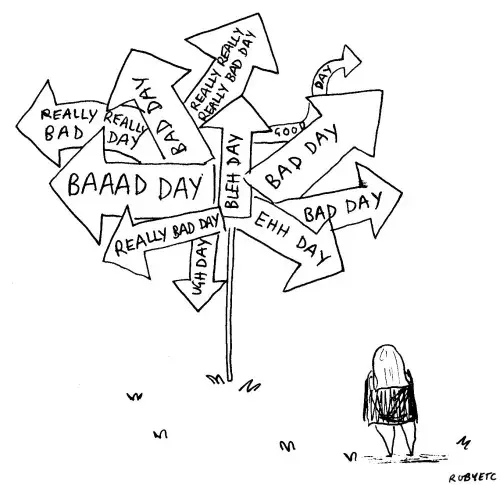
The most frequent error beginners make is judging their work against professional standards. When you treat drawing as a performance rather than a therapeutic exercise, you introduce the very stress you are trying to alleviate. Avoid comparing your sketches to images found on social media, as these are often curated highlights rather than realistic representations of the creative process.
Another common mistake is setting unrealistic expectations regarding frequency or duration. Attempting to draw for an hour when you are already exhausted can feel like a chore, leading to frustration. Instead, aim for shorter, consistent sessions. If you find yourself becoming frustrated with a specific drawing, give yourself permission to abandon it or turn the page. The value lies in the act of drawing itself, not in the completion of a masterpiece.
How long does it take to see results
The mental health benefits of drawing are often felt almost immediately, as the act of focusing on a creative task provides an instant distraction from stressors. Within just 15 to 20 minutes of engagement, most individuals report a noticeable decrease in tension and an improvement in mood. This quick response makes drawing an excellent tool for managing acute stress or moments of high anxiety.
Long-term improvements in emotional regulation and self-awareness typically require a consistent habit. By practicing for a few minutes daily over several weeks, you train your brain to access this state of calm more easily. Over time, this practice builds a stronger foundation for emotional resilience, allowing you to navigate daily challenges with a more balanced perspective. Consistency is far more important than the duration of each session, so prioritize showing up for yourself, even if only for a few minutes each day.
Key facts
- Engaging in regular drawing can lower cortisol levels, the primary hormone associated with physical and psychological stress.
- Art therapy sessions often utilize "flow state" induction, where focused creative activity shifts the brain into a meditative, calm rhythm.
- Research suggests that just 45 minutes of creative expression can significantly improve mood, regardless of the artist's skill level.
- Drawing helps externalize difficult emotions, providing a visual outlet for thoughts that are often hard to articulate through speech.
- To maximize mental health benefits, focus on the process of mark-making rather than the aesthetic quality of the final result.
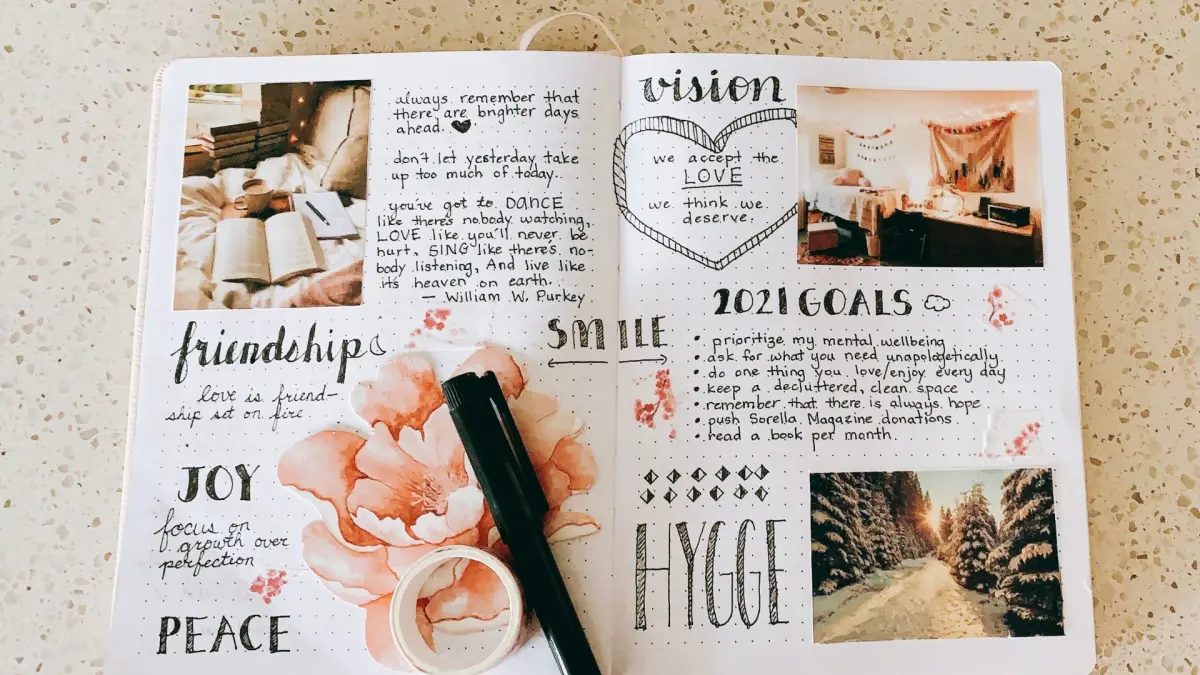
- Keeping a dedicated sketchbook allows for tracking emotional patterns over time, serving as a non-verbal diary of one's mental state.
The bottom line
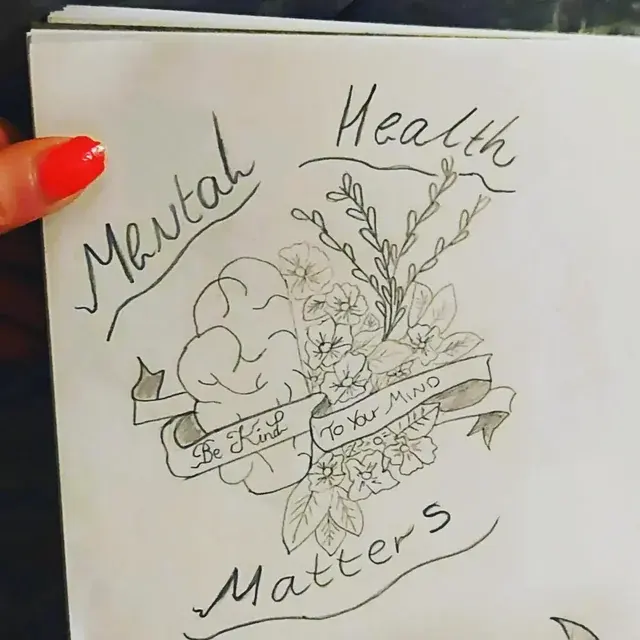
Drawing serves as a practical, accessible tool for enhancing mental well-being by reducing stress and fostering mindfulness. By shifting your focus from creating a masterpiece to simply engaging with the creative process, you can effectively lower cortisol and process complex emotions. Whether you are sketching for ten minutes or an hour, this non-verbal practice offers a valuable, grounding outlet for maintaining long-term emotional balance and clarity.
People also ask
Do I need to be a talented artist to see mental health benefits?
No, the therapeutic value of drawing comes from the act of creation rather than technical proficiency. Focusing on perfection often increases stress, whereas expressive drawing prioritizes personal relief.
How long should I draw each day to reduce anxiety?
Spending as little as 15 to 20 minutes on a drawing task can help regulate your nervous system. Consistency is more effective than duration, so aim for regular, short sessions rather than one long, exhausting project.
What materials are best for beginners looking to improve their mood?
Simple tools like graphite pencils, charcoal, or colored pencils are ideal because they require minimal setup. Avoid complex mediums initially, as the goal is to lower the barrier to entry and reduce frustration.
Should I draw from my imagination or copy real objects?
Both approaches offer benefits, but drawing from life can act as a grounding exercise by forcing you to observe your surroundings. Drawing from imagination is better for emotional release and exploring internal thought processes.
What is the most common mistake beginners make when drawing for wellness?
The most frequent error is judging one's work against professional standards or social media trends. This self-criticism defeats the purpose of the practice, which is meant to be a safe, non-judgmental space for self-expression.
Can drawing help with symptoms of depression?
While drawing is not a substitute for professional clinical treatment, it serves as a powerful complementary tool. It provides a sense of agency and accomplishment, which can help combat feelings of hopelessness or stagnation.
This answer was created with the help of AI research tools and reference sources. Spotted an error? Let us know — we correct mistakes quickly. See our editorial policy.