Science & Nature
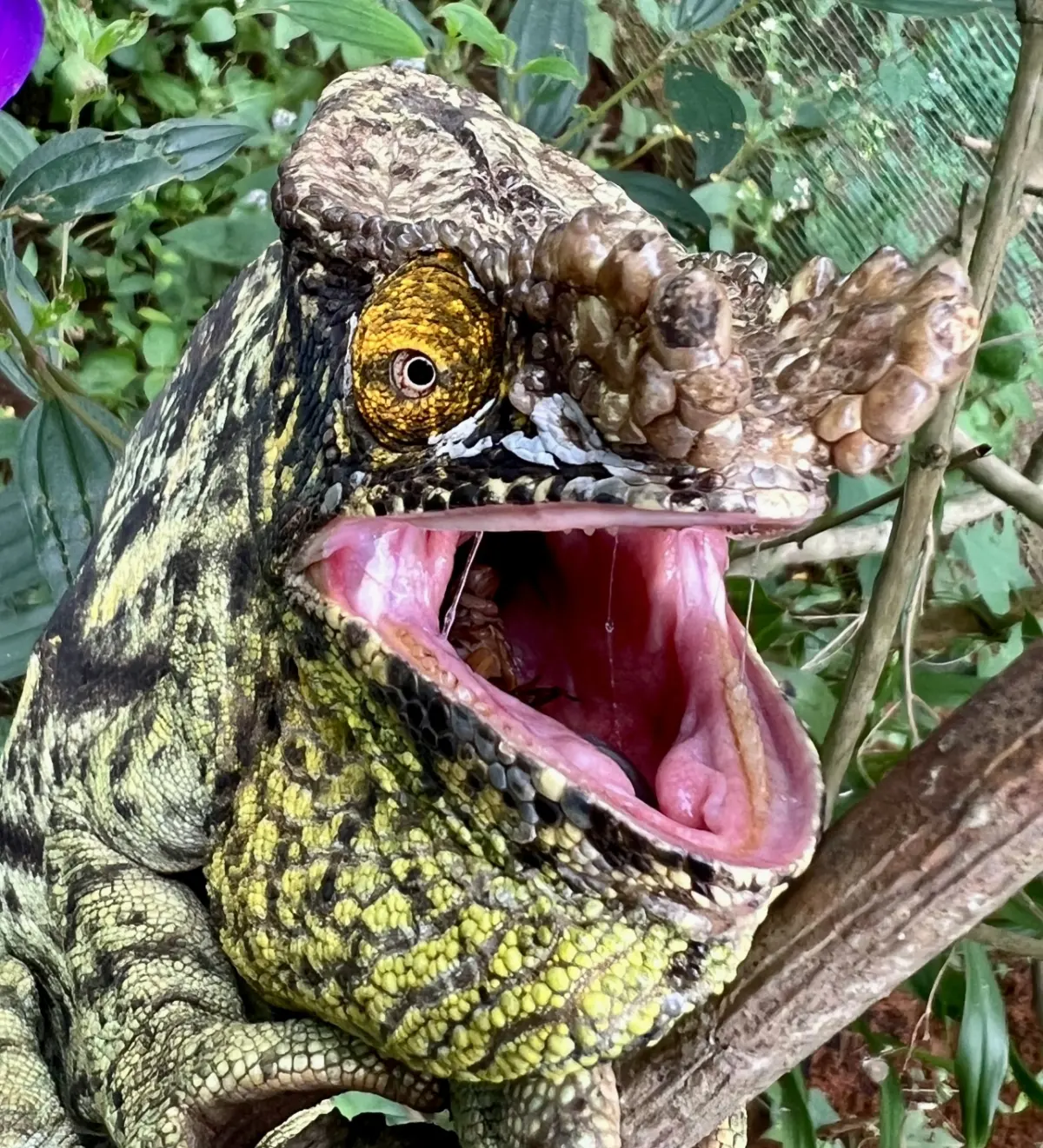
How big do chameleons get?
Chameleons vary significantly in size, ranging from the tiny Brookesia micra, which measures just one inch, to the robust…
Animals, plants, the human body, space and how the natural world works.
Chameleons vary significantly in size, ranging from the tiny Brookesia micra, which measures just one inch, to the robust…
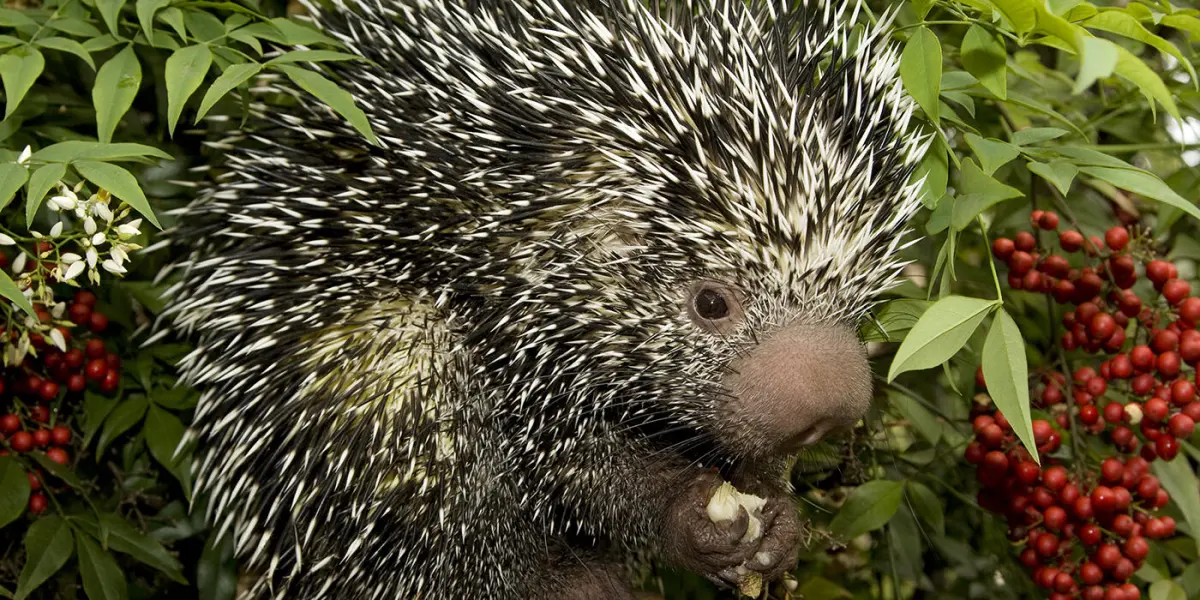
Porcupines inhabit diverse environments across North America, South America, Africa, Europe, and Asia. They primarily thrive in…

Most domestic cats dislike water because their evolutionary history in arid climates left them without a need for swimming…
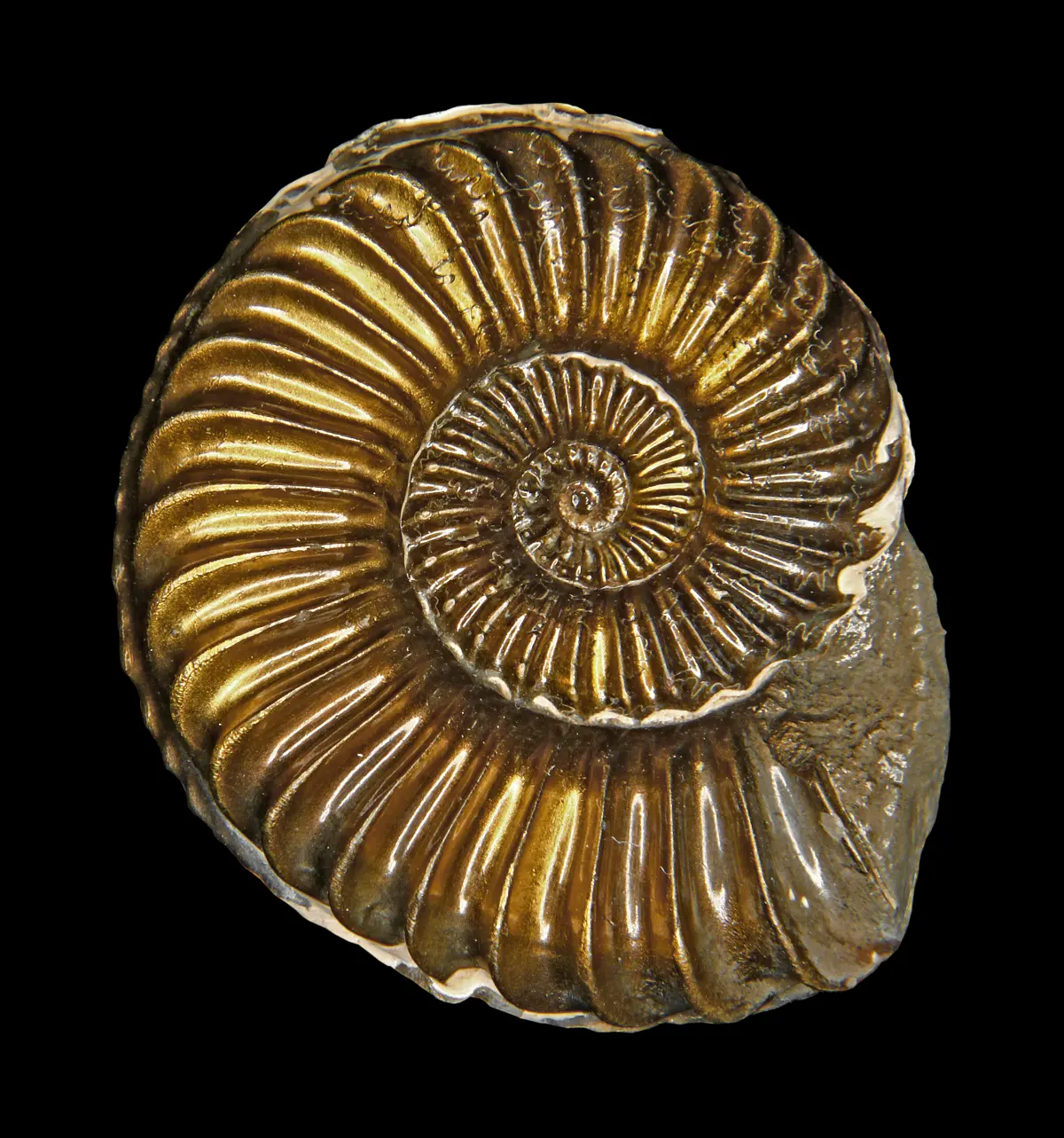
A fossil is the preserved remains, impression, or trace of any once-living organism from a past geological age. These remnants…
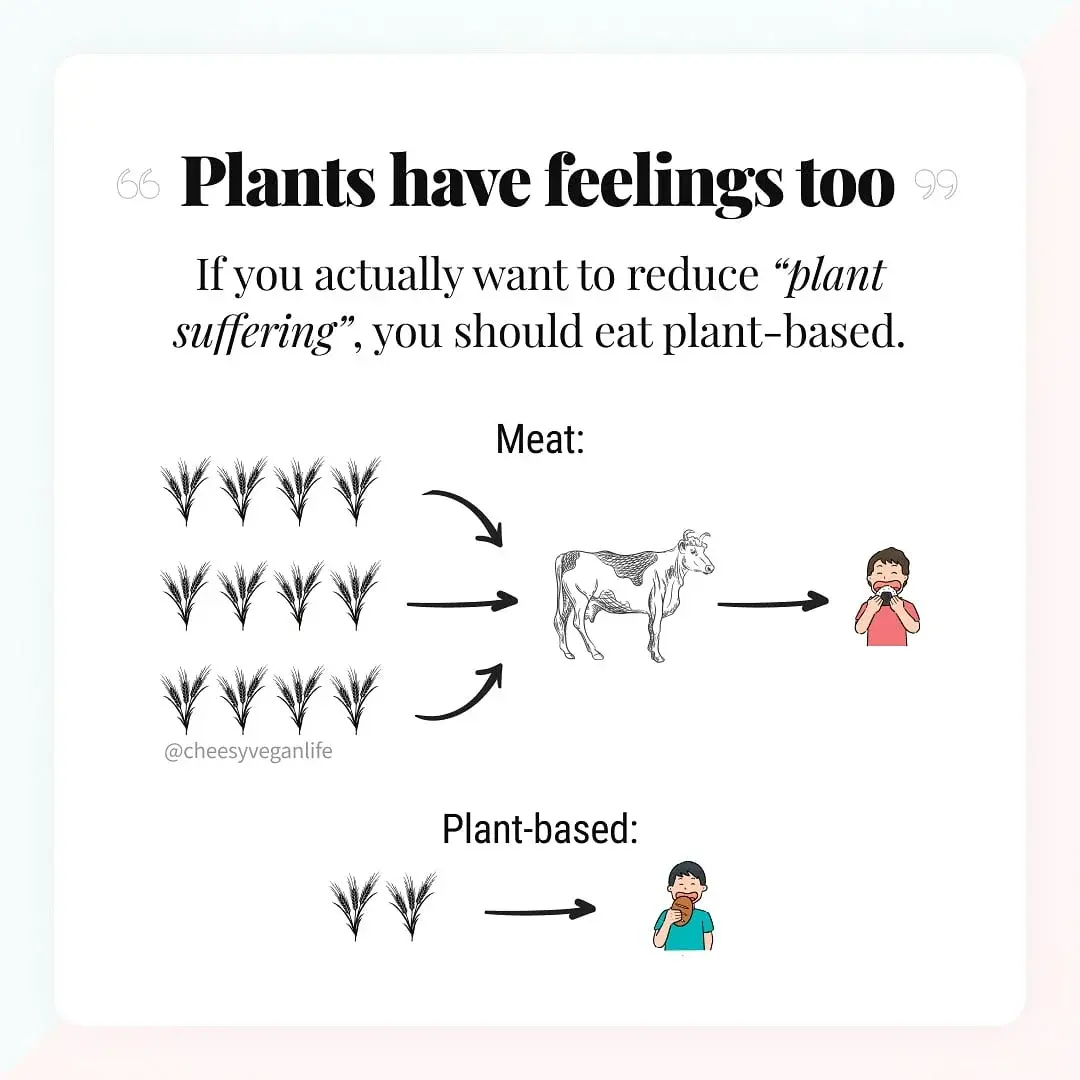
Plants do not feel pain because they lack a central nervous system, brain, and pain receptors known as nociceptors. While they…
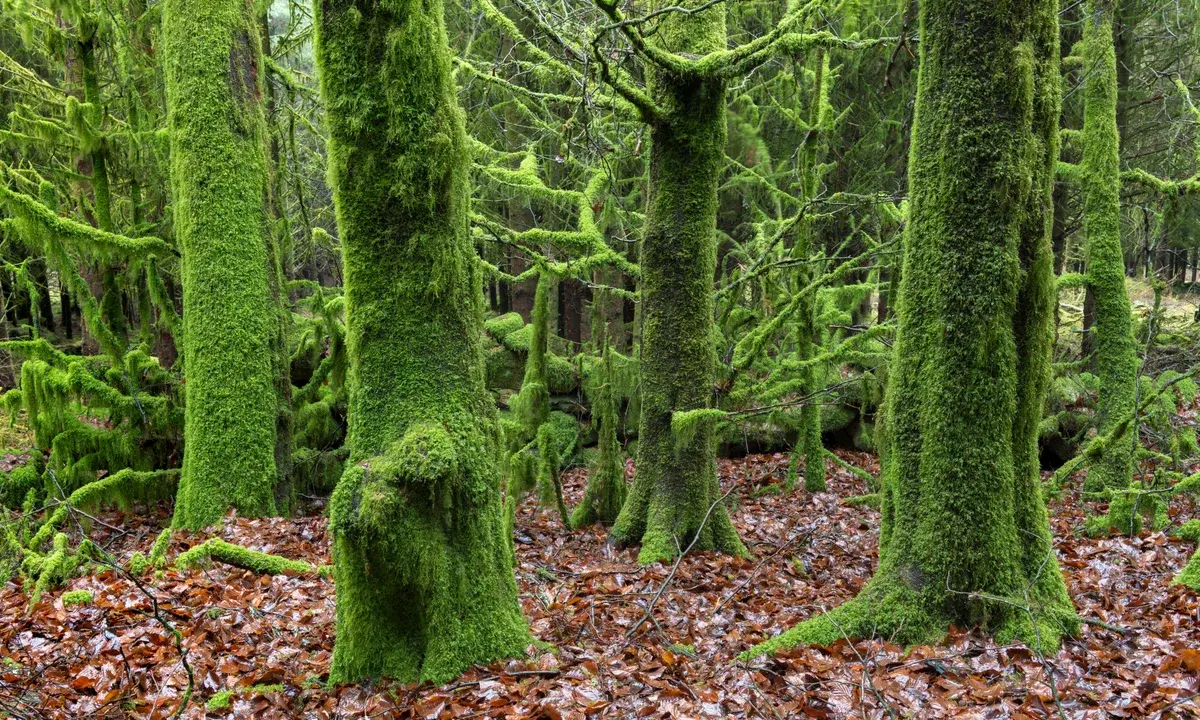
Mosses are small, non-vascular flowerless plants in the division Bryophyta. They lack true roots, stems, and leaves, instead…
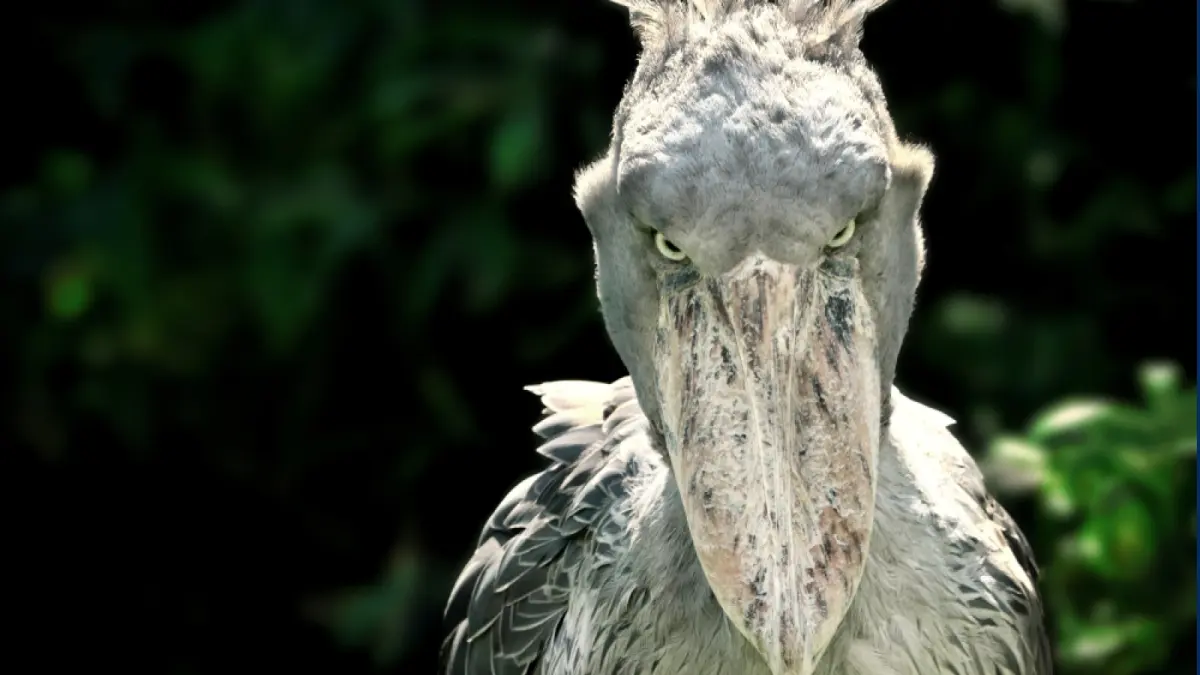
The common ostrich (Struthio camelus) is the largest and heaviest living bird on Earth. Adult males can reach heights of up to 9…
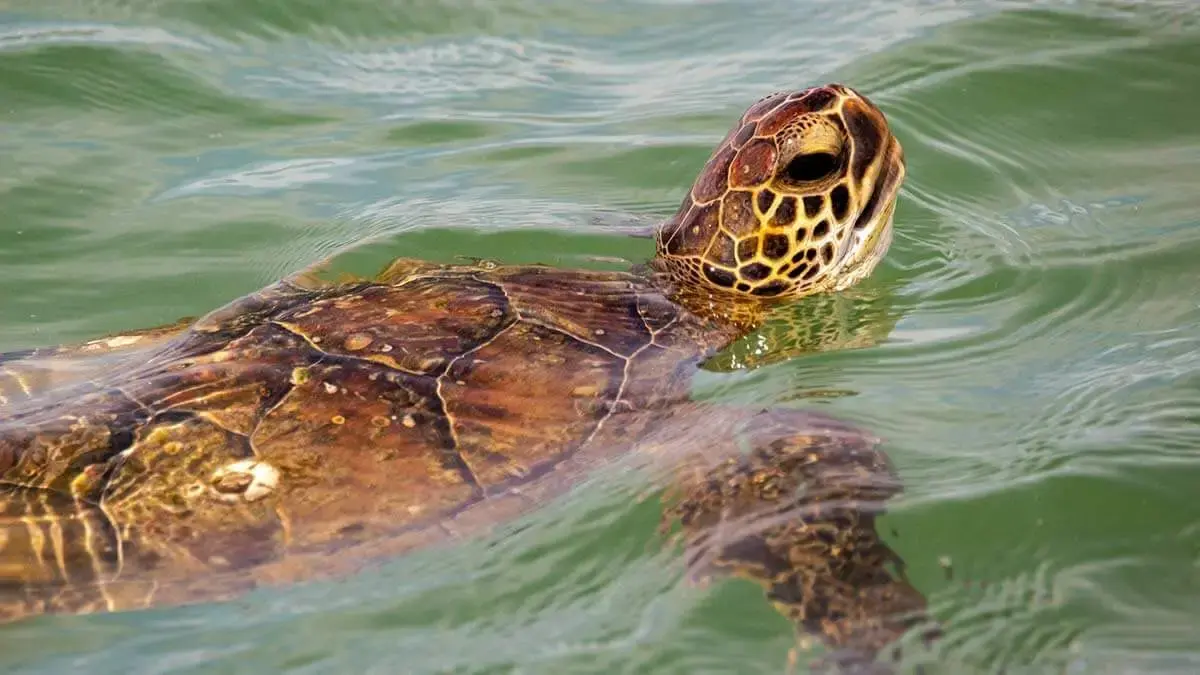
Most sea turtles live between 50 and 100 years in the wild. While exact lifespans are difficult to track due to their long…
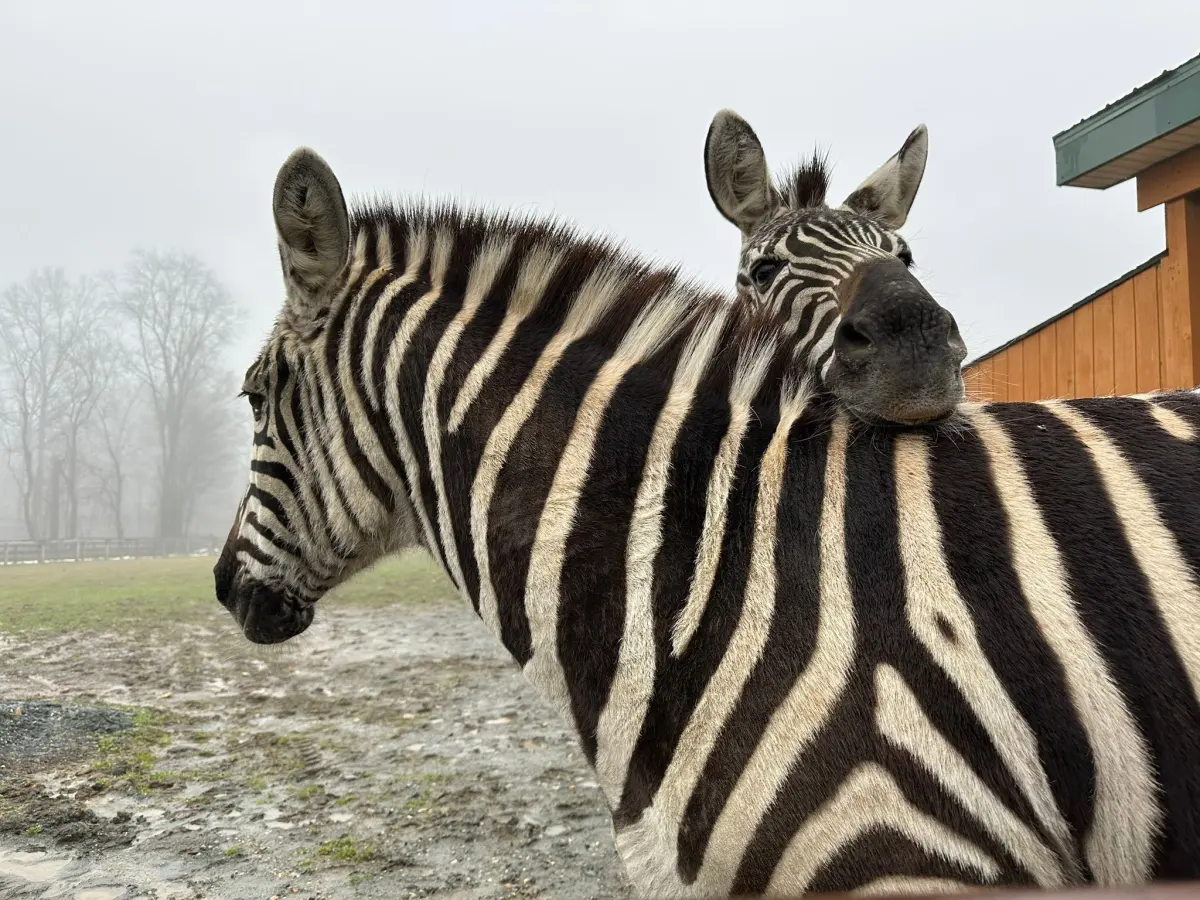
Zebras vary in size depending on the species, but most adults stand between 4 and 5 feet tall at the shoulder. They typically…
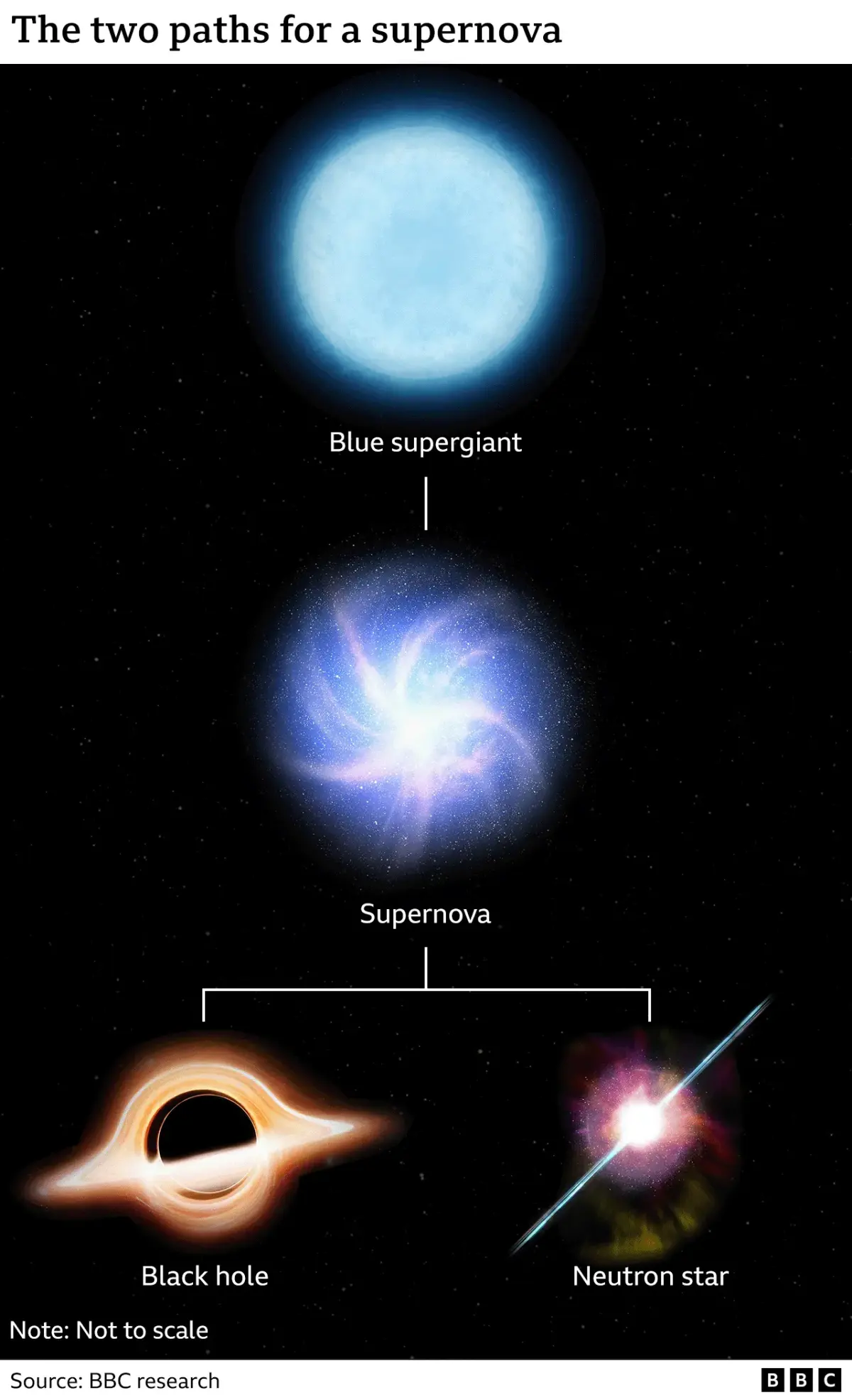
A supernova is the cataclysmic explosion of a star, marking the final stage of its life cycle. These events release immense…
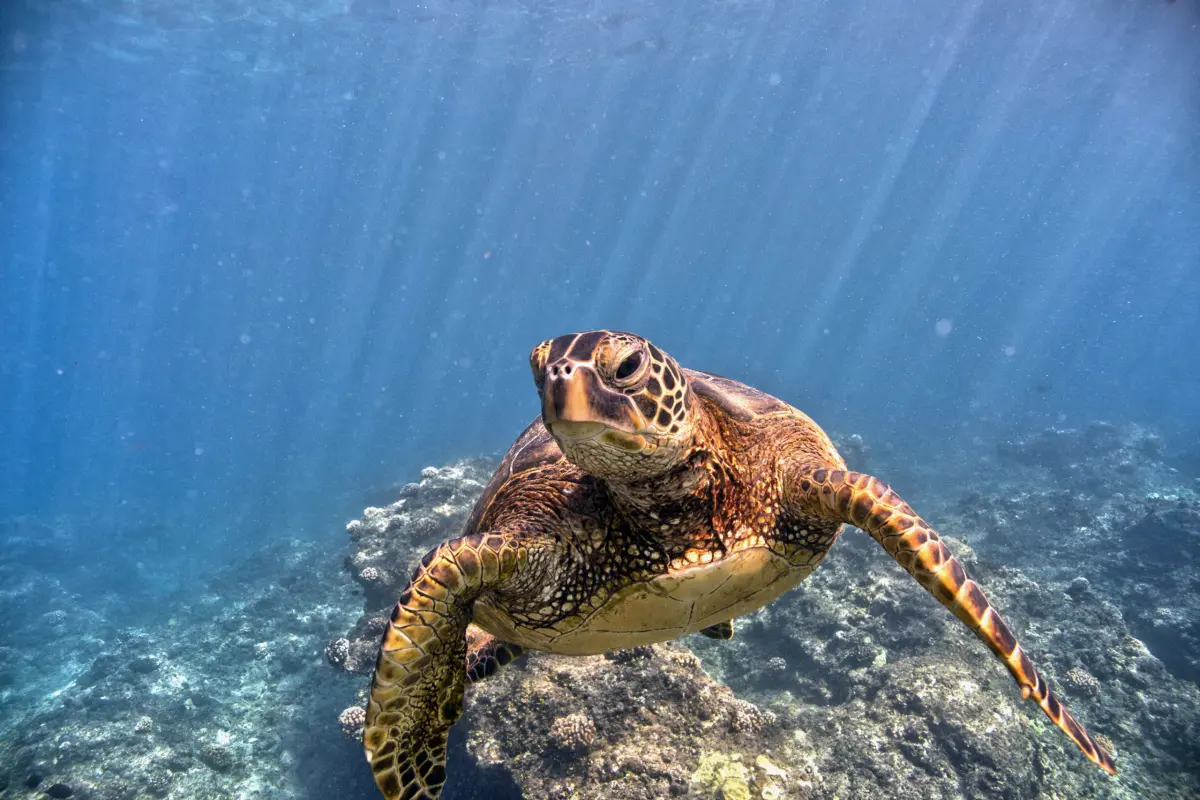
Sea turtles inhabit tropical and subtropical oceans across the globe, excluding only the coldest polar regions. They spend most…
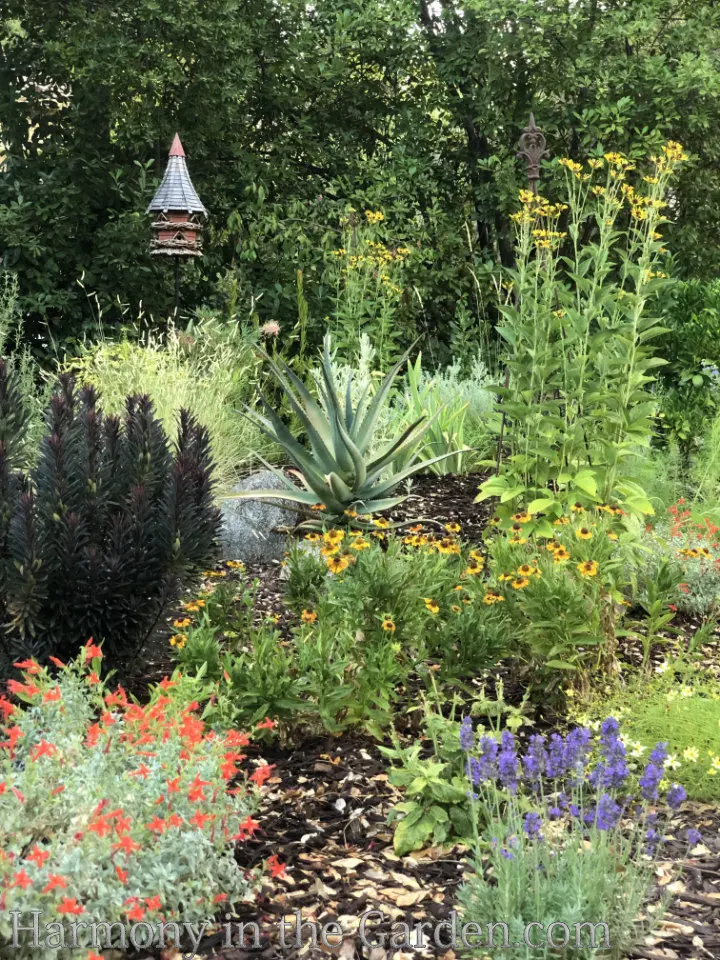
A native plant garden features indigenous vegetation that evolved naturally within a specific geographic region. These gardens…

Keeping houseplants alive requires balancing light, water, and humidity according to each species' specific needs. Most failures…
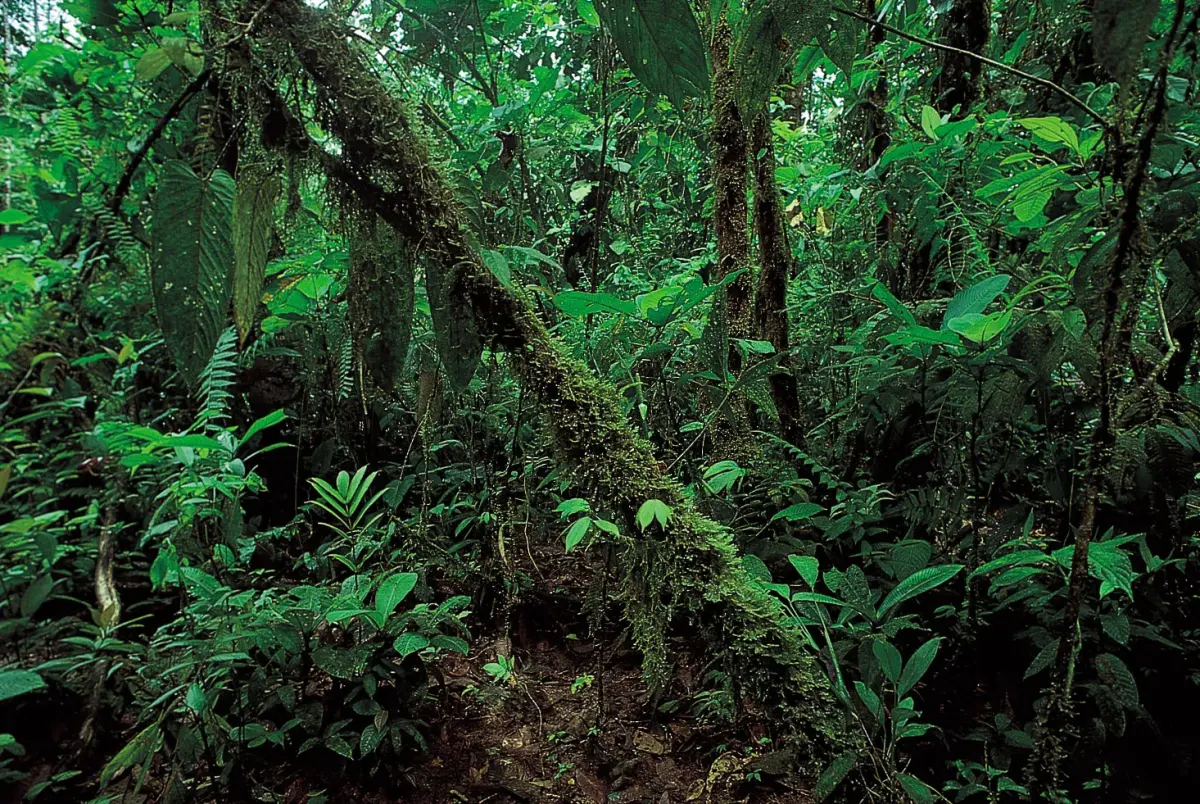
Rainforests are complex, high-canopy ecosystems defined by heavy rainfall and dense, layered vegetation that blocks most…
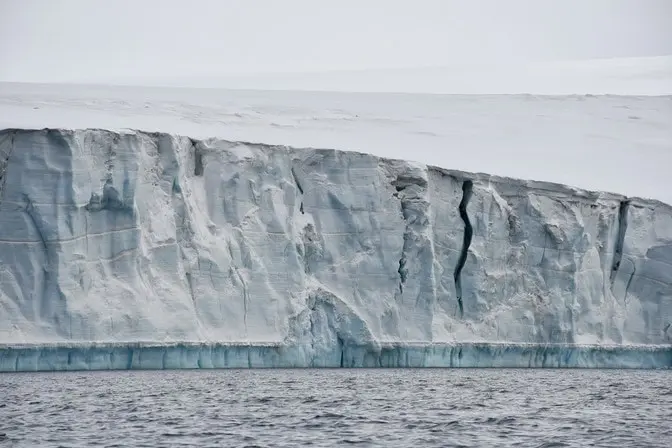
A glacier is a massive, long-lasting body of dense ice that moves under its own weight due to gravity. Formed over centuries…
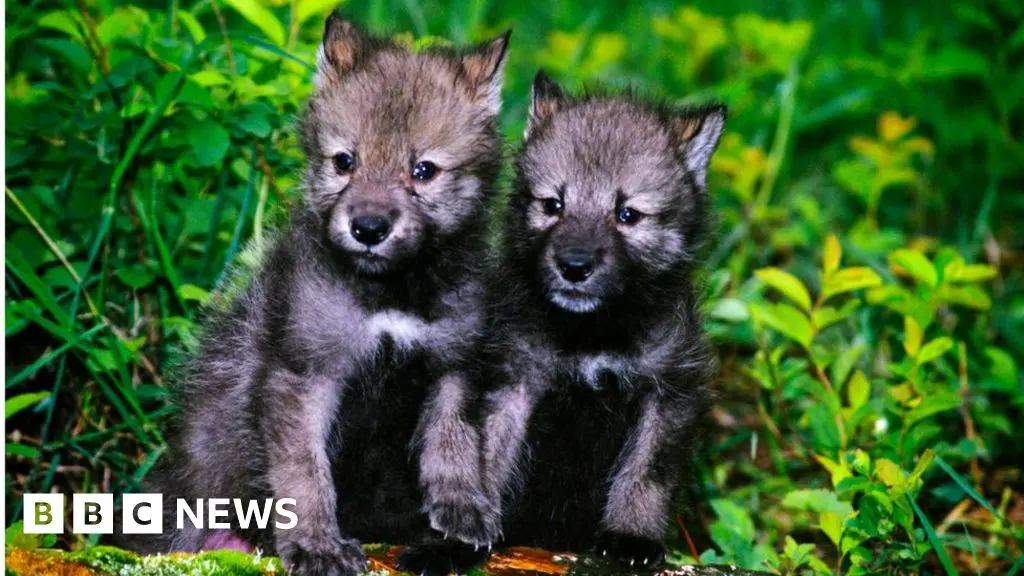
A baby wolf is called a pup. Sometimes referred to as a whelp, these young canines are born in litters, typically numbering…
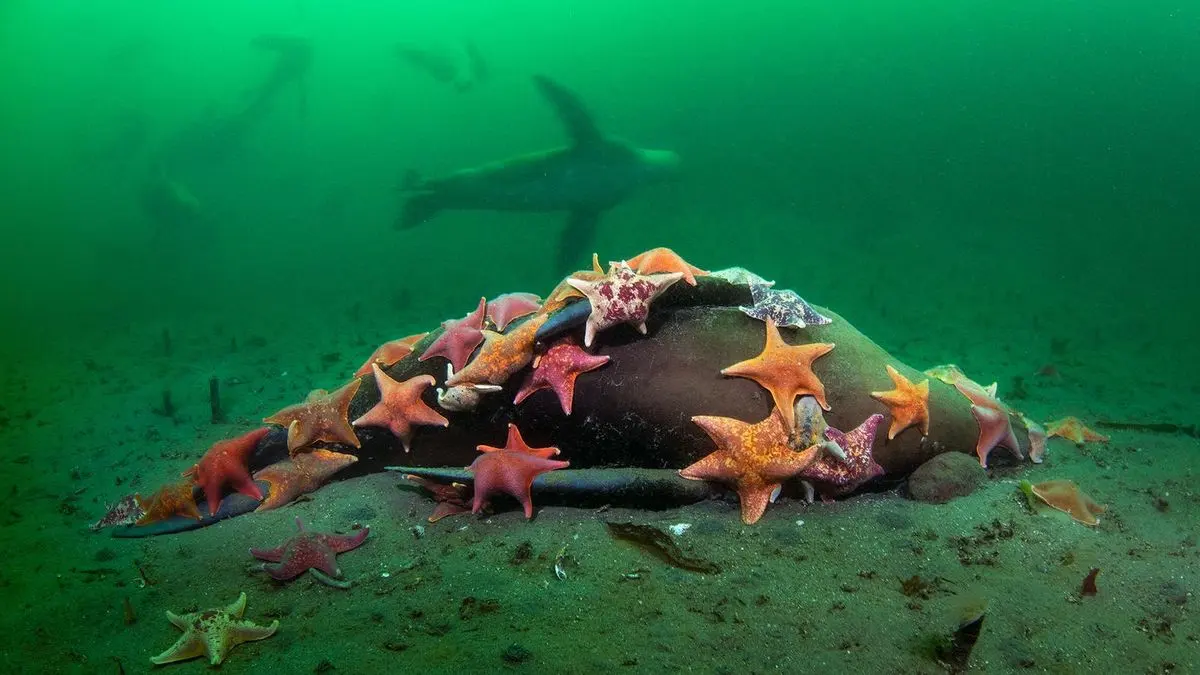
Sea stars are primarily carnivorous predators that consume a wide variety of marine invertebrates. Their diet typically includes…

Maple syrup is produced by collecting sap from sugar maple trees and boiling it to remove excess water. The process requires a…
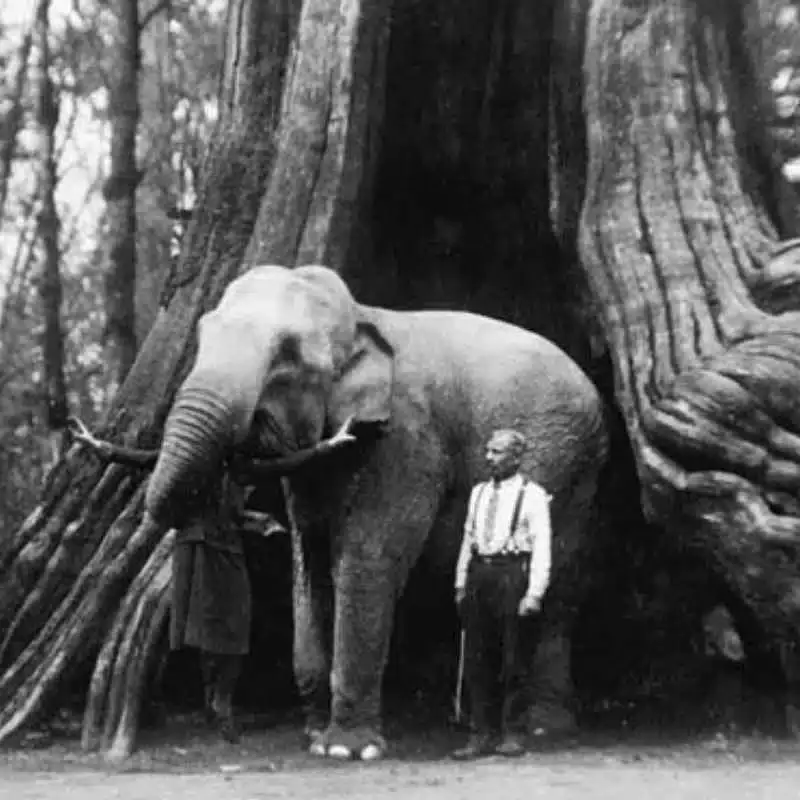
The Hollow Tree is a historic, massive western red cedar stump located in Vancouver’s Stanley Park. Once a living giant, it has…
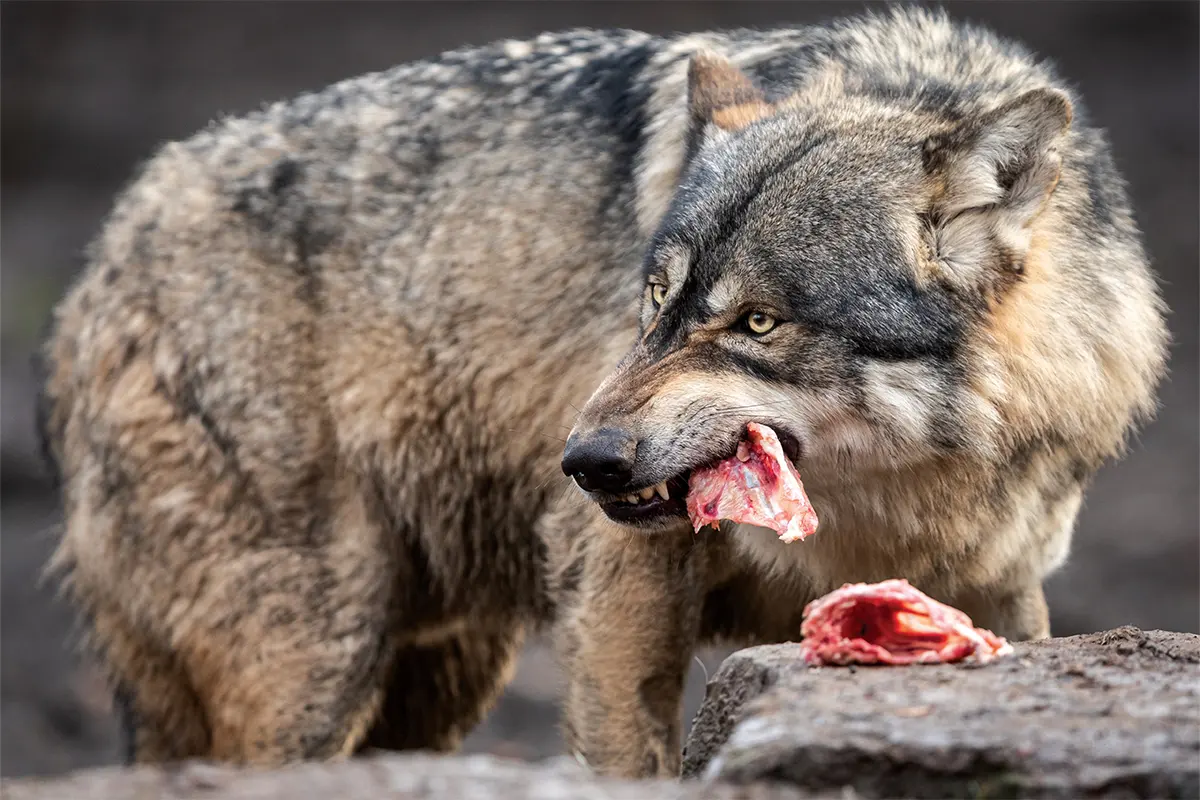
Gray wolves are primarily carnivorous apex predators that subsist on large ungulates such as deer, elk, moose, and bison. While…

Shade-loving plants thrive in areas receiving less than six hours of direct sunlight daily. Popular choices include hostas…
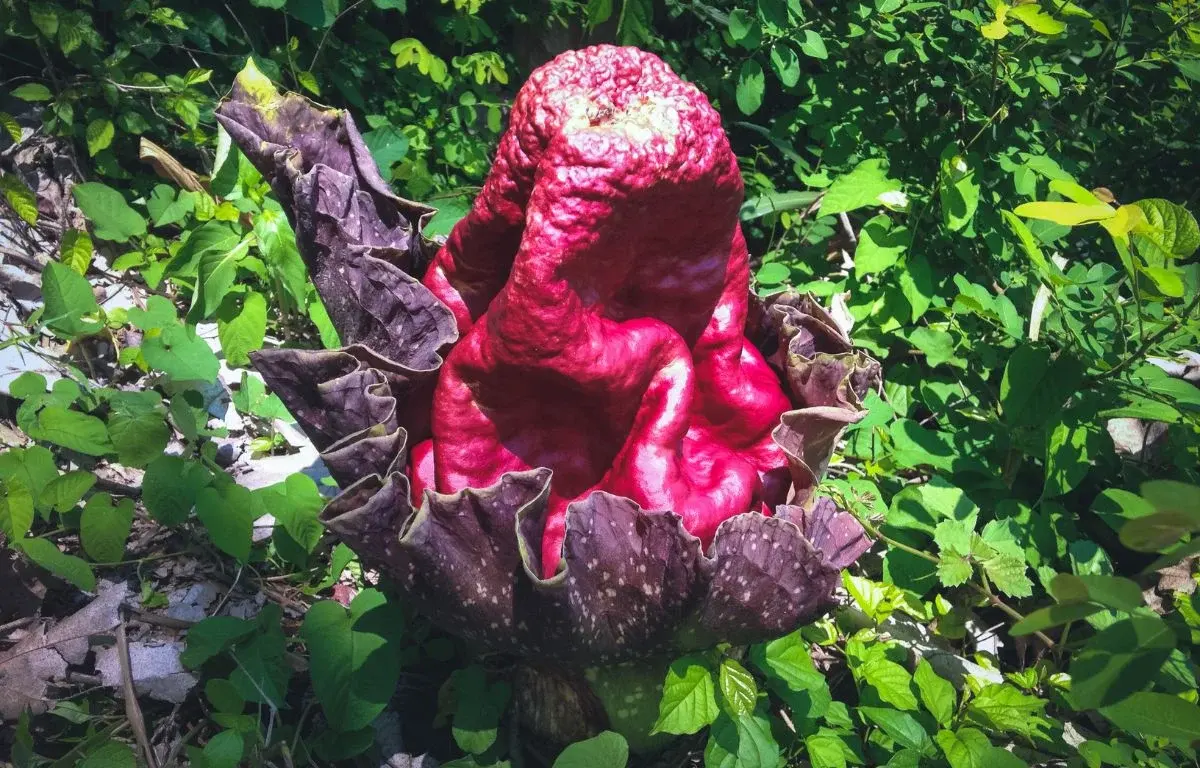
The Middlemist’s Red (Middlemist camellia) is widely considered the rarest flower in the world. Currently, only two known…
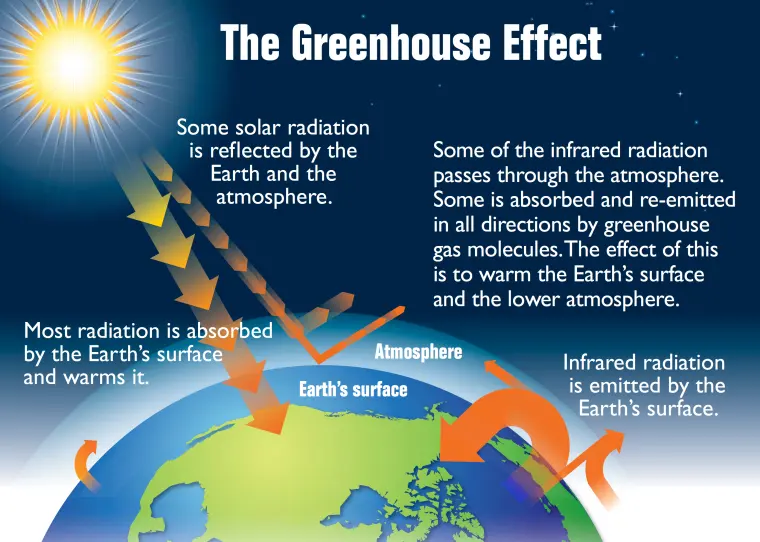
The greenhouse effect is a natural process where atmospheric gases trap heat radiating from Earth’s surface, warming the planet…
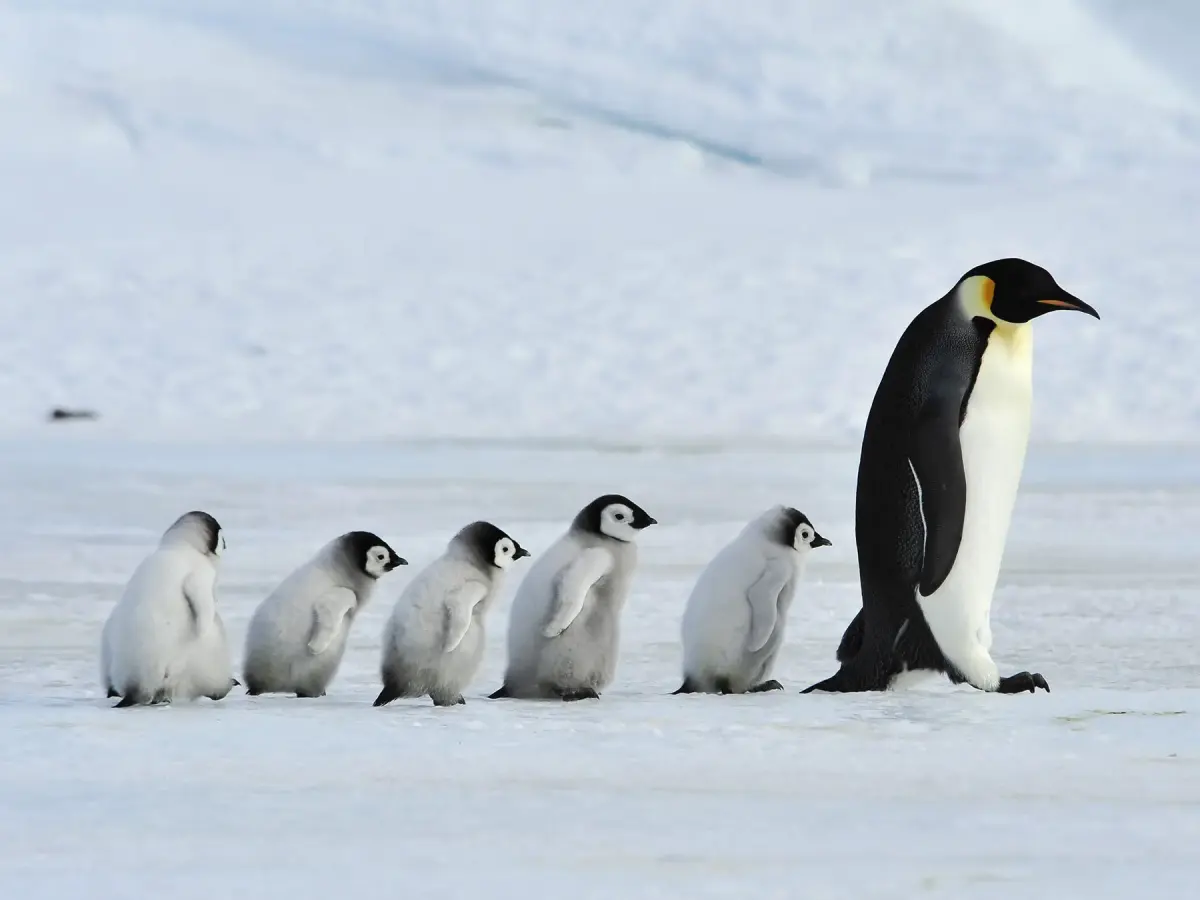
A baby penguin is called a chick. Once they hatch from their eggs, these flightless birds are entirely dependent on their…