Science & Nature
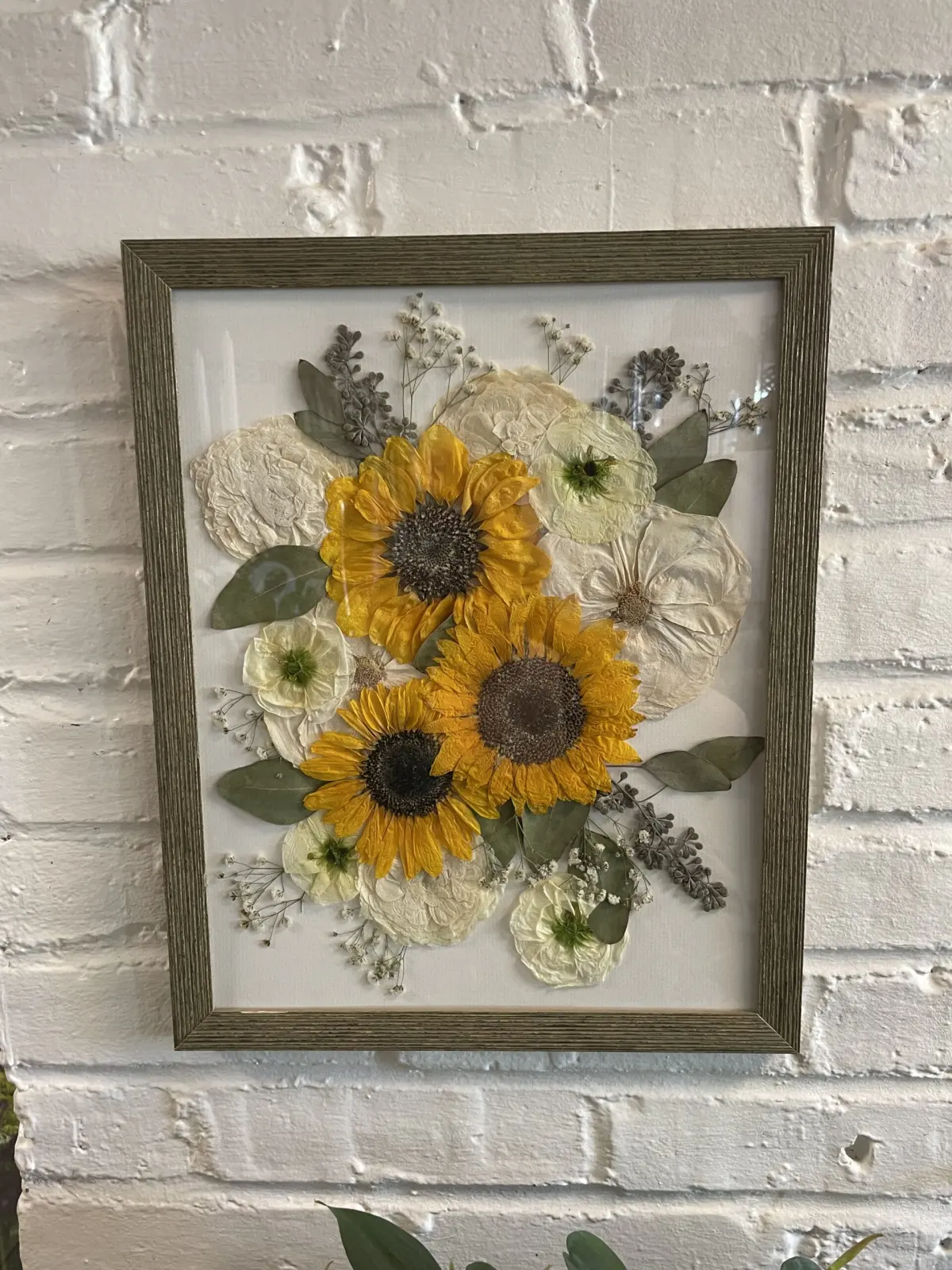
How do you press flowers?
Pressing flowers is the process of flattening and drying botanical specimens between absorbent materials to preserve their shape…
Animals, plants, the human body, space and how the natural world works.
Pressing flowers is the process of flattening and drying botanical specimens between absorbent materials to preserve their shape…
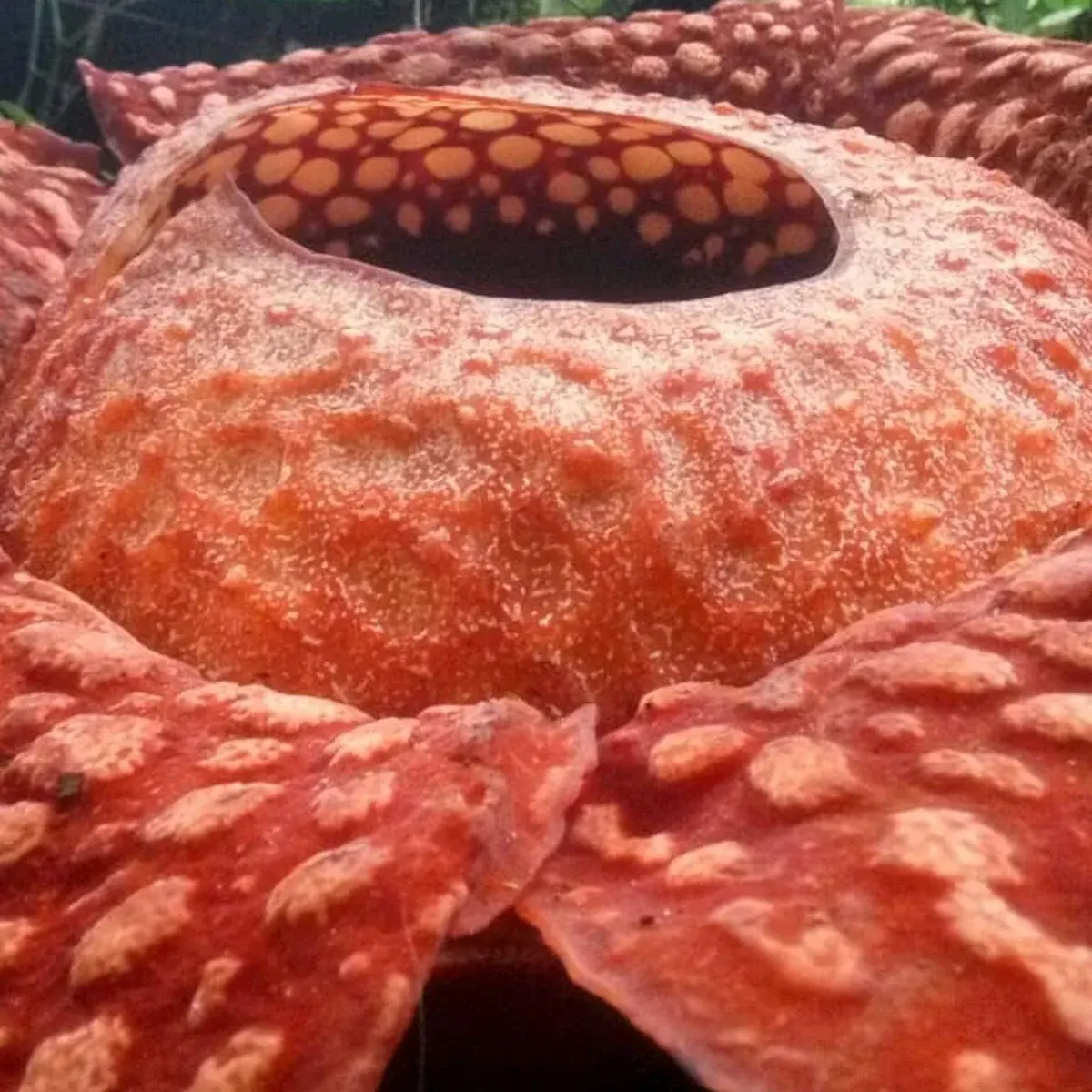
The Rafflesia arnoldii is the largest individual flower in the world. Found in the rainforests of Sumatra and Borneo, this…
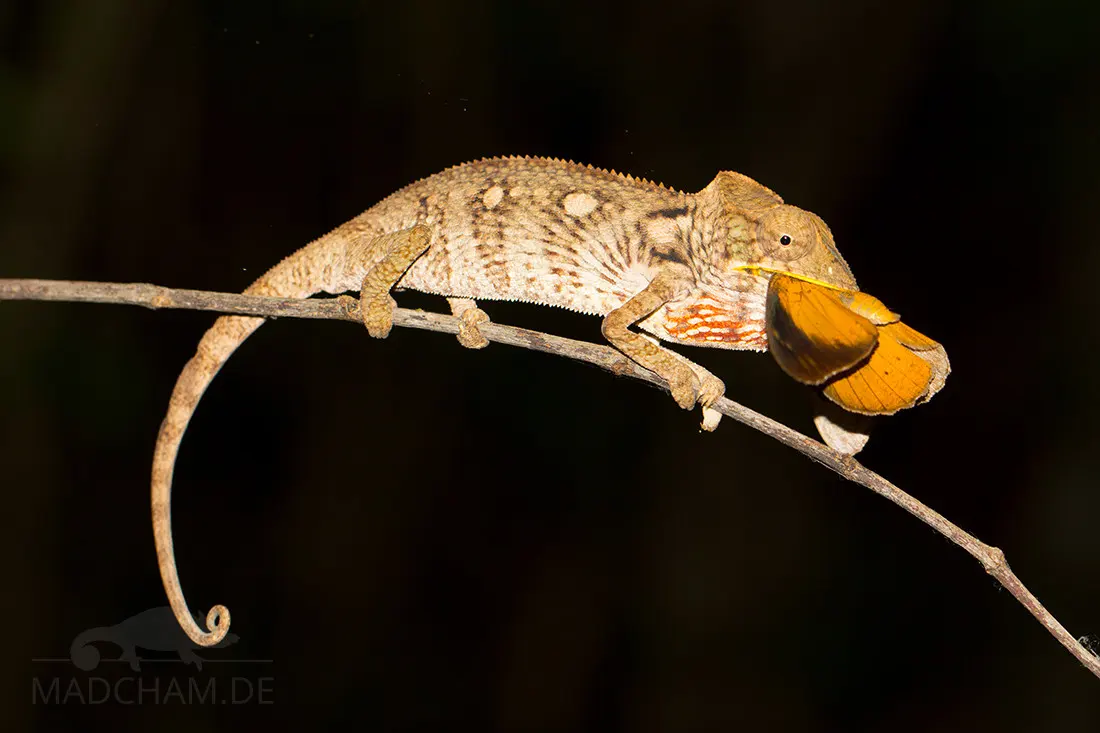
Chameleons are primarily insectivores that consume a wide variety of arthropods, including crickets, locusts, and roaches. While…
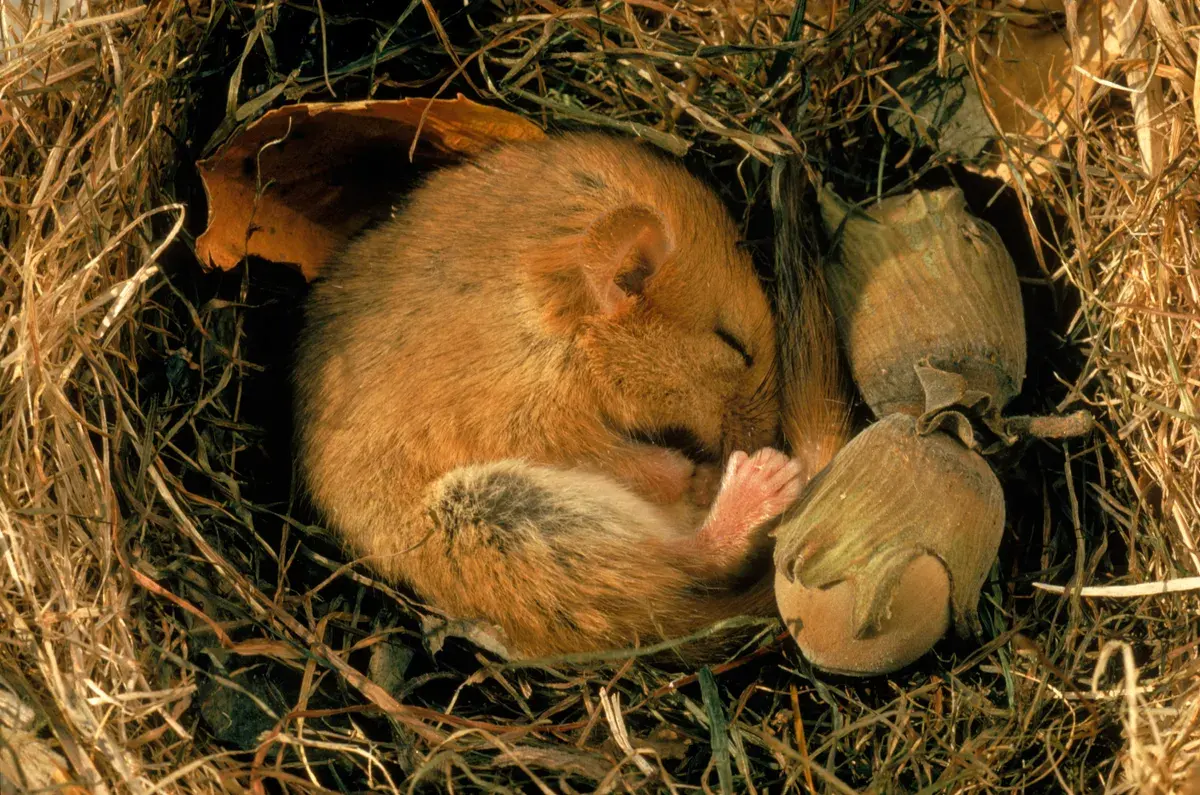
Hibernation is a seasonal state of deep dormancy in animals, characterized by significantly lowered body temperature, slowed…
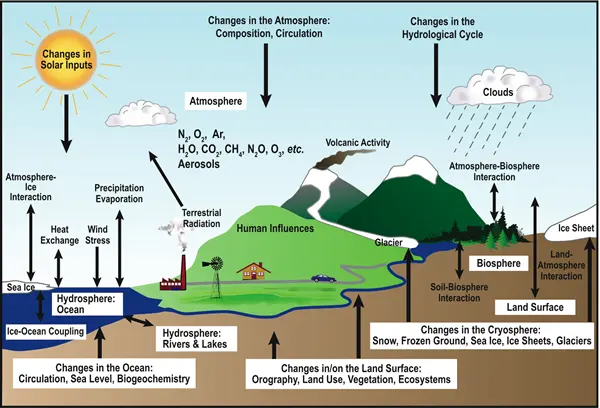
Weather describes the short-term state of the atmosphere, such as rain or sunshine occurring over minutes or days. Climate…
Greenland was named by the Norse explorer Erik the Red around 982 CE. After being exiled from Iceland for manslaughter, he…
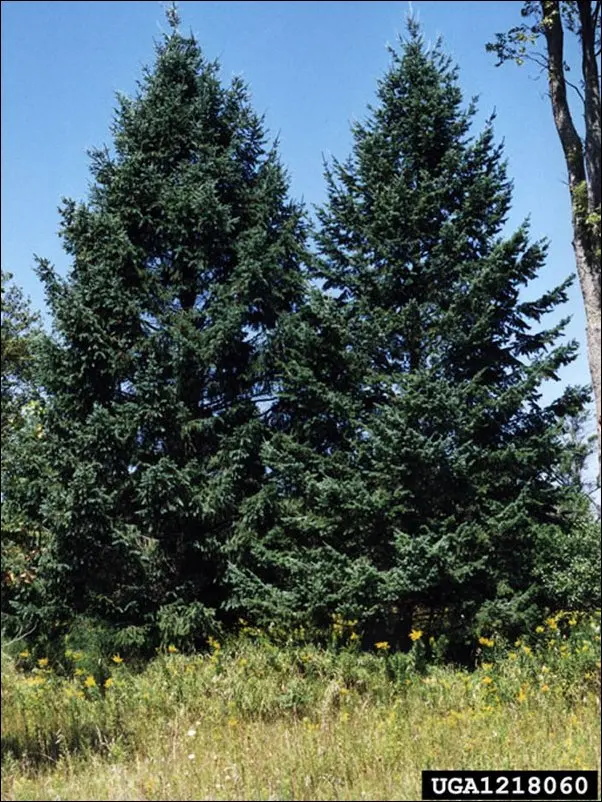
The Douglas fir (Pseudotsuga menziesii) is a massive, long-lived evergreen conifer native to western North America. Despite its…
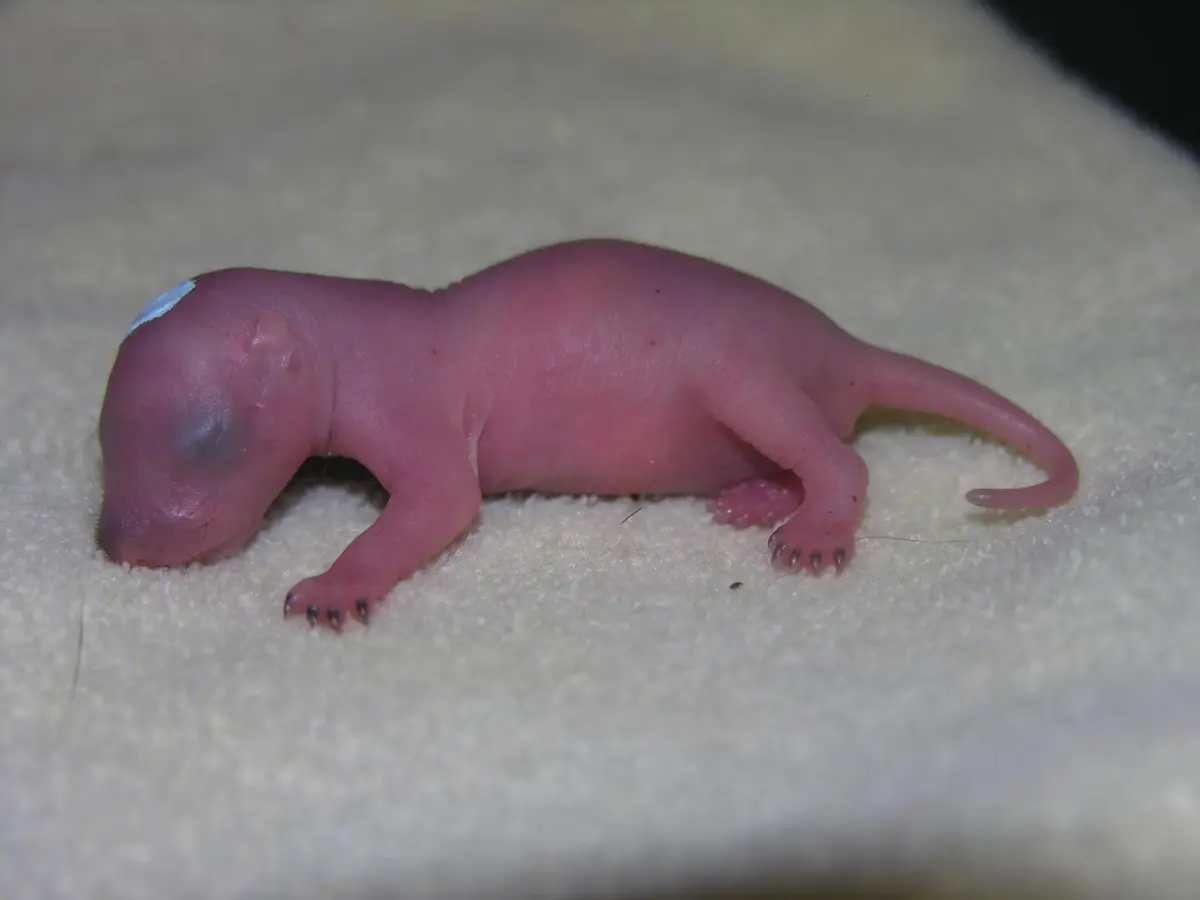
Female squirrels typically give birth to litters ranging from two to five offspring, known as kits or pups. While some species…
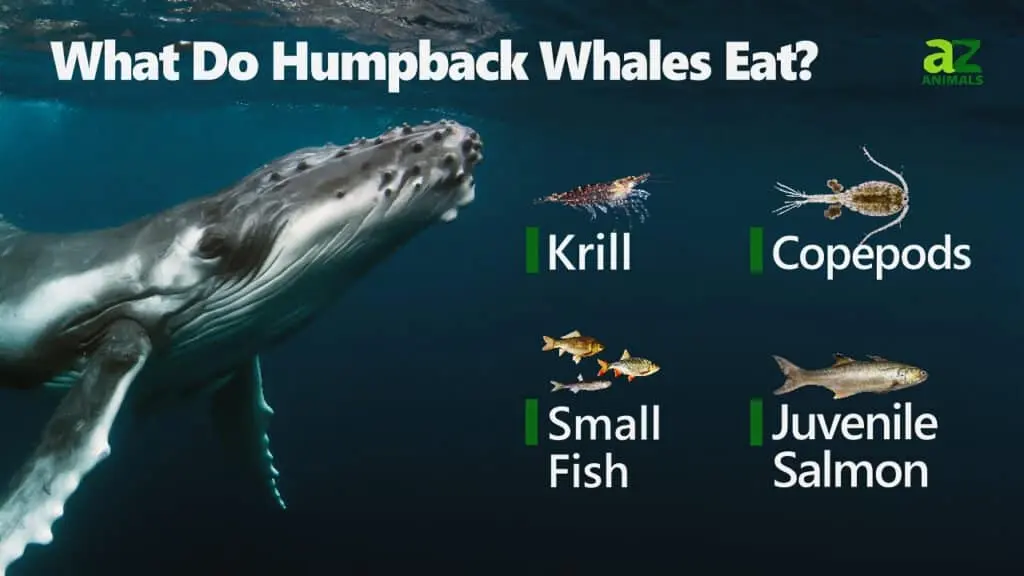
Humpback whales are opportunistic carnivores that primarily consume small schooling fish and tiny crustaceans known as krill…
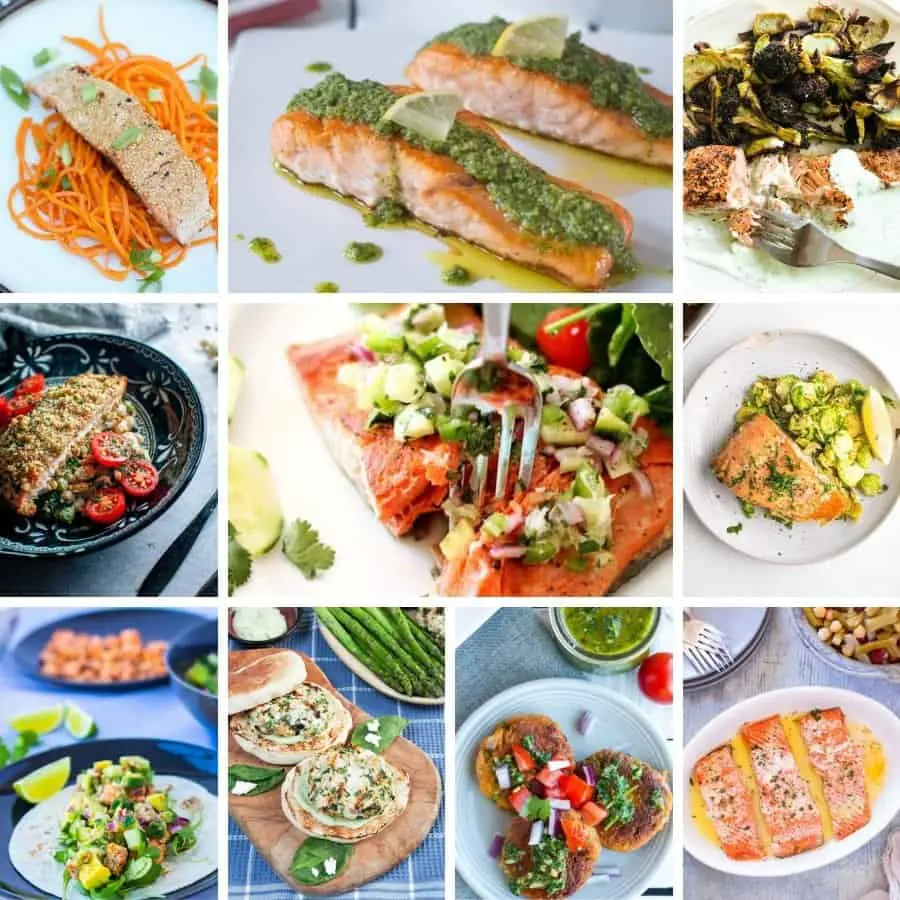
Salmon are opportunistic predators that change their diet based on their life stage and environment. As juveniles in freshwater…
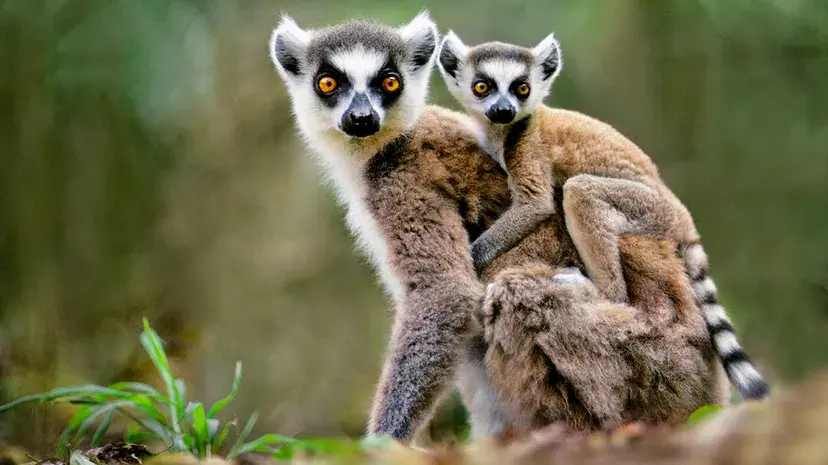
Lemurs typically live between 15 and 25 years in the wild, depending on their specific species and environmental conditions. In…
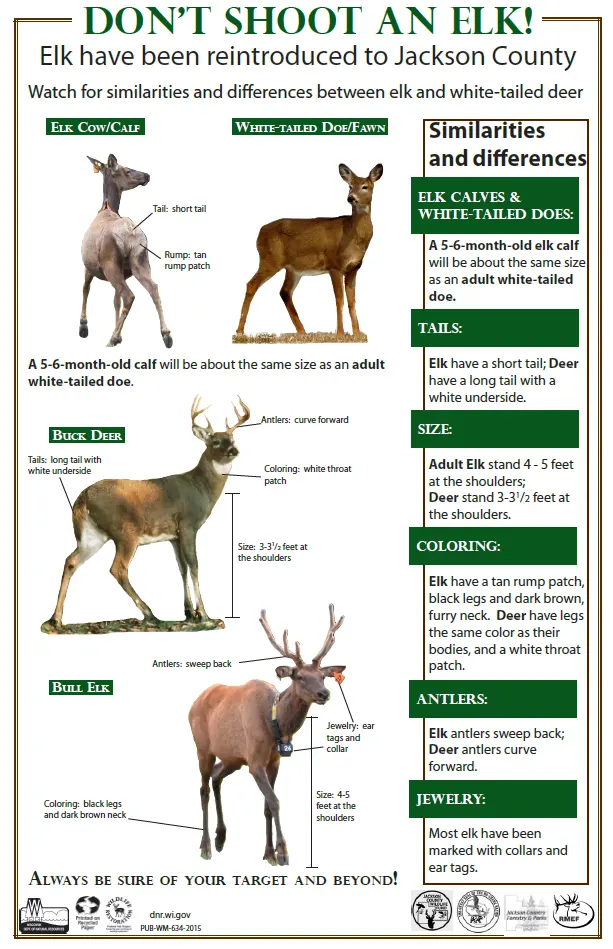
Elk are a specific species of large deer, but they are significantly bigger and heavier than the animals commonly referred to as…

Hydroelectric power generates electricity by converting the kinetic energy of flowing water into mechanical energy. A dam…
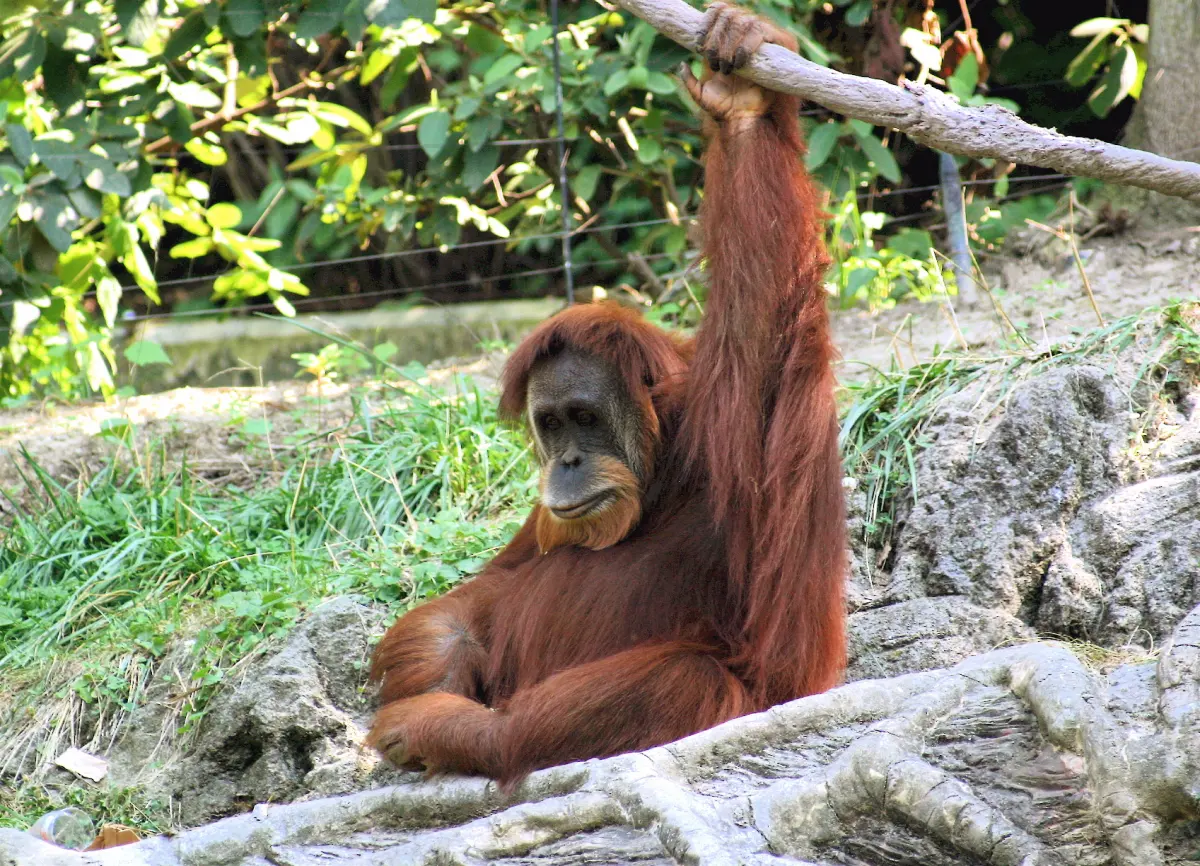
Yes, all three species of orangutans are critically endangered. According to the International Union for Conservation of Nature…
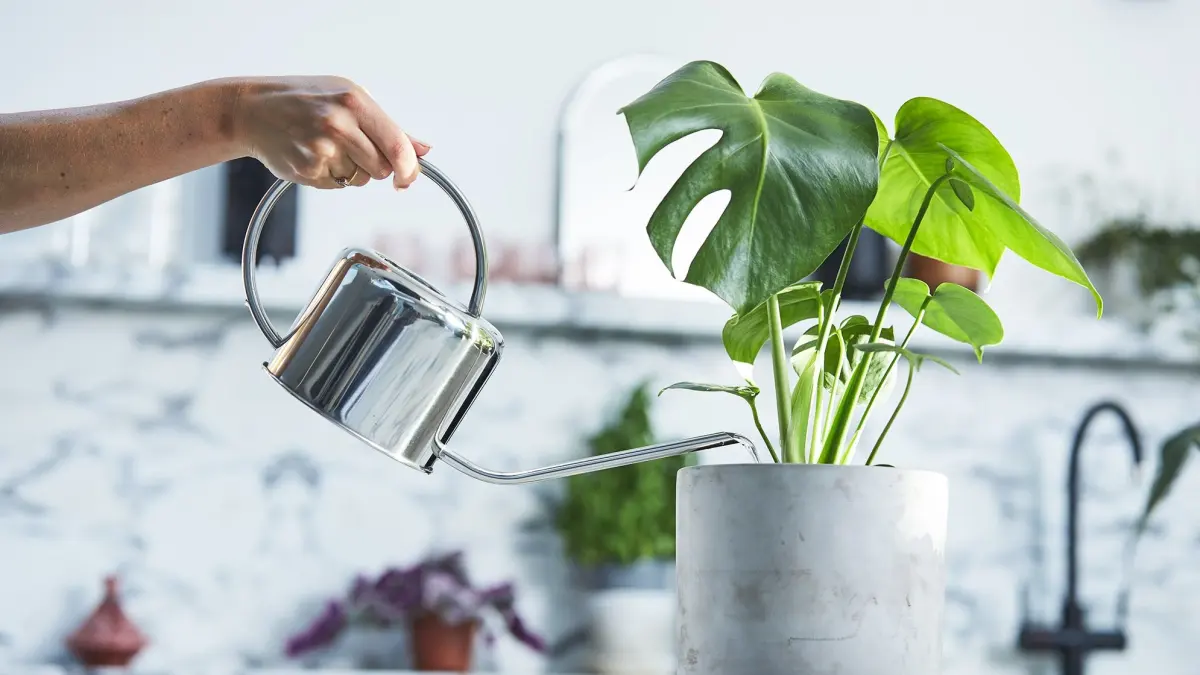
There is no universal schedule for watering houseplants because needs vary by species, light, and humidity. Instead of a…
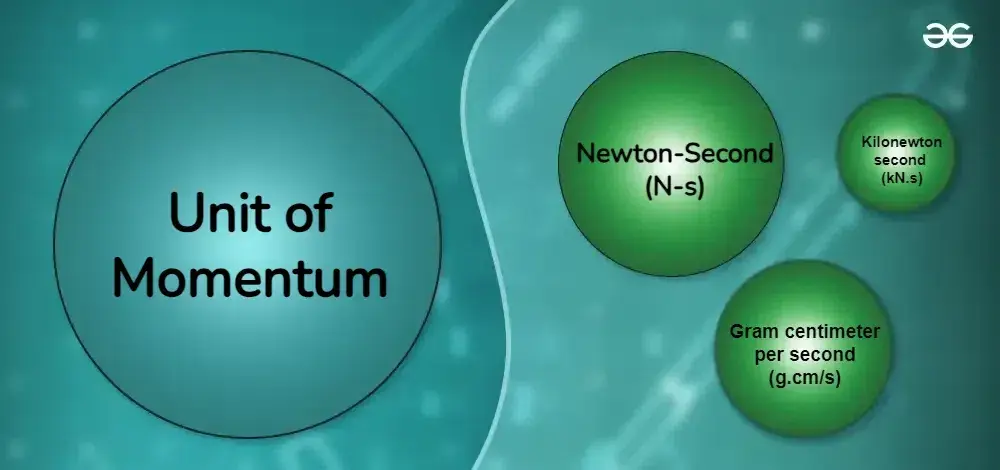
Momentum is a physical quantity defined as the product of an object's mass and its velocity. Represented by the symbol "p," it…
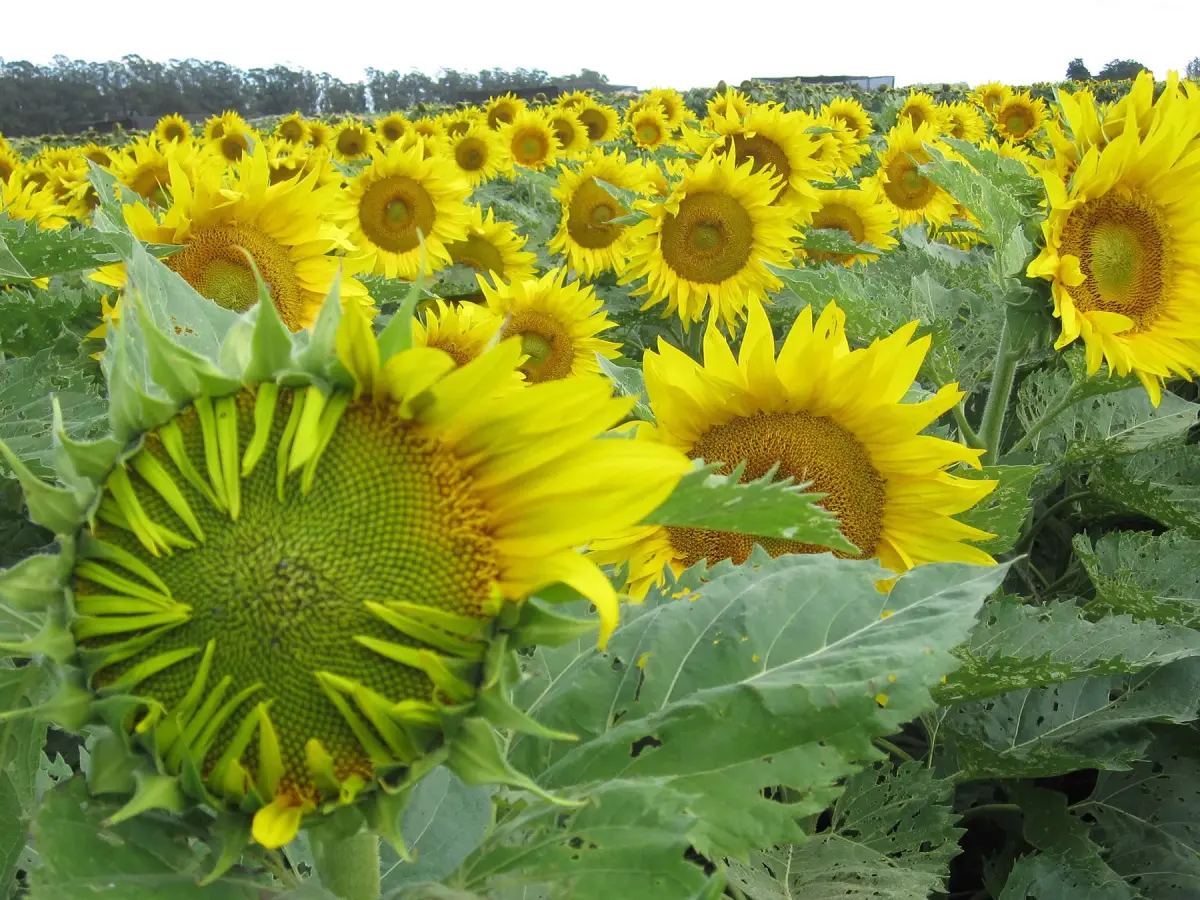
Sunflowers follow the sun through a process called heliotropism, driven by their internal circadian clock. Young sunflowers…
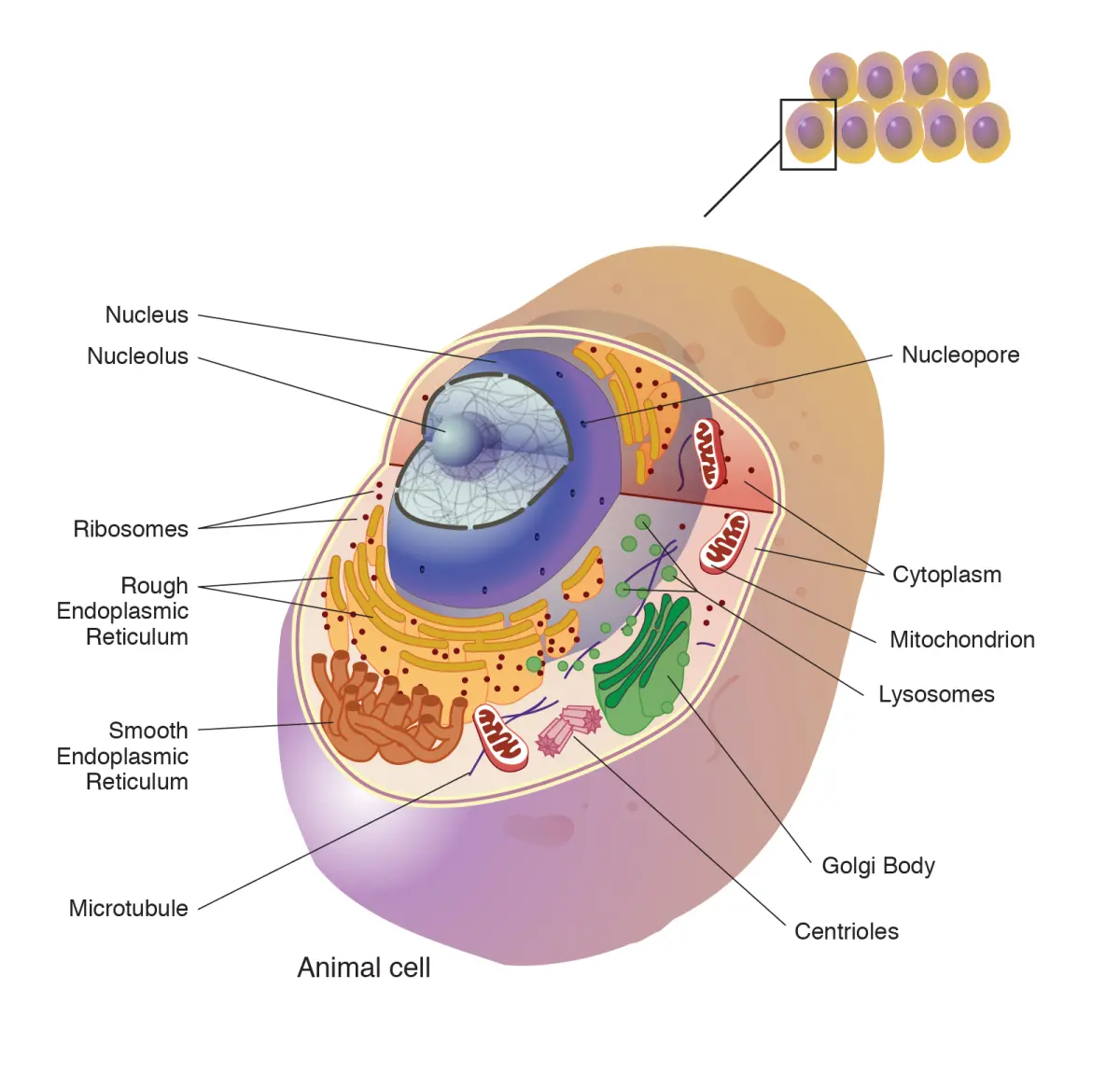
A cell is the fundamental structural and functional unit of all living organisms. Often described as the building block of life…

Scorpions typically live between three and eight years in the wild, though some species can survive for up to 15 years in…
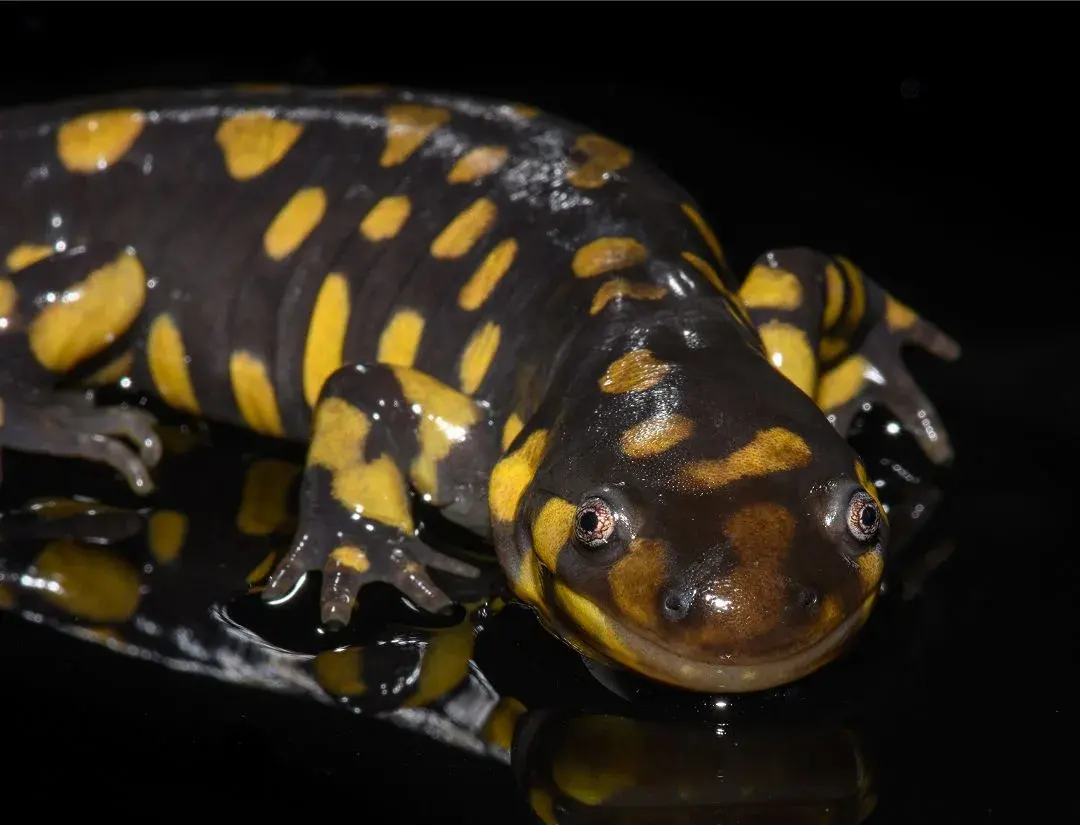
Salamander lifespans vary significantly depending on the species, environment, and size. While small species may live only five…
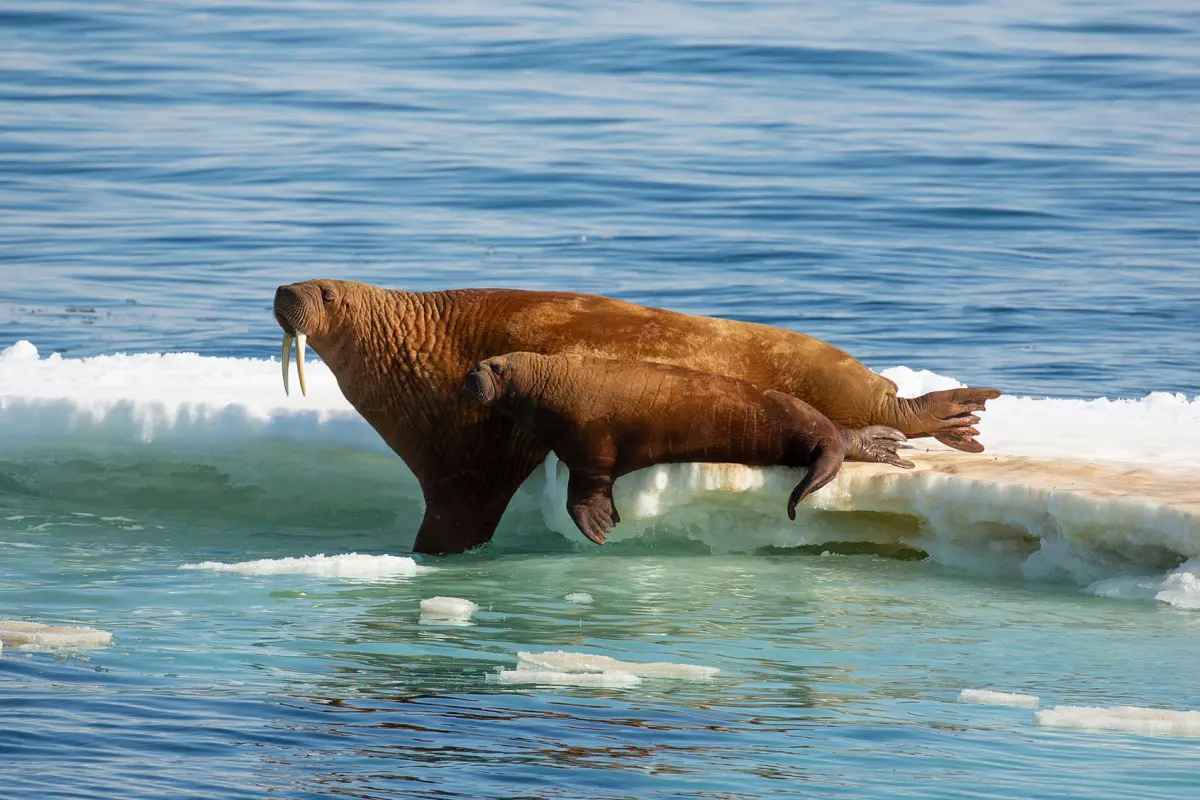
Walruses live exclusively in the cold, shallow waters of the Northern Hemisphere, primarily within the Arctic Circle. They…
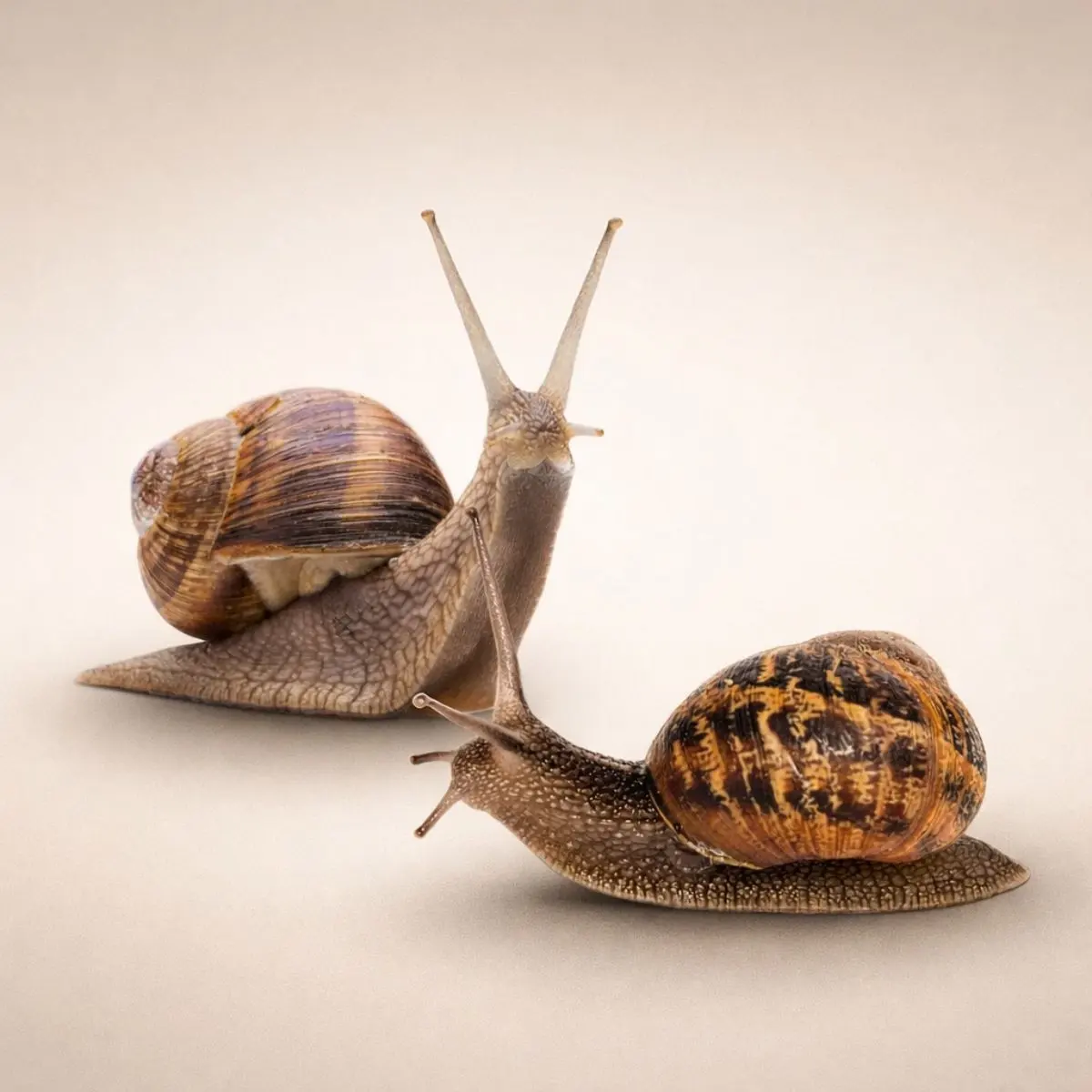
Snails inhabit diverse environments across the globe, ranging from deep ocean trenches to arid deserts and lush tropical…
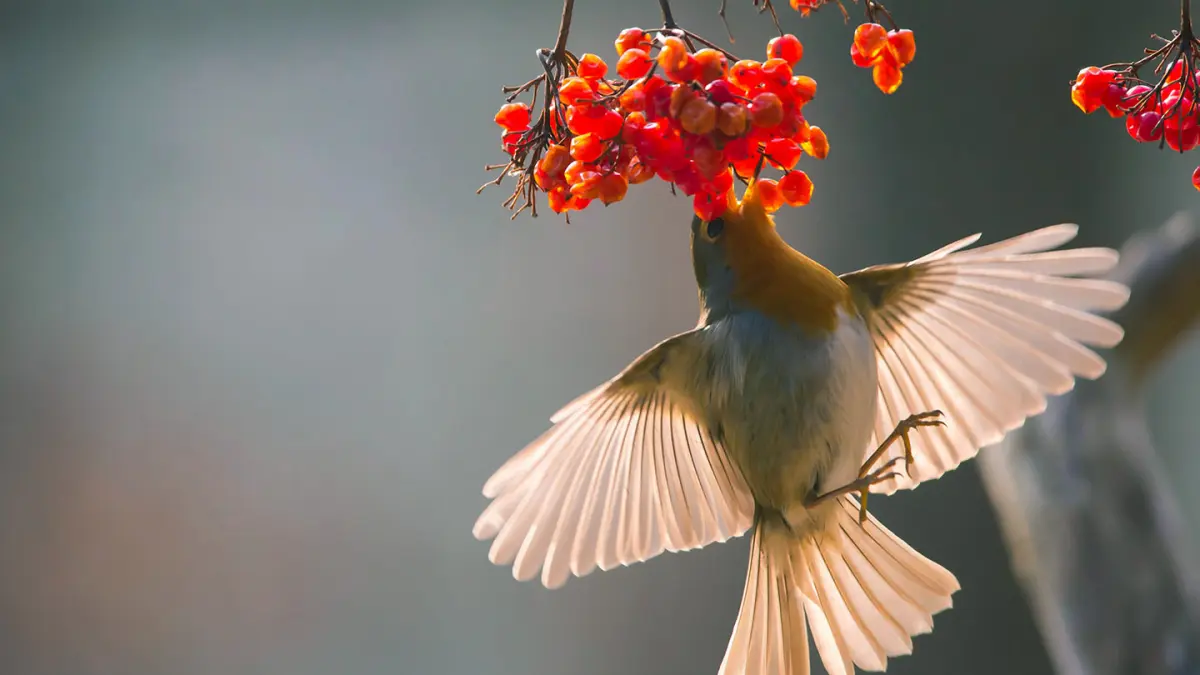
American robins are omnivorous birds that primarily consume invertebrates and fruits. During spring and summer, they forage for…
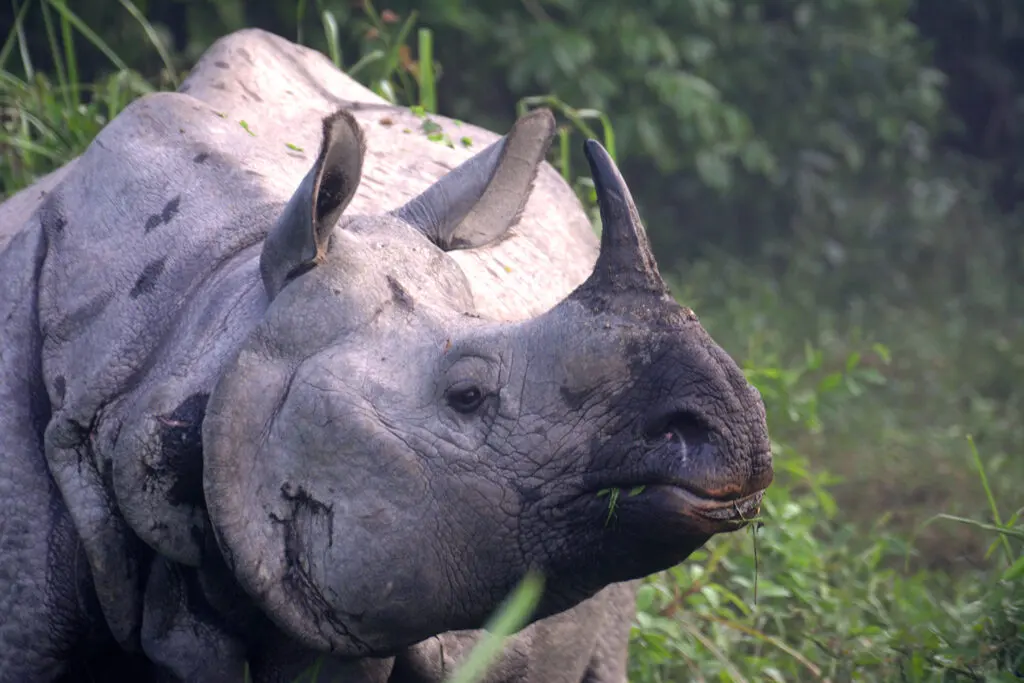
Rhinoceroses are strictly herbivorous mammals that consume a variety of plant matter depending on their specific species. While…