Science & Nature
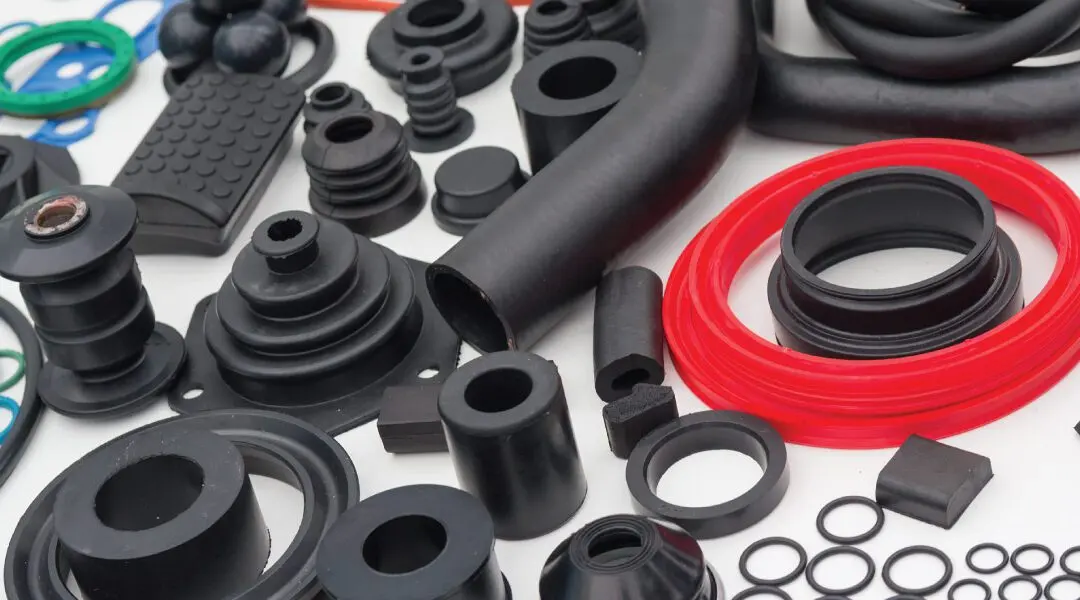
How is rubber made?
Rubber is produced through two primary methods: harvesting natural latex from Hevea brasiliensis trees or synthesizing it from…
Animals, plants, the human body, space and how the natural world works.
Rubber is produced through two primary methods: harvesting natural latex from Hevea brasiliensis trees or synthesizing it from…
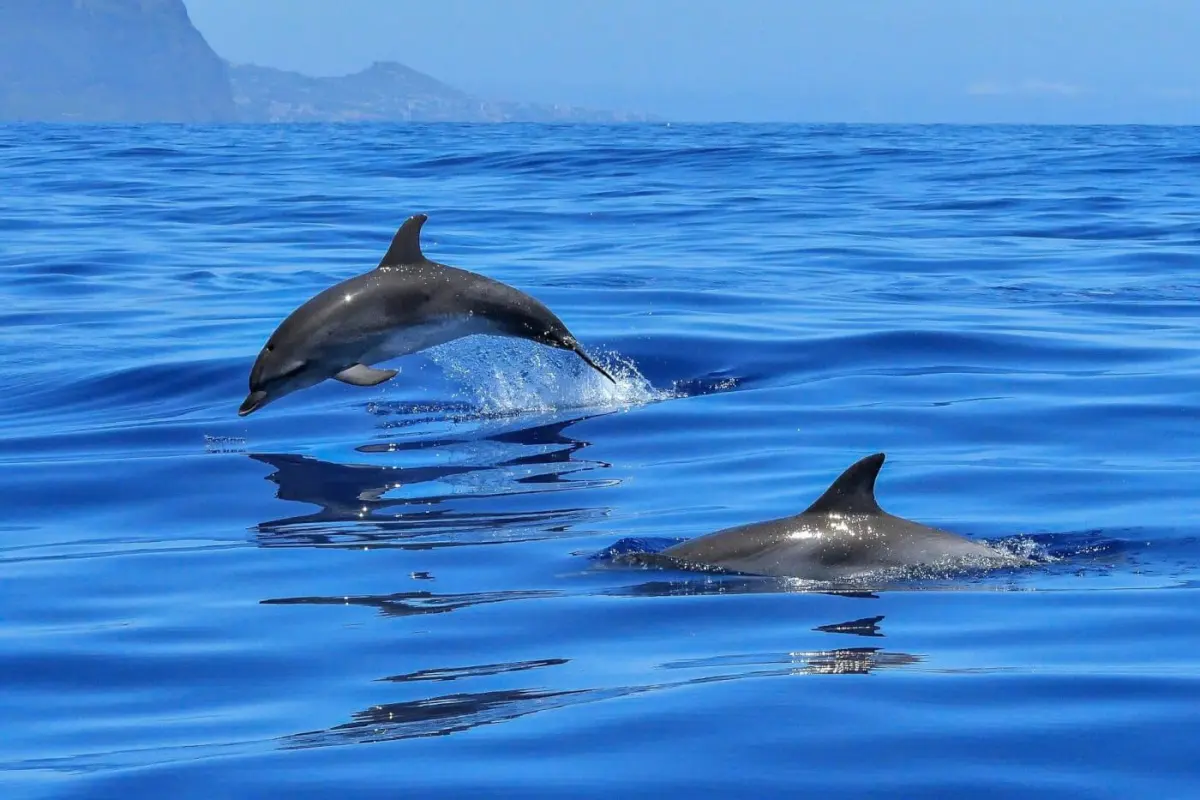
Dolphin lifespans vary significantly by species, ranging from approximately 20 years for smaller species to over 50 years for…
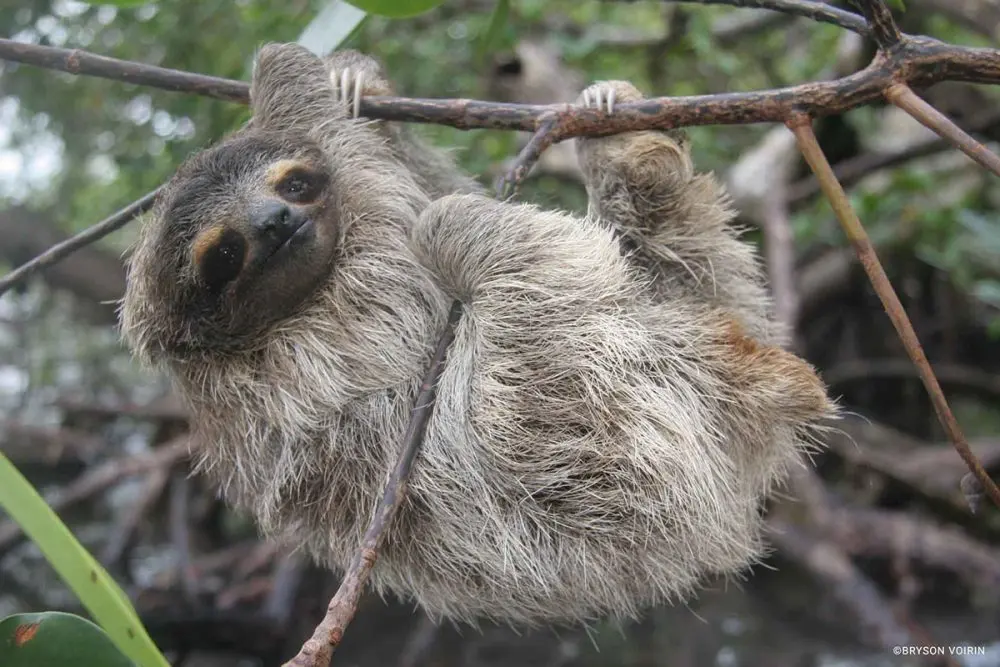
Sloths are not a single species, and their conservation status varies significantly. While some sloths are classified as Least…
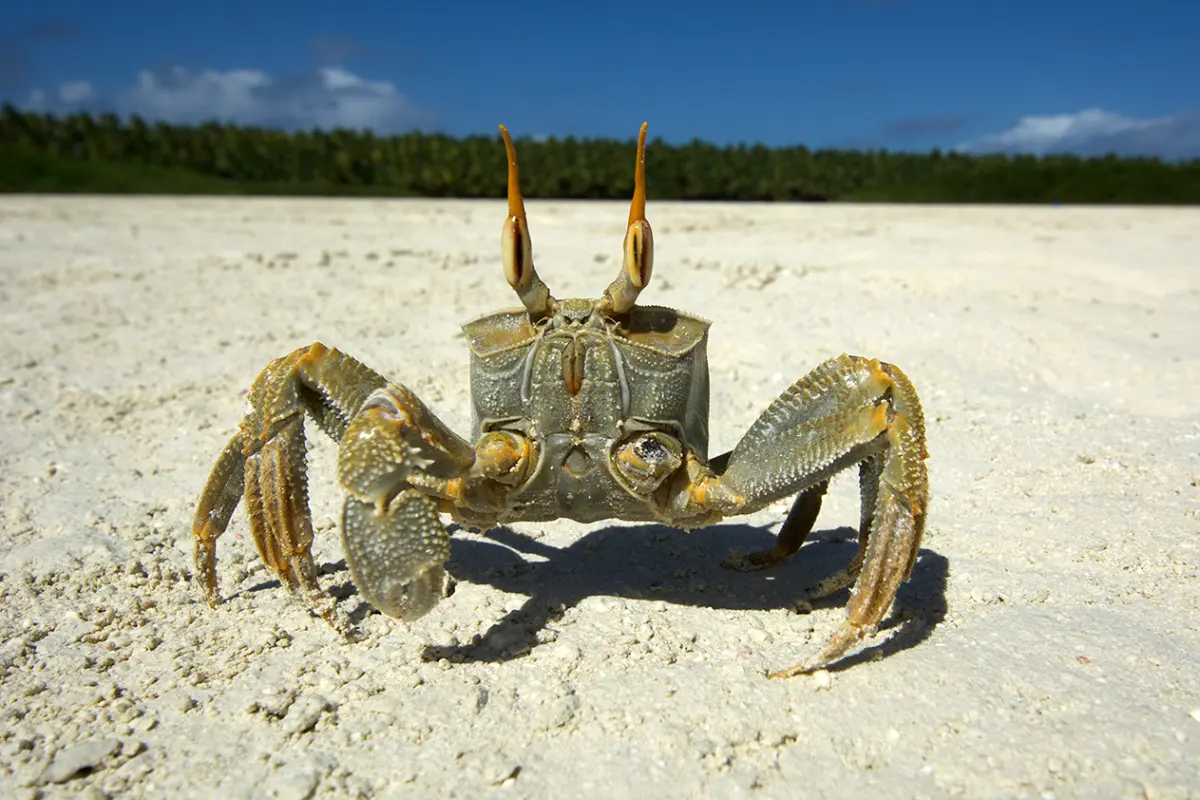
Crab lifespans vary significantly depending on the species, ranging from as little as one year to over 100 years. Small species…
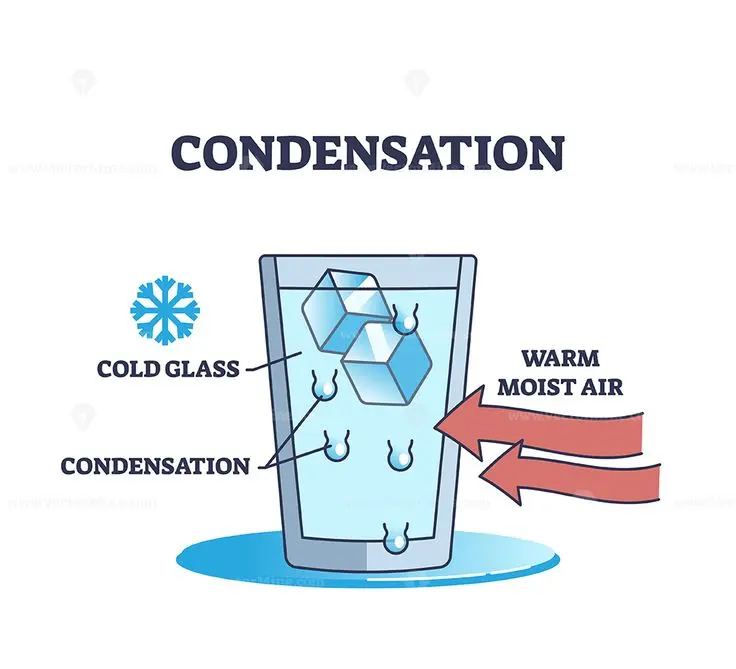
Condensation is the physical process where a substance changes from a gaseous state into a liquid state. This occurs when water…
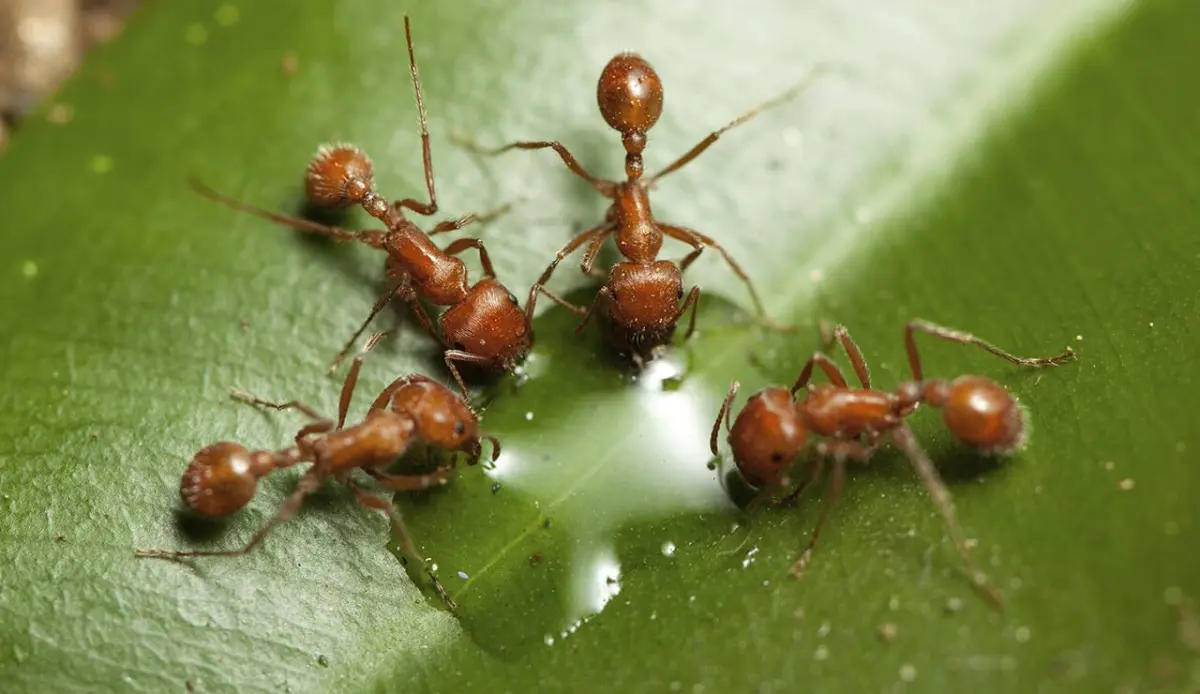
Ants live almost everywhere on Earth, inhabiting every continent except Antarctica. They thrive in diverse ecosystems ranging…
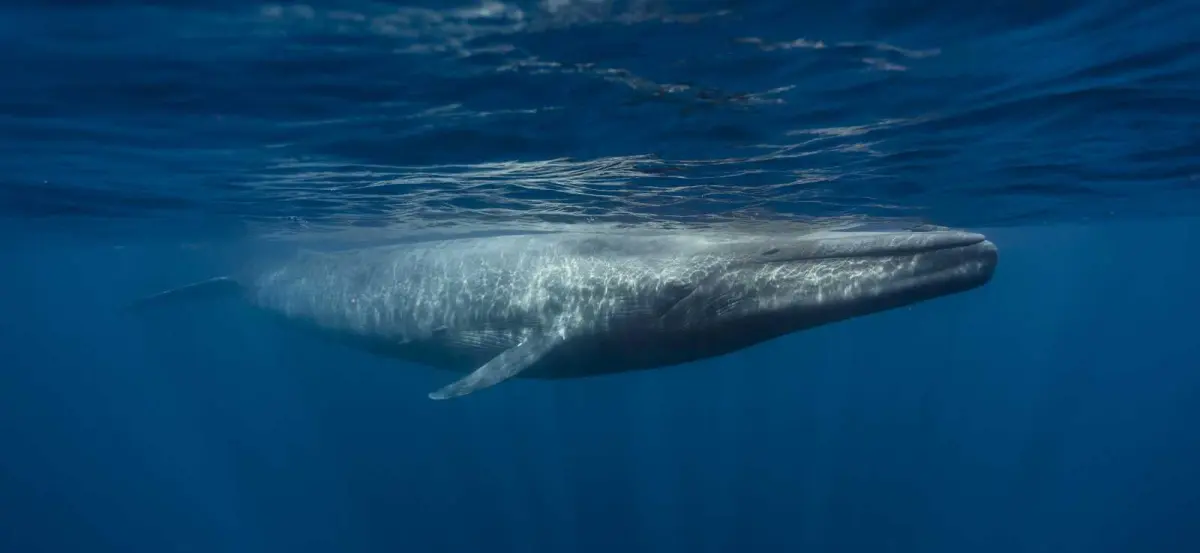
Blue whales inhabit every ocean on Earth except the Arctic. These massive mammals are migratory, typically spending summers in…
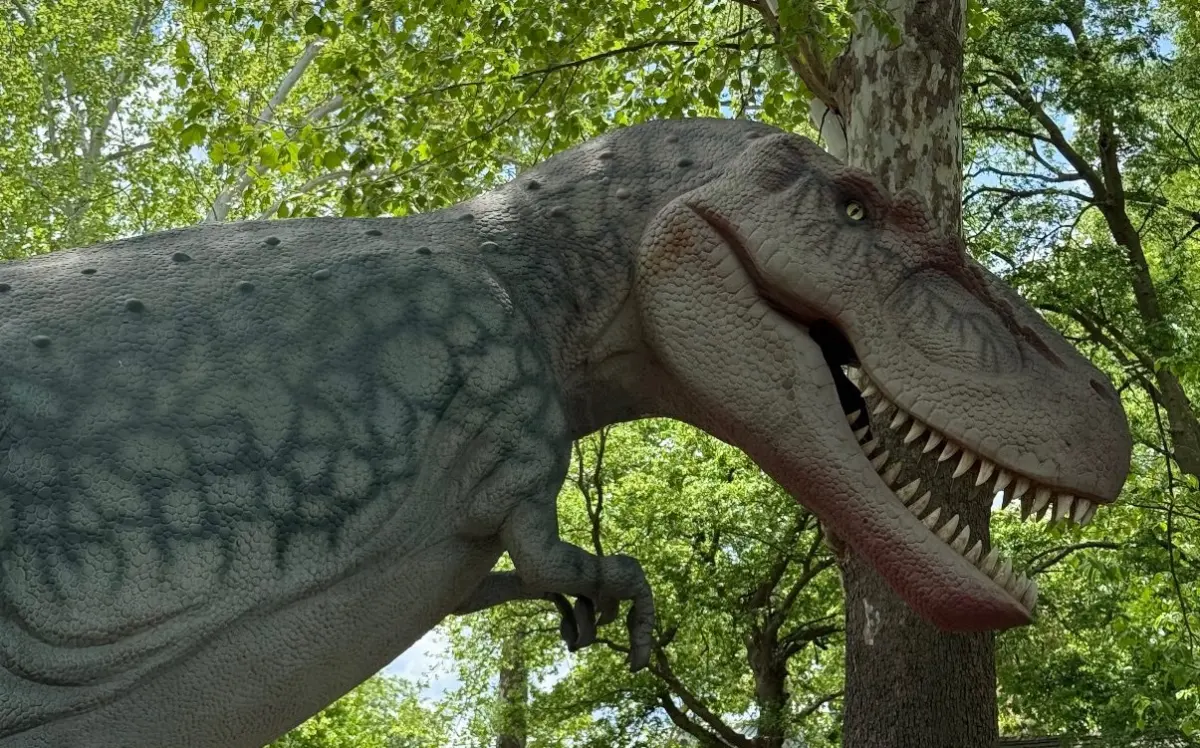
Dinosaurs lived during the Mesozoic Era, spanning approximately 186 million years. They first appeared during the Triassic…
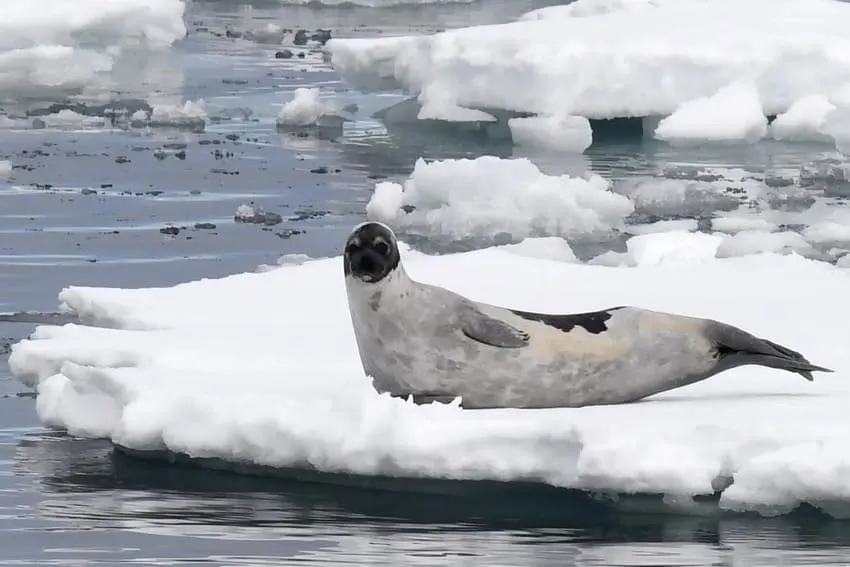
Most seal species live between 15 and 30 years in the wild. Smaller species, such as the ringed seal, often have shorter…
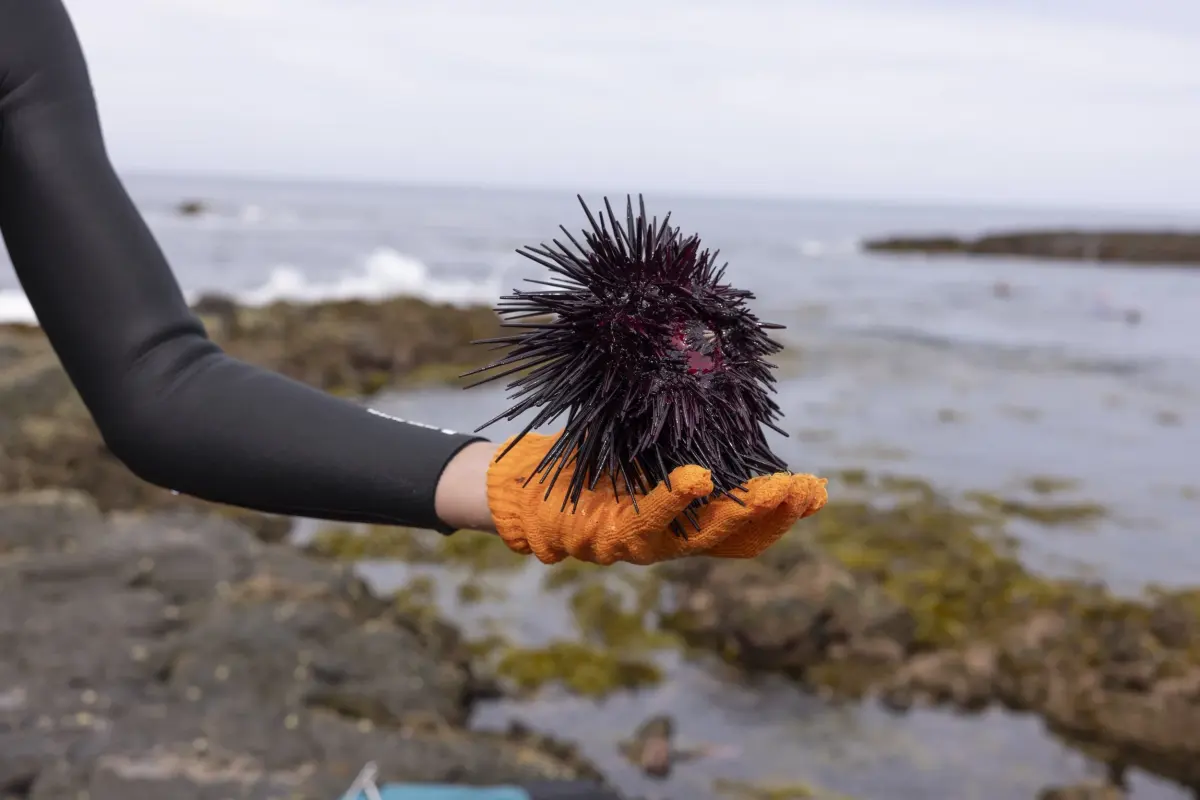
Sea urchins inhabit every ocean on Earth, ranging from shallow tide pools to the deepest abyssal plains. They thrive in diverse…
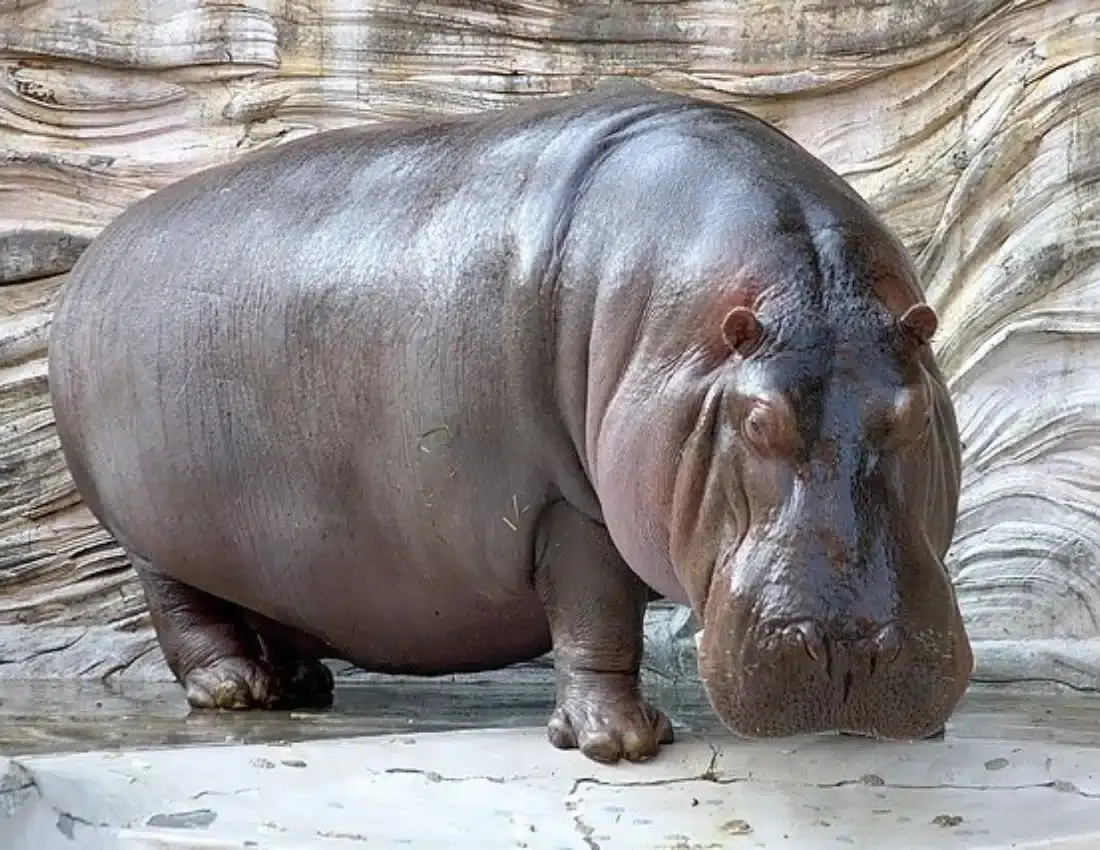
The dung beetle (Onthophagus taurus) holds the title for the strongest animal relative to its body weight, capable of pulling…
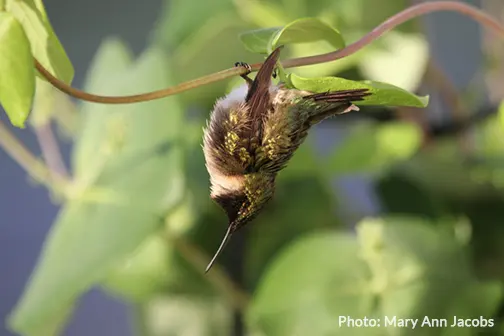
Hummingbirds primarily consume floral nectar for high-energy sugar, supplemented by small insects and spiders for essential…
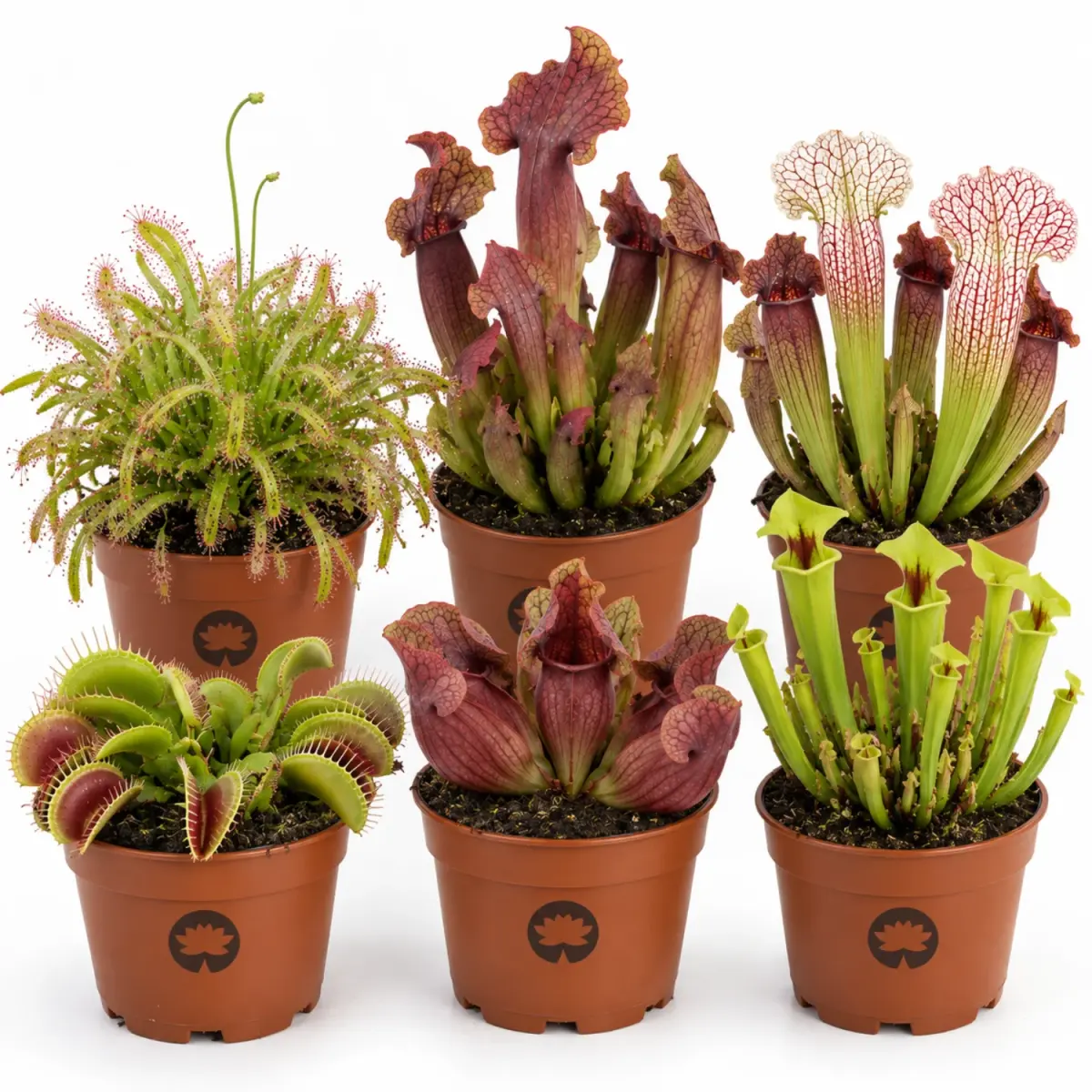
A carnivorous plant is a botanical organism that derives some or most of its nutrients from trapping and consuming animals or…
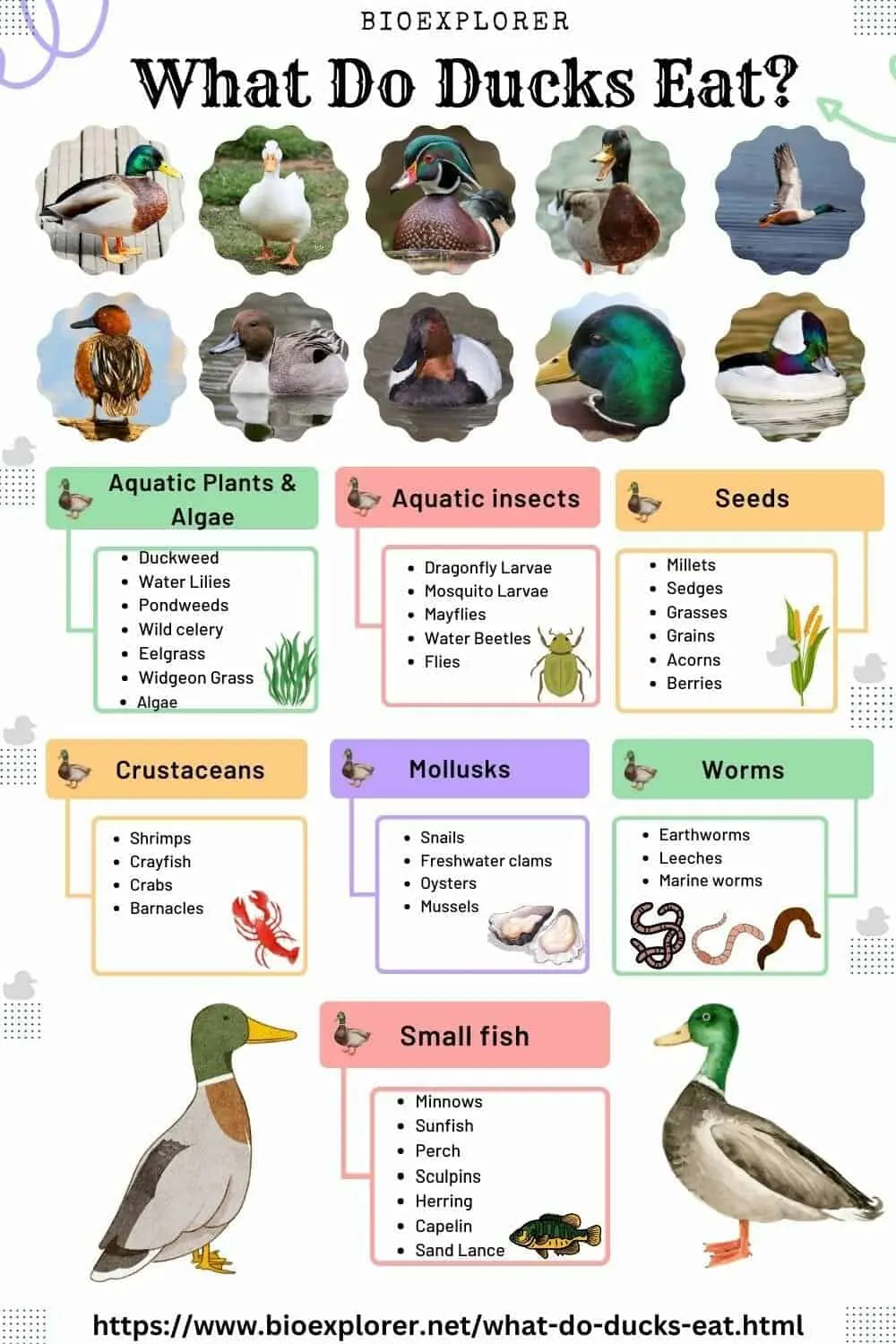
Ducks are opportunistic omnivores that consume a diverse diet of aquatic plants, seeds, grasses, insects, crustaceans, and small…
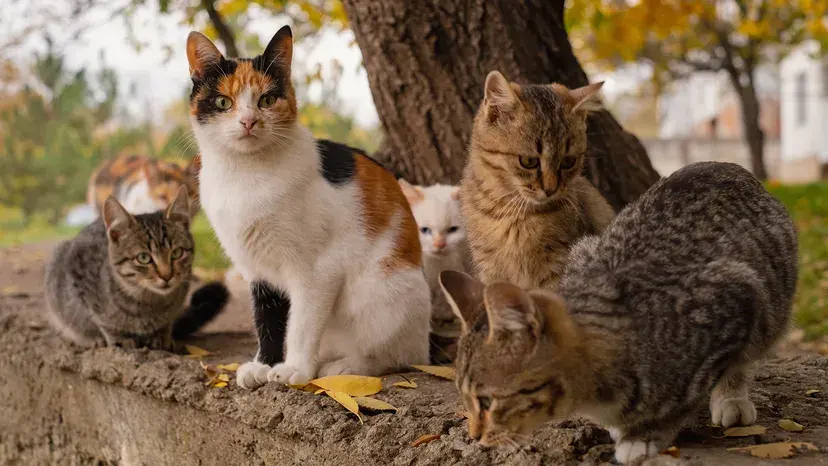
A group of cats is most commonly called a clowder. While this is the standard term, other collective nouns exist depending on…
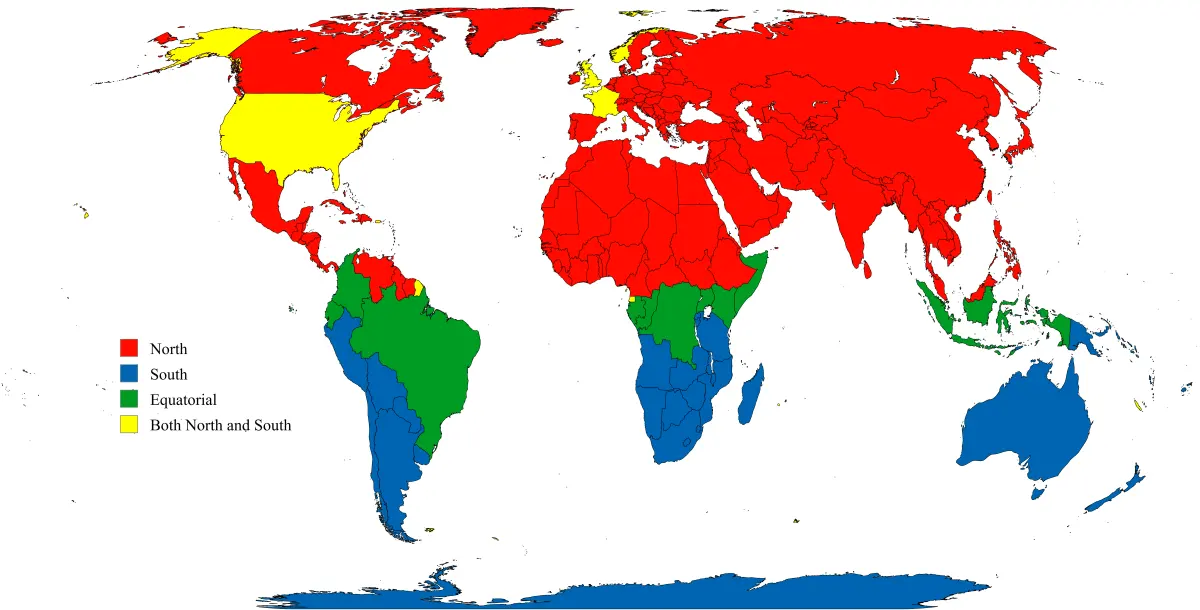
The equator is an imaginary line encircling the Earth, positioned exactly halfway between the North and South Poles. It divides…
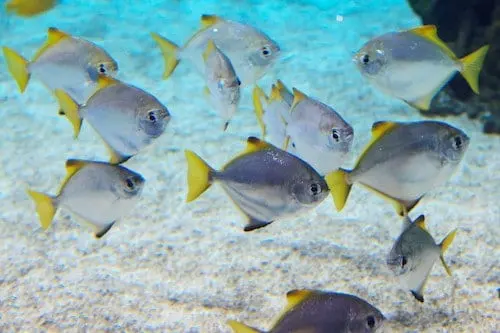
A group of fish is most commonly called a school. When fish swim together in a synchronized, coordinated fashion, the term is…

Birdwatching improves mental well-being by fostering mindfulness and reducing stress through connection with nature. It…
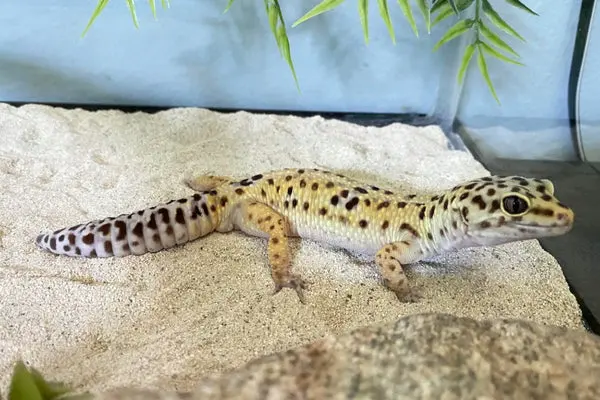
Geckos typically live between 5 and 20 years, depending heavily on the species and their environment. While small species like…
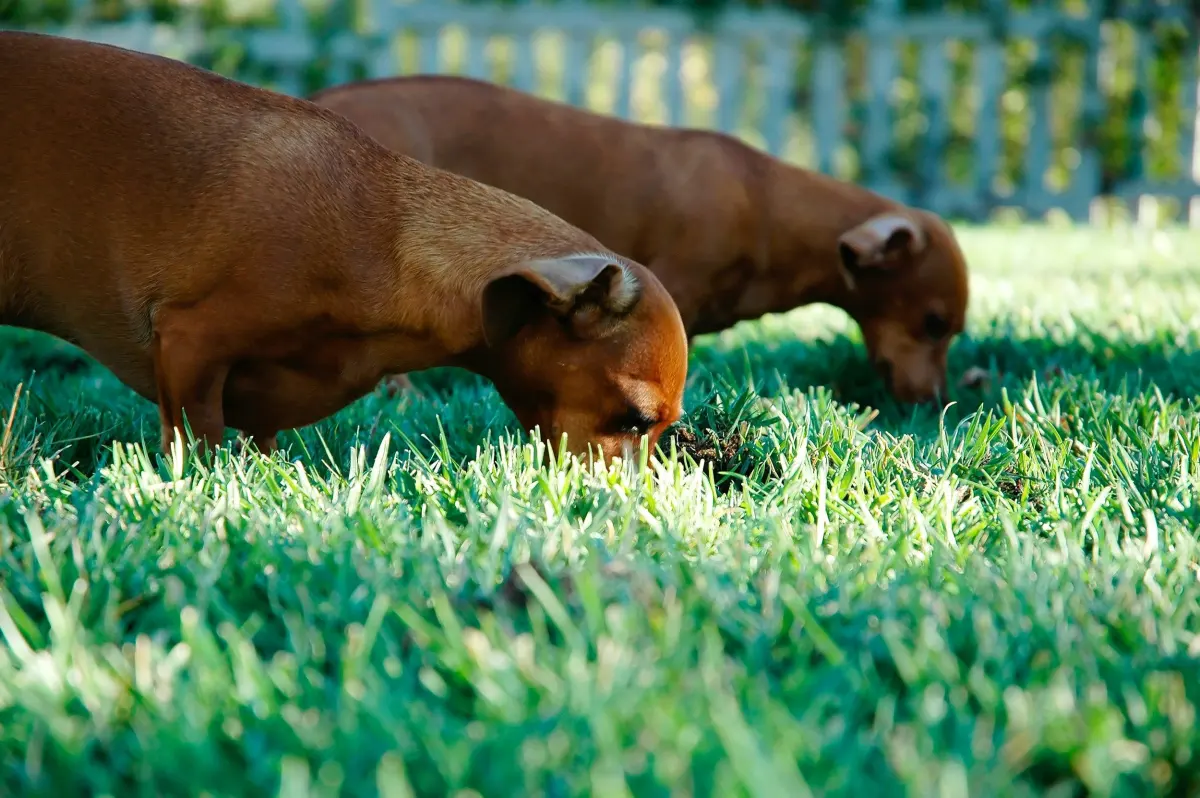
Dogs eat grass primarily due to instinctual behavior rather than nutritional deficiency or illness. While some owners believe it…
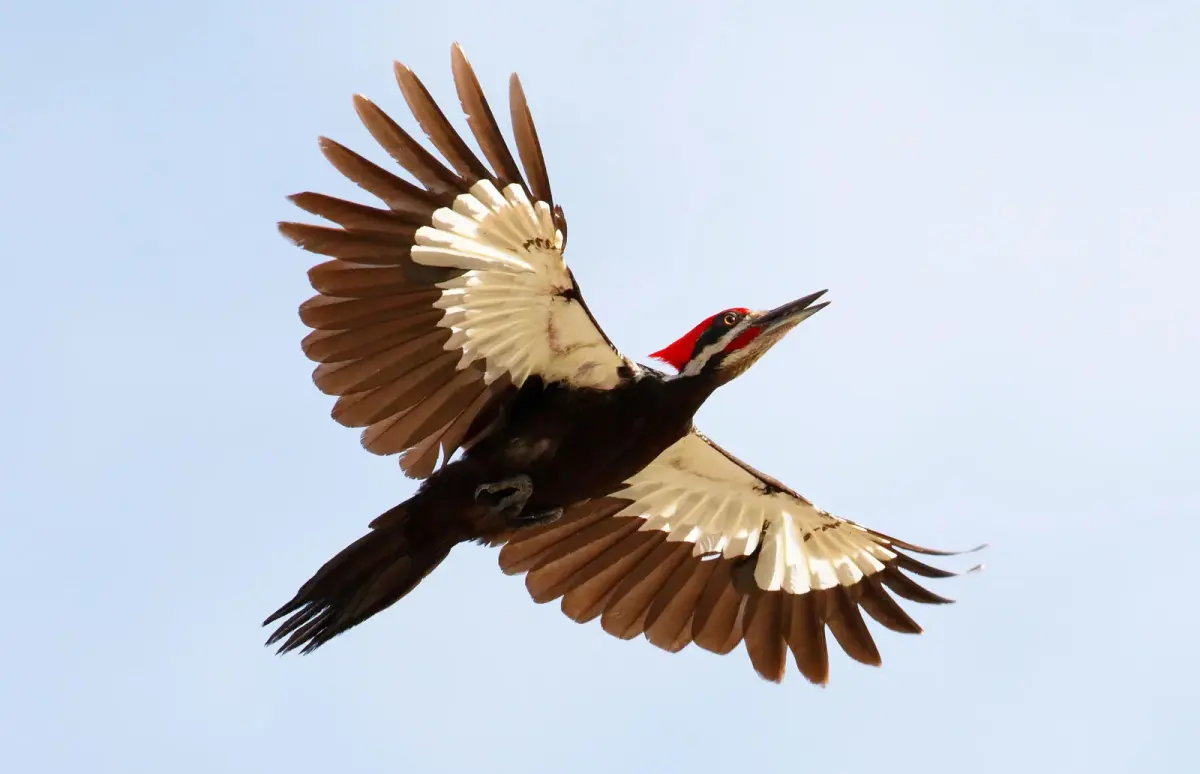
Woodpeckers range significantly in size, from the sparrow-sized piculets to the crow-sized pileated woodpecker. Most species…

The tradition of the Christmas tree originated in early modern Germany, evolving from medieval mystery plays featuring "paradise…
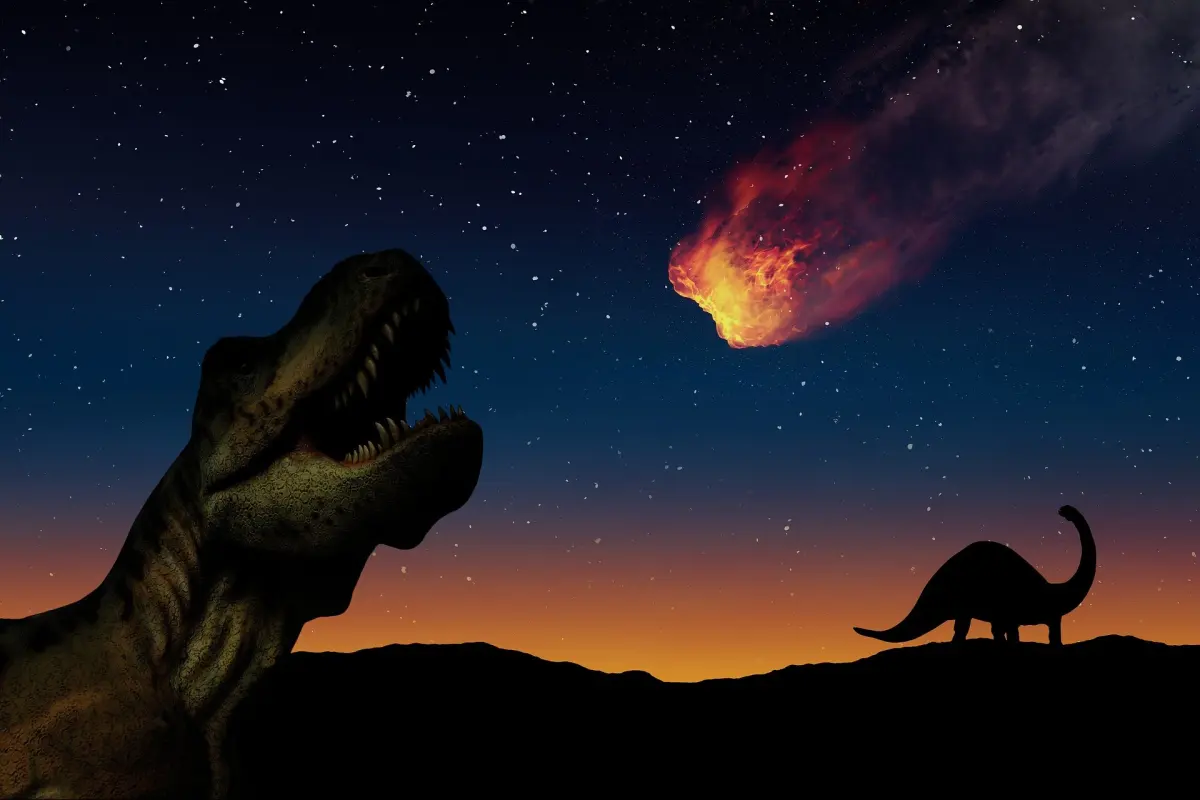
Dinosaurs, excluding birds, went extinct approximately 66 million years ago due to the Cretaceous-Paleogene (K-Pg) extinction…
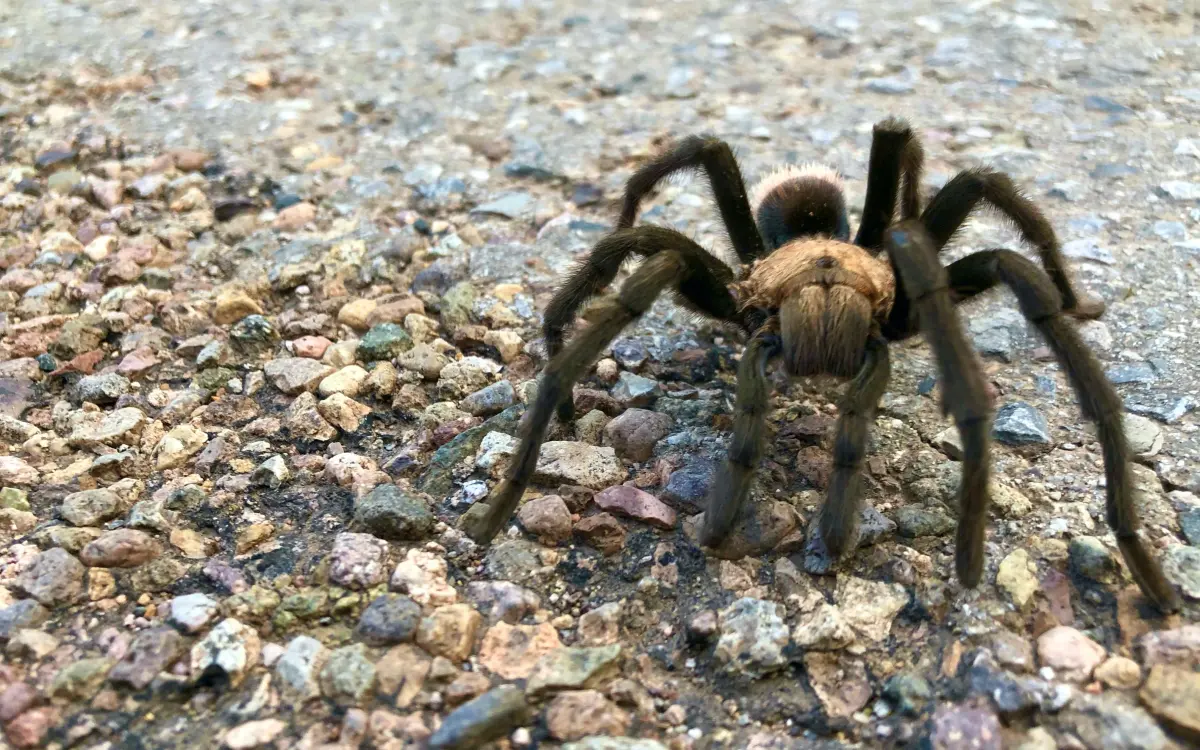
Tarantulas live for a surprisingly long time, with lifespans varying significantly by species and sex. Females typically live…