What is the difference between a wolf and a coyote?
Short answer
Wolves and coyotes are distinct members of the Canidae family, differing primarily in size, social structure, and physical anatomy. Wolves are significantly larger, weighing 70 to 150 pounds, while coyotes typically weigh 20 to 50 pounds. Wolves hunt in packs to take down large prey, whereas coyotes are solitary hunters or pair up for smaller game.
On this page
How to tell a wolf and a coyote apart by size and build
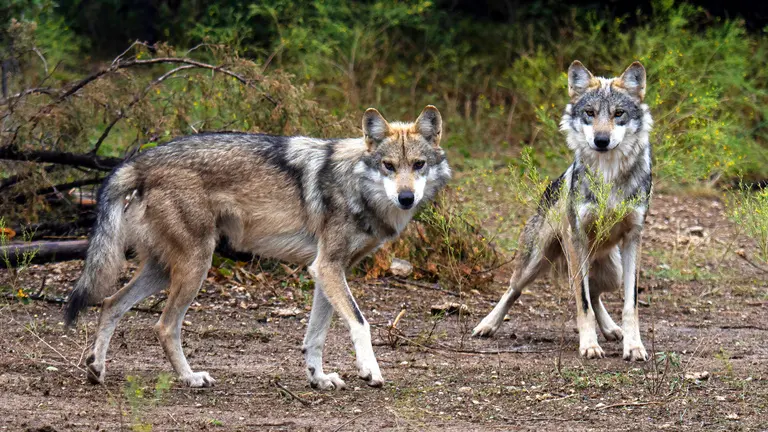
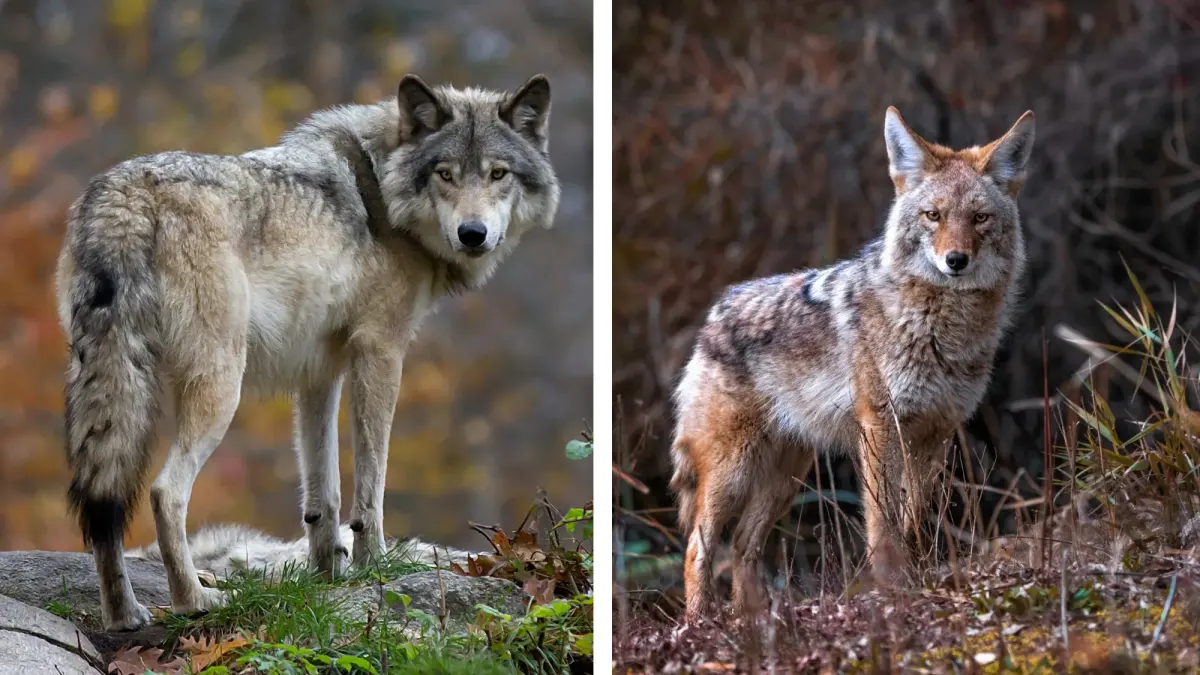
The most immediate way to distinguish between these two canines is their physical stature. A gray wolf is built like a powerful athlete, standing roughly 26 to 32 inches at the shoulder with a broad chest and large, heavy paws. Their heads are massive in proportion to their bodies, featuring thick, rounded ears and a blunt, blocky muzzle. In contrast, coyotes are much smaller and leaner, standing about 21 to 24 inches at the shoulder.
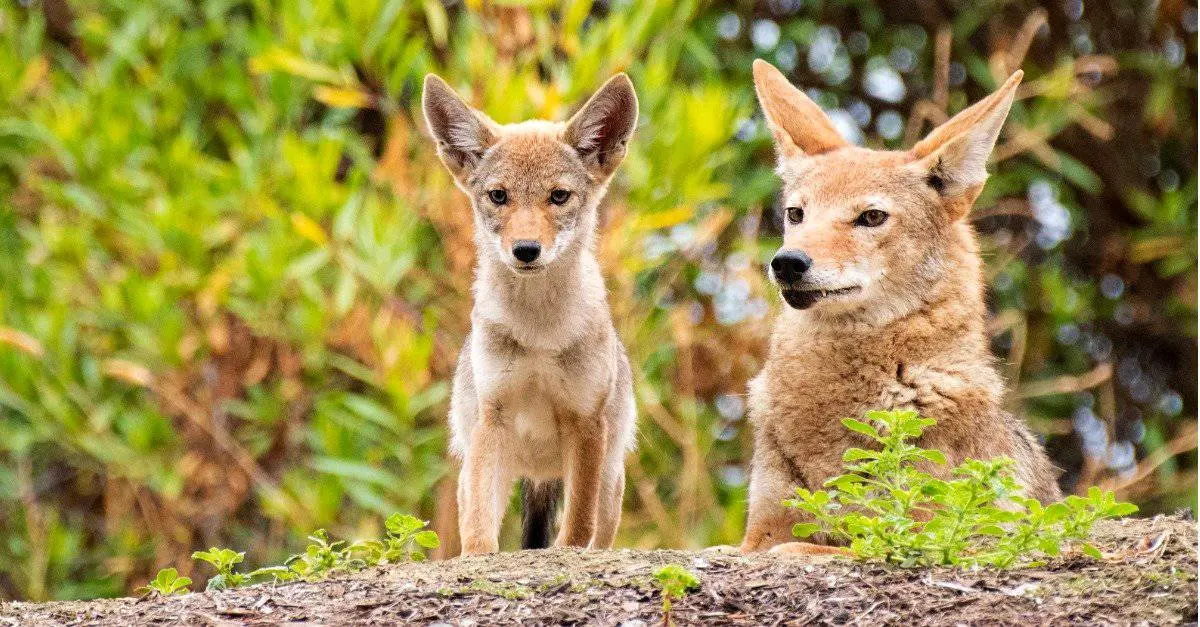
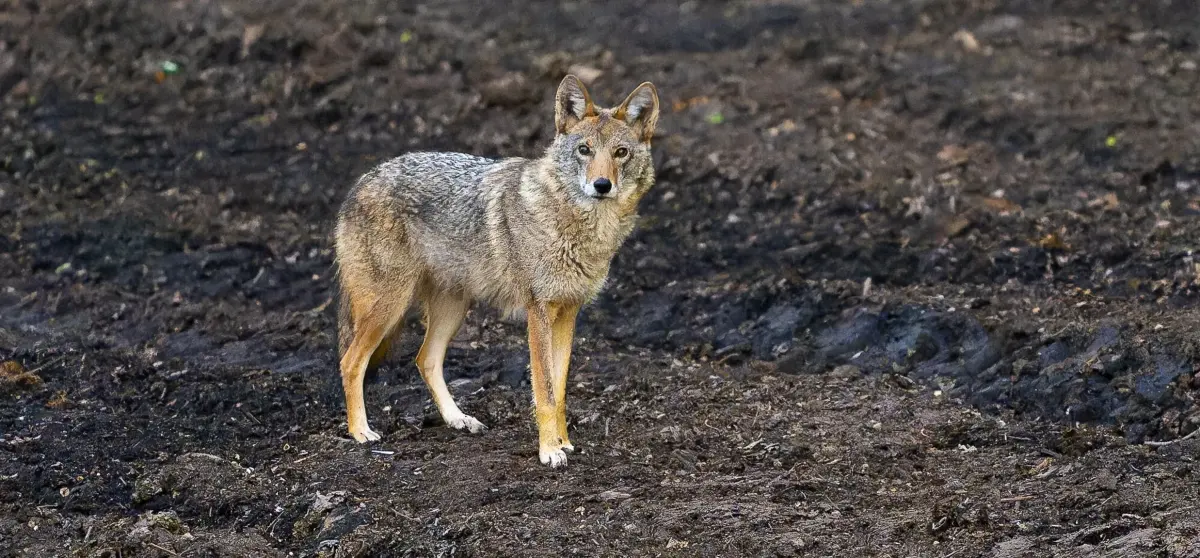
A coyote’s frame is delicate and wiry, designed for speed and agility rather than brute strength. Their ears are disproportionately large, pointed, and stand tall on their heads, giving them a sharp, alert appearance. Their muzzles are long, narrow, and pointed, which creates a distinctively sleek profile. When observing them in the wild, consider these visual markers:
- Weight: Wolves are generally 2-3 times heavier than coyotes.
- Stance: Wolves carry their tails straight out or down, while coyotes often keep their tails tucked between their legs while running.
- Tracks: Wolf tracks are typically over 4 inches long, whereas coyote tracks are usually under 3 inches.
Why wolves and coyotes have different social behaviors
Social structure is a defining trait that separates the species. Wolves are highly social animals that live in stable, hierarchical family units known as packs. These packs are usually led by an alpha pair and include offspring from previous years. This cooperative structure is essential for their survival, as it allows them to coordinate complex hunting strategies to take down large ungulates like elk, moose, or deer.
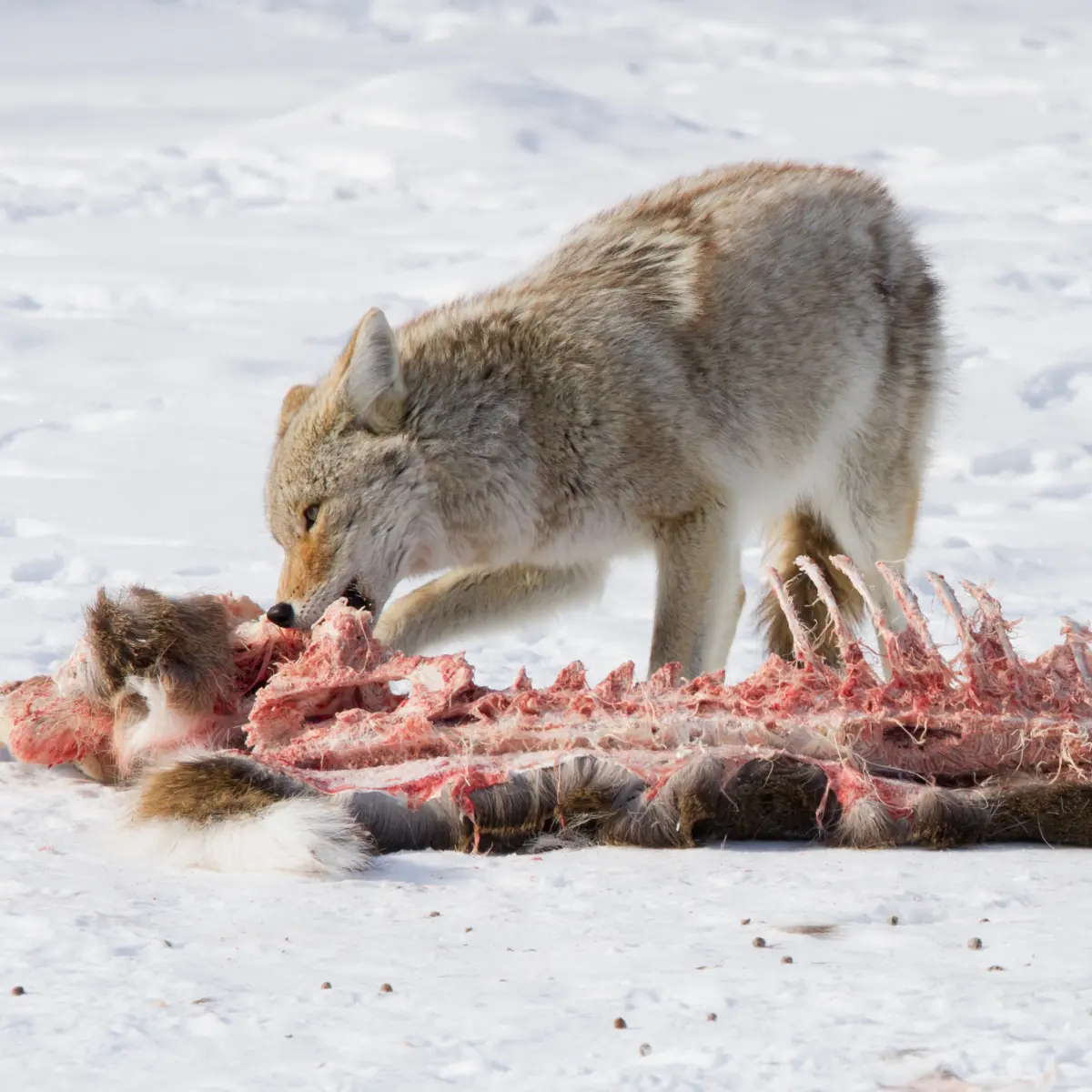
Coyotes, on the other hand, are highly adaptable and generally solitary or live in loose-knit pairs. While they may occasionally form small family groups to hunt, they do not rely on the rigid pack dynamics seen in wolf populations. This flexibility allows coyotes to thrive in diverse environments, including suburban and urban areas where large prey is scarce. Their behavior is opportunistic; they are scavengers that hunt small mammals, insects, and fruit, whereas wolves are apex predators that require consistent access to large carcasses to support the energy needs of the entire pack.
Where wolves and coyotes live and hunt
Wolves and coyotes occupy different ecological niches, though their ranges do overlap in parts of North America. Wolves require vast, remote wilderness areas with low human density to maintain their territories. They are sensitive to habitat fragmentation and generally avoid human settlements. Because they hunt large prey, they need expansive ranges to follow migratory herds and secure enough food to sustain their pack throughout the winter months.
Coyotes are the ultimate generalists of the canine world. They have successfully expanded their range across nearly all of North America, from deep forests and deserts to the heart of major metropolitan cities. Their ability to survive on a varied diet—including rodents, garbage, and garden produce—makes them far more resilient to human encroachment than wolves. If you are trying to identify a canine in a suburban backyard, it is almost certainly a coyote, as wolves rarely venture into developed areas.
How to identify a wolf or coyote by their vocalizations
Sound is a reliable way to distinguish these animals if you are in the wild at night. Wolves are known for their deep, long, and mournful howls. A wolf howl is typically a low-frequency, sustained sound that can travel for miles across open terrain. It serves as a territorial declaration to other packs and a way for pack members to locate one another.
Coyote vocalizations are much more chaotic and high-pitched. They are famous for their yips, barks, and high-pitched, stuttering howls that sound like a group of animals laughing or screaming. This "yipping" is often mistaken for a large group of animals, but it is frequently produced by just one or two coyotes. To categorize their sounds, keep these points in mind:
- Wolves: Listen for a deep, resonant, and singular tone that lacks rapid fluctuations.
- Coyotes: Listen for a frantic, high-pitched, and rhythmic series of yips and barks that rise and fall in volume.
Common mistakes when identifying a wolf or coyote
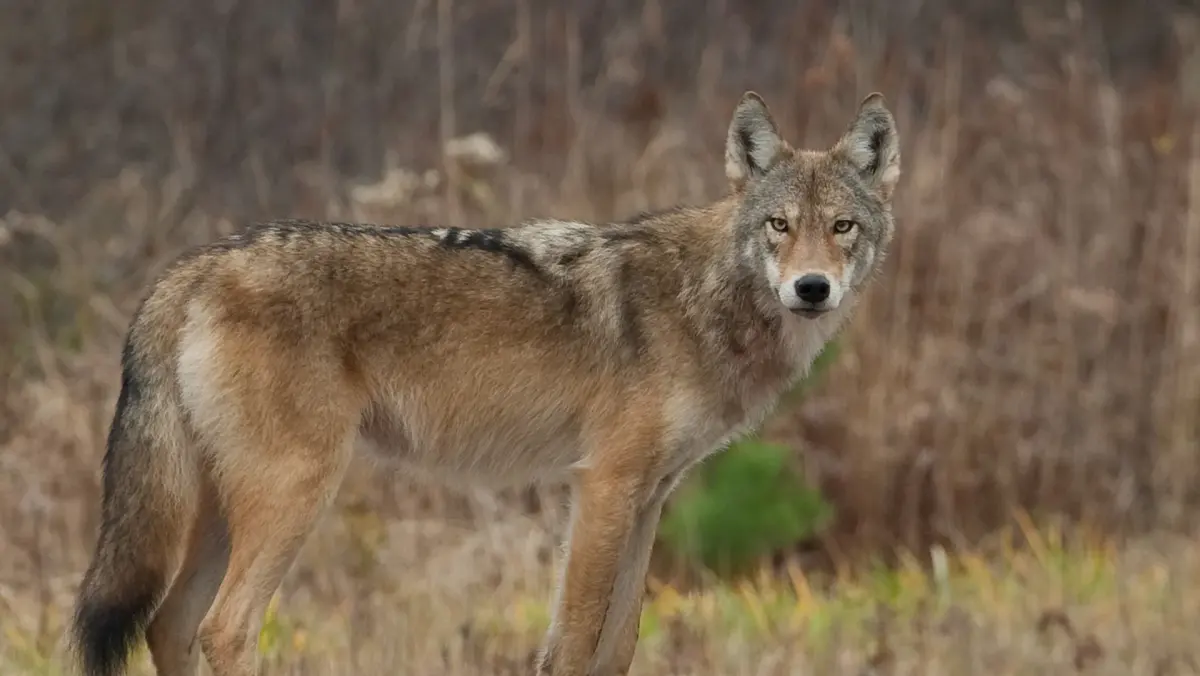
One of the most frequent errors people make is overestimating the size of a coyote. Because coyotes are often seen in isolation or in poor lighting, observers frequently mistake them for wolves, especially if the animal has a thick winter coat. Always look at the proportions of the head and the thickness of the legs. A coyote’s legs will look like sticks compared to the sturdy, muscular limbs of a wolf.
Another mistake is assuming that a "lone" canine is a coyote. While coyotes are often solitary, wolves can also be found alone, particularly if they are dispersing from their natal pack to find a mate or establish a new territory. Do not rely on the number of animals to make an identification. Instead, look for the following:
- The muzzle: A narrow, pointed nose is almost always a coyote.
- The ears: Large, upright, and pointed ears are a hallmark of the coyote.
- The movement: Wolves move with a steady, loping gait, whereas coyotes often appear nervous, darting, and quick in their movements.
Key facts
- Gray wolves typically weigh between 70 and 120 pounds, while coyotes usually weigh between 20 and 50 pounds.
- Wolves have broad, rounded snouts and short, rounded ears, whereas coyotes possess narrow, pointed snouts and tall, upright ears.
- Wolves are pack-oriented apex predators that hunt large ungulates like elk and moose, while coyotes are highly adaptable generalists that eat rodents, rabbits, and fruit.
- When observing tracks, note that a wolf print is typically 4 to 5 inches long, while a coyote print is rarely longer than 2.5 to 3 inches.
- Wolves generally howl in deep, long, and sustained notes; coyotes produce high-pitched, yipping, and rapid-fire vocalizations.
- A common mistake is assuming a large, light-colored canine in a suburban area is a wolf; it is almost certainly a coyote, as wolves avoid human-populated environments.
The bottom line
While wolves and coyotes share a common ancestry, they differ significantly in size, behavior, and habitat preference. Wolves are massive, pack-dependent hunters of large prey, while coyotes are smaller, highly adaptable scavengers that thrive near human settlements. Understanding these physical and vocal distinctions is essential for accurate identification, helping you appreciate these unique wild canids while maintaining appropriate safety boundaries when encountering them in nature.
People also ask
Can wolves and coyotes interbreed?
Yes, wolves and coyotes can interbreed to produce hybrids, often referred to as "coywolves." This is more common in areas where wolf populations are low and coyotes have expanded their range, such as in parts of the northeastern United States and eastern Canada.
Are coyotes more dangerous to humans than wolves?
Both animals generally fear humans and avoid contact, but coyotes are more likely to be seen near residential areas. While wolf attacks are extremely rare, coyotes may become habituated to human food sources, which increases the risk of aggressive behavior toward small pets or people.
How can I tell the difference between a wolf howl and a coyote howl?
A wolf howl is a long, low-frequency, and mournful sound that often begins with a single, deep note. Coyotes produce a chaotic mix of yips, barks, and high-pitched howls that sound like multiple animals even when only a few are present.
Do wolves and coyotes live in the same habitats?
They can coexist, but they are often competitors. Wolves are dominant and will frequently kill or displace coyotes to protect their territory and food supply, leading coyotes to favor fragmented landscapes or urban edges where wolves are absent.
What should I do if I encounter a coyote in my backyard?
Do not run, as this may trigger a predatory chase instinct. Instead, make yourself appear large, shout firmly, and throw objects toward the ground near the animal to haze it away from your property.
Do wolves and coyotes have different coat colors?
Wolves display a wide range of colors from pure white to black, with most being a mix of gray, brown, and tan. Coyotes are consistently more uniform, typically featuring a grizzled coat of gray, tan, and rust, often with a white belly and a black-tipped tail.
This answer was created with the help of AI research tools and reference sources. Spotted an error? Let us know — we correct mistakes quickly. See our editorial policy.