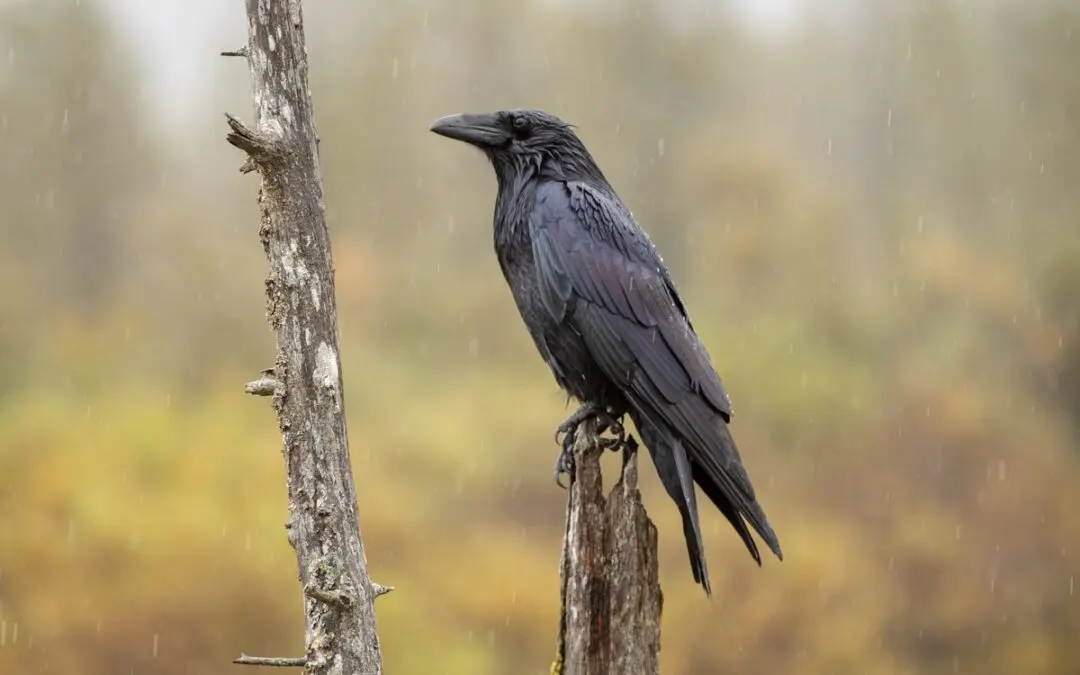
How big do hawks get?
Short answer
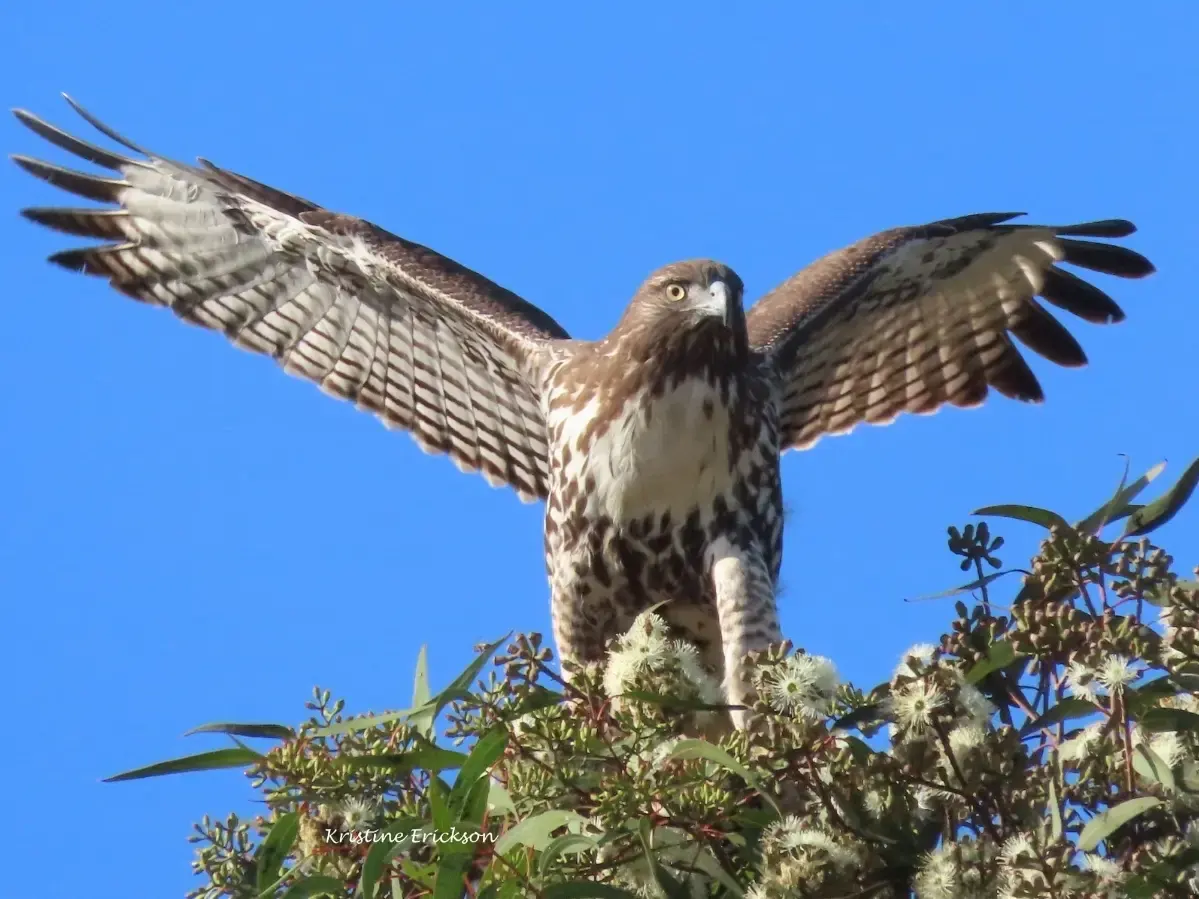
Hawks vary significantly in size depending on the species. Small hawks, like the Sharp-shinned Hawk, weigh as little as 3 ounces with a 20-inch wingspan. Conversely, large species like the Ferruginous Hawk can weigh up to 5 pounds and reach wingspans of 5 feet. Most common hawks fall between these two extremes.
On this page
How big are common hawk species
The physical dimensions of hawks are categorized by their specific genus and ecological niche. Accipiters, which are woodland hawks, tend to be smaller and more agile to navigate dense forests. Buteos, often called soaring hawks, are much larger and heavier, designed to ride thermals over open fields. Understanding these distinctions helps observers identify birds in the wild.
The following list highlights the size range of common North American hawks:
- Sharp-shinned Hawk: 10–14 inches long, 20–27 inch wingspan.
- Cooper’s Hawk: 14–20 inches long, 29–36 inch wingspan.
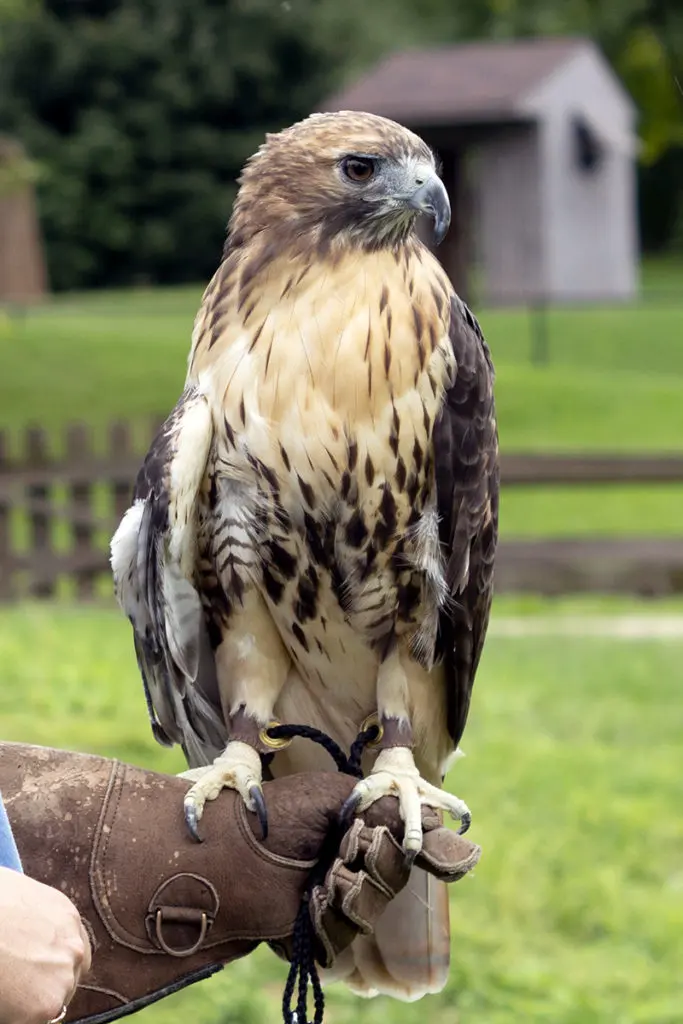
- Red-tailed Hawk: 18–26 inches long, 45–57 inch wingspan.
- Ferruginous Hawk: 22–27 inches long, 52–60 inch wingspan.
These measurements demonstrate that size is a primary indicator of a hawk's hunting strategy. Smaller hawks rely on speed and surprise, while larger hawks utilize their mass and broad wings to conserve energy while patrolling vast territories.
Why do hawks vary in size
Evolutionary biology dictates the size of a hawk based on its preferred prey and habitat. Smaller hawks often hunt songbirds or small mammals, requiring high maneuverability and quick bursts of speed. Larger hawks, such as the Red-tailed Hawk, target larger prey like rabbits or squirrels, which necessitates greater strength and a more robust skeletal structure.
Environmental factors also play a role in size variation within a single species. This phenomenon, known as Bergmann's Rule, suggests that individuals of the same species living in colder climates tend to be larger than those in warmer regions. This allows them to retain body heat more efficiently. Consequently, a Red-tailed Hawk in Canada may be slightly larger than one found in Mexico.
How to identify hawks by size
Identifying hawks in the field can be challenging because distance distorts our perception of scale. To accurately estimate size, experts recommend comparing the bird to known objects in the environment, such as fence posts, telephone poles, or nearby trees. This provides a frame of reference that is more reliable than guessing the bird's length in inches.
Follow these steps to improve your field identification skills:
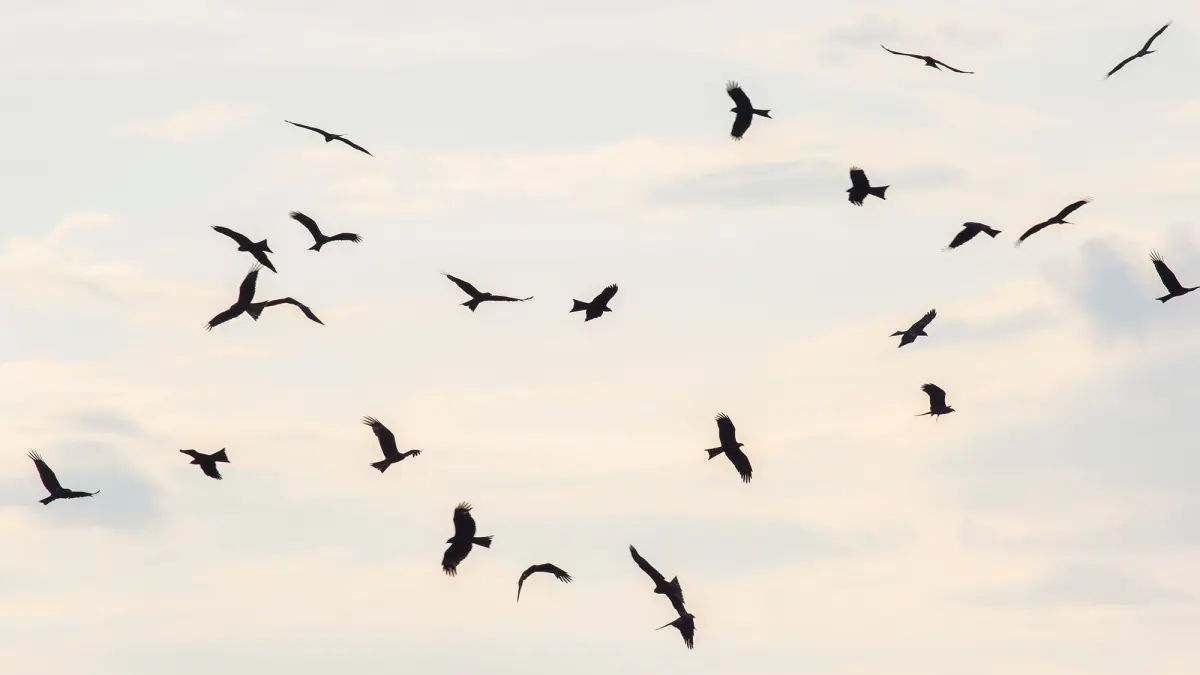
- Observe the silhouette against the sky to determine wing shape.
- Compare the hawk's body size to a common bird, such as a crow or a pigeon.
- Note the length of the tail relative to the wings, as shorter tails often indicate larger, soaring species.
- Check for sexual dimorphism, as female hawks are typically 20 to 30 percent larger than males.
Common mistakes when estimating hawk size
One of the most frequent errors observers make is overestimating the size of a hawk seen in flight. Because hawks are often viewed from below, their wingspan can appear much larger than it actually is. This optical illusion often leads beginners to misidentify a medium-sized hawk as a much larger eagle or osprey.
Another common mistake is failing to account for the angle of the sun. Glare can make a bird appear darker or larger, obscuring the fine details needed for accurate size assessment. To avoid these errors, try to position yourself with the sun at your back. Additionally, avoid making quick judgments; spend time watching the bird’s behavior, as flight patterns are often more diagnostic than size alone.
How to measure hawks for research
Professional ornithologists use standardized methods to measure hawks when they are captured for banding or health assessments. These measurements are taken with precision tools to ensure data consistency across different research projects. It is important to note that these measurements should only be performed by trained professionals to avoid stressing the bird.
The standard measurements taken by researchers include:
- Wing chord: The distance from the bend of the wing to the tip of the longest primary feather.
- Tail length: Measured from the base of the central tail feathers to the tip.
- Tarsus length: The length of the lower leg bone, which helps determine the bird's age and health.
- Weight: Recorded in grams using a calibrated scale to monitor body condition.
By collecting this data, scientists can track population health and migration patterns over many decades. These metrics provide a clear picture of how environmental changes impact the physical development of hawk populations across the globe.
Key facts
- The Northern Goshawk is among the largest hawks in North America, with females reaching wingspans of up to 46 inches.
- The Sharp-shinned Hawk is the smallest hawk in North America, often measuring only 9 to 13 inches in length.
- Female hawks are typically larger and heavier than males, a trait known as reversed sexual dimorphism.
- A Red-tailed Hawk typically weighs between 1.5 and 3.5 pounds and has a wingspan of about 4 feet.
- When identifying hawks, focus on wing shape and flight patterns rather than just size, as distance can distort perspective.
- Avoid misidentifying large hawks as eagles; eagles have significantly broader wings and different tail shapes.
The bottom line
Hawks vary significantly in size, ranging from the petite Sharp-shinned Hawk to the robust Northern Goshawk. Their dimensions are defined by their species and sex, with females consistently outweighing males. While they are impressive predators, they pose no danger to humans. Understanding their physical traits and natural behaviors allows for better appreciation of these birds as they soar through the skies in search of prey.
People also ask
How can I tell the difference between a hawk and a falcon?
Hawks generally have broad, rounded wings and a fan-shaped tail, while falcons possess long, pointed wings and a sleek, tapered tail. Falcons are also known for their high-speed, direct flight compared to the soaring style of most hawks.
Do hawks hunt pets like small dogs or cats?
While large hawks like the Red-tailed Hawk primarily hunt rodents and small mammals, they are opportunistic predators. It is very rare for a hawk to attack a pet, but owners should supervise small animals in open areas where raptors are active.
What is the average lifespan of a wild hawk?
Most hawks live between 10 and 15 years in the wild, though many do not survive their first year due to environmental challenges. Factors such as food availability, habitat quality, and human-related hazards significantly influence their longevity.
Are hawks dangerous to humans?
Hawks are not a threat to humans and will almost always fly away if approached. They only become defensive if a human gets too close to their active nest during the breeding season.
What do hawks eat in a suburban environment?
In suburban areas, hawks primarily eat squirrels, mice, rats, and sometimes small birds found at feeders. They play a vital role in natural pest control by helping to manage populations of rodents.
Can hawks be kept as pets?
It is illegal to keep native hawks as pets in the United States under the Migratory Bird Treaty Act. Only licensed falconers with specific permits are legally allowed to handle and train these birds for hunting purposes.
This answer was created with the help of AI research tools and reference sources. Spotted an error? Let us know — we correct mistakes quickly. See our editorial policy.