How do you draw a cute duck?
Short answer
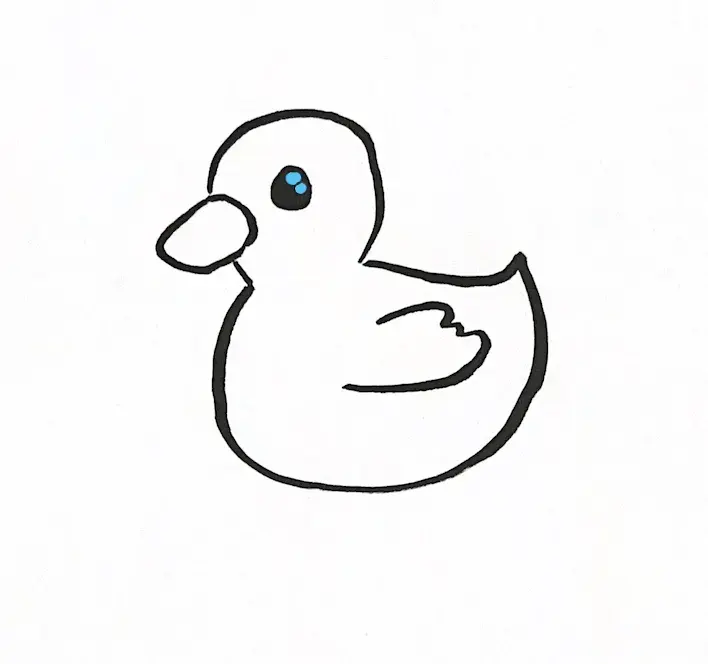
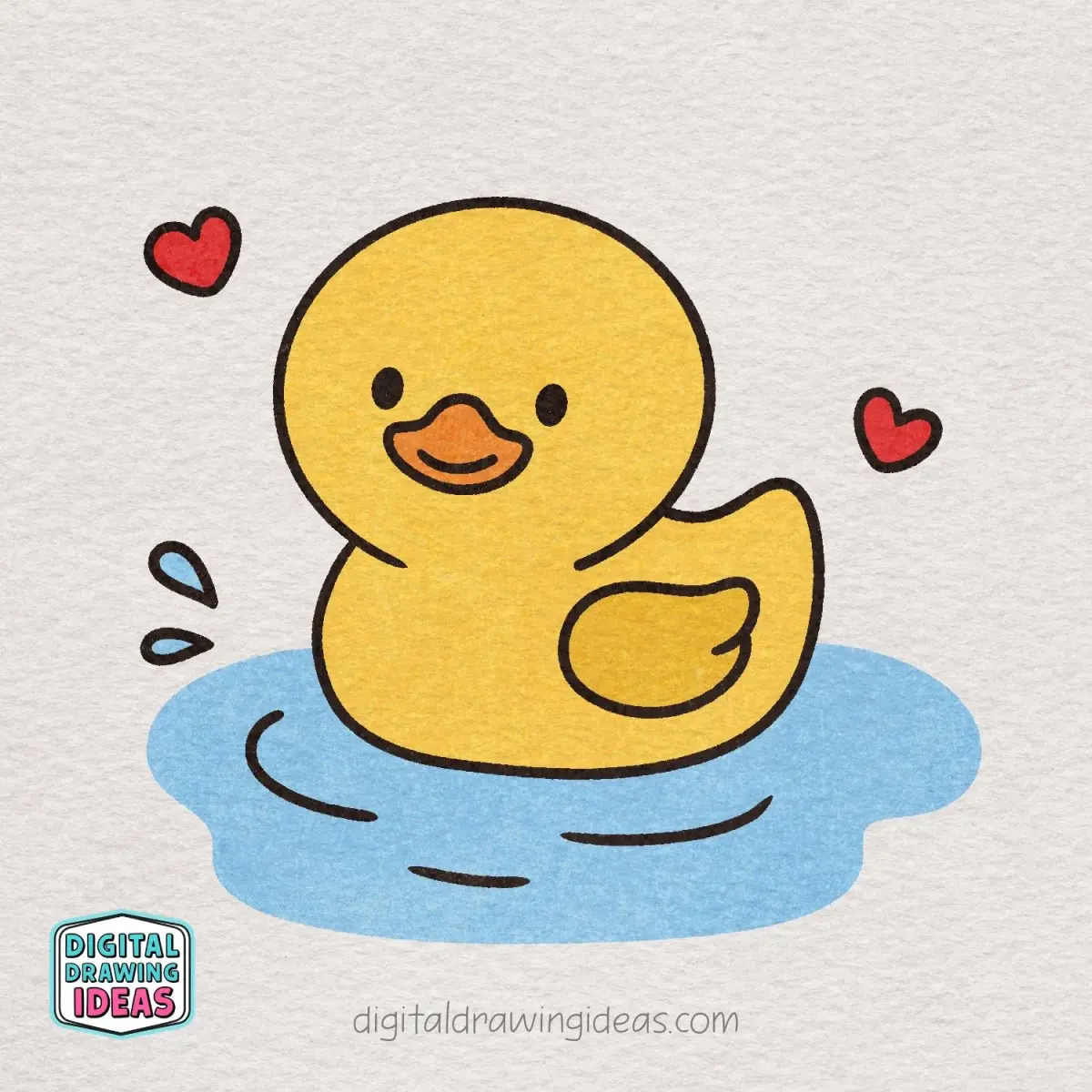
Drawing a cute duck involves simplifying its anatomy into rounded, soft shapes. Start by sketching two overlapping circles for the head and body, then add a wide, curved beak and large, expressive eyes. By emphasizing circular proportions and minimizing sharp angles, you create an approachable, endearing character that fits the classic "cute" aesthetic.
On this page
How to draw a basic cute duck
To begin, focus on the silhouette. A cute duck is defined by its roundness, so avoid drawing a long, thin neck or sharp, angular wings. Start by sketching a small circle for the head and a larger, slightly oval shape for the body. Connect these two shapes with two short, curved lines to form a thick, sturdy neck. By keeping the connection points smooth, you establish a soft, cartoon-like appearance that feels friendly and approachable.
Once the basic structure is set, add the facial features. Position the eyes slightly below the center of the head circle to give the duck a youthful, innocent expression. Use a simple, wide oval for the beak, ensuring it is rounded at the edges rather than pointed. Remember that in character design, larger eyes relative to the head size often trigger a perception of cuteness. Keep your initial lines light so you can easily erase them later.
Best drawing tools for beginners
For those new to drawing, starting with graphite pencils is the most effective method. A standard HB or 2B pencil allows for varied line weight, which helps in creating soft, rounded edges. Using a kneaded eraser is also essential, as it can lift graphite gently without damaging the paper surface. This is particularly useful when you want to refine the rounded contours of your duck’s body without leaving harsh, dark smudges behind.
If you prefer digital tools, a tablet with pressure sensitivity is ideal. Digital brushes allow you to mimic the feel of traditional pencils while providing the convenience of layers. Layers are especially helpful for beginners because they allow you to sketch the rough shapes on one layer and refine the clean, final outlines on another. This workflow prevents the drawing from becoming cluttered and makes the process much more manageable for those still developing their hand-eye coordination.
- Use a 2B pencil for light, initial sketching.
- Utilize a kneaded eraser to soften lines.
- Keep a sharpener nearby to maintain fine details.
- Use a smooth-surface sketchbook to ensure clean strokes.
Why rounded shapes look cuter
The concept of "cuteness" in design is often linked to neoteny, which refers to the retention of juvenile features. In nature, young animals have larger heads, rounder bodies, and smaller limbs compared to adults. By applying these proportions to your duck, you instinctively make it appear more vulnerable and endearing to the viewer. When you draw the body as a soft, plump shape rather than a lean, athletic one, you emphasize these juvenile characteristics.
Furthermore, the absence of sharp corners contributes to a sense of safety. Humans are psychologically programmed to perceive sharp, jagged edges as potentially dangerous or aggressive. Conversely, smooth curves and soft transitions are associated with comfort and playfulness. When you draw your duck, try to avoid straight lines entirely. Even the wings should be drawn as soft, rounded flaps tucked against the body, reinforcing the overall theme of softness and approachability.
Common mistakes when drawing ducks
One frequent error is making the beak too long or pointed. A realistic duck beak is elongated, but a cute, cartoon-style beak should be short, wide, and rounded at the tip. If the beak is too long, the duck loses its "baby-like" quality and begins to look more like a standard bird. Always aim for a beak that occupies only a small portion of the head’s total surface area to maintain those essential cute proportions.
Another common mistake is misplacing the eyes. If the eyes are placed too high on the head, the duck will lose its innocent, wide-eyed look. If they are placed too far apart, the character may look unfocused or strange. Aim to keep the eyes centered horizontally and slightly lower than the midline of the head. Additionally, avoid drawing the pupils as tiny, sharp dots; instead, make them large and dark to convey a sense of warmth and curiosity.
- Placing the beak too low, making the face look stretched.
- Drawing the neck too thin, which breaks the round silhouette.
- Using heavy, dark outlines that make the character look harsh.
- Forgetting to add a small highlight in the eyes to bring them to life.
How to add personality to your duck
Once the basic form is established, you can add personality through small, deliberate details. A simple tuft of feathers on top of the head can suggest a playful or mischievous nature. You might also adjust the angle of the eyes or the curve of the beak to show emotion. For instance, a slightly upturned beak can make the duck look like it is smiling, instantly increasing its charm and making the drawing feel more dynamic.
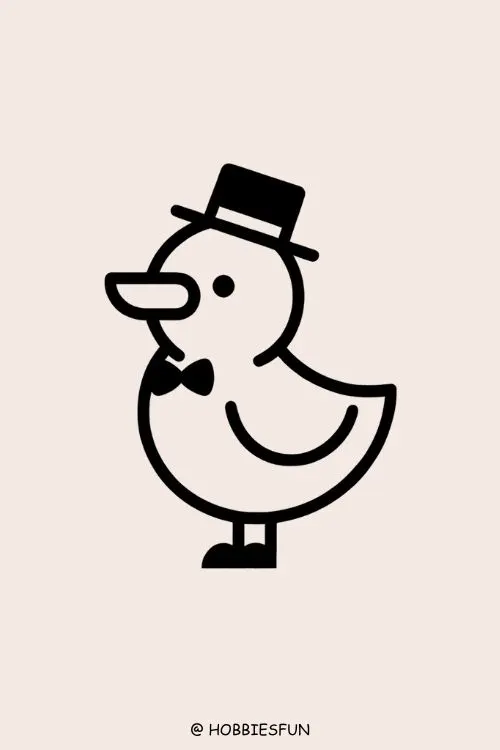
Adding accessories is another effective way to build character. A small bow, a tiny hat, or even a simple scarf can tell a story about your duck. Keep these accessories simple and rounded to match the overall design language of the character. By focusing on these small, thoughtful additions, you transform a generic duck shape into a unique character with its own distinct personality. Always ensure that the accessories do not obscure the main features, as the core silhouette remains the most important part of the drawing.
Key facts
- Ducks are characterized by their oval-shaped bodies and distinct, rounded heads.
- Use a large horizontal oval for the body and a smaller circle for the head to establish proportions.
- The beak is best represented as a flattened trapezoid shape rather than a sharp triangle.
- Adding a small "comma" shape for the eye creates a friendly, cute expression.
- Webbed feet are drawn as three simple, connected teardrop shapes at the base of the body.
- Keep lines smooth and curved to emphasize the soft, rounded nature of a duckling.
The bottom line
Drawing a cute duck is an accessible project that relies on simple geometry and soft, rounded lines. By starting with basic shapes like circles and ovals, you can build a stable foundation before adding expressive details like large eyes and a short beak. With consistent practice and attention to proportion, you will quickly master the art of capturing this charming bird in a friendly, simplified style.
People also ask
What is the best medium for beginners to draw a duck?
Graphite pencils are ideal because they allow for light sketching and easy erasing of initial shapes. Once the outline is set, felt-tip pens or colored markers work well for adding clean, bold lines.
How do I make the duck look more "cute" or cartoonish?
Increase the size of the eyes relative to the head and keep the limbs short and stubby. Large, wide-set eyes and a slightly oversized head are classic features that trigger a perception of cuteness.
Should I use shading to make the duck look 3D?
Yes, adding a soft shadow under the belly and on one side of the body provides depth. Use a light touch with your pencil to create a gradient, ensuring the duck does not look flat on the page.
What is a common mistake when drawing the beak?
Many beginners make the beak too long or pointed, which makes the duck look like a different bird. Keep the beak short and slightly rounded at the corners to maintain the duck's signature profile.
How do I draw the wings correctly?
Draw a simple, elongated oval shape on the side of the body. Adding two or three small curved lines at the bottom of this oval suggests individual feathers without overcomplicating the drawing.
Is it better to draw from a reference photo or memory?
Using a reference photo is highly recommended for beginners to understand anatomy and proportions. Observing real ducks helps you learn how their necks curve and how their bodies sit in the water.
This answer was created with the help of AI research tools and reference sources. Spotted an error? Let us know — we correct mistakes quickly. See our editorial policy.