What techniques did Caravaggio use?
Short answer
Caravaggio revolutionized painting through tenebrism, a dramatic use of extreme light and dark to create intense psychological depth. He famously bypassed preparatory drawings, painting directly onto the canvas from live models. By combining radical naturalism with a restricted, earthy palette, he brought biblical subjects into the gritty, contemporary Roman world.
On this page
How to achieve the Caravaggio lighting effect
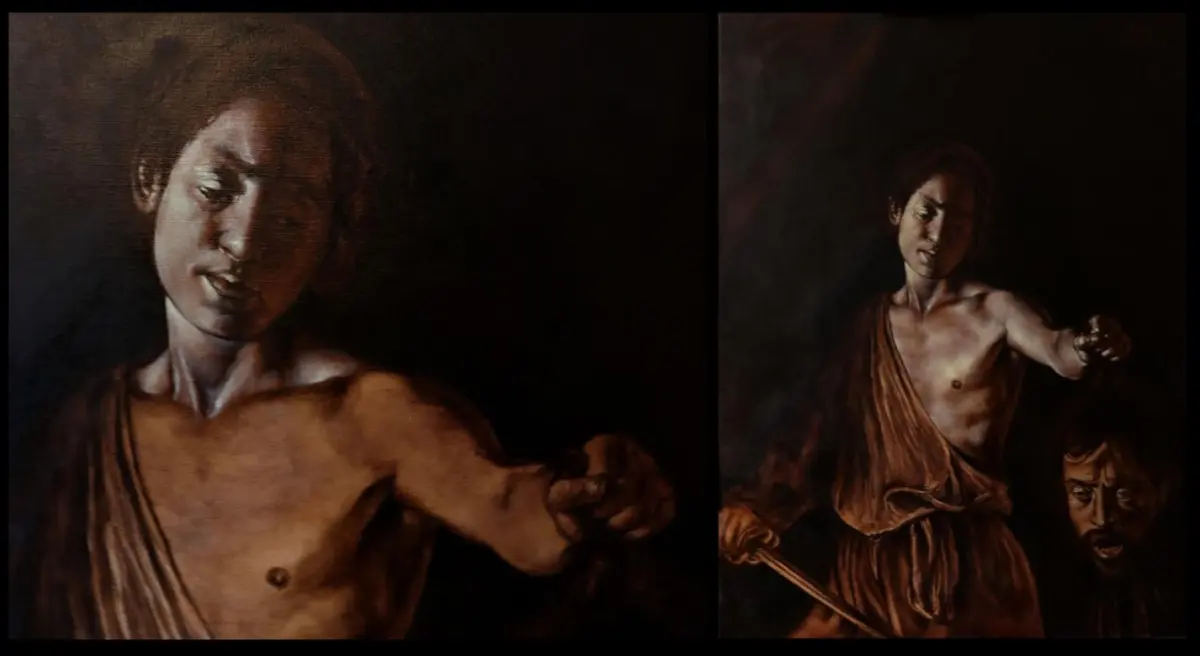
Caravaggio’s signature technique, tenebrism, relies on a single, powerful light source placed high and to the side of the subject. This creates a sharp, immediate transition between brilliant illumination and deep, impenetrable shadows. Unlike traditional chiaroscuro, which focuses on modeling volume, tenebrism creates a theatrical atmosphere where the darkness acts as a physical element, pushing figures into the viewer's space.
To replicate this lighting in your own work, follow these steps:
- Set up a single directed light source, such as a spotlight or a window, in a dark room.
- Position your subject so that the light hits only the most important features, leaving the rest in heavy shadow.
- Use a dark, neutral background to ensure the light does not bounce back and fill in the shadows.
- Keep the transition between light and dark abrupt, avoiding soft, gradual gradients.
Avoid using multiple light sources, as this will create competing shadows and wash out the dramatic intensity that defines his style.
Why Caravaggio painted directly onto the canvas
Caravaggio famously rejected the Renaissance tradition of making detailed preparatory sketches or cartoons. Instead, he utilized a technique known as alla prima, or "at first," painting directly onto the canvas with minimal underdrawing. He often used the end of his brush handle to score the wet paint, marking out the general composition and the placement of his models. This allowed him to maintain a sense of spontaneity and raw energy that is often lost in more calculated, multi-stage works.
By working this way, he could adjust the composition dynamically as he painted. He often utilized a limited palette consisting of earth tones like ochre, umber, and lead white, which he applied in thin layers. This direct approach meant that he could complete complex works, such as The Calling of Saint Matthew, with remarkable speed. However, this method required immense confidence, as mistakes were difficult to correct once the paint had begun to set on the canvas.
Common mistakes when using Caravaggio's naturalism
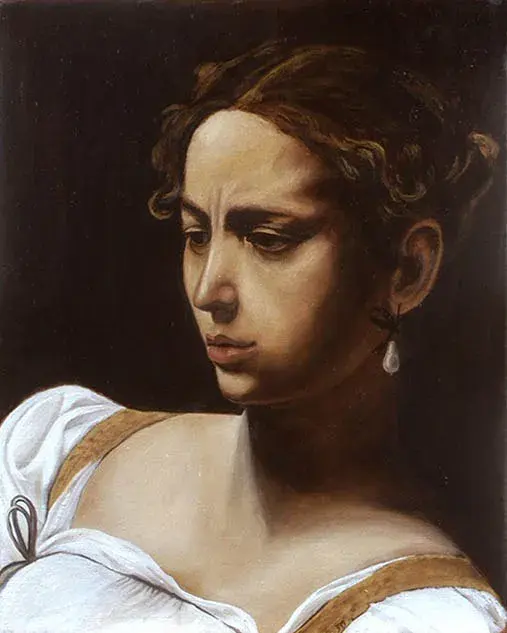
Many artists attempting to emulate Caravaggio fail by idealizing their subjects. Caravaggio was a radical realist who painted people as they were, including dirt under fingernails, wrinkled skin, and frayed clothing. He famously used common laborers, prostitutes, and street people as models for saints and deities. When you attempt this style, do not try to "clean up" your subject or make them look heroic. The power of his work comes from the tension between the divine subject matter and the gritty, human reality of the models.
Common errors include:
- Over-smoothing the skin texture, which removes the tactile, human quality of the figures.
- Using overly vibrant or synthetic colors that distract from the somber, earthy atmosphere.
- Placing the figures in an idealized, classical setting rather than a dark, ambiguous space.
- Ignoring the psychological weight of the figures, which should appear caught in a moment of profound, often uncomfortable, transition.
How to manage shadows like Caravaggio
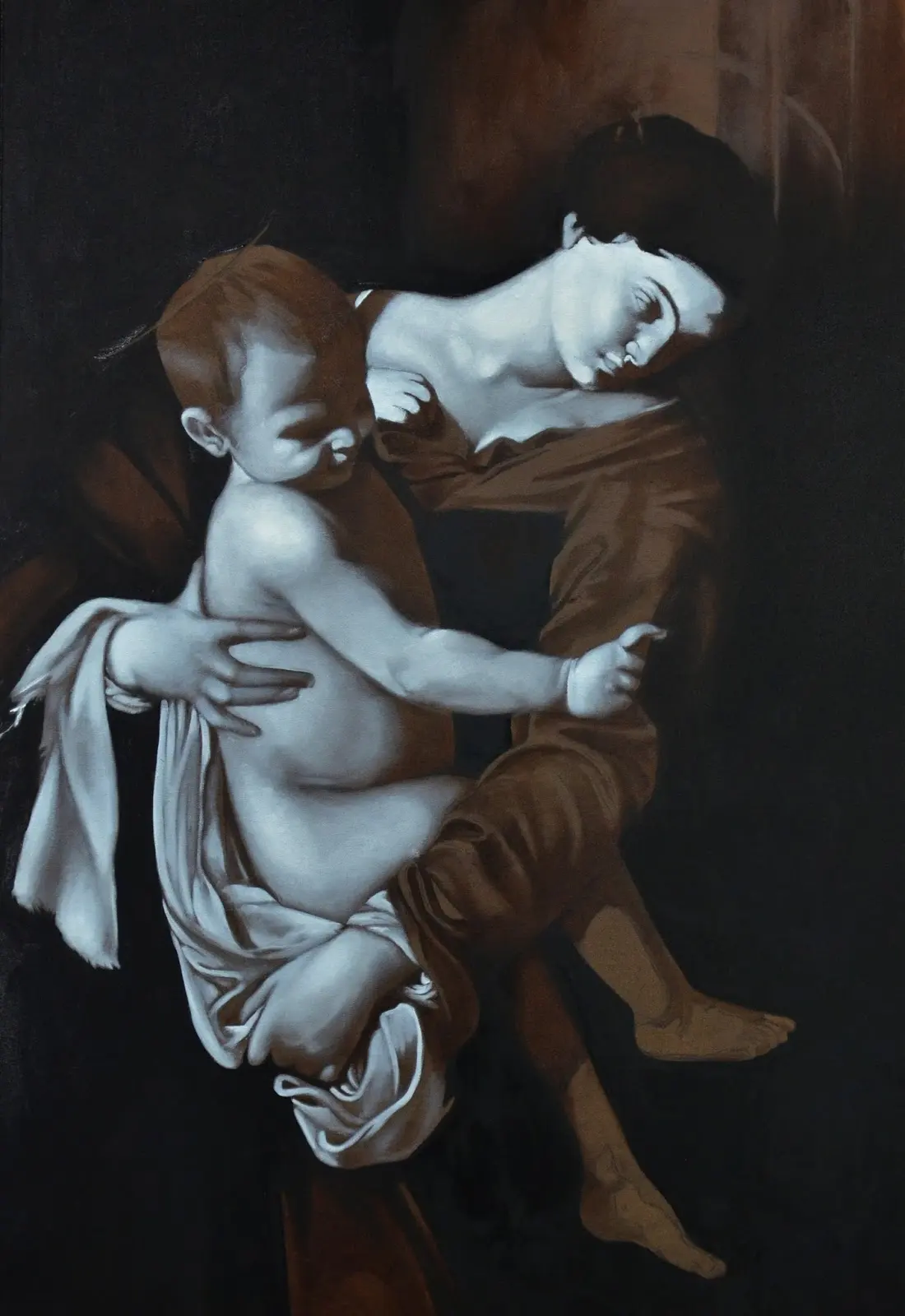
Shadows in Caravaggio’s paintings are not merely empty space; they are active, compositional tools. He often utilized a technique of "darkening" the entire canvas with a thin layer of dark pigment, known as an imprimatura, before beginning the painting. This dark base served as the foundation for his shadows, allowing him to pull the figures out of the darkness rather than painting shadows over a light background. This method creates a sense of depth that feels as if the figures are emerging from a void.
When managing your shadows, ensure they remain deep and rich. If your shadows look flat or "muddy," you likely used too much white pigment in your shadow mixtures. Keep your shadows transparent and thin, while reserving your thick, opaque paint for the highlights. This contrast in paint application, known as impasto in the highlights, adds a physical dimension to the light, making it appear to catch the surface of the skin or fabric.
Best tools for the Caravaggio style
To work in the style of Caravaggio, you should prioritize a limited, high-quality palette. He relied heavily on lead white, vermilion, yellow ochre, and various earth pigments like raw and burnt umber. These pigments are naturally stable and have a high opacity, which is essential for the layering process required for his dramatic lighting. Use hog-hair brushes, which are stiff enough to handle the heavy, direct application of paint and allow for the expressive, bold brushstrokes that characterize his later, more hurried works.
For the canvas, choose a medium-to-fine weave linen that has been primed with a dark, reddish-brown or gray ground. A white gesso ground will make it difficult to achieve the intense, moody atmosphere required for tenebrism. By starting on a dark surface, you eliminate the need to cover the entire canvas with paint, allowing you to focus your energy on the interplay of light and shadow. Always ensure your workspace is well-ventilated, as the traditional pigments once used by the masters can be hazardous if handled improperly during the mixing and painting process.
Key facts
- Caravaggio pioneered tenebrism, a style characterized by violent contrasts of light and dark to create dramatic focus.
- He famously bypassed preliminary drawings, painting directly onto the canvas with a brush to maintain spontaneity.
- The artist used a "cellar light" technique, positioning a single, high light source to illuminate subjects against near-black backgrounds.
- He frequently utilized live models from the streets of Rome, including laborers and sex workers, to depict biblical figures with gritty realism.
- His oil pigments were often applied in thin, rapid layers, sometimes leaving the dark ground color visible to define shadows.
- To achieve precise compositions, he reportedly used mirrors and optical projections to map figures onto the canvas before applying paint.
The bottom line
Caravaggio revolutionized Western art by replacing idealized beauty with raw, psychological intensity. By mastering tenebrism and painting directly from life, he bridged the gap between the divine and the everyday. Aspiring artists should focus on high-contrast lighting and authentic human expression rather than perfection. Ultimately, his legacy proves that dramatic shadows and honest, unvarnished subjects can create a more profound emotional impact than traditional, polished techniques.
People also ask
Did Caravaggio really use his own blood in his paintings?
No, this is a persistent myth. While he was known for his volatile personality and violent life, there is no scientific evidence or historical documentation to suggest he used blood as a medium.
Why are his figures often barefoot and dirty?
Caravaggio rejected the idealized, polished aesthetic of the Renaissance in favor of verismo, or extreme realism. By painting dirty feet and worn clothing, he sought to make sacred stories feel immediate, human, and accessible to the common person.
What is the difference between chiaroscuro and tenebrism?
Chiaroscuro is the general use of light and shadow to create volume in a figure. Tenebrism is a more extreme, theatrical version where darkness dominates the canvas and light is used as a harsh, spotlight-like force.
Did he ever paint landscapes?
Caravaggio almost exclusively focused on figure painting and still lifes. He viewed landscape painting as a lesser genre and preferred to place his subjects in ambiguous, dark interiors that kept the viewer's attention on human emotion.
How did he prepare his canvases?
He typically used a dark, reddish-brown or ochre ground, which served as the mid-tone for his paintings. This allowed him to work quickly by painting the light highlights over the dark base, effectively building form through subtraction and addition.
Why were his religious paintings often rejected?
Church patrons frequently found his work scandalous because he used recognizable, lower-class people as models for saints. The lack of traditional halos and the raw, earthy depiction of holy figures were seen as disrespectful by conservative clergy.
This answer was created with the help of AI research tools and reference sources. Spotted an error? Let us know — we correct mistakes quickly. See our editorial policy.