What is contrapposto?
Short answer
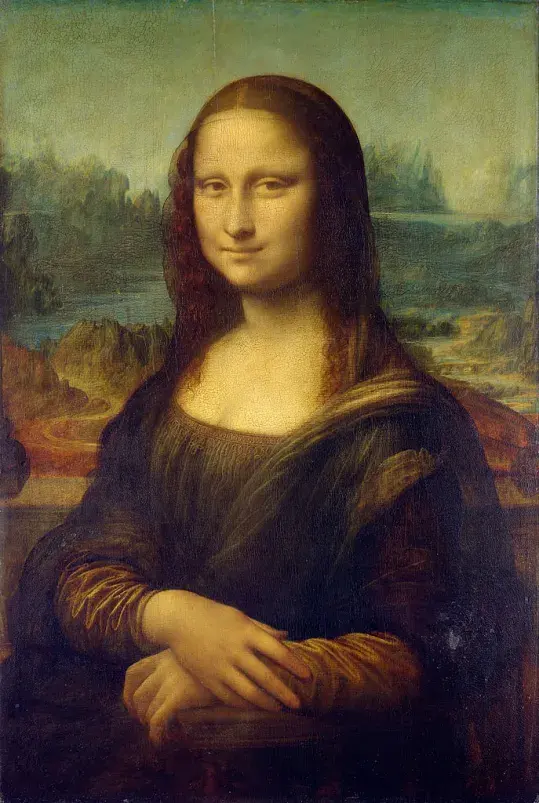
Contrapposto is an Italian term describing a human figure standing with most of its weight on one foot. This pose causes the shoulders and arms to twist off-axis from the hips and legs, creating a natural, asymmetrical appearance. It is a fundamental technique used in sculpture and painting to suggest potential movement.
On this page
What is the history of contrapposto?
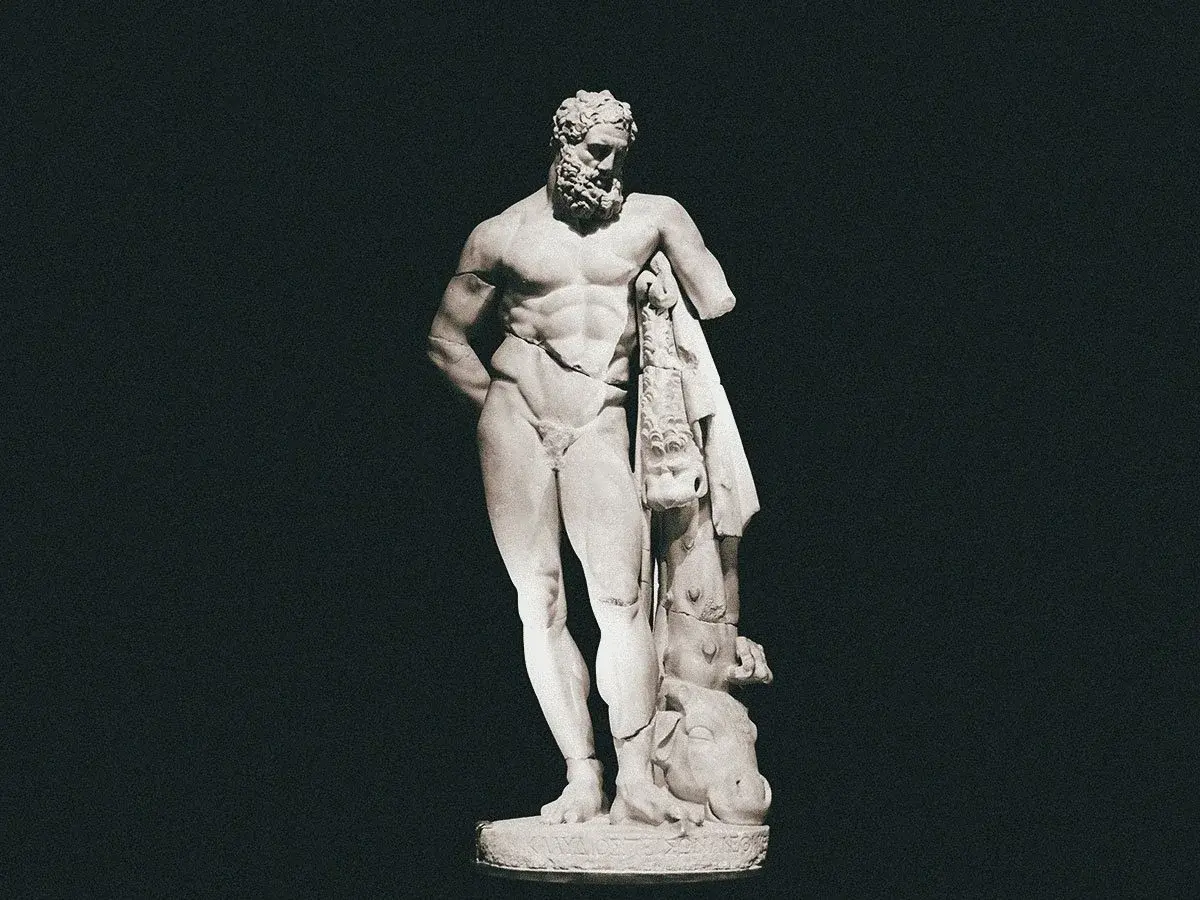
The term contrapposto, meaning "counter-pose," emerged during the Italian Renaissance to describe a technique pioneered by Ancient Greek sculptors. In the early Classical period, Greek statues were often rigid and symmetrical. By the 5th century BCE, artists began shifting the weight of their subjects to create a more lifelike, relaxed tension. This evolution signaled a departure from the stiff, frontal poses of earlier Egyptian and Archaic Greek art.
The technique reached a pinnacle with the Kritios Boy, dated to approximately 480 BCE, which is widely considered the first statue to exhibit a realistic weight shift. Renaissance masters like Donatello and Michelangelo later revived this classical approach to bring their marble figures to life. They recognized that a body at rest is rarely perfectly vertical; instead, it is a dynamic system of shifting muscles and skeletal alignment.
Why does contrapposto look realistic?
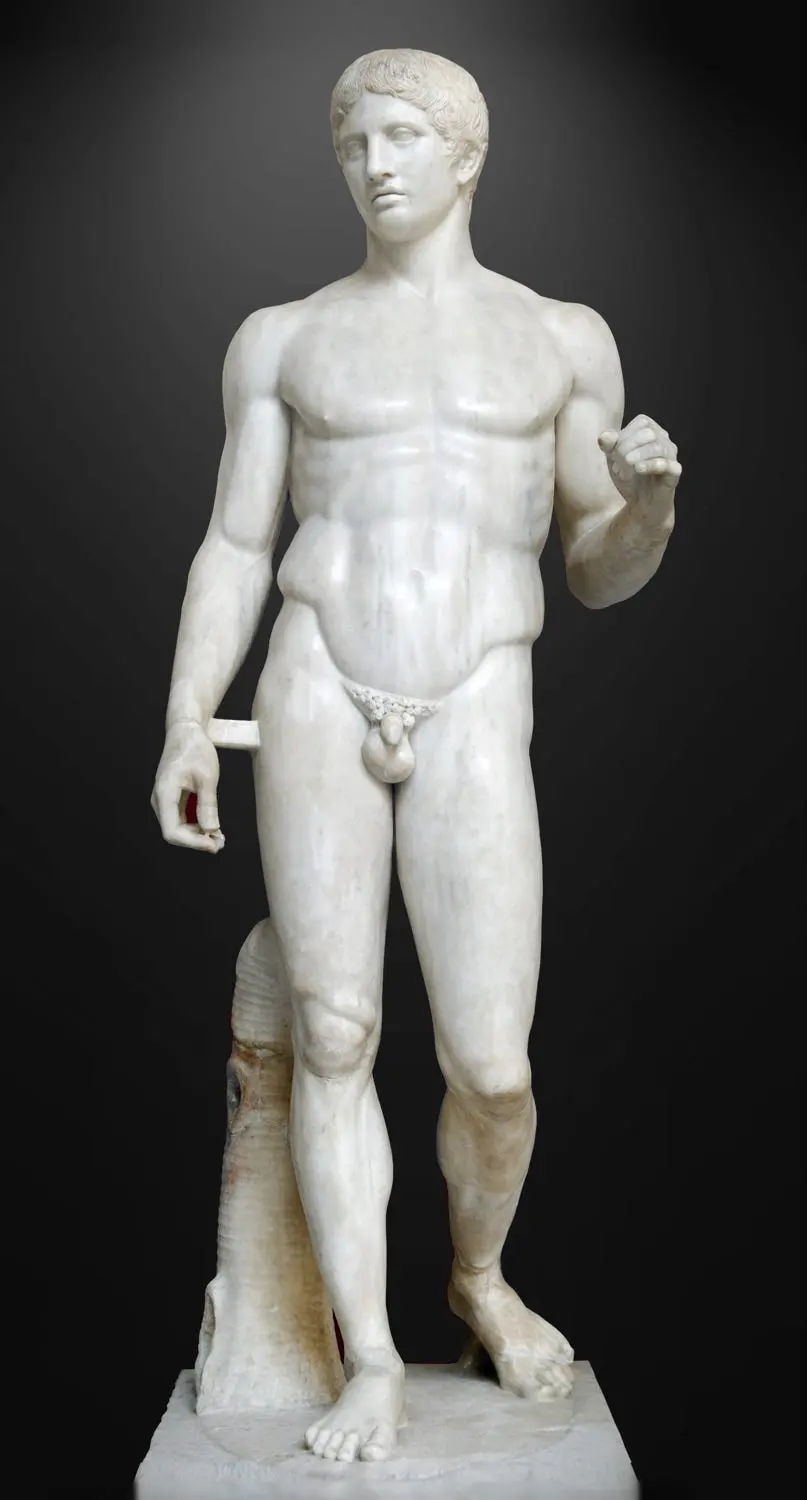
Contrapposto creates a sense of "potential motion" by breaking the symmetry of the human form. When a person shifts their weight onto one leg, the pelvis tilts, and the spine naturally curves to maintain balance. To compensate for this tilt, the shoulders often lean in the opposite direction, creating a subtle "S" curve through the torso. This internal tension makes the figure appear as though it is about to take a step.
Without this technique, a human figure often looks like a mannequin or a wooden post. By introducing asymmetry, the artist mimics the way gravity and anatomy interact in real life. The viewer subconsciously recognizes this pose because it reflects their own physical experience of standing. It transforms a static block of stone or a flat canvas into a representation of a living, breathing being.
How to draw or sculpt contrapposto
Achieving a convincing contrapposto pose requires careful observation of anatomical landmarks. Artists must focus on the relationship between the weight-bearing leg and the corresponding hip height. Follow these steps to construct a figure in this pose:
- Establish a vertical center line, then draw the pelvis tilted toward the side of the engaged leg.
- Place the weight-bearing leg directly under the center of gravity to ensure the figure looks stable.
- Tilt the shoulder line in the opposite direction of the hips to create the characteristic counter-twist.
- Keep the non-weight-bearing leg slightly bent and relaxed, with the knee lower than the engaged side.
- Ensure the head is balanced over the weight-bearing leg to maintain the illusion of equilibrium.
Common mistakes when using contrapposto
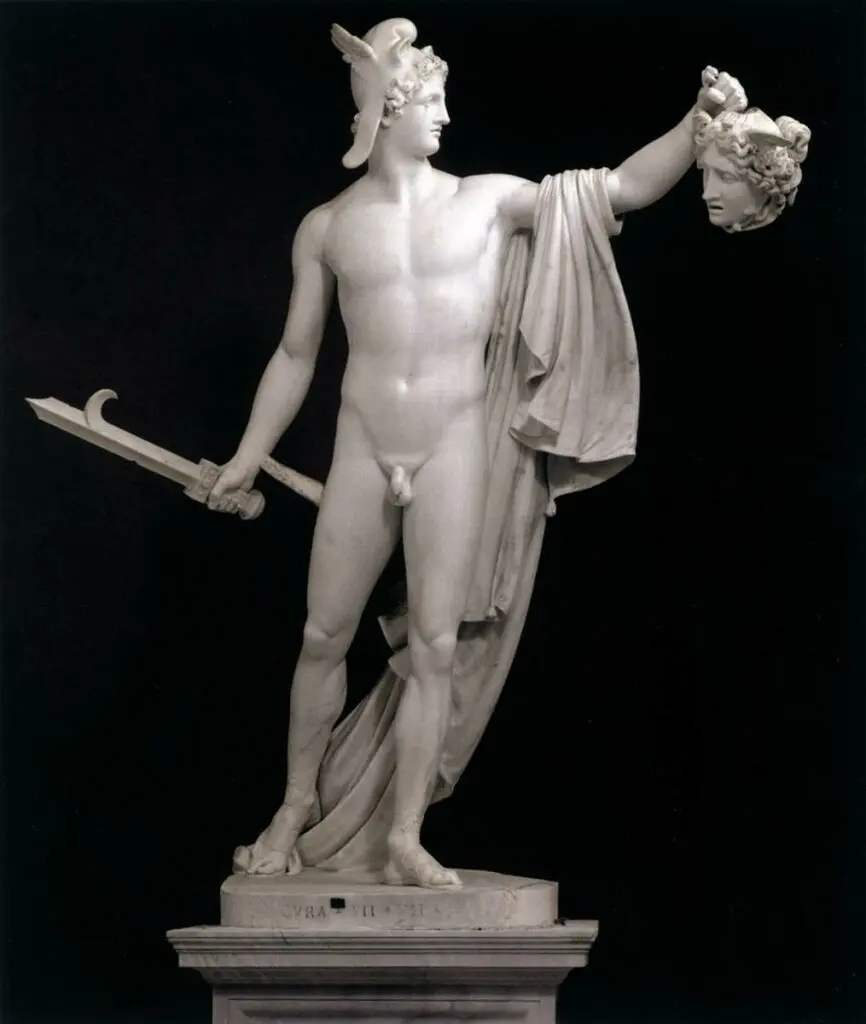
Even experienced artists often struggle with the subtle mechanics of weight distribution. One frequent error is over-exaggerating the tilt of the hips and shoulders, which can make the figure look like it is falling over rather than standing naturally. Balance is essential; if the center of gravity is not aligned with the supporting foot, the figure will appear structurally unsound.
Another common mistake is neglecting the secondary curves of the spine. Contrapposto is not just about the hips and shoulders; it is a full-body engagement. Artists should watch for these issues:
- Failing to show the knee of the relaxed leg bending forward or inward.
- Making the arms hang in a way that ignores the shift in the ribcage.
- Creating a "broken" look where the torso and legs seem disconnected at the waist.
- Forgetting that the head often tilts slightly to compensate for the shoulder alignment.
Best exercises for practicing contrapposto
To master this pose, you should practice sketching from live models who are instructed to shift their weight intentionally. Start by drawing a simple "mannequin" made of basic shapes to identify the primary angles of the hips and shoulders. Once you can identify these lines, you can begin adding anatomical detail. Focusing on the "line of action"—the primary curve of the spine—will help you capture the energy of the pose before you worry about rendering muscles or clothing.
Studying classical statues in museums or high-quality photographs is also highly effective. You can trace the angles of the hips and shoulders on a transparent overlay to see how the "S" curve functions in different figures. By repeatedly identifying these angles in existing masterpieces, you train your eye to see the underlying structure of the human body. Consistent practice will eventually allow you to visualize these shifts even when drawing from memory or imagination, resulting in figures that possess both grace and physical credibility.
Key facts
- Contrapposto is an Italian term meaning "counterpose" used to describe a human figure standing with most of its weight on one foot.
- This stance causes the shoulders and arms to shift off-axis from the hips and legs, creating a subtle S-curve in the spine.
- The technique was first perfected by ancient Greek sculptors in the early 5th century BCE, most notably in the Kritios Boy.
- Renaissance artists like Donatello and Michelangelo revived the pose to inject naturalism and psychological tension into their marble statues.
- To draw or sculpt this pose, always align the tilt of the shoulders in the opposite direction of the tilt of the hips.
- A common mistake is to keep the figure's vertical axis perfectly straight, which results in a stiff, lifeless, and unnatural appearance.
The bottom line
Contrapposto is the essential artistic technique of shifting a figure's weight onto one leg to create a natural, dynamic posture. By offsetting the shoulders against the hips, artists achieve a realistic sense of movement and poise. Whether you are sculpting, drawing, or posing for a photograph, mastering this counter-balance is the most effective way to transform a stiff, static subject into a lifelike and engaging representation.
People also ask
Why is contrapposto considered more realistic than earlier artistic poses?
Before contrapposto, figures were often depicted in a rigid, frontal "archaic" stance that suggested no movement. By shifting the weight, the body appears capable of motion, making the figure look alive rather than static.
How does contrapposto affect the viewer's perception of a statue?
The pose creates a sense of potential energy, as if the figure is about to take a step. It draws the viewer’s eye around the sculpture, encouraging them to view it from multiple angles.
Did the Romans use contrapposto in their art?
Yes, Roman sculptors heavily adopted the technique from Greek models. They used it extensively in portraiture and mythological statues to convey authority and grace.
Is contrapposto only used in sculpture?
No, it is a fundamental principle in classical painting and drawing. Artists use the S-curve of the spine to give depth and volume to two-dimensional figures.
What is the difference between contrapposto and a simple lean?
A simple lean involves shifting the entire body weight, whereas contrapposto involves a complex internal rotation. The torso turns slightly against the pelvis, creating a dynamic tension that a simple lean lacks.
Can contrapposto be used in modern photography?
Absolutely, fashion and portrait photographers use this stance to make subjects look more relaxed and flattering. By shifting weight to one leg, the body lines become more visually interesting and elegant.
This answer was created with the help of AI research tools and reference sources. Spotted an error? Let us know — we correct mistakes quickly. See our editorial policy.