Who invented the board game?
Short answer
No single person invented the board game. Instead, board games evolved over thousands of years across various ancient civilizations. The earliest known examples, such as Senet from Predynastic Egypt and the Royal Game of Ur from Mesopotamia, emerged independently around 3500–3000 BCE as tools for entertainment, social interaction, and religious divination.
On this page
Who actually invented the first board game?
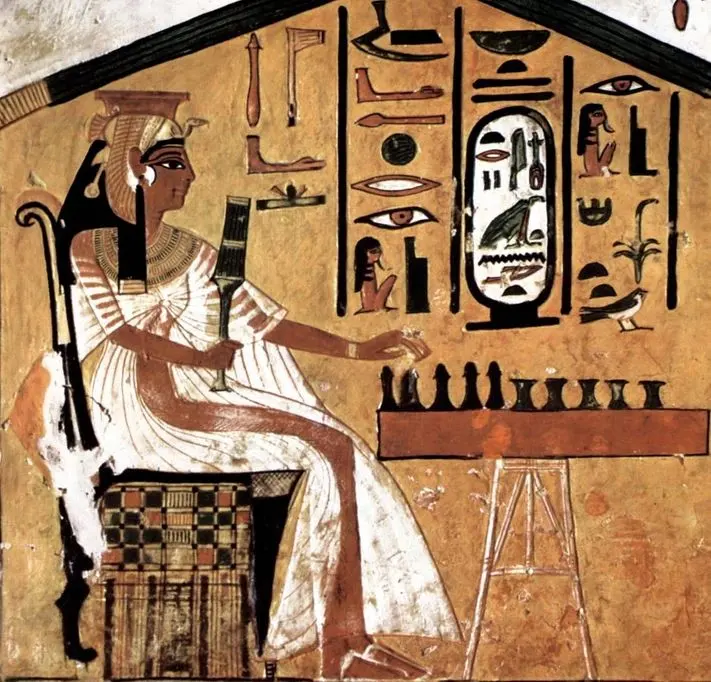
Board games do not have a single inventor because they developed as a cultural necessity rather than a technological breakthrough. Archaeological evidence suggests that humans in different regions began creating grid-based systems for play simultaneously. The oldest confirmed physical evidence comes from Egypt, where the game Senet was played as early as 3500 BCE. It was so integral to their culture that it was often buried in tombs to assist the deceased in the afterlife.
Simultaneously, the Royal Game of Ur was being played in ancient Mesopotamia around 2600 BCE. This game featured a complex board and a set of tetrahedral dice, proving that early humans had already mastered the mechanics of probability and strategy. Because these games appeared in distinct geographic locations without clear evidence of trade-based transmission, historians conclude that the concept of the board game is a fundamental human invention rather than a singular discovery.
How do ancient board games work?
Ancient games generally relied on a combination of luck and simple tactical movement. Most early designs used a track or a grid, where players moved pieces based on the outcome of casting sticks, knucklebones, or rudimentary dice. These games were rarely just about winning; they often served as metaphors for the journey of life or the struggle between opposing cosmic forces.
To understand how these games functioned, consider these common mechanics found in antiquity:
- Race mechanics: Players move pieces from a starting point to an end goal, often attempting to capture opponent pieces along the way.
- Grid-based placement: Players occupy specific squares to control territory or form patterns, similar to the precursors of modern games like Go.
- Chance-based movement: The use of binary randomizers, such as flat sticks with one side painted, dictated the distance a player could travel each turn.
Why did board games become popular?
Board games became popular because they provided a structured way for people to socialize and gamble. In ancient societies, games were often played in public spaces, acting as a social leveler where status mattered less than the roll of the dice. They also functioned as a safe way to simulate conflict, allowing individuals to practice tactical thinking without the real-world consequences of actual warfare.
Furthermore, many ancient games were deeply tied to religious beliefs. For example, the Egyptian game Senet was believed to reflect the player’s relationship with the gods. Winning was seen as a sign of divine favor, while losing could be interpreted as a bad omen. This spiritual connection ensured that board games were not merely seen as idle pastimes, but as significant cultural activities that reinforced community values and helped individuals navigate the complexities of their social and spiritual environments.
Common mistakes when researching board game history
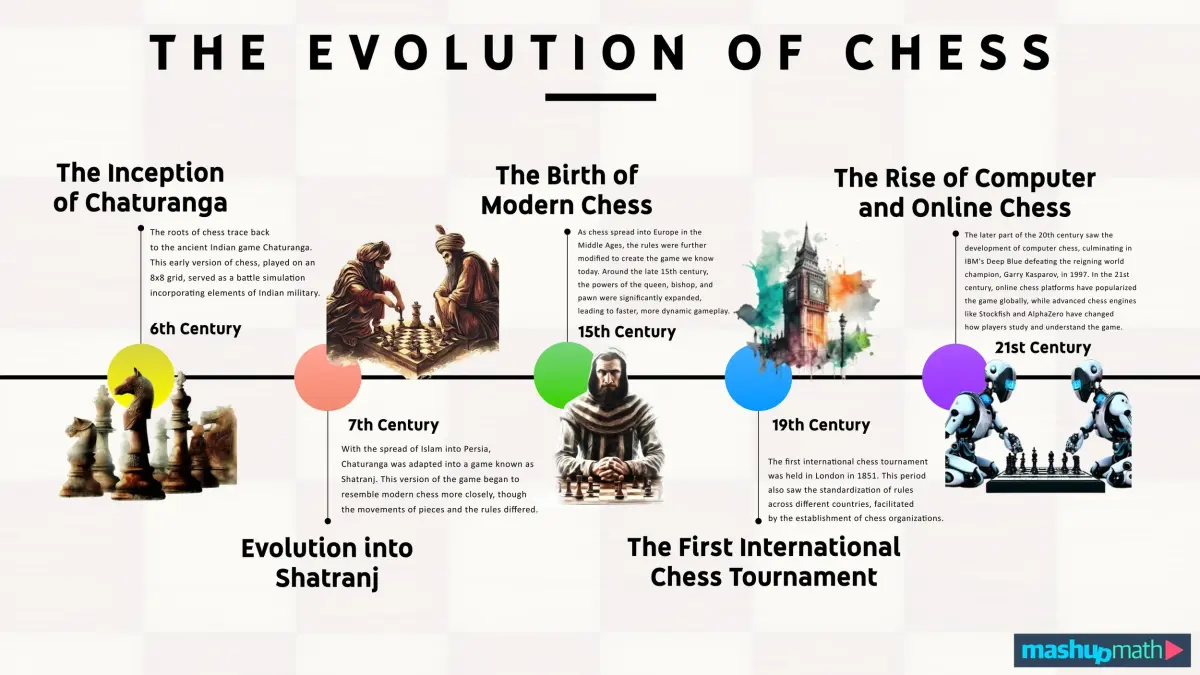
One frequent error is assuming that all modern games have a direct, linear lineage leading back to a single ancient source. Many people mistakenly believe that Chess evolved directly from one specific game, whereas it is actually a synthesis of various regional variants like the Indian Chaturanga. Another mistake is ignoring the role of materials; early games were often played on the ground with stones or shells, meaning many early "boards" have been lost to time, leading to an underestimation of how widespread these games truly were.
To avoid these common pitfalls, keep these guidelines in mind:
- Distinguish between archeological evidence and later historical myths that romanticize the origins of games.
- Recognize that rules were often oral traditions and changed frequently based on the region or the specific group of players.
- Avoid attributing the invention of complex games to a single person, as most evolved through communal consensus over centuries.
What is the legacy of early board games?
The legacy of these early inventions is the foundation of modern game theory and recreational design. Every modern board game, from simple children’s games to complex strategy titles, utilizes the basic principles established thousands of years ago. The shift from luck-based games to those requiring deep strategic planning mirrors the evolution of human society itself, moving from agrarian societies reliant on fate to complex civilizations that value foresight and calculated risk-taking.
Today, the influence of ancient games is visible in the way we design digital interfaces and competitive sports. The core human desire to challenge oneself against an opponent within a confined, rule-bound space remains unchanged. By studying these ancient artifacts, we gain insight into the cognitive development of our ancestors and the enduring power of play as a universal human experience that transcends time, geography, and language to connect us all through the simple act of moving pieces across a board.
Key facts
- The oldest known board game is Senet, which dates back to predynastic Egypt around 3500 BCE.
- Archeologists discovered the Royal Game of Ur in a Mesopotamian tomb, dating to approximately 2600 BCE.
- Mancala is considered the world’s oldest continuously played game, with evidence of pits carved into stone in Neolithic sites.
- Most ancient board games were not invented by a single person but evolved over centuries through cultural exchange.
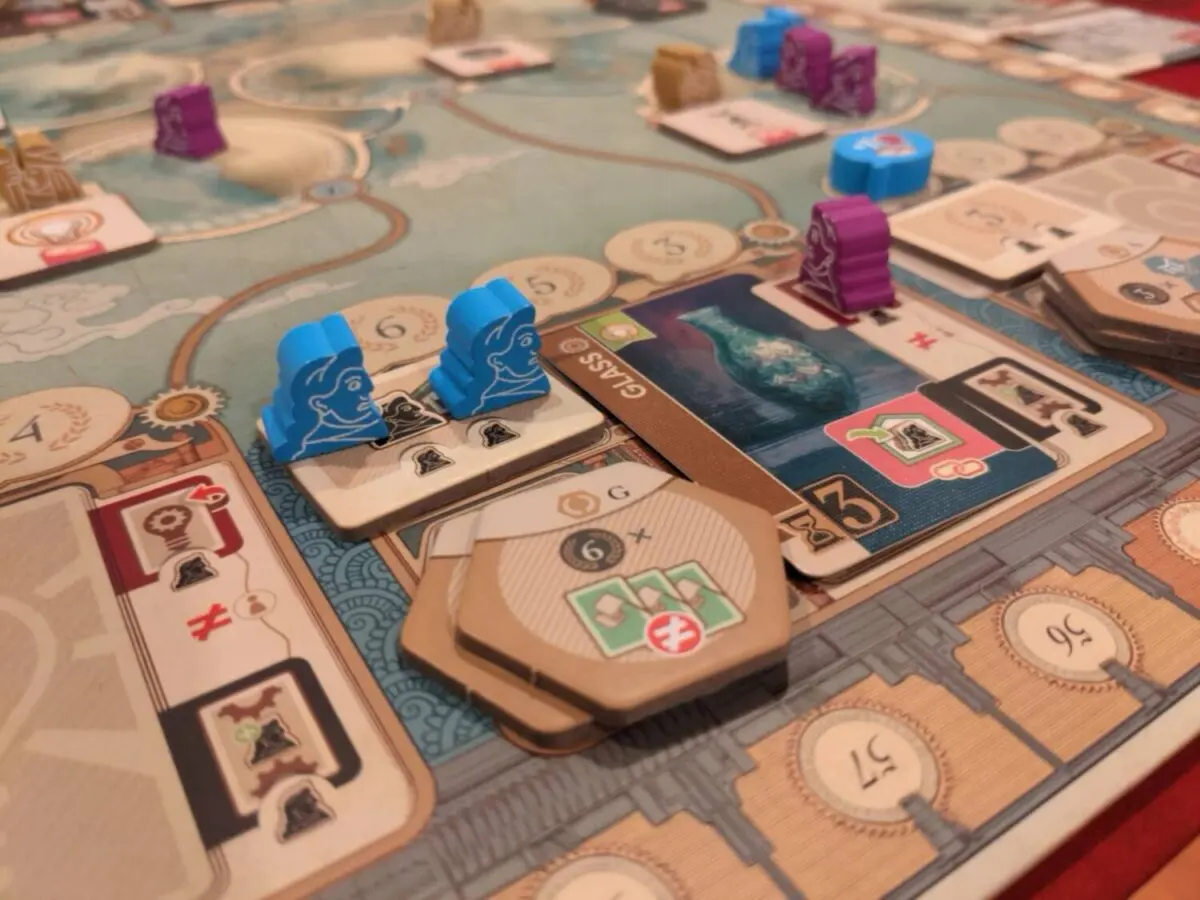
- Modern board game design relies on "mechanics," such as worker placement or deck building, to create unique player experiences.
- When designing your own game, focus on a core "loop" where players perform an action and receive a clear reward.
The bottom line
Board games are not the invention of a single individual but a collective human heritage spanning over five millennia. From ancient Egyptian pastimes to modern tabletop hits, these games have evolved alongside civilization to provide social interaction and strategic challenges. Whether you are studying history or designing your own game, remember that the best experiences prioritize clear, engaging mechanics over overly complex rules or excessive components.
People also ask
What was the first mass-produced board game?
The Landlord’s Game, patented by Elizabeth Magie in 1904, is widely recognized as the precursor to Monopoly. It was designed to demonstrate the economic consequences of land monopolies and wealth concentration.
How do I test if my board game idea is fun?
Create a "prototype" using index cards and simple tokens to play through the rules. If the game feels tedious or confusing during your first test, simplify the mechanics before adding complex components.
What is the most popular board game of all time?
Chess is arguably the most globally recognized board game, with roots tracing back to the Indian game chaturanga. It has maintained its popularity due to its deep strategic complexity and standardized rules.
Why are board games making a comeback?
The rise of digital fatigue has led many people to seek tangible, social experiences. Board games offer a way to interact face-to-face, which provides a unique communal satisfaction that screens cannot replicate.
What is the biggest mistake new game designers make?
Many creators try to pack too many rules into their first game, which makes it difficult for players to learn. Focus on one primary mechanic and ensure the game is playable within 30 minutes.
Are there board games that rely entirely on luck?
Yes, games like Snakes and Ladders are purely luck-based, as player movement is determined solely by dice rolls. These games are often designed for younger children to understand basic counting and turn-taking.
This answer was created with the help of AI research tools and reference sources. Spotted an error? Let us know — we correct mistakes quickly. See our editorial policy.